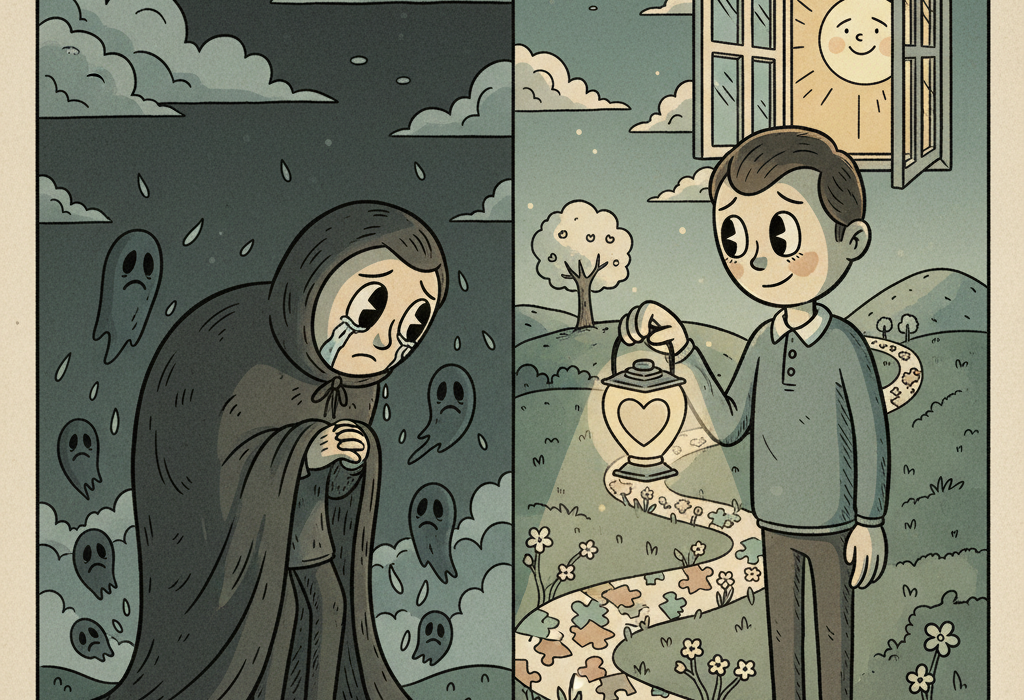
Grief is a universal human experience. At some point, nearly everyone will lose someone or something they love. Despite how common it is, grieving often feels incredibly isolating. Many people worry that they are doing it “wrong.” They might wonder why they are not crying enough, why they cannot stop crying, or why they still feel sad years later.
For a long time, popular culture taught us that grief was a straight line. People believed we had to move neatly through five stages of grief until we reached acceptance. However, modern psychology paints a very different picture. Science shows us that grief is messy, unpredictable, and highly individual.
Researchers have spent decades studying how people cope with loss. They have looked at everything from the death of a spouse to the loss of a beloved pet. By looking at this data, we can better understand how the human mind adapts to a world that has suddenly changed.
How the Brain Actually Processes Loss
One of the most important concepts in modern grief research is the Dual Process Model of Coping with Bereavement. Developed by researchers in the late 1990s and heavily studied since, this model explains that healthy grieving is not about constantly focusing on sadness.
Instead, the brain uses a mechanism called oscillation (ah-suh-LAY-shun). Oscillation is the act of swinging back and forth, much like a pendulum. According to a 2010 review in Omega, grieving people naturally swing between two different modes of coping:

- Loss-oriented coping: This involves focusing directly on the grief. It includes crying, looking at old photos, yearning for the person, and processing the pain of the loss.
- Restoration-oriented coping: This involves dealing with the secondary changes that the death caused. It includes learning new skills (like managing finances), going back to work, or trying to socialize with friends.
In the past, people who distracted themselves by going to work or watching a movie were often told they were “in denial.” But science now shows that taking a break from grief is actually a healthy and necessary part of the process. The brain cannot handle intense emotional pain 24 hours a day.
| Coping Mode | What It Looks Like | Why It Helps |
|---|---|---|
| Loss-Oriented | Crying, remembering, feeling the pain | Helps the brain process the reality of the absence. |
| Restoration-Oriented | Doing chores, working, finding new hobbies | Gives the brain a break and helps rebuild daily life. |
The Myth of “Letting Go”
Another old myth is that we must completely detach from the person who died in order to move on. Modern science disagrees.
Researchers use the term continuing bonds (kuhn-TIN-yoo-ing bonds) to describe the ongoing inner relationship we keep with someone after they pass away. According to a 2014 review in Death Studies, maintaining a connection with the deceased is a normal part of human bereavement.
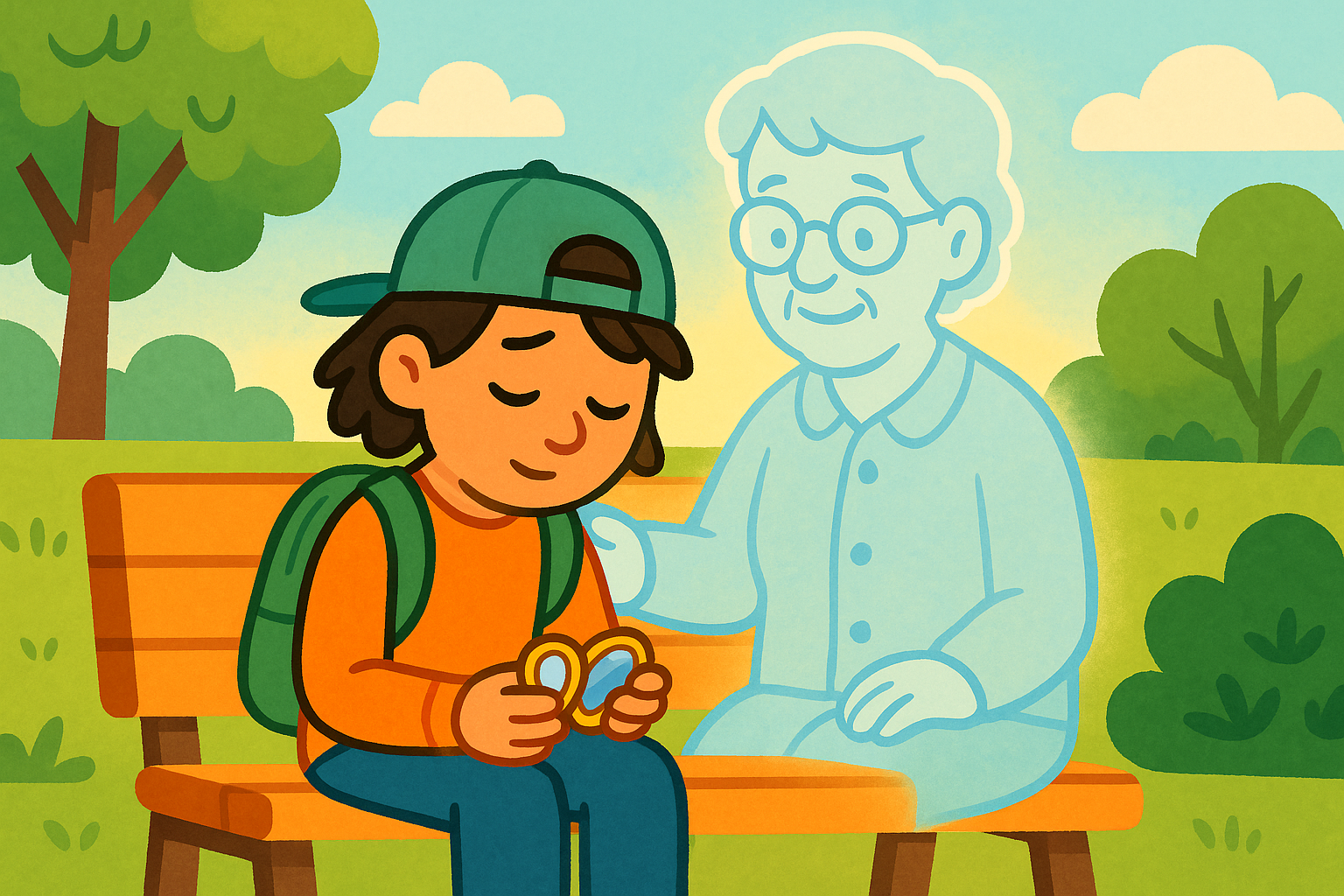
Continuing bonds can look like:
- Talking to the person who died.
- Keeping a piece of their clothing or jewelry.
- Living by the values they taught you.
- Celebrating their birthday.
Are continuing bonds always healthy? It depends. The research shows that if keeping a connection helps you find comfort while still acknowledging the reality of the death, it is highly adaptive. However, if a person uses these bonds to deny that the death actually happened, it can block the healing process.
Invisible Loss: When Society Does Not Recognize Your Grief
Sometimes, the pain of loss is made worse because the people around us do not understand it. This is known as disenfranchised grief (dis-en-FRAN-chyzd greef). This term refers to a loss that is not openly acknowledged, socially validated, or publicly mourned.
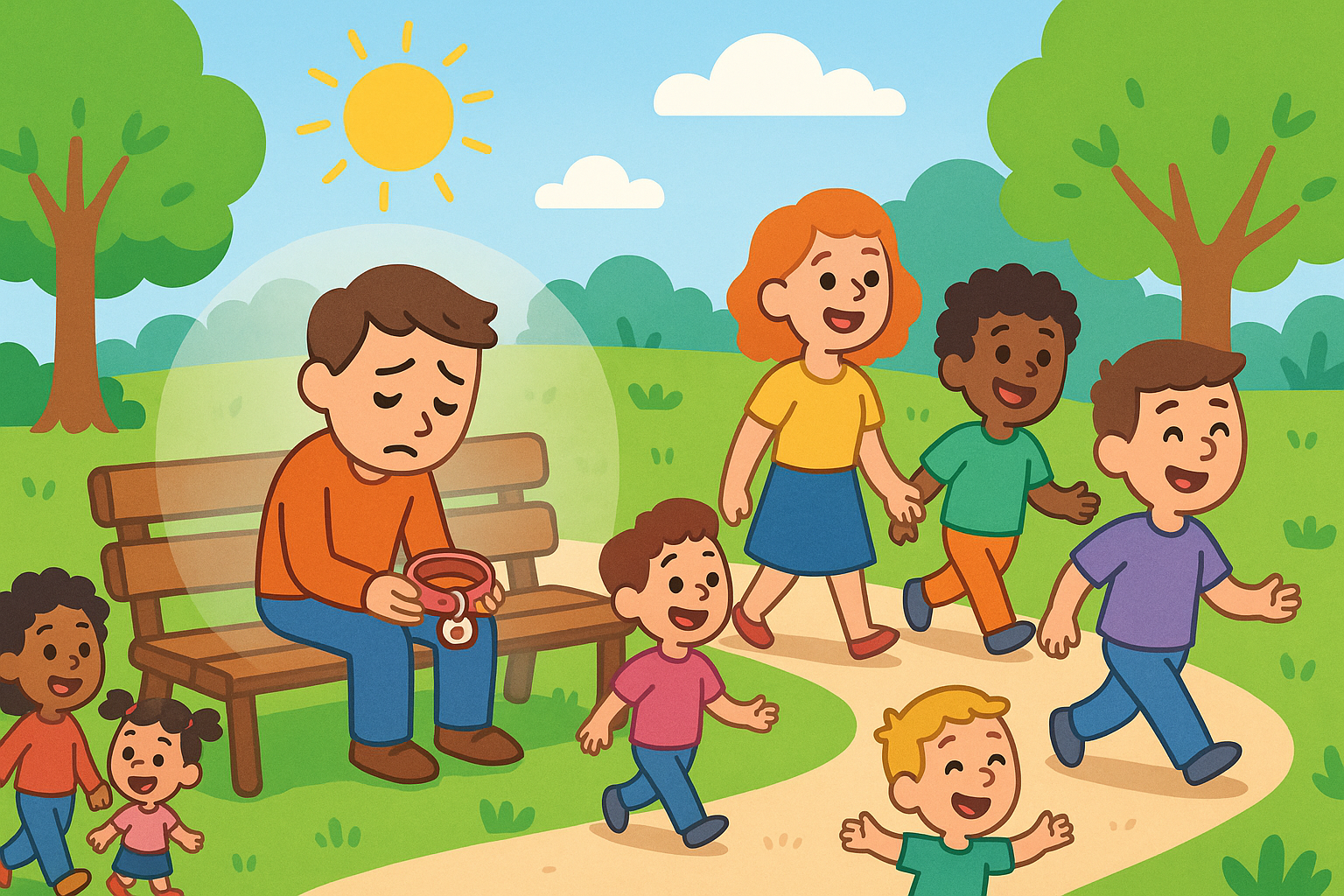
When society does not recognize a loss as “valid,” the grieving person often feels isolated and ashamed. Research highlights several common types of disenfranchised grief.
The Loss of a Pet
For many people, losing a dog, cat, or other companion animal hurts just as much as losing a human family member. A 2023 review in the Journal of Applied Animal Welfare Science found that bereaved pet owners frequently report feelings of embarrassment about their grief. Because society rarely offers bereavement leave or formal funerals for pets, owners often mourn in private. The study noted that finding social support, even through online groups, is critical for pet owners to process their loss.
The Death of a Public Figure
When a popular musician or actor dies, fans can experience profound grief. This is driven by a parasocial relationship (pair-uh-SOH-shul ree-LAY-shun-ship), which is a one-sided psychological bond a person forms with a public figure. A 2022 study in Death Studies explored how fans coped with the deaths of musicians like David Bowie and Michael Jackson. The researchers found that fans felt intense, genuine grief but often hid it from friends and family to avoid ridicule. Connecting with other fans online helped them validate their feelings.
Professional Grief in Healthcare and Education
Nurses, doctors, and teachers often face the deaths of patients or students. Yet, they are usually expected to remain entirely professional and just keep working.
A 2025 study in BMC Palliative Care examined nurses in Saudi Arabia dealing with patient deaths. The researchers found that 85% of the nurses experienced normal levels of grief, but those who lacked formal support systems struggled more. Similarly, a 2020 study of Muslim nurses in Indonesia showed that nurses often felt guilty or sad when patients died. Sharing their feelings with colleagues and relying on spiritual beliefs were their main coping tools.
Teachers face this too. A 2024 study in Israel looked at special education staff after the death of a student. The staff struggled with disenfranchised grief because their professional role made it hard to express their deep sense of loss openly.
Transnational Bereavement
Immigrants often live thousands of miles away from their aging parents. When a family member dies in their home country, immigrants face unique challenges. A 2018 study in Family Process explored how immigrants cope with these transnational deaths. They often feel intense guilt because they cannot attend the funeral due to distance, cost, or work. However, the study also found that the physical distance sometimes acts as an emotional buffer, helping them return to their daily routines more quickly.
Who Struggles the Most? Understanding Prolonged Grief
While most people eventually adapt to a loss, a small percentage experience severe, debilitating grief that does not improve over time. This is known as Prolonged Grief Disorder (pro-LAWNGD greef dis-OR-der).
Scientists have worked to identify who is most at risk for this condition so that doctors can provide better help. A 2024 massive review of over 61,000 participants identified several key risk factors for prolonged grief symptoms. The strongest predictors included having high levels of grief before the person actually died (anticipatory grief) and having a history of depression. Other risk factors included unexpected or violent deaths, lower income, and the loss of a child or partner.
Related: The Science of Dementia Caregiving: What Research Says About Stress, Sleep, and Support
The specific circumstances of the loss also matter deeply.
The Loss of a Child
The death of a child is widely considered one of the most traumatic events a human can endure. A 2024 study in China looked at “shidu” parents, which refers to parents over age 49 who have lost their only child. Due to cultural expectations around family lineage, these parents faced intense shame and loneliness. However, the study also found evidence of post-traumatic growth. Over time, many parents developed new life philosophies, became more empathetic to others, and learned to live for themselves.
Fathers often experience the loss of a child differently than mothers. A 2021 review in Pediatrics found that grieving fathers tend to isolate themselves, return to work earlier, and rely on stoicism. While this helps them function in the short term, these coping mechanisms can sometimes leave their deeper emotional needs unmet.
Sudden Death and Suicide
Losing a loved one to suicide or a sudden accident adds layers of shock and trauma. A 2022 study in Australia compared people bereaved by suicide to those bereaved by other sudden deaths. They found that feelings of stigma and shame were highly associated with “avoidant coping” (trying to ignore the pain entirely). People with a history of mental health issues were also more likely to use avoidant coping strategies.
Practical Ways People Cope with Grief
Research shows that humans are incredibly resilient. Even in the face of profound loss, people find ways to adapt. Studies highlight a few common strategies that help the brain process grief.
Finding Social Support
Across almost all studies, social support is the most protective factor against prolonged grief. Whether it is a formal support group, a supportive spouse, or an online community of fans, talking to people who validate your pain is crucial.
Leaning on Cultural and Spiritual Beliefs
Many people use their faith to make sense of loss. A 2022 study in Thailand looked at relatives of palliative care patients. They found that “acceptance” was the most common coping strategy, heavily influenced by their spiritual beliefs. Rituals, such as funerals or daily prayers, give the grieving brain a structured way to process emotion.
Taking Care of the Physical Body
Grief is a physical stressor. It raises heart rates, disrupts sleep, and changes appetite. A 2002 study in The Journal of Nutrition, Health & Aging found that recently bereaved individuals are at a moderate risk for poor nutrition. Grieving people often lose the motivation to shop for food or cook. Remembering to meet basic physical needs is a foundational step in coping.
The Bottom Line
Science tells us that there is no single timeline or checklist for grief. The brain naturally oscillates between facing the pain and taking a break from it. It is completely normal to maintain an ongoing bond with the person, animal, or public figure who passed away.
While society may not always recognize every type of loss, your grief is valid. Most people will eventually integrate the loss into their lives and find a way forward. However, if the grief remains debilitating after many months or years, reaching out to a mental health professional can provide the tools needed to help the brain heal.
Quick Reference: Key Studies
| Study Focus | Key Finding | Source |
|---|---|---|
| Risk Factors for Prolonged Grief | Prior depression and unexpected death are the strongest predictors of prolonged grief. | PMID 38181586 |
| Dual Process Model | Healthy coping requires swinging between processing the loss and taking a break to rebuild life. | PMID 21058610 |
| Continuing Bonds | Maintaining an ongoing psychological connection to the deceased can be a healthy way to cope. | PMID 24521040 |
| Pet Bereavement | Owners often feel embarrassed by their grief, making social support critical for healing. | PMID 34096419 |
| Fathers’ Grief | Fathers often cope with child loss through stoicism and returning to work, which may hide deeper struggles. | PMID 33648950 |
| Transnational Grief | Immigrants face guilt over not attending funerals, but distance can sometimes act as an emotional buffer. | PMID 29238968 |
Last updated: March 2026
This article synthesizes findings from peer-reviewed research. It is for educational purposes only and does not constitute medical advice. Consult a healthcare provider before starting any new regimen.
Leave a Reply