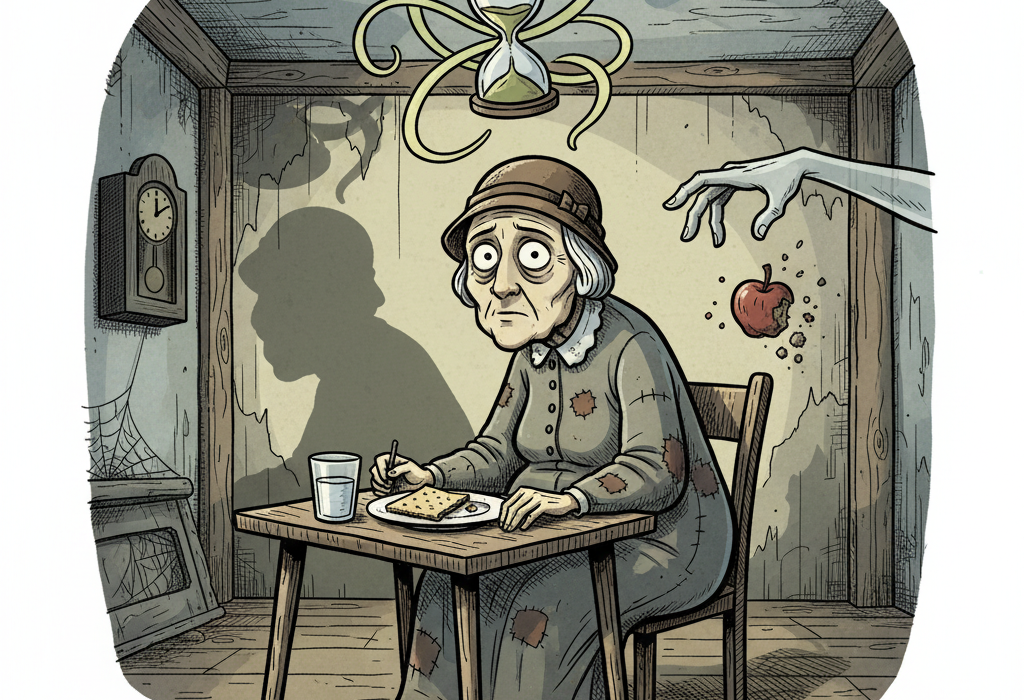
The Hidden Challenge of Aging and Nutrition
Think of the human body like a house. When the house is new, routine maintenance keeps everything in working order. But as the house ages, the foundation and structure require more specialized materials to stay strong. If you stop bringing in the right building materials, the house slowly begins to weaken.
In older adults, this process is known as malnutrition. Society often praises weight loss as a sign of good health. However, when older adults lose weight without trying, it is frequently a warning sign that their bodies are missing critical nutrients. Malnutrition in the elderly is not just about a lack of food. It is a complex condition driven by physical changes, chronic illnesses, medications, and social isolation.
Research shows that malnutrition affects up to 50 percent of older adults admitted to hospitals and a significant portion of those living at home. This article breaks down what the latest science actually says about why malnutrition happens as we age, how it affects the body, and what evidence-based steps can help manage it.
How Age Changes the Body’s Relationship With Food
To understand why malnutrition is so common, it helps to look at how aging changes our biology. Scientists often refer to a natural decline in appetite as the “anorexia of aging.”
A 2019 review in Science Progress explains that as we get older, our senses of taste and smell naturally fade. This makes food less appealing. At the same time, the stomach empties more slowly, and hormones that signal fullness stay in the bloodstream longer. This means older adults feel full much faster than they used to.
These natural changes are often complicated by two serious physical conditions:
- Sarcopenia (sar-ko-PEE-nee-uh) – a progressive, age-related loss of muscle mass and strength.
- Cachexia (kuh-KEK-see-uh) – a complex metabolic syndrome that causes severe wasting of muscle and fat, usually driven by chronic inflammation or illnesses like cancer or heart disease.
When older adults do not eat enough protein and calories, sarcopenia accelerates. This creates a cycle where muscle loss leads to less physical activity, which further reduces appetite. Related: What Science Actually Says About Frailty in Older Adults
What the Research Shows About Malnutrition Risks
The causes of malnutrition go far beyond simply forgetting to eat. Research categorizes the main drivers into three areas: social factors, medical factors, and physical limitations.
Social and Economic Factors
Social circumstances play a massive role in nutritional health. A 2020 meta-analysis of 40 observational studies involving over 34,000 individuals looked closely at socioeconomic factors. The researchers found that living alone almost doubles the risk of malnutrition.
Additionally, being single, widowed, or divorced increased malnutrition risk by 73 percent compared to being married. Low income and lower educational levels were also strong predictors of poor nutritional status. For many older adults, eating is a social activity. When that social aspect disappears, the motivation to cook and eat often goes with it.
Medical and Physical Factors
Medical conditions directly interfere with how the body processes food. A 2024 review in Nutrients highlights that “polypharmacy” (taking multiple prescription medications) is a major culprit. Many common drugs cause dry mouth, nausea, altered taste, or constipation, all of which ruin appetite.
Another major physical barrier is dysphagia (dis-FAY-juh), which means difficulty swallowing. A 2012 study in Clinical Interventions in Aging notes that dysphagia affects up to 68 percent of elderly nursing home residents and is highly prevalent in people who have had a stroke or have dementia. When swallowing is difficult or causes coughing, people naturally eat less to avoid discomfort.
The Ripple Effects on the Body
When an older adult becomes malnourished, the effects ripple through every system in the body.
Bone Health and Fractures
Bone health is deeply tied to nutrition. While calcium and vitamin D get the most attention, protein is equally critical. A 2017 review in Clinical Nutrition ESPEN explains that low protein intake is strongly linked to lower bone mineral density. Malnourished elderly patients have a significantly higher risk of developing osteoporosis and suffering from hip fractures. Furthermore, when a malnourished person breaks a bone, their hospital stay is longer, and their risk of complications is much higher. Related: How to Prevent Falls in Older Adults: What Research Says
Wound Healing and Immunity
Our skin and immune cells require constant energy and protein to repair themselves. A 2004 study on institutionalized elderly found that protein-energy malnutrition dramatically increases the risk of pressure ulcers (bedsores). Without enough protein, the body simply cannot produce the tissue needed to heal wounds. Malnutrition also weakens the immune system, making older adults much more vulnerable to infections like pneumonia.
Why Diagnosis is Surprisingly Difficult
You might assume that malnutrition is obvious just by looking at someone, but science shows this is a flawed approach.
Historically, doctors relied heavily on the Body Mass Index (BMI) and blood tests like albumin to check for malnutrition. However, a 2024 study on diagnostic criteria demonstrated that single measurements are highly inaccurate for older adults.
An elderly person might have a “normal” or even “overweight” BMI but still suffer from severe muscle wasting (sarcopenia) and nutrient deficiencies. This is sometimes called “sarcopenic obesity.” Furthermore, blood markers like albumin can drop due to general inflammation, not just a lack of food.
To accurately diagnose malnutrition, the research suggests using multi-parameter tools. These tools combine weight history, appetite changes, mobility, and physical tests like handgrip strength.
Who Needs Extra Caution
Certain groups of older adults face unique nutritional challenges that require special attention.
- Dialysis Patients: Elderly patients with chronic kidney failure who undergo dialysis face a high risk of malnutrition. A 2009 review in Renal Failure explains that the dialysis process itself removes essential amino acids from the blood. To compensate, the body breaks down muscle tissue. Interestingly, researchers note an “obesity paradox” in dialysis patients, where a slightly higher BMI is actually associated with better survival rates compared to a lower BMI.
- People with Dementia: Cognitive decline can cause people to forget to eat, lose the ability to use utensils, or fail to recognize food.
- Recently Hospitalized Patients: A 2013 review in Maturitas found that up to 60 percent of elderly patients in acute care are malnourished. Hospital food, restricted meal times, and the stress of illness all contribute to rapid weight and muscle loss during hospital stays.
Practical Guidance for Improving Nutrition
When an older adult is at risk for malnutrition, research supports several practical interventions.
Dietary Adjustments
A 2022 clinical overview suggests several daily strategies to increase nutrient intake without overwhelming the patient:
- Frequent, small meals: Eating five or six small meals is often easier to manage than three large ones.
- High-calorie additions: Adding healthy fats (like olive oil, butter, or cream) to existing meals increases energy intake without increasing the volume of food.
- Protein focus: Prioritizing protein-rich foods (eggs, yogurt, soft fish) helps combat muscle loss. Related: Not All Protein Is Created Equal: What Your Body Actually Absorbs
Oral Nutritional Supplements
When regular food is not enough, oral nutritional supplements (ONS) are highly effective. Multiple studies confirm that providing high-protein, calorie-dense drinks helps maintain weight and reduces hospital readmission rates. However, patients often dislike the taste or texture, so finding an acceptable flavor is important for long-term success.
Swallowing Therapy
For those with dysphagia, simply thickening liquids is a common approach, but it has limits. Thickened liquids can reduce fluid intake and cause dehydration. A better long-term approach involves swallowing rehabilitation. Exercises that strengthen the throat muscles, guided by a speech-language pathologist, have been shown to improve safe swallowing and increase food intake safely.
The Role of Dietitians
Despite their expertise, dietitians are often underutilized. A 2020 systematic review found that other healthcare professionals frequently lack the time or specific training to properly screen for malnutrition. Involving a registered dietitian early can lead to personalized meal plans and better health outcomes.
Common Questions About Elderly Malnutrition
Is weight loss always a good thing for older adults?
No. While intentional weight loss guided by a doctor can help manage certain conditions, unintentional weight loss in older adults is usually a sign of muscle loss and malnutrition. It is linked to a higher risk of falls, fractures, and hospitalizations.
Do thickened liquids fix swallowing problems?
Thickened liquids can help prevent choking in the short term, but they do not fix the underlying muscle weakness. Research shows that patients often dislike them, which can lead to severe dehydration. Swallowing rehabilitation exercises are often needed for long-term improvement.
Can malnutrition be fixed just by eating more?
Not always. If the weight loss is driven by starvation (simply not eating enough), increasing food intake works. However, if the weight loss is driven by cachexia (chronic inflammation and disease), the body’s metabolism is altered. In these cases, medical treatment for the underlying disease must be combined with nutritional support.
The Bottom Line
Malnutrition in older adults is a highly prevalent condition that quietly accelerates muscle loss, weakens bones, and increases the risk of severe medical complications. It is driven by a mixture of natural aging processes, chronic diseases, medication side effects, and social isolation.
The evidence clearly shows that standard weight measurements are not enough to catch malnutrition early. Instead, looking at changes in appetite, muscle strength, and social habits provides a better picture. By utilizing frequent small meals, prioritizing protein, addressing swallowing difficulties, and involving dietary professionals, it is possible to improve nutritional status and maintain a higher quality of life in older age.
Quick Reference: Key Studies
| Study Focus | Key Finding | Source |
|---|---|---|
| Social Factors | Living alone, low income, and being unmarried significantly increase the risk of malnutrition in older adults. | PMID 32168827 |
| Bone Health | Low protein intake is strongly linked to lower bone mineral density and higher hip fracture risk in the elderly. | PMID 30014867 |
| Swallowing Issues | Dysphagia affects up to 68% of nursing home residents and greatly increases the risk of pneumonia and malnutrition. | PMID 22956864 |
| Dialysis Patients | Dialysis removes essential amino acids, driving muscle breakdown. Proper protein supplementation is required. | PMID 19288330 |
| Diagnostic Tools | BMI alone is flawed for diagnosing elderly malnutrition. Multi-parameter tools assessing muscle mass and strength are needed. | PMID 39125416 |
Last updated: March 2026
This article synthesizes findings from peer-reviewed research. It is for educational purposes only and does not constitute medical advice. Consult a healthcare provider before starting any new regimen.


Leave a Reply