The Science of Balance Training for Fall Prevention: What Actually Works
One in three older adults falls each year. Discover what the latest science says about the most effective exercises to improve balance, build strength, and prevent falls.
Tai Chi looks like a relaxing, slow-motion dance, but research shows it is a highly effective way to build functional muscle strength and improve balance. Learn what the latest science says about Tai Chi for healthy aging.
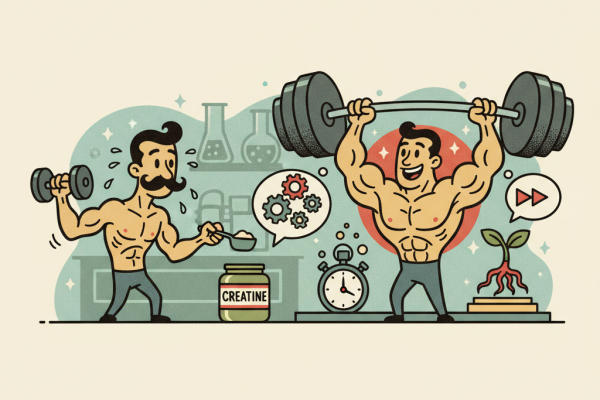
Creatine is widely known as a sports supplement, but new research reveals it also supports brain health, healthy aging, and memory. Learn what peer-reviewed science says about how it works and who benefits most.
Living a longer, healthier life isn't just about genetics. Discover how the latest science on diet, exercise, and meal timing can help you maximize your healthspan and age vibrantly.
Weight training does much more than build visible muscle. Peer-reviewed research shows that lifting weights can improve hormone levels, shrink waistlines, protect against age-related decline, and lower your overall risk of mortality.
Age-related muscle loss is common, but it is not entirely inevitable. Research shows that a combination of resistance training and optimized protein intake can help preserve your strength and independence as you age.
BCAA supplements are among the most popular in fitness, but research shows their benefits depend heavily on context. They may help reduce soreness and preserve muscle when protein intake is limited, but offer little extra for people already eating enough protein.
Blood flow restriction training uses inflatable cuffs and light weights to try to build muscle without heavy loads. Recent studies show it works about as well as standard rehab or heavy lifting, but not better. It may be most useful when heavier exercise is not an option.
Falls are the leading cause of injury in older adults, but research shows they're largely preventable. Exercise programs targeting balance and strength, home safety modifications, and medication reviews can significantly reduce fall risk when combined in a tailored approach.
Frailty is a complex condition that makes older adults more vulnerable to health stressors like surgery and infections. Research shows that maintaining oral health, nutrition, and social connections can help prevent or even reverse this decline.