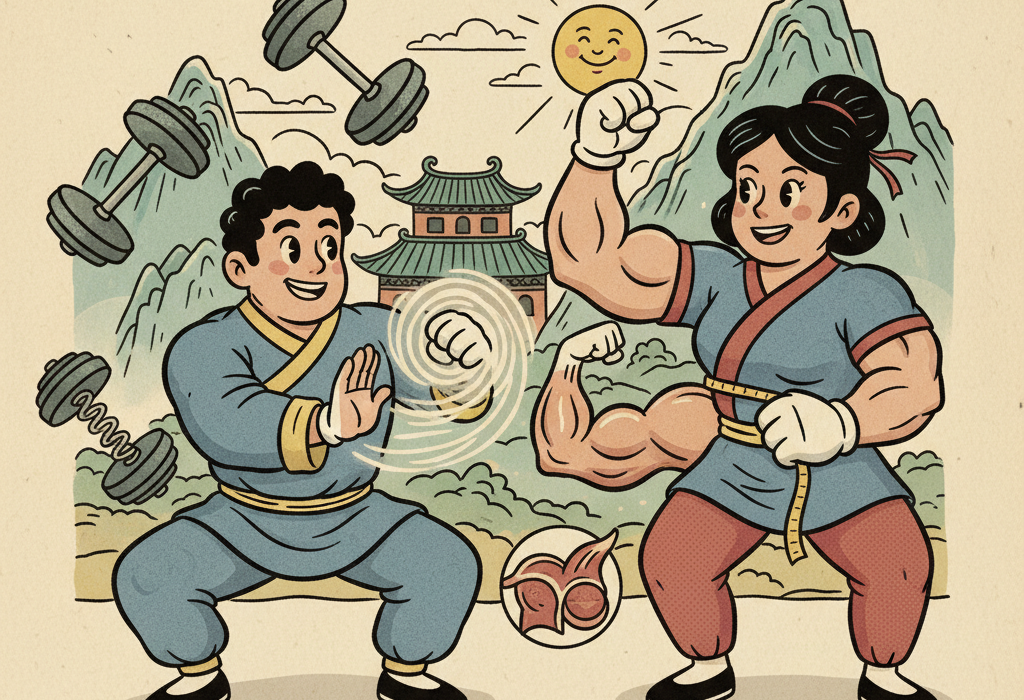
If you walk through a public park early in the morning, you might see a group of people moving together in slow, continuous motions. This is Tai Chi. Because it looks so relaxing and graceful, it is easy to assume it is just a form of moving meditation. Many people wonder if moving that slowly can actually provide a real physical workout.
The short answer is yes. Scientific research shows that Tai Chi is highly effective at building functional lower-body strength, improving balance, and reducing the risk of falls. While it will not give you the large, bulky muscles of a bodybuilder, it trains your nervous system and muscle fibers to work together efficiently.
For decades, scientists have studied how this ancient Chinese martial art affects the human body. The core tension in fitness research is often between lifting heavy weights to build strength versus doing gentle exercises to protect the joints. Tai Chi seems to bridge that gap. By forcing the body to balance on one leg at a time and move through slow transitions, it places a unique demand on the muscles and the brain.
This article breaks down exactly what the latest peer-reviewed research says about Tai Chi, muscle strength, balance, and healthy aging.
Does Tai Chi Actually Build Muscle Strength?
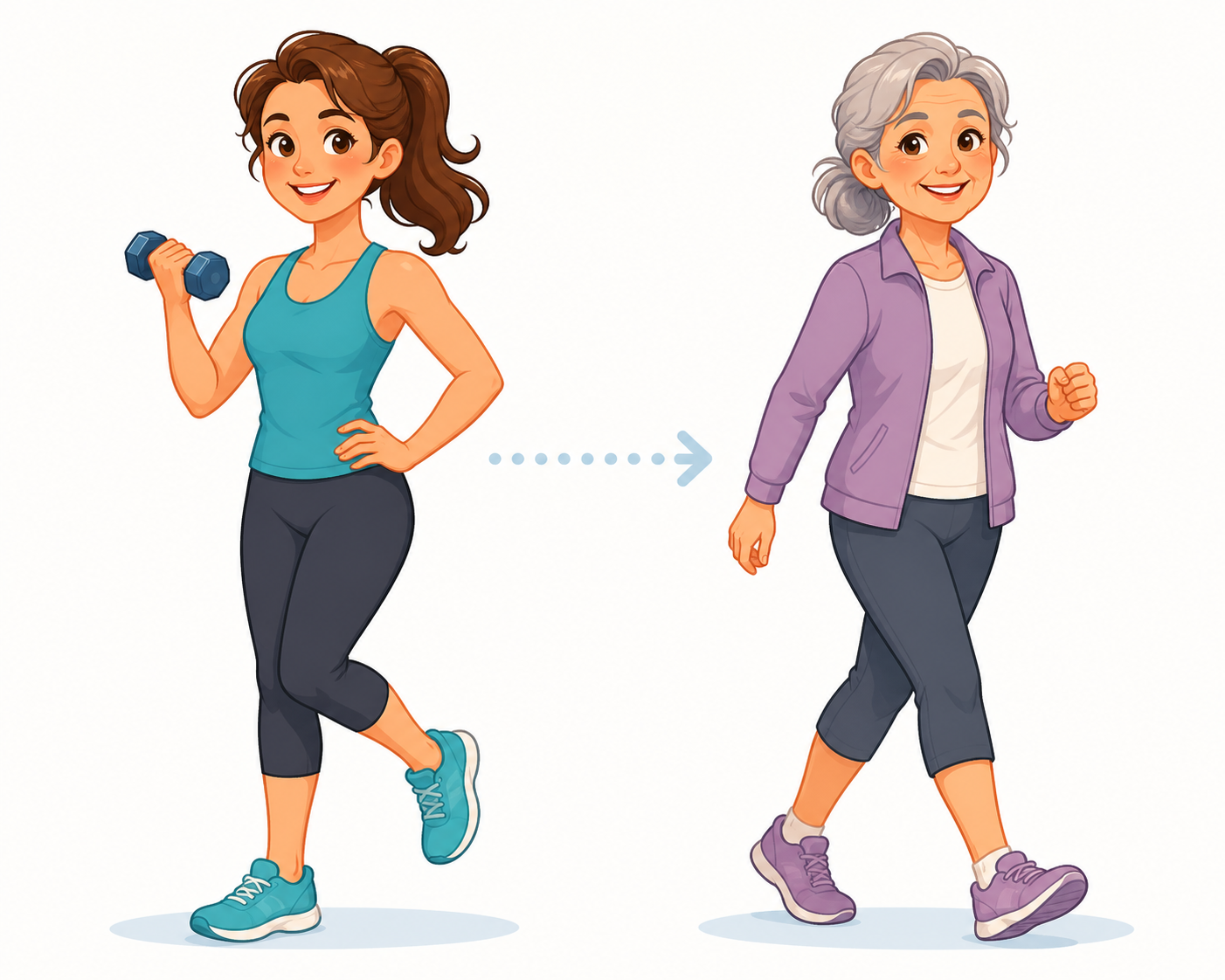
As we age, we naturally lose muscle mass and function. This process is known as sarcopenia (sar-co-PEE-nee-uh), which simply means an age-related loss of skeletal muscle. Sarcopenia increases the risk of falls, limits mobility, and is especially common in people with chronic conditions like type 2 diabetes.
Related: How to Prevent Age-Related Muscle Loss: What the Latest Science Says
Many people turn to Tai Chi as a low-impact way to stay active, but researchers wanted to know if it actually builds physical strength.
A 2025 systematic review in Frontiers in Public Health analyzed 11 randomized controlled trials involving 738 people with sarcopenia. The researchers found that practicing Tai Chi (and a similar practice called Baduanjin) significantly improved grip strength, walking speed, and overall muscle function.
However, the same study noted that Tai Chi did not necessarily increase raw muscle mass. This means the participants became functionally stronger and more capable of moving their bodies, even if their muscles did not physically grow larger.
Another 2021 meta-analysis in BMJ Open Sport & Exercise Medicine looked at how Tai Chi affects physical endurance and strength. The researchers found significant improvements in handgrip strength and functional capacity (how far someone could walk in six minutes).
Interestingly, this BMJ study did not find significant improvements in knee extensor strength across all participants. The researchers noted that to build serious leg strength with Tai Chi, practitioners need to use “lower stances.” Bending the knees deeper during the movements forces the leg muscles to work much harder. If you perform Tai Chi standing almost straight up, the strength benefits are much smaller.
Improving Balance and Preventing Falls
If Tai Chi has a superpower, it is balance. Falling is a major health risk for older adults, often leading to fractures, loss of independence, and long-term hospital stays.
A 2019 Cochrane Database review looked at 108 trials involving over 23,000 community-dwelling older adults. The researchers wanted to know which types of exercise actually prevent falls. They found high-certainty evidence that balance and functional exercises reduce the rate of falls by 24 percent. Specifically, Tai Chi reduced the rate of falls by 19 percent and reduced the total number of people who experienced a fall by 20 percent.
Another Cochrane review focusing on balance confirmed that 3D exercises (which include Tai Chi, dance, and yoga) are moderately effective at improving clinical balance outcomes immediately after a training program.
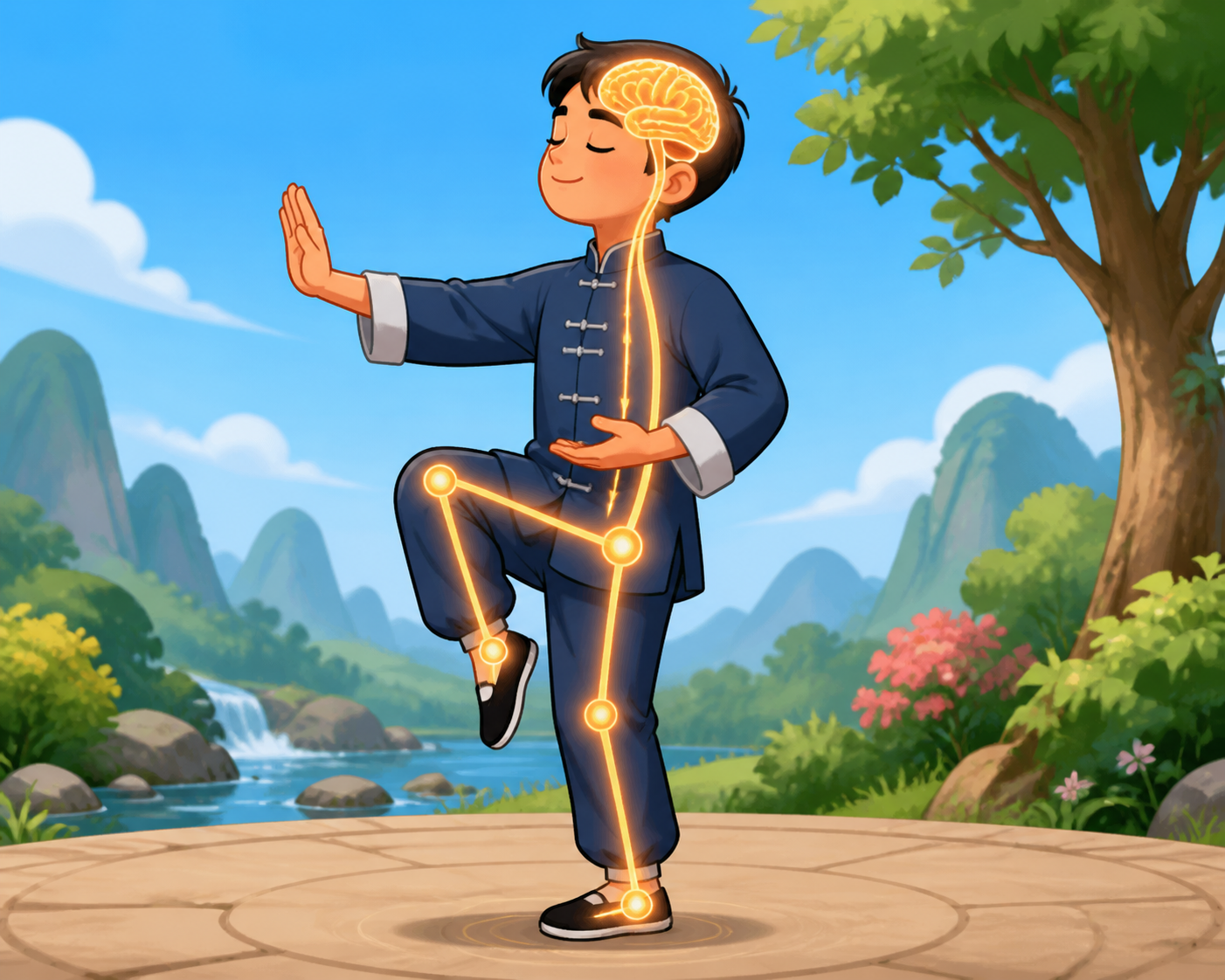
Why is Tai Chi so good at this? It improves proprioception (pro-pree-o-SEP-shun), which is your body’s ability to sense where it is in space. As you slowly shift your weight from one foot to the other in Tai Chi, your brain constantly receives feedback from the nerves in your ankles, knees, and hips. This improves the communication between your brain and your muscles, making you less likely to trip and fall in your daily life.
Parkinson’s Disease and Neurological Health
Some of the most compelling research on Tai Chi comes from studies on Parkinson’s disease. Parkinson’s is a progressive nervous system disorder that severely impacts balance, leading to stiff muscles, slow movements, and a high risk of falling.
In a landmark 2012 study published in The New England Journal of Medicine, researchers compared Tai Chi, resistance training, and stretching in 195 patients with mild-to-moderate Parkinson’s disease. The patients exercised twice a week for 24 weeks.
The results were clear. The Tai Chi group performed significantly better than both the resistance training and stretching groups in maximum balance excursion and directional control.
Comparing Exercise Types for Parkinson’s Patients
| Measurement | Tai Chi | Resistance Training | Stretching |
|---|---|---|---|
| Postural Stability | Best improvement | Moderate improvement | Least improvement |
| Stride Length | Best improvement | Moderate improvement | Least improvement |
| Fall Reduction | 67% fewer falls than stretching | Moderate reduction | Highest fall rate |
The researchers noted that the Tai Chi group had 67 percent fewer falls than the stretching group. Even more notably, the benefits of the Tai Chi training were maintained three months after the intervention ended.
A later 2017 review in Nature Reviews Neurology also highlighted that complementary exercises like Tai Chi and dance therapy provide long-term beneficial effects for balance and mobility in Parkinson’s patients, with effects lasting up to six months after training.
Tai Chi for Joint Pain and Arthritis
Chronic pain often traps people in a frustrating cycle. Your joints hurt, so you stop moving. Because you stop moving, your muscles get weaker and your joints get stiffer, which causes even more pain.
Tai Chi is frequently recommended to break this cycle. A 2011 review in Rheumatic Diseases Clinics of North America examined how Tai Chi helps patients with osteoarthritis, rheumatoid arthritis, and fibromyalgia.
For knee osteoarthritis, the research is highly supportive. Because Tai Chi strengthens the muscles around the knee without subjecting the joint to high-impact pounding (like running), it helps stabilize the joint. The review noted that 12 weeks of Tai Chi provided large and sustained improvements in physical function and pain reduction for osteoarthritis patients.
Similarly, a 2012 review in Regional Anesthesia and Pain Medicine concluded that Tai Chi is an effective intervention for osteoarthritis, low back pain, and fibromyalgia. The researchers pointed out that Tai Chi helps with chronic pain in three distinct ways:
1. Adaptive exercise: It gently strengthens the body.
2. Mind-body interaction: It helps the brain process pain signals differently.
3. Meditation: It reduces the anxiety and depression that often accompany chronic pain.
How This Might Work: The Science of Slow Motion
It might seem illogical that moving slowly builds strength. However, in sports science, there is a concept called “time under tension.” When you move very slowly, your muscles have to support your body weight for a longer period.
Tai Chi relies heavily on eccentric contraction (ek-SEN-trik con-TRAK-shun). This occurs when a muscle lengthens while it is under tension. For example, when you slowly lower your body into a squat, the muscles in the front of your thighs are working eccentrically to control your descent.
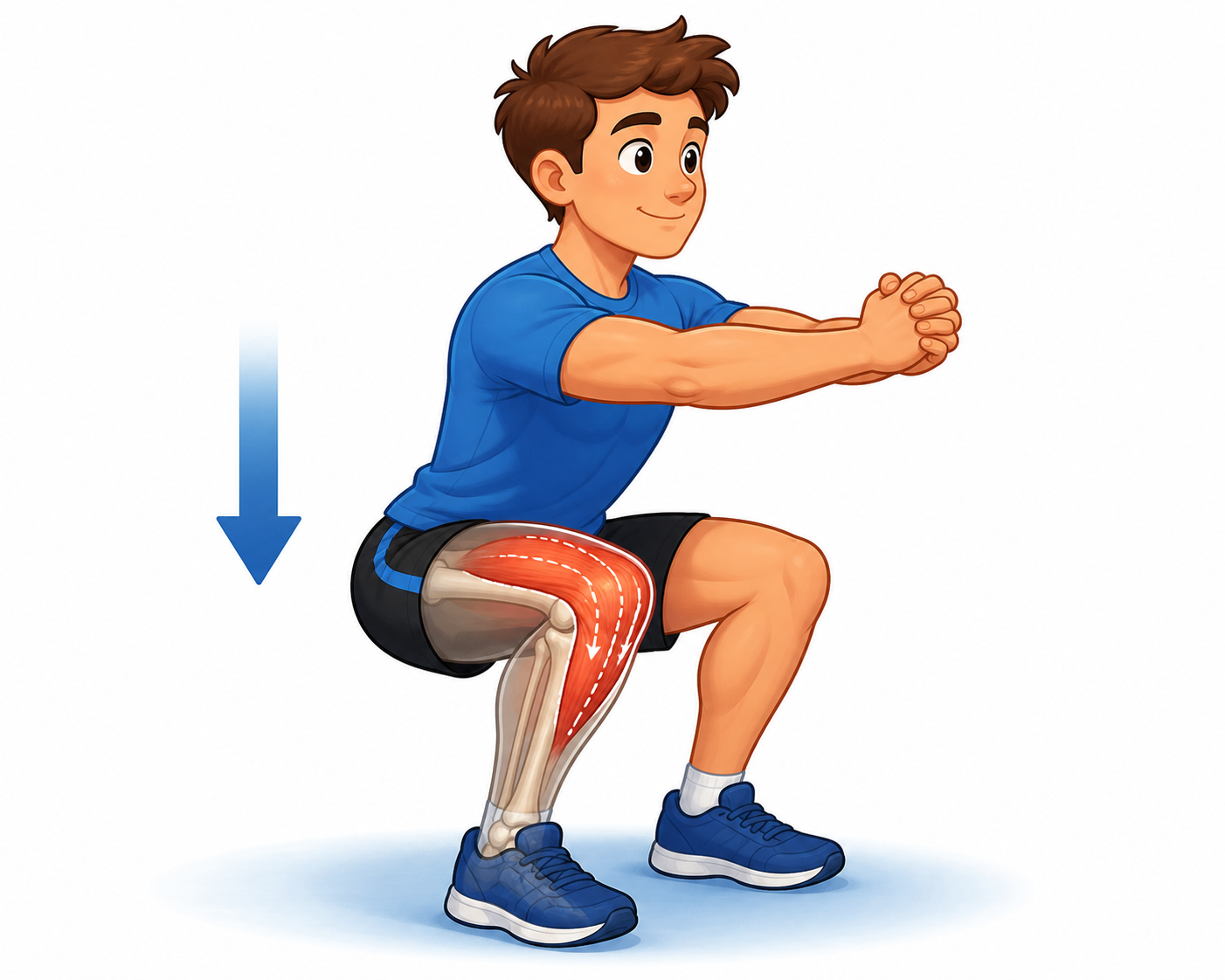
A 2013 study in the European Journal of Preventive Cardiology found that older adults who practiced Tai Chi regularly had significantly greater eccentric muscle strength in their knees compared to healthy control subjects who did not practice Tai Chi.
Interestingly, this same study found that the Tai Chi practitioners also had better arterial compliance (the ability of blood vessels to expand and contract). Often, heavy weightlifting can temporarily stiffen arteries, but Tai Chi improved both muscle strength and cardiovascular health simultaneously.
Who Benefits Most From Tai Chi?
While anyone can practice Tai Chi, the research highlights specific populations that see the most dramatic benefits.
People who benefit most:
- Older adults at risk of falling: The evidence is exceptionally strong that Tai Chi improves balance and prevents falls in community-dwelling seniors.
- Patients with Parkinson’s disease: Tai Chi improves stride length, postural stability, and motor control.
- People with knee osteoarthritis: The slow, controlled movements build supporting leg muscles without joint impact.
- Those with chronic pain: The mindful breathing combined with movement helps manage conditions like fibromyalgia and chronic lower back pain.
Populations who may need different approaches:
- People seeking significant muscle mass: If your goal is to build large, visible muscles (hypertrophy), traditional weightlifting is required. Tai Chi builds functional strength, not bulk.
- Women seeking early menopause bone density protection: A 2025 study in the journal Bone looked at exercise during peri-menopause and early post-menopause. The researchers found that strength training (lifting weights) improved bone mineral density, but Tai Chi did not show the same bone-building effects during this specific hormonal transition window. Heavy resistance training remains the gold standard for building bone density.
Related: The Science of Weight Training for Beginners: What Actually Works
Practical Guidance: How to Start
If you want to try Tai Chi for muscle strength and balance, the way you practice matters.
Research suggests that personalized instruction might be better than following a rigid traditional routine. A 2019 study in BMC Geriatrics compared an “Individualized Tai Chi” program to a “Traditional Tai Chi” program in older adults.
The traditional group learned a classic 24-form routine. The individualized group only practiced 3 to 5 specific moves that were tailored to their personal balance abilities. After 8 weeks, the individualized group showed significant improvements in all 16 major lower-limb muscle groups. The traditional group only improved in a few areas. The researchers concluded that mastering a few moves at the right difficulty level is better than struggling through a long, complex routine.
To get the most out of Tai Chi:
- Practice consistently: Most clinical trials require participants to practice 2 to 3 times a week for at least 12 weeks to see results.
- Adjust your stance: If you want to build more leg strength, ask your instructor how to safely lower your stance. Bending your knees deeper increases the workload on your muscles.
- Focus on the weight shift: Pay close attention to how your weight transfers from your heel to your toe. This mindful weight shifting is what trains your brain to prevent falls.
Common Questions About Tai Chi and Muscle Health
Can Tai Chi replace weightlifting?
It depends on your goals. If your goal is to prevent falls, improve functional mobility, and relieve joint pain, Tai Chi is an excellent choice and can be your primary exercise. If your goal is to increase raw muscle mass or significantly increase bone density, traditional resistance training with weights is more effective.
How long does it take to see results?
Most scientific studies measure results after 12 to 24 weeks of consistent practice (usually two or three times a week). However, some studies show improvements in balance and well-being in as little as 8 weeks.
Do I need special equipment?
No. Tai Chi requires no special equipment, making it highly accessible. You only need comfortable clothing and flat shoes that provide good support.
The Bottom Line
Tai Chi is much more than a relaxing morning routine. It is a scientifically validated method for improving functional muscle strength, enhancing balance, and reducing the risk of falls.
While it will not give you the raw muscle mass of a weightlifter, it trains your brain and muscles to work together in harmony. By using slow, eccentric muscle contractions and constant weight shifting, Tai Chi builds the kind of real-world strength that keeps people independent, mobile, and pain-free as they age.
For people dealing with osteoarthritis, Parkinson’s disease, or a general fear of falling, the research shows that Tai Chi is one of the most effective, low-risk exercises available.
Quick Reference: Key Studies
| Study Focus | Key Finding | Source |
|---|---|---|
| Parkinson’s Disease | Tai Chi outperformed resistance training and stretching for balance and fall reduction. | PMID 22316445 |
| Fall Prevention | Tai Chi and balance exercises reduce the rate of falls by up to 24% in older adults. | PMID 30703272 |
| Sarcopenia | Tai Chi and Baduanjin significantly improve grip strength and gait speed in patients with muscle loss. | PMID 40969638 |
| Muscle Strength | Tai Chi improves eccentric knee strength and arterial compliance compared to healthy controls. | PMID 22492864 |
| Individualized Training | Personalized Tai Chi routines improve lower-limb muscle strength better than complex traditional routines. | PMID 31455225 |
| Chronic Pain | Tai Chi is an effective intervention for osteoarthritis, fibromyalgia, and chronic low back pain. | PMID 22609642 |
Last updated: September 2026
This article synthesizes findings from peer-reviewed research. It is for educational purposes only and does not constitute medical advice. Consult a healthcare provider before starting any new regimen.
Leave a Reply