
If you have ever drifted off on a massage table, you already know that physical touch can be deeply relaxing. But when you are struggling with chronic insomnia, recovering from an illness, or trying to get a newborn to sleep through the night, you might wonder if massage is just a temporary luxury or a legitimate biological tool for better sleep.
Does massage actually improve sleep? The short answer is yes. A large body of scientific research shows that massage therapy can improve both how quickly you fall asleep and how well you stay asleep. However, the benefits depend heavily on who is receiving the massage, the type of massage used, and whether sleep is measured by how someone feels or by objective brain activity.
This article breaks down what the latest peer-reviewed research says about massage and sleep, how it changes your brain waves, and how to use it effectively.
What the Research Shows About Massage and Sleep
Scientists have studied the effects of massage on sleep across many different groups of people. By looking at these specific populations, we can see exactly how and when massage is most effective.
Infants and Their Parents
Getting an infant to sleep is a universal challenge for new parents. Research shows that adding a brief massage to a baby’s bedtime routine can make a measurable difference.
A 2023 randomized controlled trial in the Journal of Neonatal-Perinatal Medicine studied 140 infants. Half of the infants received a 15-minute bedtime massage for two weeks, while the other half received standard care. The massaged infants fell asleep faster, had fewer night awakenings, and experienced longer continuous sleep periods. Interestingly, the mothers of the massaged infants also saw an increase in their own nighttime sleep duration.
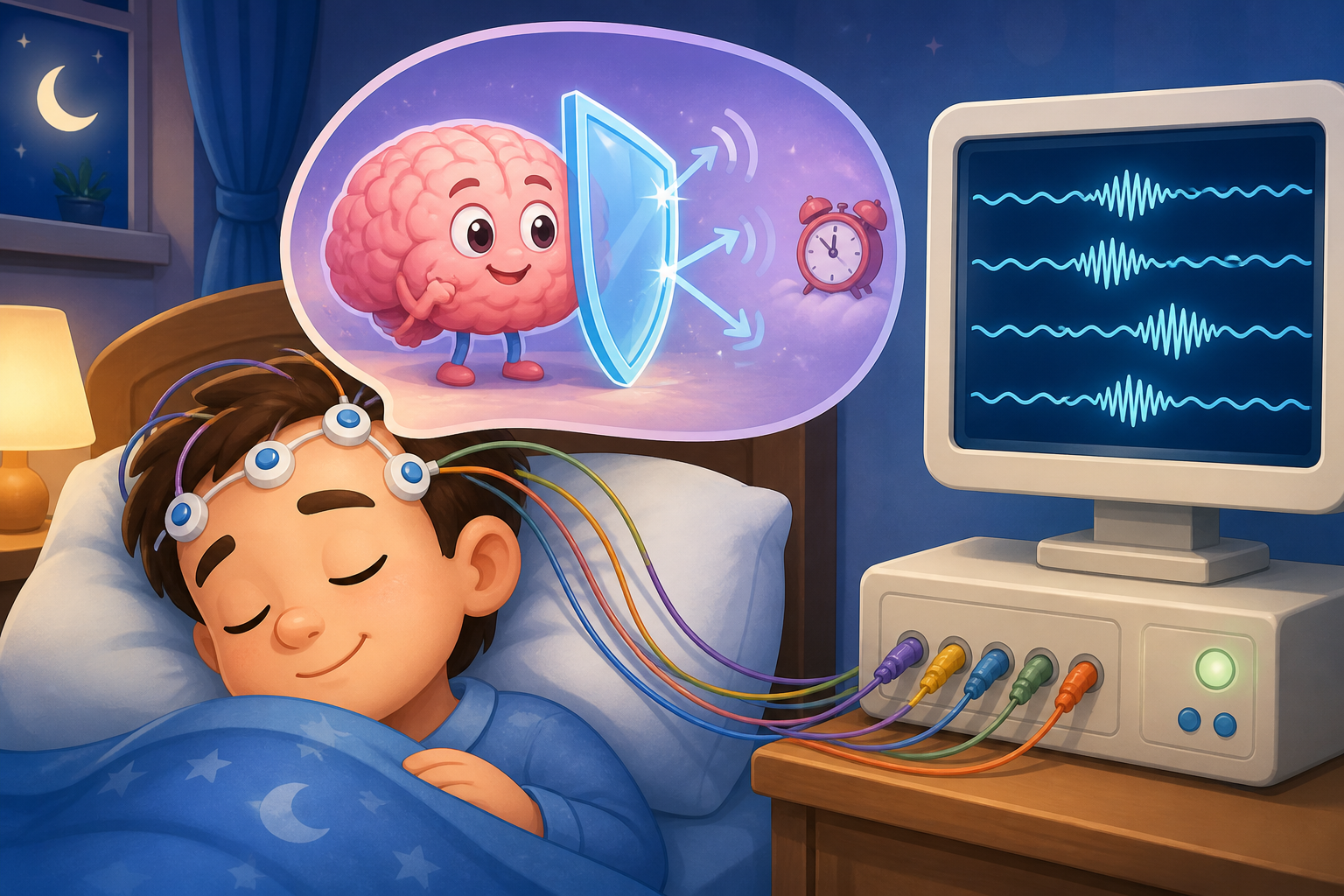
But what is actually happening in the baby’s brain? A 2023 study in Developmental Medicine and Child Neurology looked at the brain waves of four-month-old infants using an Electroencephalogram (ee-LEK-tro-en-SEF-uh-loh-gram), which is a test that detects electrical activity in the brain. The researchers found that infants who received routine parent-led massages had distinct changes in their brain activity, including higher power in their sleep spindles. Sleep spindles are brief bursts of brain activity that help the brain block out external noises and stay asleep.
Furthermore, a 2018 review in Sleep Medicine Reviews highlighted that consistent bedtime routines involving physical contact, like cuddling or massage, help condition young children to prepare for sleep, leading to reduced bedtime resistance.
Postpartum and Menopausal Women
Hormonal shifts during the postpartum period and menopause are notorious for disrupting sleep. Non-pharmacological treatments are often preferred during these times to avoid medication side effects.
A 2025 network meta-analysis in the Journal of Clinical Sleep Medicine evaluated 19 trials involving over 1,800 postpartum women. The researchers found that physical touch interventions were highly effective in the first three months after birth. Foot reflexology and general massage showed some of the largest positive effects on maternal sleep quality compared to standard care.
Similarly, a 2023 systematic review in BMC Women’s Health examined therapies for women going through menopause. The review found that aromatherapy massage and therapeutic massage had a significant impact on decreasing both insomnia and depressive symptoms in menopausal and post-menopausal women.
Hospital and Intensive Care Patients
The Intensive Care Unit (ICU) is a terrible environment for sleep. Bright lights, constant alarms, and frequent medical checks severely disrupt the sleep cycle, which can lead to longer recovery times and a state of confusion known as delirium.
Several studies have tested whether simple massages can override this stressful environment. A 2019 study in Nursing in Critical Care provided 30 ICU patients with a 10-minute back massage for three consecutive days. The researchers measured sleep both by asking the patients how they felt and by using Actigraphy (ak-TIG-ruh-fee), which involves tracking sleep using a wearable movement sensor. The back massages improved patients’ breathing patterns, reduced anxiety, and significantly increased both subjective and objective sleep duration.
Broader reviews support these findings. A 2023 meta-analysis in Australian Critical Care looking at 118 studies confirmed that non-pharmacological interventions, including massage, effectively improved sleep and reduced the incidence of delirium in critically ill patients. Another 2021 review in Intensive & Critical Care Nursing echoed that massage, along with environmental changes like earplugs and eye masks, positively influences sleep quality in the ICU.
Cancer Survivors and Chronic Pain
Fatigue, pain, and insomnia are incredibly common during and after cancer treatment.
The IMPACT trial, a major 2023 study published in JAMA Network Open, compared acupuncture and massage for 298 patients with advanced cancer. Both therapies were associated with long-term reductions in pain, fatigue, and insomnia over 26 weeks, with no significant difference between the two treatments. More than half of the patients experienced a clinically meaningful response.
A 2021 systematic review in the Journal of Cancer Survivorship also found that massage therapy improved self-reported sleep questionnaires and objectively recorded long sleep episodes for cancer survivors. However, a 2024 review in Maturitas noted that while massage is highly recommended for cancer-related fatigue, the evidence specifically for sleep disturbances remains somewhat mixed, meaning it works very well for some patients but less reliably for others.
Massage is also a staple for chronic pain conditions. A 2016 review in Current Pain and Headache Reports explored treatments for fibromyalgia, a condition characterized by widespread pain and severe sleep disruption. The review noted that massage therapy lasting longer than five weeks produced significant improvements in pain, anxiety, and sleep. Myofascial release techniques were found to be the most beneficial, while standard Swedish massage showed limited results for this specific condition.
How Massage Affects the Brain and Body
Why does rubbing muscles make us fall asleep? The science points to a few specific biological mechanisms.
1. Shifting the Autonomic Nervous System
The Autonomic nervous system (AW-toh-NOM-ik) controls your automatic body functions. It has two main modes: the sympathetic nervous system (fight or flight) and the parasympathetic nervous system (rest and digest). Stress, pain, and hospital environments trap the body in fight-or-flight mode. Massage stimulates pressure receptors under the skin, which sends signals to the brain to activate the parasympathetic nervous system. This lowers heart rate, slows breathing, and prepares the body for sleep.
Related: How the Relaxation Response Actually Affects Your Brain and Body
2. Altering Brain Waves
As shown in the infant EEG study mentioned earlier, massage actually changes the electrical activity in the brain. By increasing the power of sleep spindles, massage helps the brain build a stronger barrier against waking up from sudden noises or movements.
3. Calming Central Sensitization
In chronic pain conditions like fibromyalgia, patients suffer from Central sensitization (SEN-sih-tih-ZAY-shun). This occurs when the nervous system stays in a state of high alert and overreacts to pain signals. Gentle, sustained massage techniques can help calm these overactive neural pathways, reducing the pain signals that keep people awake at night.
Where The Science Is Still Uncertain
While the research is overwhelmingly positive, there is a notable gap in the science regarding how sleep is measured.

In many studies, patients report feeling like they slept much better after a massage. However, when researchers use objective tracking devices to measure total minutes slept, the results are sometimes less impressive. For example, a 2022 Cochrane review in hospitalized children found that while 87 percent of patients felt they slept better following a massage, objective measures of their total sleep time and sleep efficiency showed no clear difference compared to standard care.
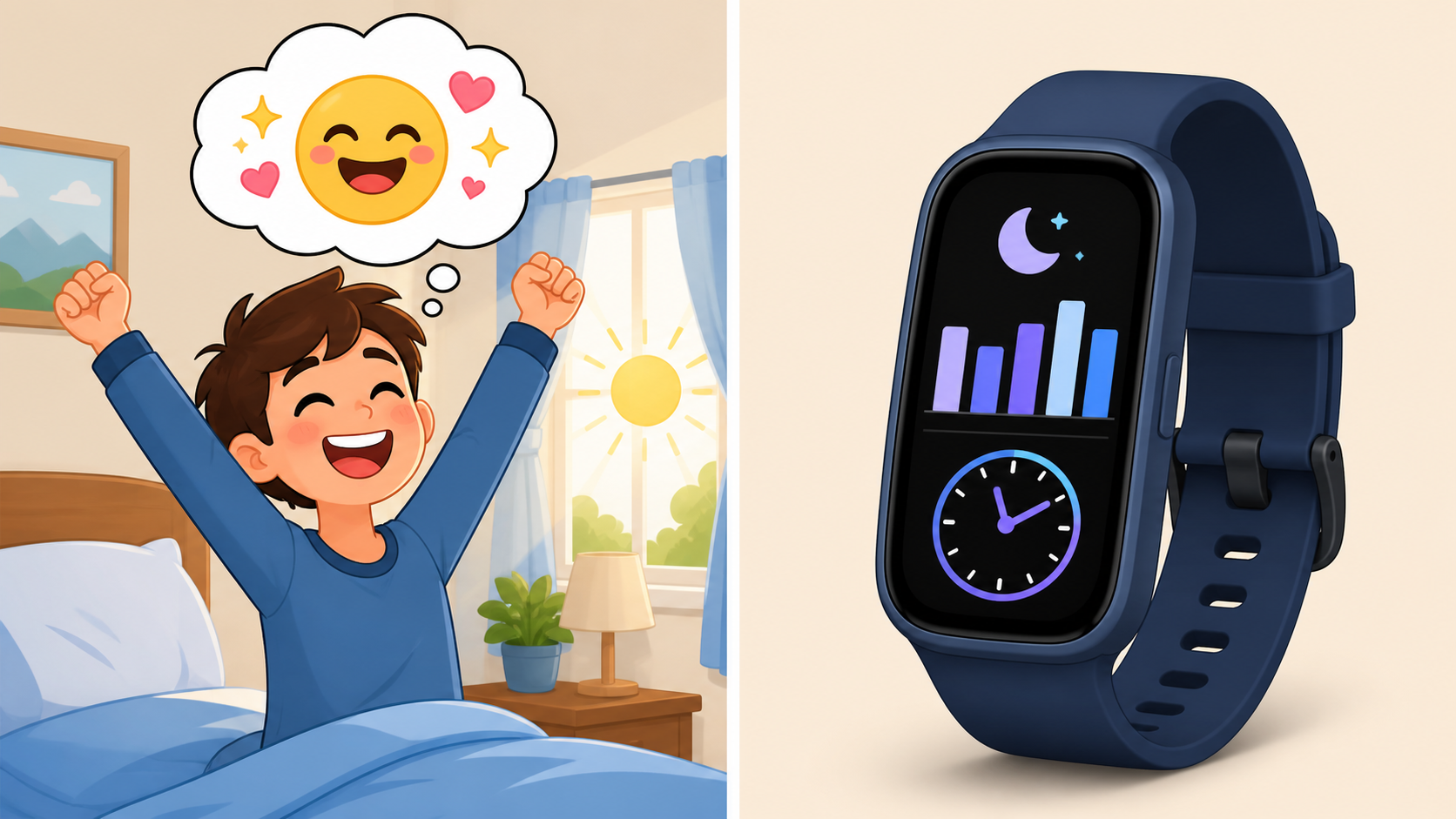
This suggests that massage may improve the feeling of restfulness and relaxation without necessarily increasing the absolute number of minutes spent unconscious.
Practical Guidance: How to Use Massage for Sleep
If you want to try using massage to improve your sleep or your child’s sleep, the research offers a few practical guidelines:
- Keep it brief but consistent: You do not need a 60-minute professional session to see benefits. Studies in ICUs and infant nurseries show that just 10 to 15 minutes of massage before bed is enough to trigger a relaxation response.
- Focus on the back or feet: Back massages and foot reflexology are the most commonly studied and effective methods for sleep promotion in clinical trials.
- Consider Aromatherapy: Adding a calming scent may boost the effects. A 2021 meta-analysis in Complementary Therapies in Medicine analyzing 30 studies found that aroma massage therapy (often using lavender) had a massive effect size on improving sleep quality in adults and the elderly.
- Make it part of a routine: For infants and young children, the predictability of a bedtime routine is just as important as the massage itself.
The Bottom Line
Massage is a safe, low-cost, and non-pharmacological tool that can significantly improve sleep quality. The evidence is strongest for infants, postpartum women, and patients in highly stressful environments like the ICU.
While wearable trackers might not always show a dramatic increase in total sleep minutes, the subjective benefits are clear. People who receive bedtime massages consistently report falling asleep faster, waking up less frequently, and feeling more rested the next day.
*
Quick Reference: Key Studies
| Study Focus | Key Finding | Source |
|---|---|---|
| Infant Sleep & Brain Waves | 4-month-old infants receiving parent-led massage showed increased sleep spindle power on EEGs. | PMID 36917624 |
| Bedtime Infant Massage | 15-minute bedtime massage for 2 weeks improved infant sleep latency and mother’s sleep duration. | PMID 37248915 |
| Postpartum Sleep | Foot reflexology and massage were highly effective at improving sleep in the first 3 months postpartum. | PMID 40745901 |
| Menopausal Sleep | Aromatherapy massage significantly decreased insomnia and depression in menopausal women. | PMID 37422660 |
| ICU Patient Sleep | 10-minute back massages for 3 days improved subjective and objective sleep quality in ICU patients. | PMID 30942526 |
| Advanced Cancer Pain/Sleep | Massage and acupuncture both provided long-term reduction in insomnia and pain over 26 weeks. | PMID 37962891 |
| Aromatherapy Meta-Analysis | Aroma massage therapy had a very high effect size for improving sleep in adults and the elderly. | PMID 34166869 |
*
Last updated: September 2026
This article synthesizes findings from peer-reviewed research. It is for educational purposes only and does not constitute medical advice. Consult a healthcare provider before starting any new regimen.


Leave a Reply