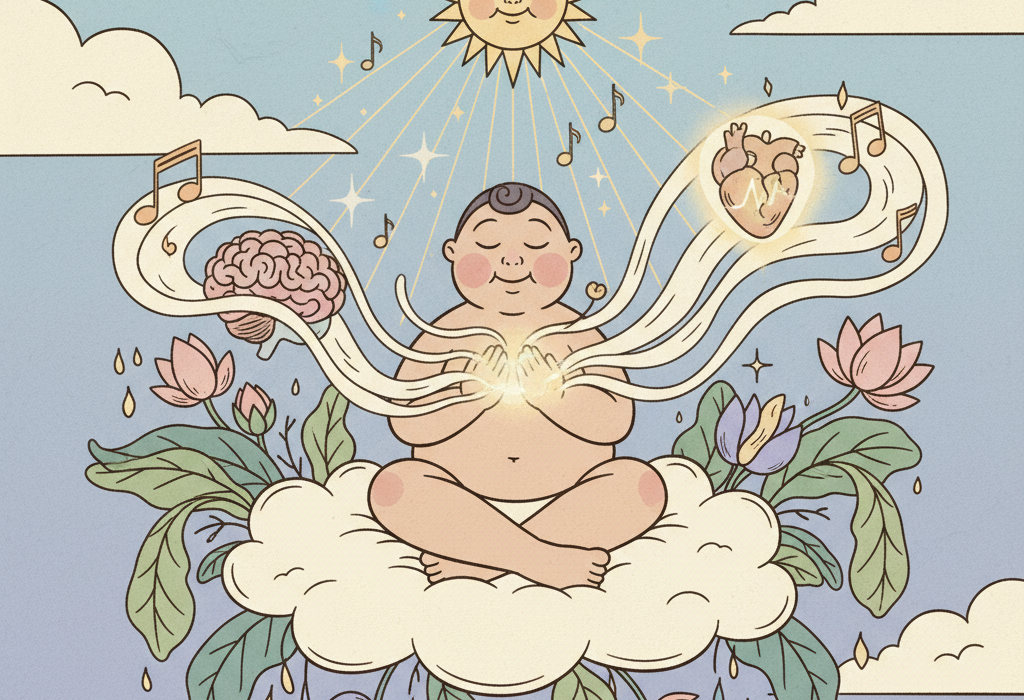
When you encounter a stressful situation, your body reacts instantly. Your heart races, your breathing quickens, and your muscles tense up. This is the well-known “fight or flight” response. But your body also has a built-in mechanism to do the exact opposite.
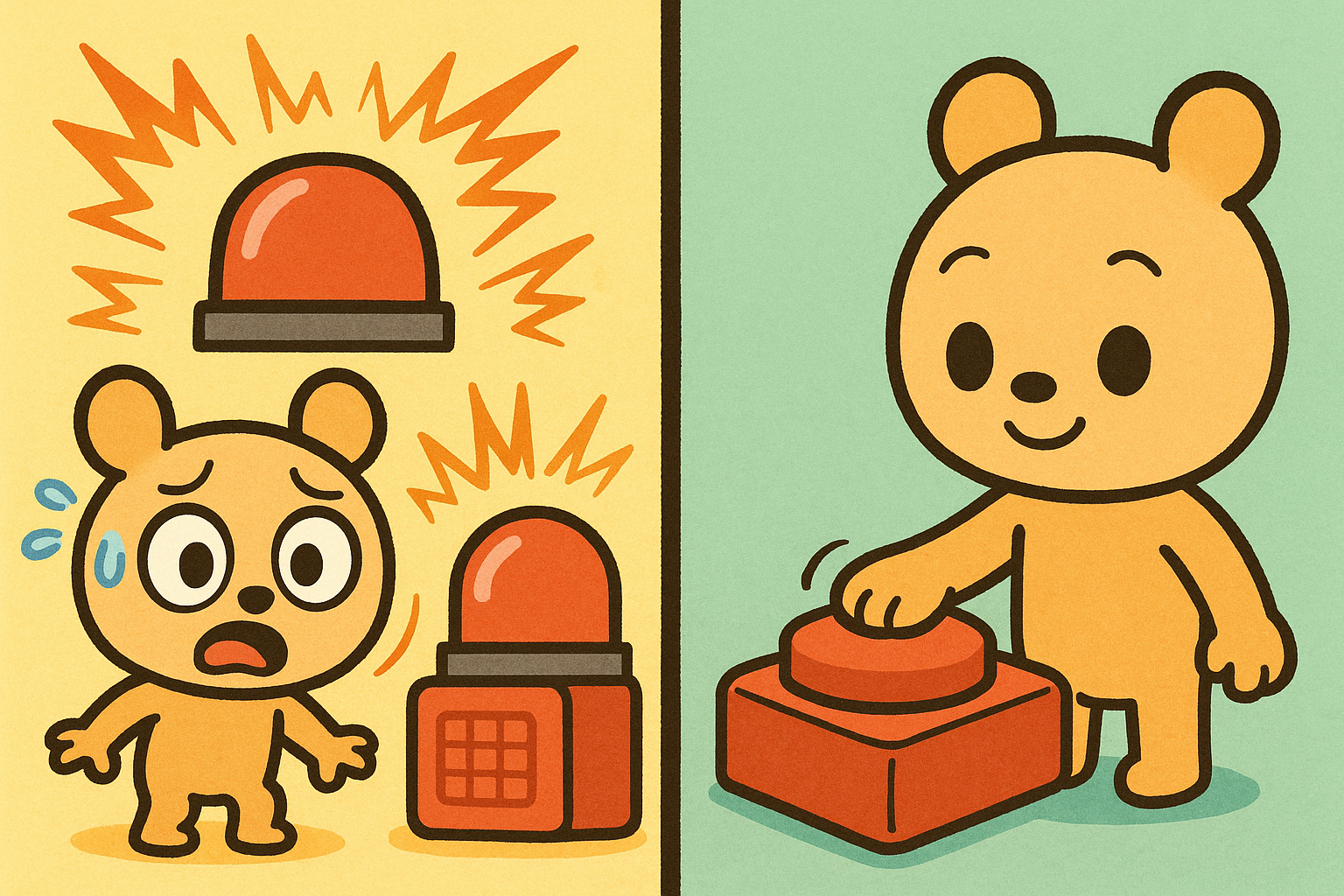
In the 1970s, researchers coined the term “Relaxation Response” to describe the physical state of deep rest that changes how your body responds to stress. While the fight-or-flight response is like a car alarm going off, the relaxation response is the button that turns it off.
But does sitting quietly and focusing your mind actually do anything measurable to your body?
The short answer is yes. Decades of peer-reviewed research show that eliciting the relaxation response through meditation, deep breathing, or yoga can lower blood pressure, alter brain waves, and even influence how your immune system functions.
Here is a look at what the latest science actually says about how the relaxation response affects your brain and body.
How This Might Work: Brain Waves and Body Chemistry
To understand how taking a few minutes to breathe deeply can change your health, we have to look at what happens inside your cells and nervous system.
The Hypometabolic State
When you engage in relaxation practices, your body enters a state of hypometabolism (hi-po-meh-TAB-uh-liz-um). This simply means your body requires less energy. A 1992 review in Neuroscience and Biobehavioral Reviews found that during meditation, the body’s oxygen consumption drops significantly. Your heart pumps more efficiently, and blood flow is redirected to the brain rather than the muscles.
Brain Wave Alterations
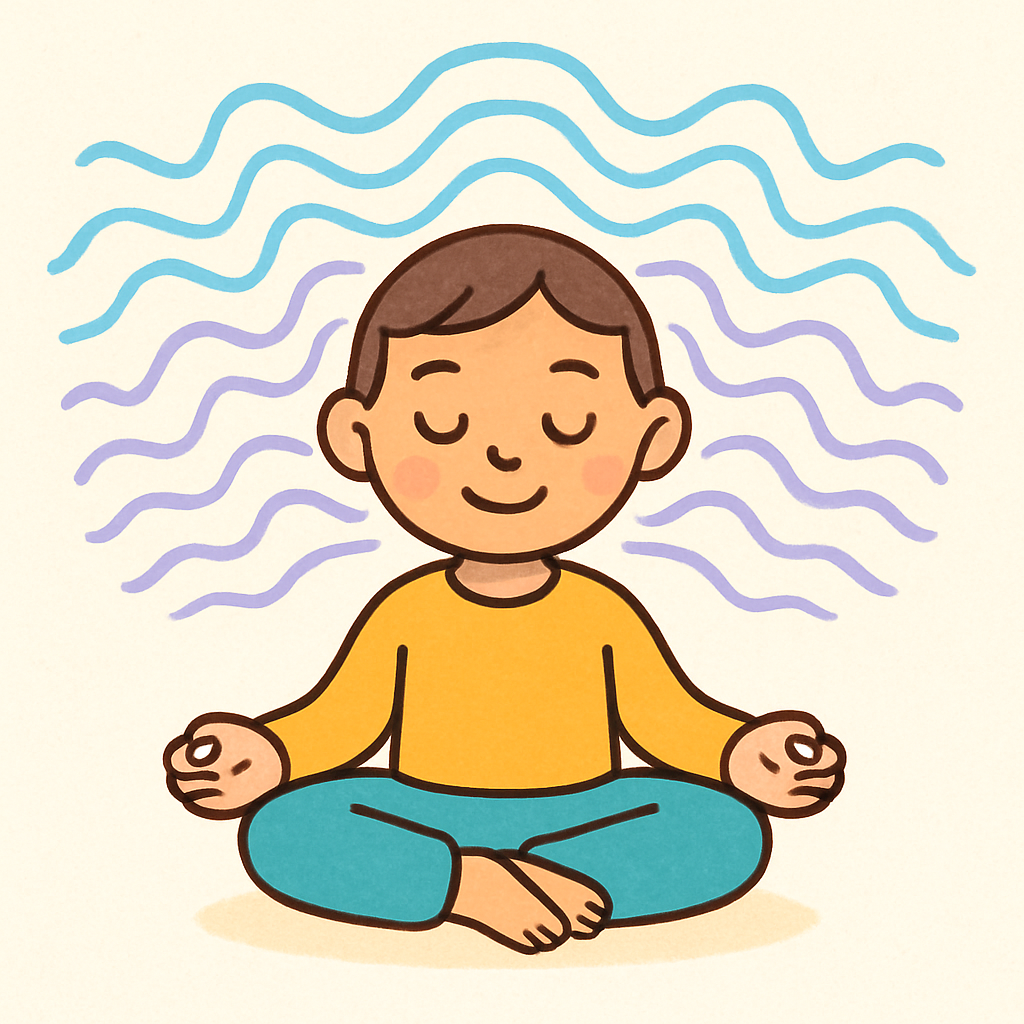
Using an electroencephalogram (ee-LEK-tro-en-SEF-uh-lo-gram), or EEG, scientists can measure electrical activity in the brain. A 1980 review in Psychological Medicine noted that during meditation, the brain produces more alpha and theta waves. These waves are associated with a state of calm alertness. As meditation deepens, different areas of the brain begin to synchronize their electrical activity, creating a highly organized brain state that is distinct from simply feeling drowsy.
The Immune and Nervous System Link
The connection between your thoughts and your physical health is studied in a field called psychoneuroimmunology (sy-ko-noo-ro-im-yoo-NOL-uh-gee). A 2022 review in Annals of Neurosciences explains that the prefrontal cortex of the brain acts as a command center during meditation. When activated by the relaxation response, it signals the body to decrease the production of stress hormones like cortisol.
Related: What Blood Tests for Inflammation Actually Tell Us About Your Health
At the same time, relaxation practices can increase levels of Brain-Derived Neurotrophic Factor (BDNF), a protein that helps grow and protect brain cells. A 2021 study in Frontiers in Psychiatry found that stressed volunteers who practiced the relaxation response for two months had increased levels of BDNF in their saliva and tears, alongside decreased perceived stress.
Related: Understanding Brain Fog and Age-Related Cognitive Decline
What the Research Shows
Scientists have tested the relaxation response on various physical and mental health conditions. Here is what the evidence reveals.
Blood Pressure and Heart Health
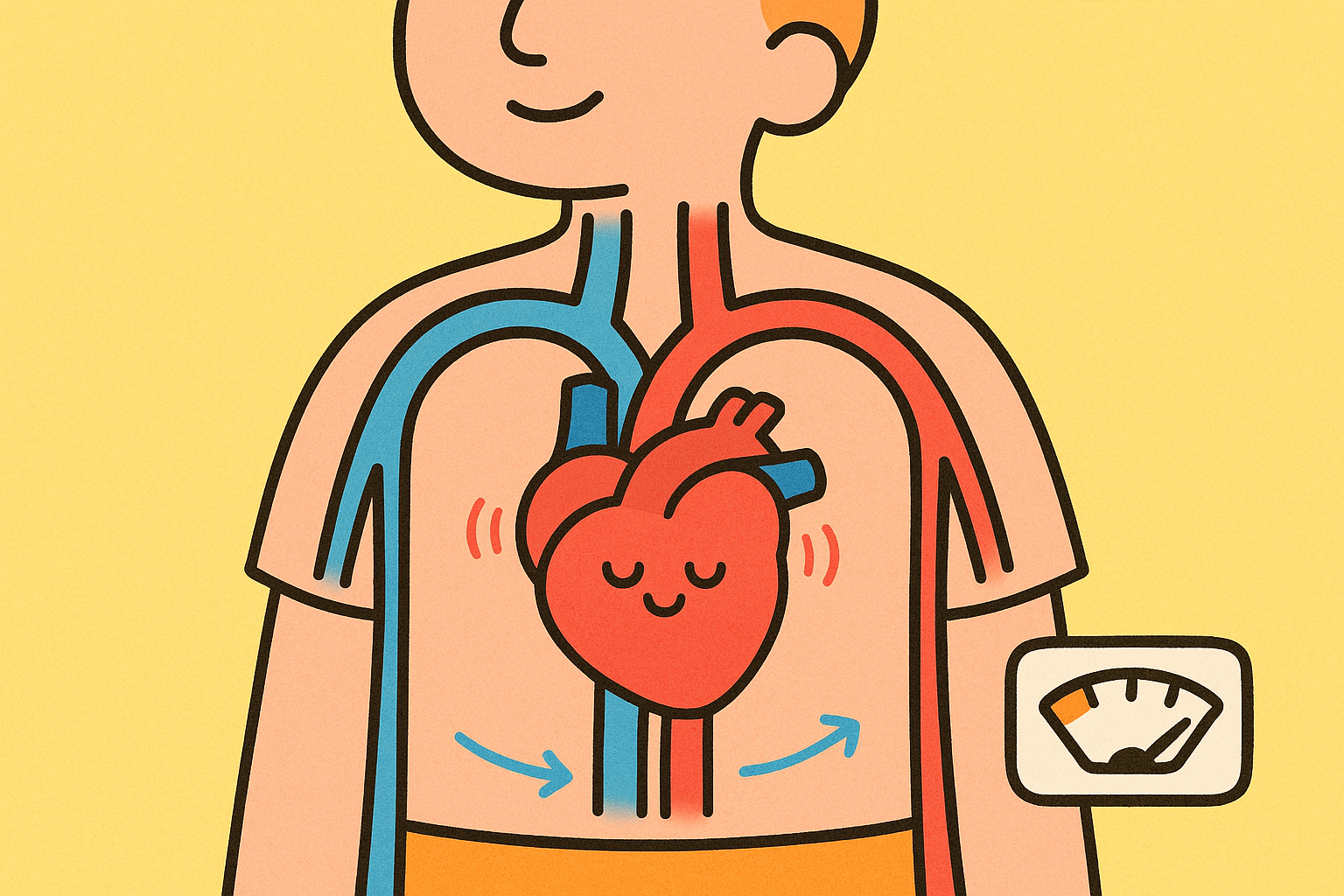
One of the most well-documented effects of the relaxation response is its ability to lower blood pressure. A 2017 meta-analysis in the Journal of Alternative and Complementary Medicine looked at 13 randomized controlled trials involving 753 participants. The researchers found that both meditation and yoga systematically decreased systolic and diastolic blood pressure.
Interestingly, the benefits varied slightly by age. Meditation appeared particularly effective at lowering blood pressure for individuals over the age of 60, while yoga showed strong benefits for those under 60.
Digestive Health
Stress is a known trigger for digestive issues, particularly Irritable Bowel Syndrome (IBS). Because the gut and brain are closely connected, calming the nervous system can soothe the digestive tract.
Related: How the Gut-Brain Connection Actually Works: What the Latest Science Says
A 2001 study in Behaviour Research and Therapy tested the relaxation response on patients with IBS. Participants practiced the technique twice a day for 15 minutes. After six weeks, the meditating group saw significant improvements in symptoms like bloating, belching, and diarrhea compared to a control group. These benefits were largely maintained at a three-month follow-up.
Respiratory Health
For people with Chronic Obstructive Pulmonary Disease (COPD), the physical sensation of breathlessness often triggers severe anxiety, which in turn makes breathing even harder.
A 2021 study in Applied Nursing Research investigated whether the relaxation response could help break this cycle. Patients who practiced the technique experienced a significant decrease in their perception of breathlessness, a reduction in anxiety, and a lower overall respiratory rate.
Mental Health and Trauma
Relaxation and meditation techniques are frequently used as add-on therapies for mental health conditions.
A 2023 review in the European Journal of Psychotraumatology examined complementary interventions for Post-Traumatic Stress Disorder (PTSD). The researchers noted that techniques focusing on arousal reduction, such as silent mantra repetition, successfully lowered hyperarousal symptoms in veterans.
However, it is important to note that different techniques may yield different results depending on the condition. For example, a 2019 clinical trial compared the relaxation response to Kundalini Yoga for adults with Obsessive-Compulsive Disorder (OCD). While both groups improved, the yoga group showed a 40.4% improvement in symptoms compared to a 17.9% improvement in the relaxation response group, suggesting that movement-based therapies might offer specific benefits for certain conditions.
How This Compares To Alternatives
While the terms “relaxation response” and “mindfulness” are often used interchangeably, they are actually different practices that affect the brain in different ways.
- The Relaxation Response involves a deliberate effort to relax the body, often by repeating a word or phrase and actively releasing muscle tension.
- Mindfulness-Based Stress Reduction (MBSR) involves paying attention to the present moment without judging it, rather than actively trying to force the body to relax.
A 2018 study in Psychosomatic Medicine scanned the brains of participants practicing both techniques. They found that while both practices activated areas of the brain associated with self-awareness, they also had distinct differences. The relaxation response activated a brain region involved in effortful control (the right inferior frontal gyrus), reflecting the active intention to relax. Mindfulness activated a region involved in sensory awareness (the anterior insula), reflecting the practice of simply observing physical sensations.
Both methods reduce stress, but they use different neural pathways to get there.
Who Benefits Or Needs Caution
Research suggests that almost anyone can learn these techniques, but certain groups have been studied closely.
The Elderly: A 2005 review in Geriatric Nursing confirmed that elderly individuals, including those in nursing homes and those with mild dementia, can successfully learn and benefit from relaxation strategies. The practices were shown to reduce anxiety and feelings of social isolation.
Caregivers and Healthcare Workers: Nursing is a high-stress profession prone to burnout. A 2017 study in the Journal of Holistic Nursing taught the relaxation response to cardiac nurses. While the study did not find a massive drop in the nurses’ own reported stress levels during the short trial, it did find a highly significant increase in their confidence to teach these coping skills to their patients.
Common Questions About The Relaxation Response
Is the relaxation response just the same as taking a nap?
No. While both are restful, they are biologically different. A 1980 review in Psychological Medicine noted that brain wave patterns during meditation are distinct from those seen in light sleep or drowsiness. Meditators maintain a state of wakeful awareness that does not occur during sleep.
Will meditating right before a physical task improve my performance?
Not necessarily. A 1986 study in Perceptual and Motor Skills tested whether relaxing or meditating immediately before fine motor tasks (like tracking a moving object) or gross motor tasks (like riding a stationary bike) improved performance. The researchers found no significant performance differences between those who relaxed beforehand and those who did not.
Does the relaxation response change my DNA or aging process?
There is emerging evidence that it might influence cellular aging. A 2021 study in the Journal of Traditional and Complementary Medicine found that practicing the relaxation response increased the activity of telomerase, an enzyme that protects the ends of your chromosomes from degrading as you age.
The Bottom Line
The relaxation response is a measurable, biological state of rest that acts as the counterpart to the body’s stress response. Research consistently shows that eliciting this state through meditation, deep breathing, or yoga can lower blood pressure, improve digestive symptoms, and reduce anxiety.
While it is not a cure-all or a replacement for standard medical treatments, the evidence indicates that it is a safe and effective tool for managing the physical wear and tear of chronic stress.
Quick Reference: Key Studies
| Study Focus | Key Finding | Source |
|---|---|---|
| Blood Pressure | Meta-analysis showed meditation and yoga significantly decrease systolic and diastolic blood pressure. | PMID 28384004 |
| Irritable Bowel Syndrome | Relaxation response practice improved symptoms of bloating, belching, and diarrhea. | PMID 11419611 |
| COPD Symptoms | Relaxation techniques decreased breathlessness, anxiety, and respiratory rate in patients with COPD. | PMID 32893088 |
| Brain Activity | Relaxation and mindfulness activate different brain regions, despite both reducing stress. | PMID 29642115 |
| Cellular Aging | Relaxation practice was linked to increased telomerase activity, which protects DNA. | PMID 34522635 |
| OCD Treatment | Kundalini yoga showed greater symptom improvement than the relaxation response for OCD patients. | PMID 31780963 |
Last updated: April 2026
This article synthesizes findings from peer-reviewed research. It is for educational purposes only and does not constitute medical advice. Consult a healthcare provider before starting any new regimen.

Leave a Reply