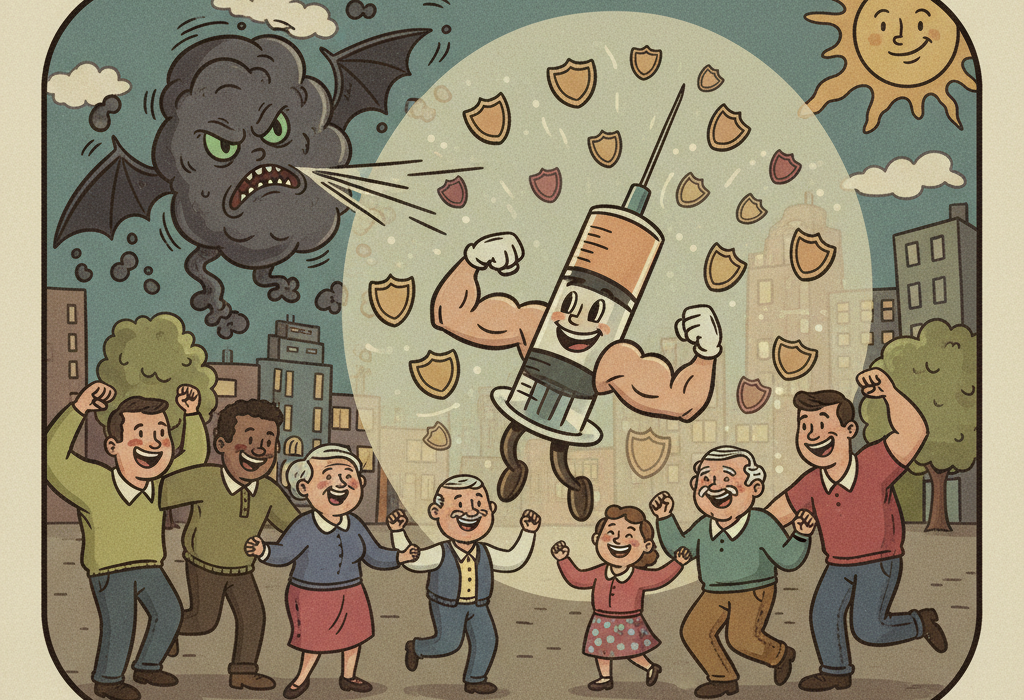
Every autumn, posters appear in pharmacies and clinics reminding us to get our annual flu shot. For many, it feels like a routine chore. Some people skip it because they feel healthy. Others skip it because they remember getting the shot one year and still catching the flu a few months later.
This creates a common misunderstanding about what the flu vaccine actually does. People often view vaccines like an invisible force field. They assume that if the virus gets through, the vaccine failed.
Science offers a different perspective. A better analogy for the flu vaccine is a car seatbelt. A seatbelt does not prevent you from getting into a car accident. However, if an accident happens, the seatbelt keeps you from going through the windshield.
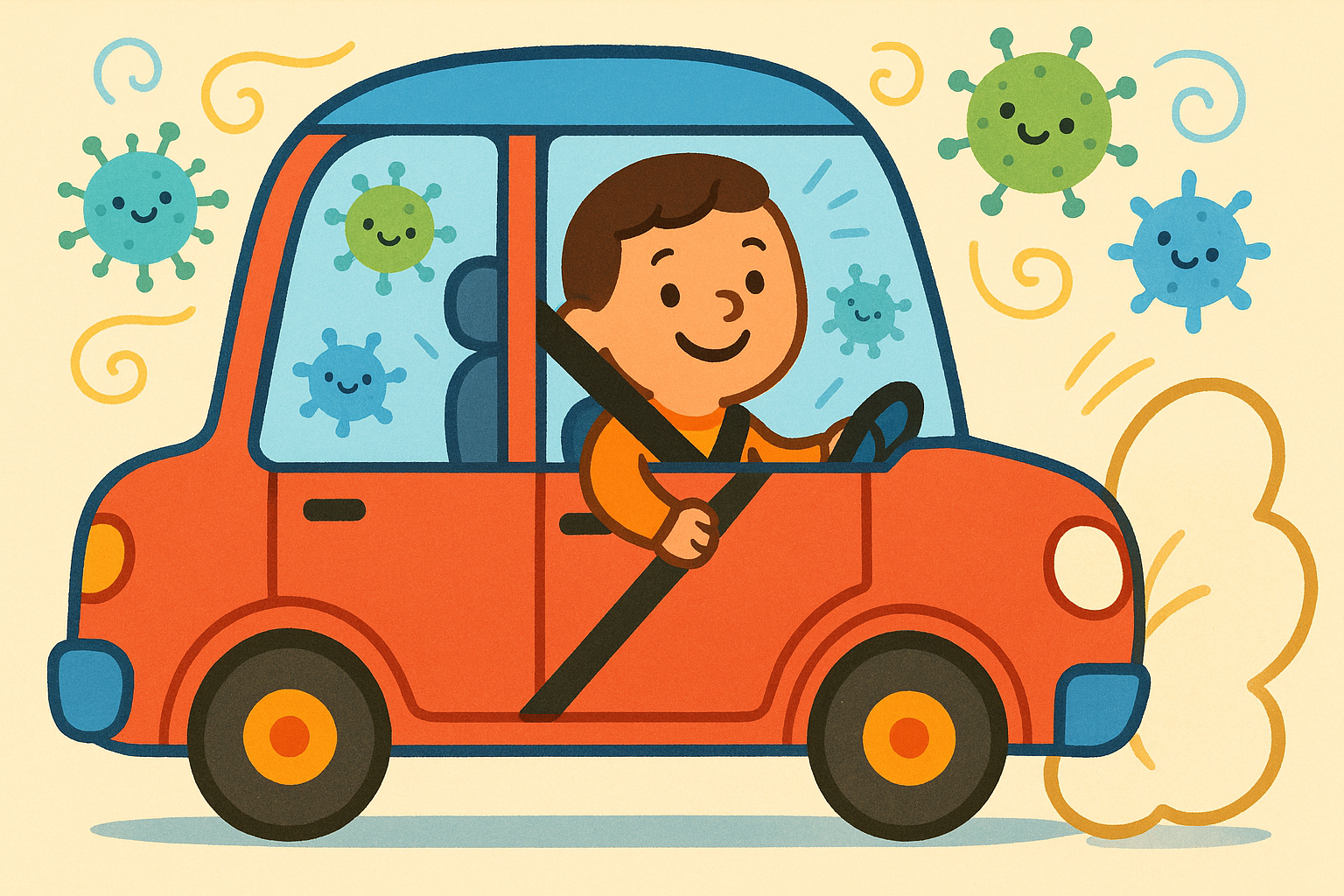
Similarly, the latest research shows that the primary benefit of the flu vaccine is not always stopping the infection entirely. Instead, its greatest strength lies in reducing the severity of the illness, keeping people out of the hospital, and protecting the heart.
What the Research Shows About Infection and Illness
To understand how the flu vaccine works, we have to look at how scientists measure its success. Researchers look at two main factors. The first is infection rates (who catches the virus). The second is morbidity (mor-BID-ih-tee), which refers to the rate of severe disease or complications in a population.
A 2025 review in the European Respiratory Review analyzed data from over 6.5 million patients. The researchers found a fascinating pattern. Even in years when the vaccine was not perfectly matched to stop the spread of the virus, it remained highly effective at reducing influenza-related complications, hospitalizations, and deaths across all age groups.
This means that even if a vaccinated person catches the flu, their body has a head start. The immune system recognizes the virus and fights it off much faster than it would have otherwise.
The Ripple Effect of Vaccination
Vaccination does not just protect the person who receives the shot. It also creates a shield for the community.
A 2025 study in JAMA Network Open used complex computer models to track how the flu spreads. The researchers found that vaccination provides both direct benefits to the person getting the shot and indirect benefits to unvaccinated people around them. By reducing the total number of infections, vaccinated individuals break the chain of transmission.

The study noted that while unvaccinated people do get some indirect protection from their vaccinated peers, the direct benefit to the vaccinated person is always significantly greater.
The Surprising Link Between the Flu and Heart Health
One of the most interesting discoveries in recent years is how the flu affects the cardiovascular system. The flu is not just a respiratory illness. It is a full-body stressor. When the immune system fights the flu virus, it triggers widespread inflammation.
Related: What Blood Tests for Inflammation Actually Tell Us About Your Health
This sudden spike in inflammation can put immense strain on the heart and blood vessels. For people who already have plaque buildup in their arteries, this inflammation can cause the plaque to rupture, leading to a heart attack or stroke.
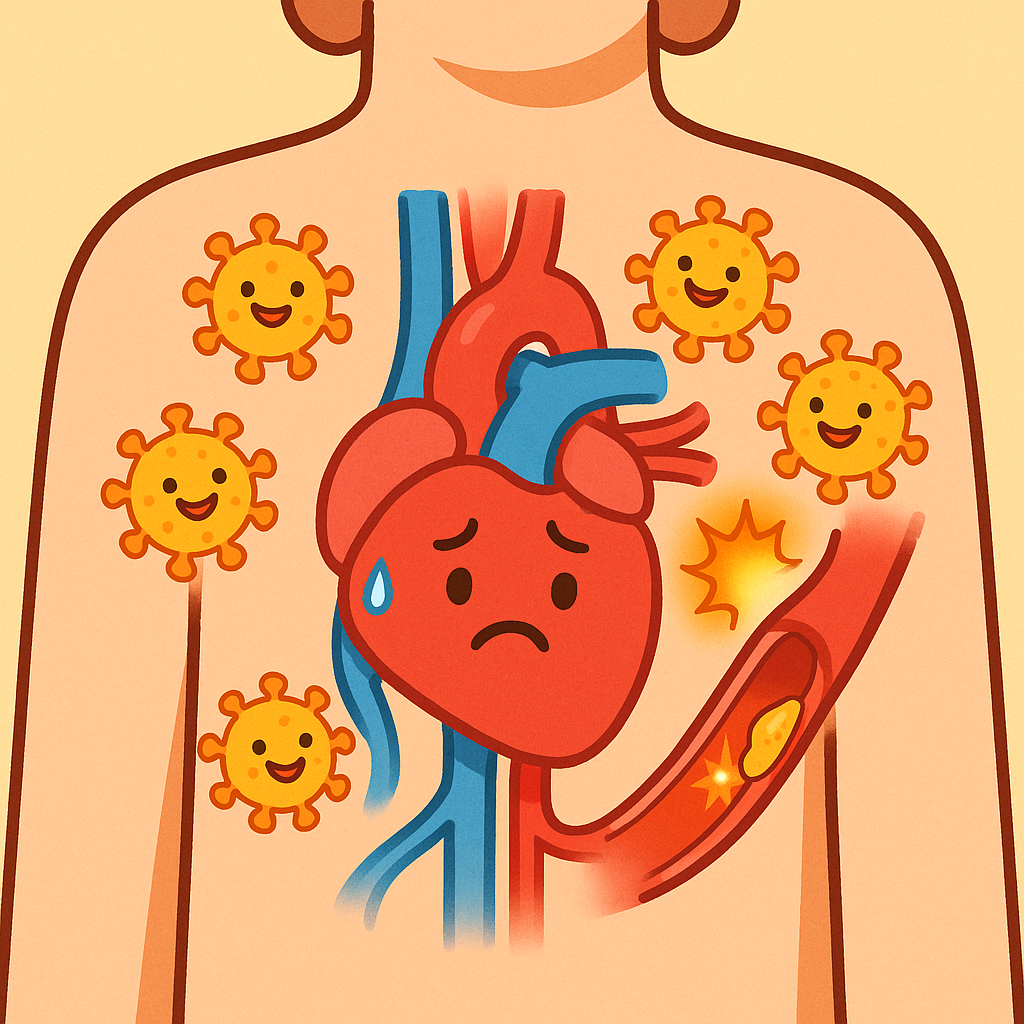
Because of this, the flu vaccine acts as a protective tool for the heart. A 2023 systematic review in GeroScience looked at older adults. The researchers found that getting the flu vaccine significantly lowered the risk of major cardiovascular events, including acute coronary syndromes and strokes.
The benefits are so clear that cardiologists now view the flu shot as a routine part of heart care. A 2023 study in Circulation involving over 900,000 participants in Denmark showed that reminding patients about the cardiovascular benefits of the flu vaccine successfully increased vaccination rates among people with a history of heart disease.
Who Benefits Most From Vaccination?
While public health agencies recommend the flu vaccine for almost everyone over the age of six months, science shows that certain populations gain a much larger benefit.
| Population | Key Benefit | Source |
|---|---|---|
| Older Adults (65+) | Significantly reduces the risk of hospitalization, pneumonia, and heart attacks. | PMID 38702667 |
| People with Diabetes | Reduces the risk of severe complications. Diabetes can impair immune response, making the flu more dangerous. | PMID 28807608 |
| Pregnant Women | Protects the mother from severe respiratory distress and transfers protective antibodies to the newborn infant. | PMID 22920053 |
| Healthcare Workers | Reduces the spread of the virus to vulnerable patients in hospitals and nursing homes. | PMID 27816309 |
Related: How Prediabetes Affects Your Body and Type 2 Diabetes Risk
How This Might Work: Training the Immune System
When you receive a flu vaccine, you are given a deactivated (dead) piece of the virus or a specific protein from the virus. Your body treats this as a practice run.
Your immune system creates specific proteins called antibodies that are tailored to lock onto the flu virus. If you are exposed to the real, live flu virus later in the season, your immune system already has the blueprints to defeat it.
Because the flu virus undergoes antigenic drift (AN-tih-jen-ik drift), which means it constantly mutates and changes its shape, the antibodies you made last year might not recognize this year’s virus. This is why scientists must update the vaccine annually to match the strains most likely to circulate.
Related: How Vitamins Actually Affect Your Immune System: What Science Says
Why People Skip the Shot and How Science is Changing That
Despite the clear benefits, many people still choose not to get vaccinated. Researchers have studied the social and economic reasons behind this choice.
One major factor is workplace policy. A 2018 study in Vaccine found that adults who have paid sick leave are over 30% more likely to get their flu vaccine compared to those without it. Workers without paid time off may find it difficult to schedule a doctor’s appointment or fear losing wages if they experience mild soreness after the shot.
Social circles also play a massive role. A 2017 study in Scientific Reports analyzed how behaviors spread through social networks. The researchers found a “dueling contagion” effect. People are much more likely to get the flu shot if they see their friends getting vaccinated. They are also more likely to get the shot if they see a friend suffer through a severe bout of the flu.
To help improve vaccination rates, researchers are testing electronic “nudges.” A 2023 trial in the European Journal of Heart Failure found that sending patients a simple electronic letter highlighting the cardiovascular benefits of the vaccine significantly increased the number of people who chose to get the shot.
Common Questions About Flu Vaccination
Can the flu shot give me the flu?
No. The injected flu vaccine contains viruses that have been completely deactivated (killed) or only contains a single protein from the virus. It is biologically impossible for these components to cause an actual flu infection. If you feel achy or have a low fever after the shot, that is simply your immune system practicing its response.
Why do I need it every year?
The flu virus is a shape-shifter. It mutates rapidly as it moves around the globe. Scientists track these mutations and update the vaccine each year to match the new strains. Additionally, the antibodies your body produces in response to the vaccine naturally decline over time.
What if the vaccine is a “bad match” this year?
Even in years when the circulating virus mutates unexpectedly and the vaccine is not a perfect match, research shows the vaccine still provides partial protection. It may not completely stop you from catching the virus, but it significantly lowers your risk of ending up in the hospital.
The Bottom Line / Takeaways
- What we know: The flu vaccine is highly effective at reducing the severity of the illness, hospitalizations, and deaths. It also provides a surprising level of protection against heart attacks and strokes.
- Who it helps: While it benefits the general public, it is especially crucial for older adults, pregnant women, and people with metabolic or cardiovascular conditions.
- What remains uncertain: Because the virus mutates every year, the exact percentage of infections the vaccine will prevent fluctuates from season to season.
- Confidence level: The scientific consensus is extremely high. Decades of data across millions of people consistently show that the benefits of annual flu vaccination heavily outweigh the risks.
Quick Reference: Key Studies
| Study Focus | Key Finding | Source |
|---|---|---|
| Vaccine Outcomes & Morbidity | The vaccine effectively reduces flu-related complications and mortality across all age groups, even when infection prevention is lower. | PMID 39778922 |
| Direct and Indirect Benefits | Vaccination averts a significant burden of disease, providing strong direct protection to the vaccinated and partial indirect protection to the unvaccinated. | PMID 40668579 |
| Cardiovascular Protection | Flu vaccination lowers the risk of major cardiovascular events, including heart attacks and strokes, in older adults. | PMID 37269492 |
| Electronic Nudges | Sending letters that highlight the cardiovascular benefits of the flu vaccine increased vaccination rates among older adults. | PMID 36871213 |
| Paid Sick Leave | Workers with paid sick leave are significantly more likely to receive a flu vaccine and seek medical treatment when ill. | PMID 30361122 |
| Diabetes and Flu | Vaccination reduces the risk of hospitalization and death in people with diabetes, who are at a higher risk for flu complications. | PMID 28807608 |
Last updated: April 2026
This article synthesizes findings from peer-reviewed research. It is for educational purposes only and does not constitute medical advice. Consult a healthcare provider before starting any new regimen.

Leave a Reply