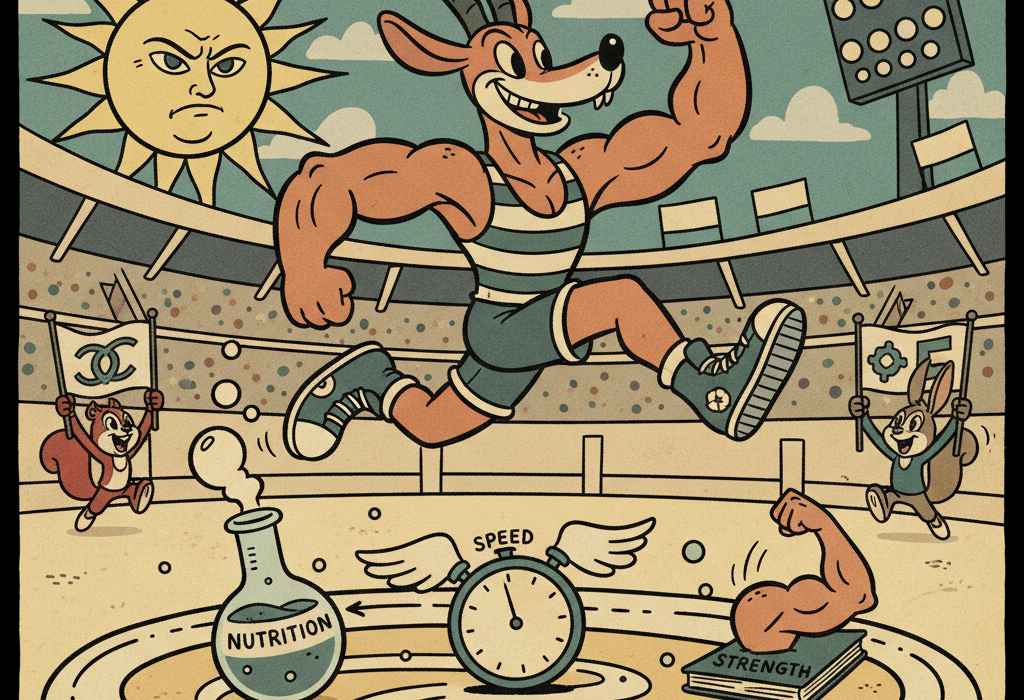
Watching elite athletes compete often brings up a familiar question: Are they just born with special talents, or did they simply practice harder than everyone else? The truth is that athletic performance is a complex mix of genetics, physical adaptations, and environmental factors.
Whether you are training for a triathlon, playing weekend baseball, or just trying to stay healthy, understanding how the body responds to exercise can help you perform better and stay safe. A 2003 review in The Journal of Family Health Care reminds us that regular physical activity is one of the most powerful tools we have to prevent heart disease, obesity, and type 2 diabetes. However, pushing the body to its limits requires a deeper understanding of how our muscles, heart, and brain adapt to stress.
Here is what the latest scientific research reveals about building athletic performance, avoiding injuries, and training smartly.
What Makes an Elite Athlete: Genetics vs. Practice
For years, the “10,000-hour rule” has been a popular concept. This idea suggests that anyone can become a world-class expert in any field if they dedicate 10,000 hours to deliberate practice. However, sports science tells a different story.
A 2017 review in BMC Genomics explored the “nature versus nurture” debate in elite sports. Researchers found that while intense, deliberate practice is absolutely necessary, it is not enough on its own to create an elite athlete. In fact, studies show that practice only explains about 18% of the variance in sports performance.
Instead, “nature” plays a massive role. Scientists use a concept called heritability (hair-it-uh-BILL-ih-tee), which is the extent to which a trait is determined by genetics rather than the environment. The research shows that many physical traits are highly heritable:
- Maximal aerobic capacity (VO2 max): Up to 72% heritable.
- Anaerobic power (sprinting ability): Up to 99% heritable.
- Muscle fiber distribution: 93% to 100% heritable.

While anyone can improve their fitness through training, the biological ceiling of how fast or strong a person can ultimately become is largely written in their DNA. Elite athletes are built through years of hard work, but they are built from a foundation of rare genetic potential.
How the Heart Adapts to Intense Training
When you lift weights, your skeletal muscles grow larger. The heart is also a muscle, and it responds to endurance training in a similar way. This adaptation is often called “athlete’s heart.”
A 2020 study in Clinical Cardiology focused on how the right side of the heart changes in highly trained athletes. The heart has four chambers. The left side pumps blood to the entire body, while the right ventricle pumps blood to the lungs. During intense, prolonged exercise, the right ventricle experiences a massive increase in blood flow and pressure.
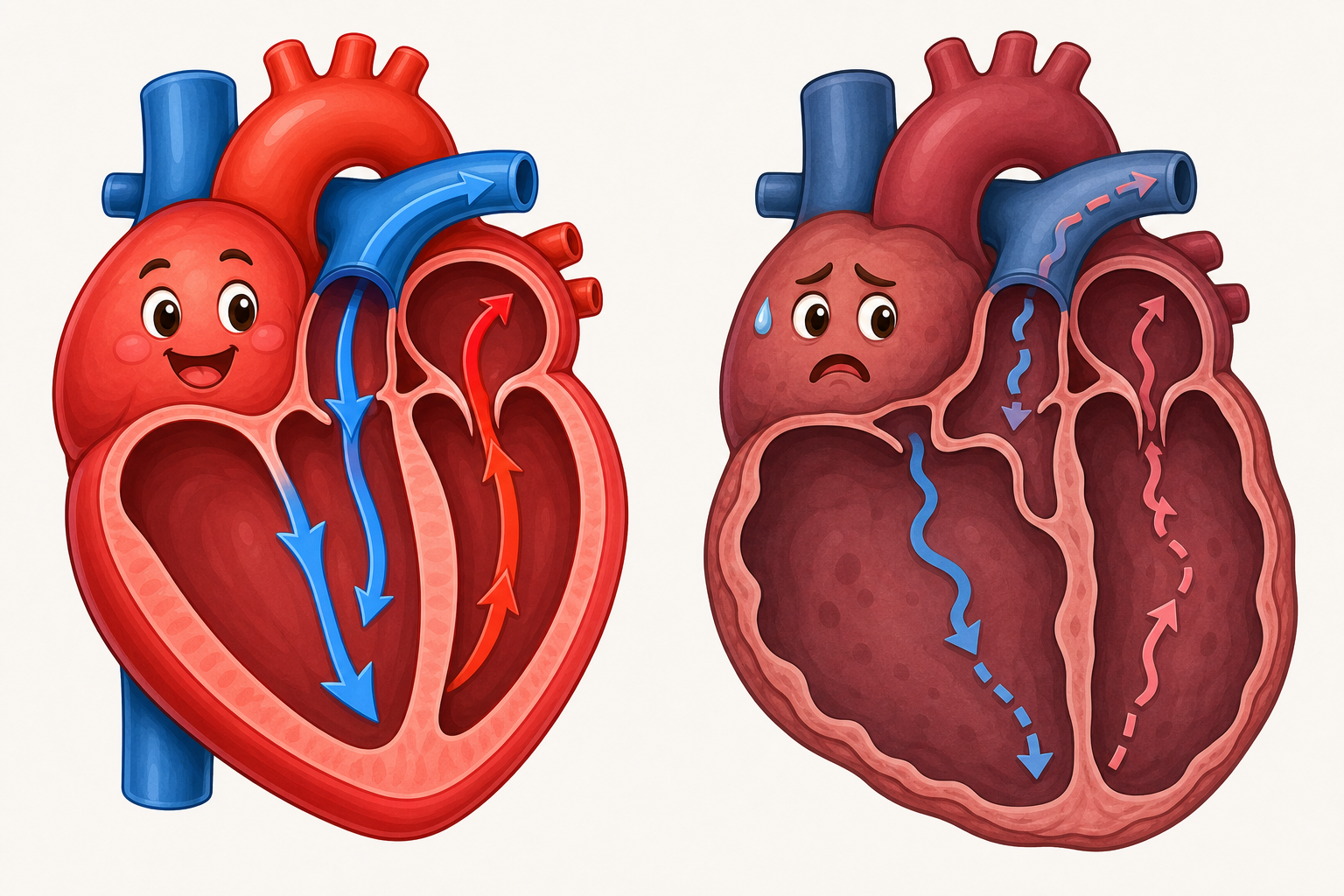
Over time, this causes right ventricular remodeling (ree-MOD-ul-ing), meaning the heart chamber actually stretches and grows. While this is usually a normal, healthy adaptation to exercise, extreme enlargement can sometimes look very similar to a dangerous heart condition called arrhythmogenic cardiomyopathy (ACM).
Doctors often use advanced imaging to tell the difference between a healthy, adapted athlete’s heart and a diseased heart.
| Feature | Healthy Athlete’s Heart | Cardiomyopathy (Disease) |
|---|---|---|
| Heart Size | Enlarged right ventricle | Disproportionately enlarged right ventricle |
| Pumping Function | Normal or slightly reduced at rest, but increases strongly during exercise | Poor pumping function that fails to improve during exercise |
| Symptoms | None | Fainting, chest pain, or irregular heartbeats |
Managing Common Injuries and Aches
Pushing the body hard inevitably leads to wear and tear. Fortunately, science offers clear guidance on how to manage some of the most common athletic setbacks.
The Dreaded Side Stitch
If you are a runner or swimmer, you have likely experienced a side stitch. This is a sharp, localized pain just below the rib cage that occurs during exercise. A 2006 review in Current Sports Medicine Reports notes that while these stitches are painful and can ruin a workout, they are completely benign.
Scientists believe side stitches are caused by either a temporary lack of blood flow to the diaphragm or stress on the ligaments that support the stomach and liver. To prevent them, experts recommend avoiding heavy meals right before running, staying properly hydrated, and practicing deep, rhythmic breathing.
Muscle and Tendon Pain
When athletes experience persistent pain, getting an accurate diagnosis is critical. A 2017 study in Der Radiologe highlights that ultrasound imaging is now considered the best first-line tool for diagnosing muscle injuries. It is fast, cost-effective, and allows doctors to see exactly how badly a muscle is torn.
One easily misdiagnosed injury is popliteus tendinitis. The popliteus is a small muscle located behind the knee that helps unlock the joint when you walk or run. A 2002 paper in The Physician and Sportsmedicine explains that pain behind the knee is often confused with other injuries, leading to unnecessary surgeries. The best treatment for this specific tendinitis is usually rest, anti-inflammatory medication, and targeted physical therapy to strengthen the quadriceps.
Similarly, athletes who play rotational sports like baseball often suffer from lower back pain. A 2016 study in the American Journal of Orthopedics found that lumbar spine injuries account for a significant amount of lost playing time in Major League Baseball. Because the spine links the power of the lower body to the arms, core stabilization exercises are essential for both injury prevention and recovery. Related: The Science of Weight Training for Beginners: What Actually Works
Blisters and Footwear
It might sound trivial, but friction blisters can bench professional athletes. A 2016 review noted that MLB pitchers regularly miss games due to blisters on their throwing fingers.
For runners and court athletes, preventing blisters and joint pain often comes down to footwear. A 1999 guide in The Physician and Sportsmedicine emphasizes that while expensive shoes will not magically make you faster, wearing the correct shoe for your specific foot type (flat feet vs. high arches) is crucial for avoiding discomfort and chronic injuries.
Training in Extreme Conditions
Athletes do not always get to compete in perfect 70-degree weather. Environmental factors require specific physiological adjustments.
Heat Illness
Exercising in hot weather puts immense stress on the body. A 1998 study in the International Journal of Sports Medicine outlines the dangers of exertional heat illness. Risk factors include being unacclimatized to the heat, being unfit, or being dehydrated.
Heat exhaustion often presents as a flushed face, dizziness, tingling arms, and confusion. If ignored, it can progress to heat stroke, which is a life-threatening medical emergency. To prevent heat illness, athletes should rely on a drinking schedule rather than waiting until they feel thirsty, use sports drinks to replace lost salt, and monitor their weight before and after workouts to gauge fluid loss. Related: How Much Water Should You Actually Drink? Science vs. The 8-Glass Myth
Fasting and Performance
Many athletes observe religious fasting, such as during the month of Ramadan, which involves a total ban on food and liquid from dawn to sunset. A 2019 review in La Tunisie Medicale explains that this time-restricted fasting can lead to dehydration, altered sleep patterns, and increased physical fatigue.
Researchers recommend a personalized approach for fasting athletes. This includes shifting heavy training sessions to the evening after the fast is broken, taking daytime naps to offset sleep loss, and paying strict attention to hydration during the night.
Assessing Readiness and Recovery
Knowing when to push forward and when to rest is a delicate balance.
Overtraining
A 2012 paper in Sports Medicine and Arthroscopy Review focused on triathlon training highlights the dangers of overtraining. Endurance athletes often fall into the trap of thinking “more is always better.” Symptoms of overtraining include lingering fatigue, elevated resting heart rate, and a sudden drop in performance. Taking scheduled rest days is not a sign of weakness, it is a biological requirement for muscle repair.
This principle applies to all sports. For example, a 2009 study on young ballet dancers notes that transitioning to dancing “en pointe” (on the tips of the toes) requires strict physical readiness. Dancers must have adequate ankle flexibility, core strength, and technique before attempting it, or they risk severe foot and ankle injuries.
Concussion Testing
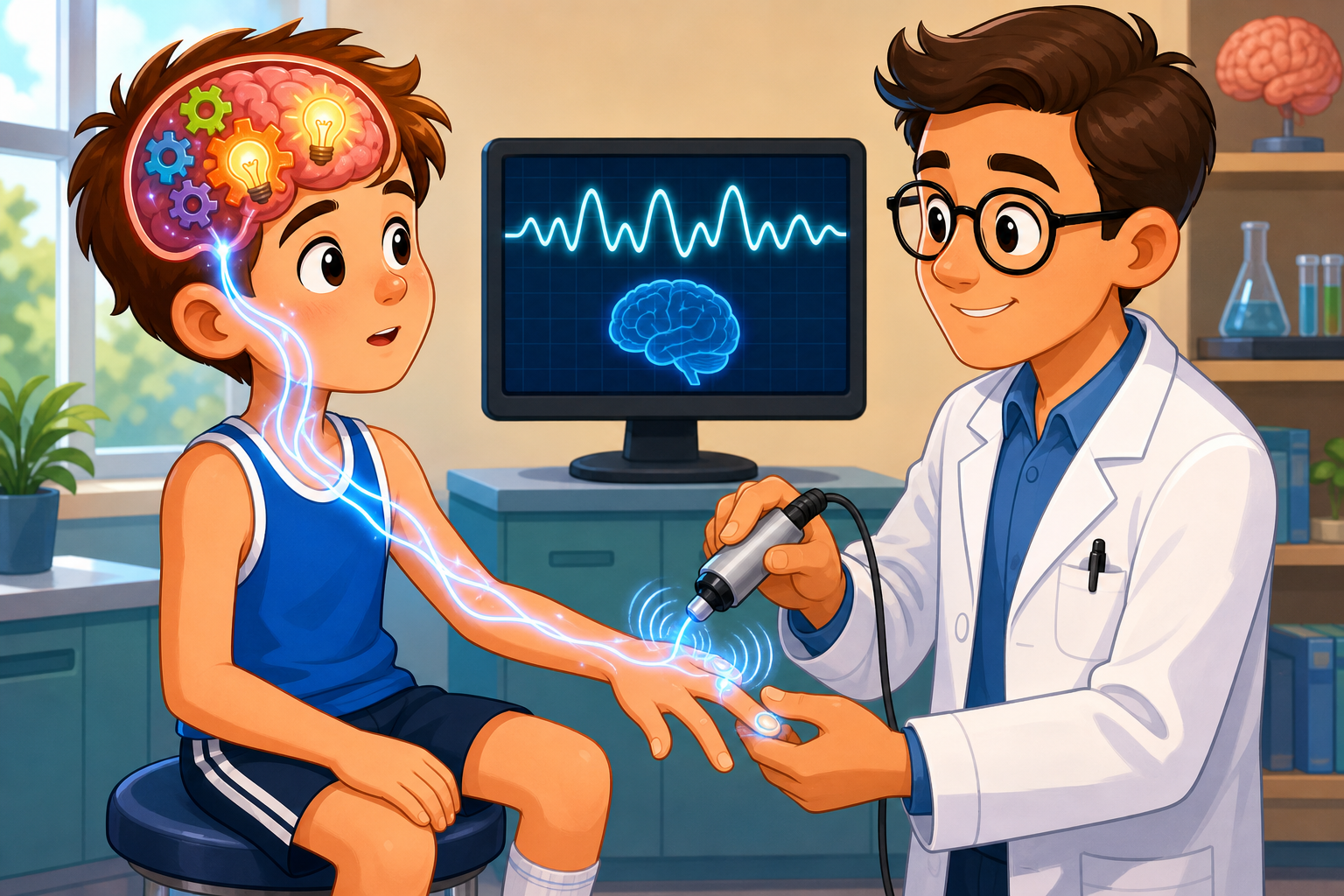
When an athlete takes a hit to the head, determining if their brain has recovered is critical. Historically, this relied on subjective symptoms like asking the athlete if they felt dizzy. However, a 2016 study in Military Medicine introduced a fascinating new tool: cortical metrics.
By applying gentle vibrations to the tips of the athlete’s index and middle fingers, scientists can measure how well the brain processes sensory information. The study found that concussed individuals processed these vibrations significantly differently than healthy individuals. This tool provides a highly accurate, objective biological marker to determine if an athlete’s brain is truly ready to return to play.
The Truth About Performance Enhancers
Because elite sports are so competitive, athletes sometimes look for shortcuts. Two substances frequently monitored by anti-doping agencies are clenbuterol and synthetic growth hormone.
Clenbuterol is a drug that opens up the airways but also has powerful fat-burning properties. A 2021 study in the Journal of Pharmaceutical and Biomedical Analysis highlights how scientists are developing highly sensitive tests to detect even tiny amounts of this banned substance in urine.
Similarly, human growth hormone (GH) is often abused under the assumption that it builds massive muscle. However, a 2023 review in Analytical and Bioanalytical Chemistry points out a surprising truth: while growth hormone is crucial for normal childhood development, there is very little evidence that injecting extra growth hormone actually increases muscle mass or strength in healthy adults. The perceived benefits are largely a myth, though anti-doping scientists continue to track its use closely.
The Bottom Line
Achieving peak athletic performance is a multifaceted process.
- Genetics set the ceiling: Hard work is required, but your DNA largely determines your ultimate athletic potential.
- The heart adapts: Endurance training safely enlarges the heart, but doctors must carefully monitor these changes to ensure they are healthy.
- Proper diagnosis matters: Whether it is a side stitch, back pain, or popliteus tendinitis, accurate medical imaging (like ultrasound) and targeted physical therapy prevent minor issues from becoming chronic injuries.
- Environment dictates strategy: Training in the heat or while fasting requires strict, science-backed hydration and recovery protocols to prevent dangerous health emergencies.
- Recovery is not optional: From concussions to muscle fatigue, the body requires time to heal. Pushing through neurological symptoms or overtraining only damages long-term performance.
Ultimately, the best athletes are not just the ones who train the hardest. They are the ones who listen to their bodies, manage their environments, and allow themselves time to recover.
Quick Reference: Key Studies
| Study Focus | Key Finding | Source |
|---|---|---|
| Genetics vs. Practice | Elite athletic status is heavily dependent on heritable genetic traits; practice alone is not enough. | PMID 29143595 |
| Athlete’s Heart | Endurance training causes the right ventricle to enlarge, which must be distinguished from heart disease. | PMID 32128858 |
| Concussion Testing | Vibrating the fingertips can accurately measure brain recovery and detect concussions. | PMID 27168552 |
| Heat Illness | Heat stroke is preventable by drinking on a schedule, replacing salt, and monitoring weight loss. | PMID 9694424 |
| Growth Hormone | There is little evidence that extra growth hormone builds muscle in already healthy adults. | PMID 37566232 |
| Side Stitches | Exercise-related side stitches are benign and likely caused by diaphragm stress or ligament pulling. | PMID 17067495 |
| Fasting & Sports | Athletes fasting for Ramadan need personalized sleep, hydration, and training schedules to maintain performance. | PMID 31691937 |
Last updated: July 2026
This article synthesizes findings from peer-reviewed research. It is for educational purposes only and does not constitute medical advice. Consult a healthcare provider before starting any new regimen.
Leave a Reply