The Core Question: Does Resveratrol Live Up to the Hype?
If you have ever heard that a glass of red wine is good for your heart, you have likely heard of resveratrol. For decades, this plant compound has made headlines as a potential anti-aging miracle.
So, does resveratrol actually work? The short answer is that resveratrol is a plant compound that acts as an antioxidant. While lab studies show it can protect the heart, improve blood sugar, and mimic the effects of fasting, human trials show mixed results. This is largely because resveratrol is poorly absorbed by the human body. However, recent human studies show it holds genuine promise for specific groups, particularly for improving bone and brain health in postmenopausal women, and for managing metabolic issues.
To understand what resveratrol can and cannot do, we have to look past the headlines and dive into the actual clinical research.
What is Resveratrol?
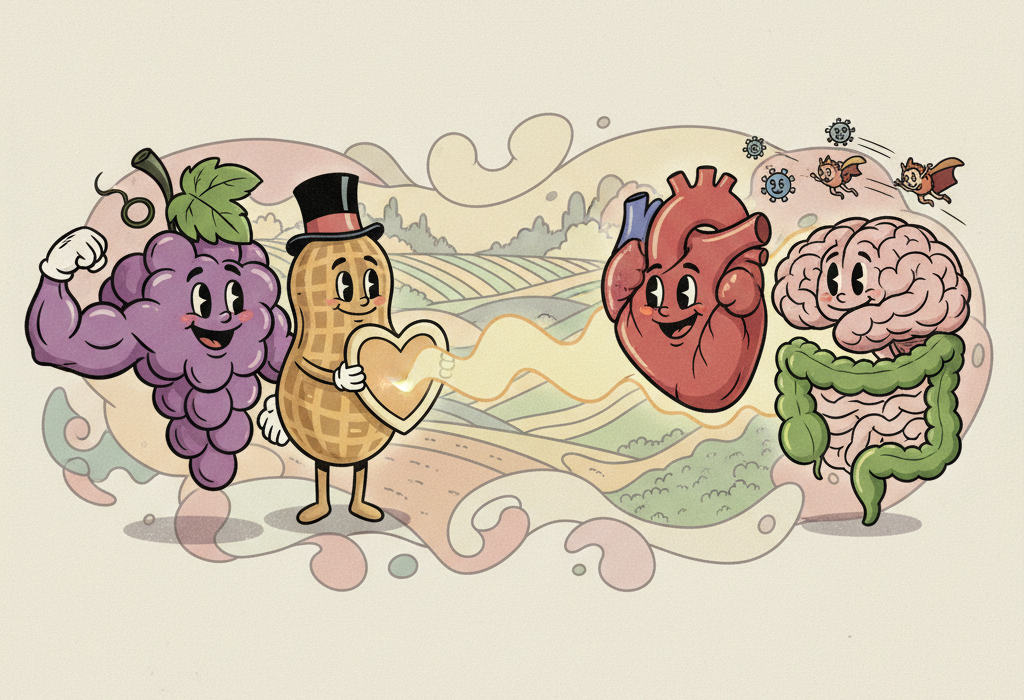
Resveratrol (rez-VEER-uh-trawl) is a type of polyphenol (pah-lee-FEE-nawl), which is a plant chemical known for its antioxidant properties. Plants naturally produce resveratrol as a defense mechanism when they are stressed, injured, or attacked by bacteria and fungi.
In the human diet, it is found in the skins of red grapes, blueberries, cranberries, peanuts, and red wine.
For years, scientists believed resveratrol might explain the “French Paradox.” This is the observation that French populations historically had low rates of heart disease despite eating diets high in saturated fats, potentially due to their regular consumption of red wine. However, as a 2019 review in Molecules points out, the amount of resveratrol in a glass of wine is incredibly small. To get the doses used in medical research, you would have to drink dozens of bottles of wine a day, which would obviously cause more harm than good.

Today, resveratrol is widely available as a dietary supplement, usually extracted from a plant called Japanese knotweed.
What the Research Shows
Over the last 20 years, researchers have conducted hundreds of clinical trials on resveratrol. A 2024 systematic review in the International Journal of Molecular Sciences looked at nearly 200 of these studies. The authors concluded that while there is no consensus on a perfect dose, resveratrol is generally well-tolerated up to 1 gram per day and consistently helps reduce inflammatory markers in the body.
Here is a breakdown of what the evidence says about specific health conditions.
Metabolic Health and Blood Sugar
One of the most researched areas of resveratrol is its effect on metabolic health. Insulin resistance (IN-suh-lin ree-ZIS-tuhns) occurs when your body stops responding well to the hormone insulin, leading to elevated blood sugar.
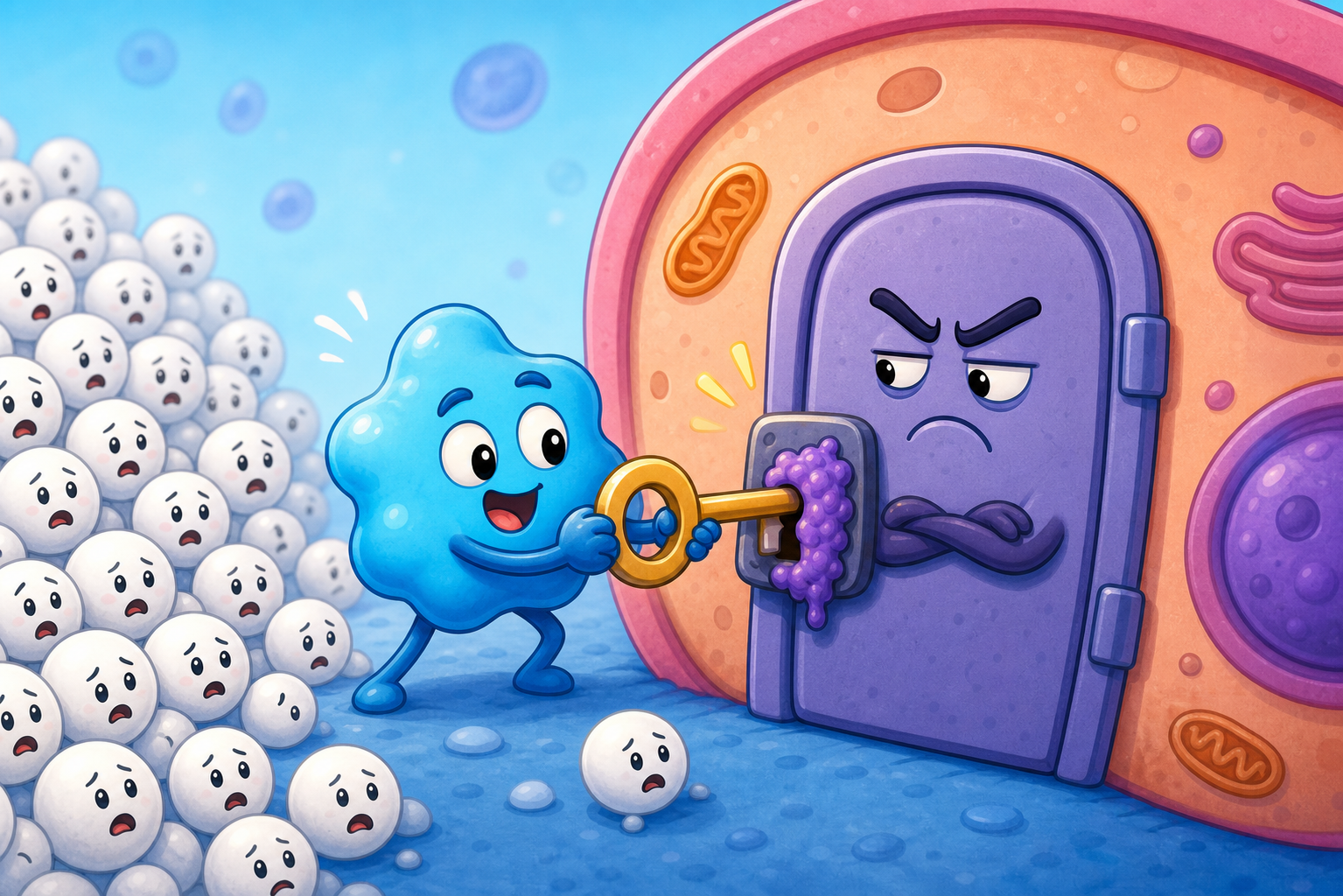
A large 2026 meta-analysis analyzed 40 different human trials involving over 2,500 participants with obesity-related metabolic disorders. The researchers found that resveratrol supplementation significantly reduced several negative health markers, including:
- Insulin resistance (measured by a test called HOMA-IR)
- Total cholesterol and LDL (bad) cholesterol
- Systolic and diastolic blood pressure
- Inflammatory markers like TNF-alpha and IL-6
However, the same study noted that resveratrol did not consistently help people lose weight, reduce body fat, or increase HDL (good) cholesterol. It appears to improve how the body processes sugars and fats internally, rather than acting as a weight-loss tool.
Heart and Blood Vessel Health
Resveratrol seems to have a direct, positive effect on blood vessels. A 2013 study in the Annals of the New York Academy of Sciences found that resveratrol improves flow-mediated dilation. This is a measurement of how well your arteries can relax and widen to allow blood to flow freely.
By helping blood vessels relax and reducing the oxidation of LDL cholesterol, resveratrol may help protect the cardiovascular system from the stiffening and plaque buildup that leads to heart disease.
Bone and Brain Health in Postmenopausal Women
Some of the most compelling human evidence for resveratrol comes from a two-year study called the RESHAW trial. After menopause, the drop in estrogen levels can lead to rapid bone loss and changes in brain blood flow.
Researchers gave postmenopausal women 75 milligrams of resveratrol twice a day. A 2020 report from the trial found that after 12 months, the women taking resveratrol had significant improvements in bone mineral density in their lumbar spine and the neck of their femur (thigh bone). The supplement also reduced levels of CTX, a marker that indicates bone breakdown in the blood. Interestingly, the bone-protecting benefits were even stronger for women who also took vitamin D and calcium supplements.
A separate 2020 report from the same trial looked at brain health. The researchers found that the women taking resveratrol had improved overall cognitive performance, specifically in processing speed and cognitive flexibility. The supplement also improved blood flow in the brain, helping to counteract the normal decline in cerebral circulation that happens with age.
Kidney Protection
Chronic kidney disease involves long-term damage and inflammation in the kidney’s filtering system. A 2019 review in Nutrients summarized various lab and animal studies showing that resveratrol protects kidney cells. It does this by reducing oxidative stress, preventing scar tissue formation (fibrosis), and shielding the delicate cells in the kidneys from toxic damage.
How This Might Work
Scientists believe resveratrol works through a few specific biological pathways.
Mimicking Calorie Restriction
Research has long shown that eating significantly fewer calories can extend the lifespan of many animals. Resveratrol seems to trick the body into thinking it is fasting.
It does this by activating a protein called SIRT1 (SURT-one), as detailed in a 2013 review. SIRT1 is involved in regulating cellular energy, repairing DNA, and reducing inflammation. By activating SIRT1, resveratrol mimics the biological benefits of calorie restriction without requiring actual starvation. Related: The Science of Calorie Restriction: How Eating Less Affects Health and Longevity
The Hormesis Effect
Resveratrol operates on a biological principle called hormesis (hor-MEE-sis). This means that a small dose has a protective, beneficial effect, but a massive dose can actually be toxic.
At low doses, resveratrol acts as an antioxidant, neutralizing harmful molecules called free radicals. But at very high doses, it can act as a pro-oxidant, actually causing stress to cells. This is a key reason why simply taking massive doses of resveratrol is not recommended.
Where The Science Is Still Uncertain
The biggest hurdle in resveratrol research is a concept called bioavailability.
When you swallow a resveratrol capsule, your digestive system and liver process it incredibly fast. A 2015 review in Ageing Research Reviews explains that the body modifies and eliminates resveratrol so quickly that very little of the active compound actually makes it into your bloodstream to reach your organs.
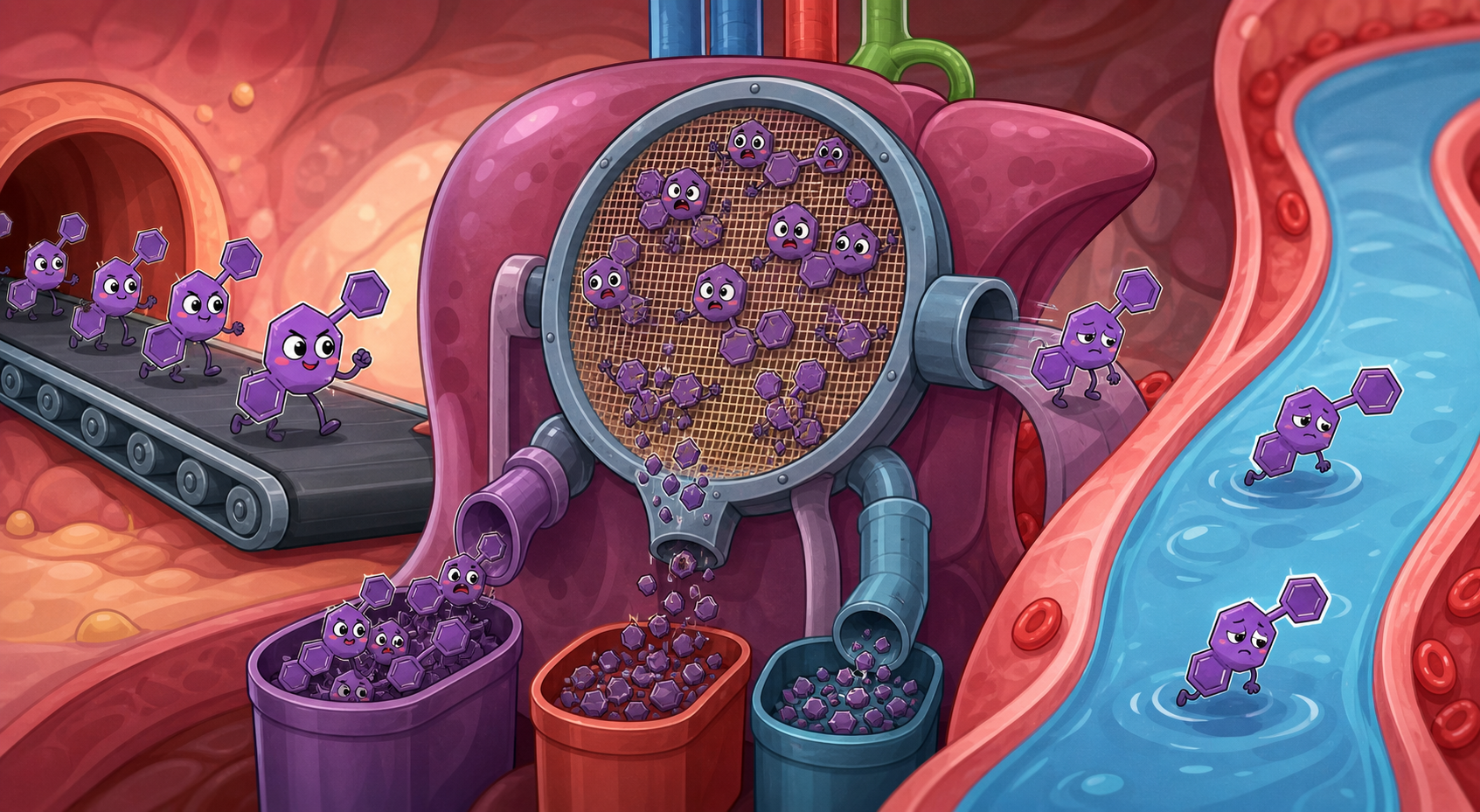
This explains why resveratrol often looks like a miracle cure in a petri dish (where it is applied directly to cells) but shows weaker results in human trials.
Scientists are actively working on ways to solve this. For example, a 2024 study in Redox Report tested “liposomal resveratrol” in diabetic rats. A liposome is a tiny fat bubble that protects the resveratrol from being broken down too quickly. The researchers found that this liposomal version was much more effective at reducing heart inflammation and balancing blood sugar than standard resveratrol.
Who Benefits Or Needs Caution
Based on current evidence, resveratrol is not a universal requirement for health, but it may benefit specific groups.
Who might benefit:
- Postmenopausal women: Based on the RESHAW trials, low daily doses (75 mg twice a day) may help support bone density and cognitive function.
- People with metabolic syndrome: Those dealing with insulin resistance, high blood pressure, or high cholesterol may see improvements in their metabolic markers. Related: How an Anti-Inflammatory Diet Actually Affects Your Body
Who needs caution:
- People on certain medications: A 2020 review in the International Journal of Molecular Sciences highlights that resveratrol interacts with the liver enzymes that process drugs (specifically the CYP450 system). This means it can alter how your body absorbs blood thinners, blood pressure medications, and statins.
- People seeking high doses: The same 2020 review warns against taking massive “mega-doses” of resveratrol. Because of the hormesis effect, high doses can actually induce oxidative stress and cause DNA breaks in cells.
Common Questions About Resveratrol
Can I just drink red wine to get resveratrol?
No. While red wine contains resveratrol, the amounts are microscopic (usually between 1 and 7 milligrams per liter). Clinical trials typically use doses between 75 and 500 milligrams per day. You cannot safely consume enough wine to reach therapeutic doses.
Does resveratrol extend human lifespan?
There is currently no proof that resveratrol extends human lifespan. While it has been shown to extend the lives of yeast, worms, and some mice on high-fat diets, these results have not been replicated in long-term human survival studies.
The Bottom Line / Takeaways
Resveratrol is a fascinating plant compound with real biological activity. Here is what we currently know:
- What we know: Resveratrol improves insulin sensitivity, lowers inflammation, and helps blood vessels relax. In postmenopausal women, low daily doses have been shown to protect bone density and support brain health.
- What remains uncertain: The best dose and formulation are still highly debated. Because the human body breaks it down rapidly, scientists are still trying to figure out how to ensure enough resveratrol actually reaches our tissues.
- Confidence level: We have high confidence that resveratrol is safe at moderate doses (under 1 gram per day) and improves metabolic markers. We have low confidence in claims that it is a universal anti-aging cure or that massive doses are beneficial.
Quick Reference: Key Studies
| Study Focus | Key Finding | Source |
|---|---|---|
| Systematic Review | Evaluated nearly 200 trials; found resveratrol consistently reduces inflammation and improves metabolic markers, and is safe up to 1g/day. | PMID 38255828 |
| Metabolic Health | Meta-analysis of 40 trials found resveratrol significantly lowers insulin resistance (HOMA-IR), blood pressure, and LDL cholesterol. | PMID 41760304 |
| Bone Health | 75mg twice daily for 12 months improved bone mineral density in the lumbar spine and femur neck in postmenopausal women. | PMID 32564438 |
| Brain Health | 75mg twice daily for 12 months improved processing speed, cognitive flexibility, and cerebral blood flow in postmenopausal women. | PMID 32244933 |
| Safety & Toxicity | Warns that high doses of resveratrol can act as a pro-oxidant, cause DNA breaks, and interfere with drug metabolism. | PMID 32197410 |
Last updated: July 2026
This article synthesizes findings from peer-reviewed research. It is for educational purposes only and does not constitute medical advice. Consult a healthcare provider before starting any new regimen.
Leave a Reply