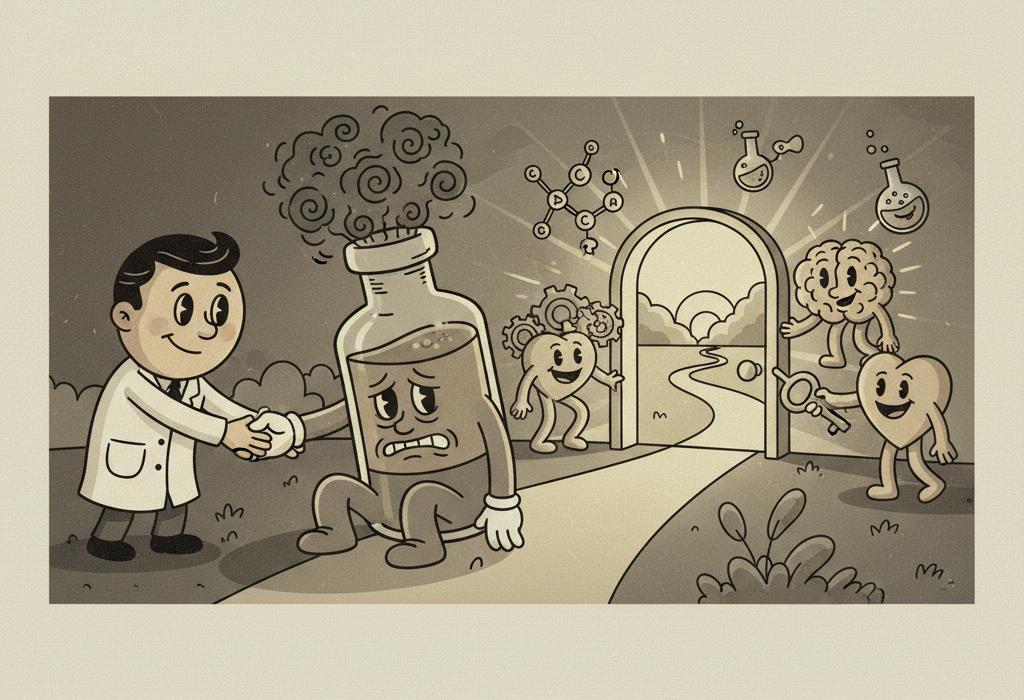
Many people believe that quitting drinking is simply a matter of willpower. However, modern science tells a very different story. Chronic alcohol use physically alters the brain, changing how we process rewards, manage stress, and control impulses.
Alcohol use disorder (AWL-kuh-hawl yoos dis-OR-der), or AUD, is a medical condition characterized by an impaired ability to stop or control alcohol use despite adverse social, occupational, or health consequences.
Despite the severe toll AUD takes on the body, there is a massive gap in medical care. A 2023 review in The American Journal of Psychiatry notes that while 11% of the U.S. population has AUD, less than 15% receive any form of treatment, and fewer than 2% receive medication.
This article breaks down what the latest peer-reviewed research actually says about treating AUD, how medications can help, and why combining therapy with medical care offers the best chance at recovery.
How This Might Work: Alcohol and the Brain
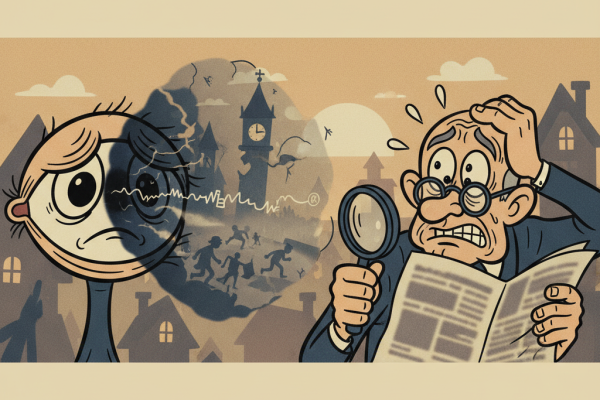
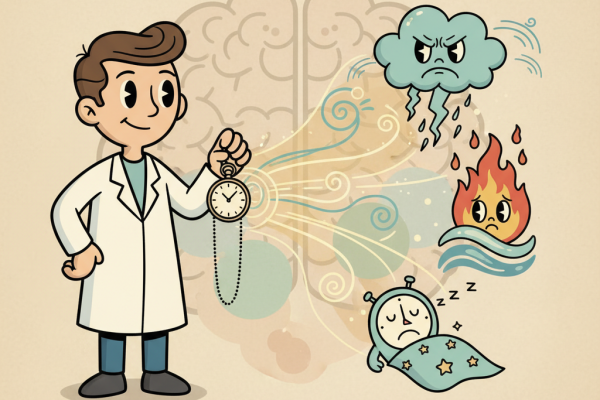
To understand how AUD treatments work, it helps to understand what alcohol does to the brain. Over time, heavy drinking creates three major biological shifts:
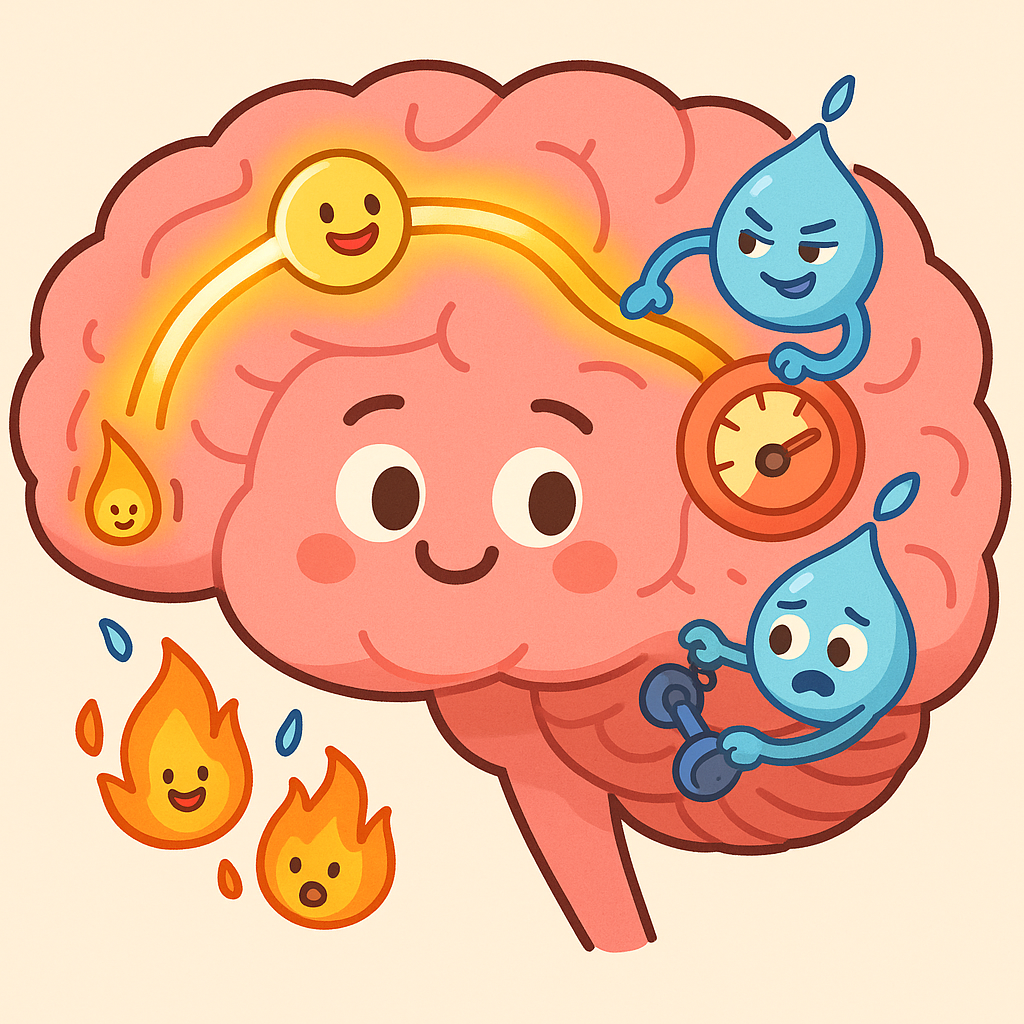
1. Reward System Hijacking: Alcohol triggers the release of dopamine, the brain’s “feel-good” chemical. Eventually, the brain relies on alcohol to feel normal.
2. Stress System Overdrive: When alcohol wears off, the brain’s stress system kicks into high gear. This causes anxiety and irritability, driving the person to drink again just to find relief.
3. Brain Inflammation: A 2019 study in Pharmacology, Biochemistry, and Behavior highlights that chronic alcohol use activates the brain’s neuroimmune system. This causes persistent inflammation that can actually drive the urge to drink more.
Effective treatments target these specific biological changes, helping to calm the brain and reduce cravings.
What the Research Shows: FDA-Approved Medications
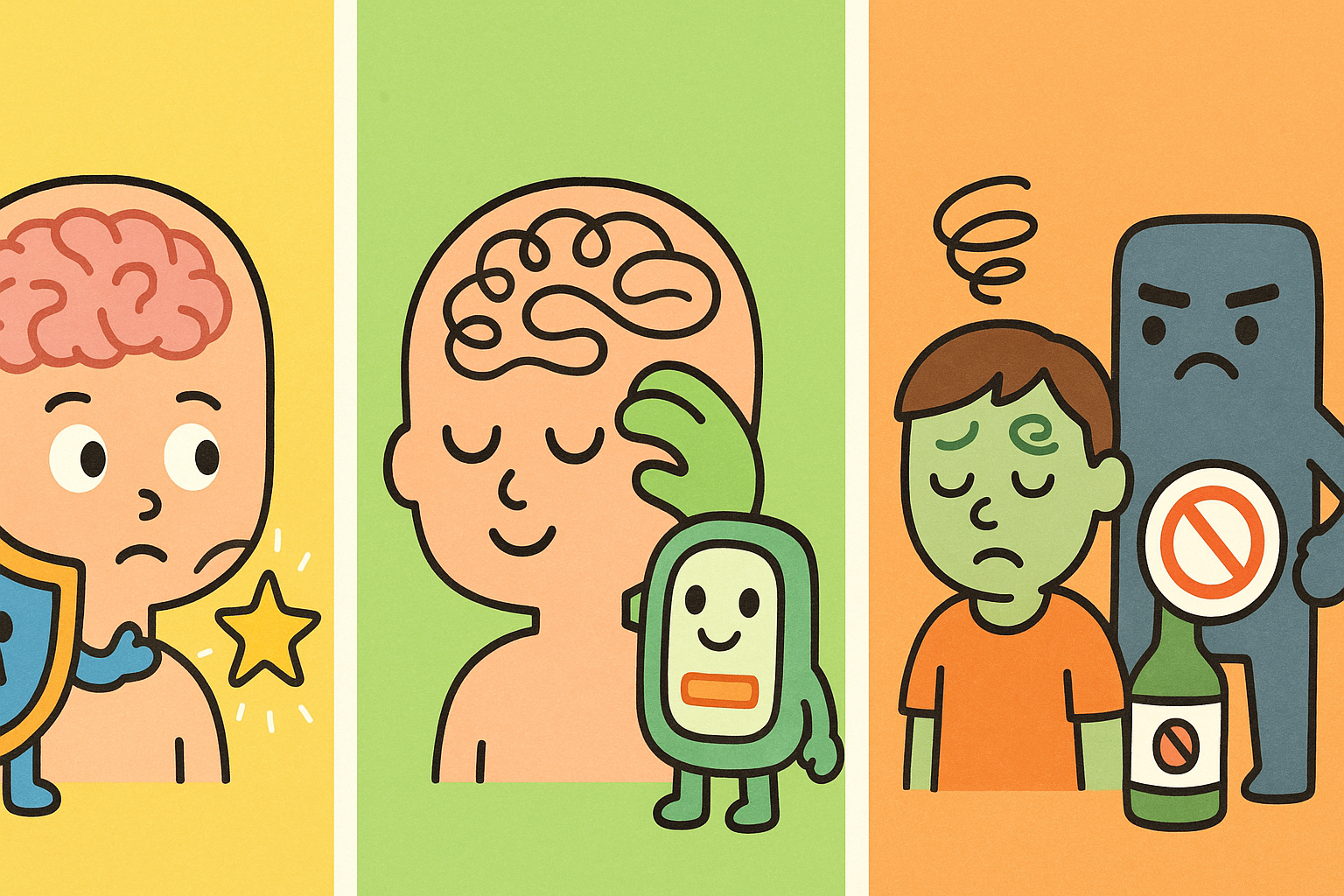
Currently, there are three medications approved by the FDA specifically for treating AUD. They do not cure the disorder, but they provide biological support to help people stop drinking or reduce their intake.
Naltrexone (nal-TREK-sohn)
Naltrexone blocks the opioid receptors in the brain. When a person takes naltrexone and then drinks alcohol, they do not get the typical “buzz” or euphoric feeling. A 2024 network meta-analysis in Addiction confirms that naltrexone is effective at reducing heavy drinking days. It is available as a daily pill or a once-a-month injection.
Acamprosate (uh-KAM-proh-sate)
Acamprosate works by stabilizing the brain’s chemical balance. When someone stops drinking, their brain can become hyperactive, leading to intense cravings and discomfort. Acamprosate acts like a thermostat, calming the brain’s signals. A 2019 review in Science Advances notes it is particularly helpful for people who have already stopped drinking and want to maintain abstinence.
Disulfiram (dye-SUL-fuh-ram)
Disulfiram works differently. It changes how the body breaks down alcohol. If someone drinks while taking disulfiram, they will experience severe nausea, vomiting, and a racing heart. It acts as a psychological deterrent. Because it requires strict compliance, it is usually only effective for highly motivated individuals.
| Medication | How It Works | Best For |
|---|---|---|
| Naltrexone | Blocks the “buzz” of alcohol | Reducing heavy drinking days and cravings |
| Acamprosate | Calms the brain’s chemical balance | Maintaining abstinence after quitting |
| Disulfiram | Causes physical sickness if alcohol is consumed | Highly motivated individuals needing a strict deterrent |
Emerging Treatments: The GLP-1 Surprise
Recently, scientists have noticed an unexpected side effect of GLP-1 receptor agonists, which are medications primarily used for diabetes and weight loss. Patients taking these drugs began reporting that they had lost their desire to drink alcohol.
Related: GLP-1 Weight Loss Drugs: What Real-World Results Actually Show
Clinical trials are now testing this observation. A 2025 randomized clinical trial in JAMA Psychiatry studied adults with AUD who were given Semaglutide. The researchers found that Semaglutide significantly reduced alcohol cravings and decreased the number of heavy drinking days compared to a placebo.
Similarly, a 2025 nationwide registry study in Sweden tracked over 227,000 people with AUD. The study found that periods of using Semaglutide or Liraglutide were associated with a significantly lower risk of being hospitalized for alcohol-related issues. While these medications are not yet FDA-approved for AUD, they represent a highly promising area of future treatment.
Off-Label Options and Ketamine
Doctors sometimes prescribe medications “off-label” if research supports their use for AUD, even if they were originally approved for other conditions.
- Topiramate and Gabapentin: Originally developed for seizures and nerve pain, these medications help calm the brain’s electrical activity. Research shows they can effectively reduce drinking and ease mild withdrawal symptoms.
- Baclofen: A muscle relaxant that has shown promise in reducing cravings, particularly for people who cannot take other medications due to liver issues.
- Ketamine: A 2022 clinical trial in The American Journal of Psychiatry tested combining ketamine infusions with psychological therapy. The patients who received ketamine had significantly more days of abstinence at a 6-month follow-up compared to those who received a placebo.
Related: Psychedelics for Mental Health: What the Science Actually Says
Who Needs Caution: The Liver Disease Factor
Alcohol use disorder frequently leads to Alcohol-associated liver disease (ALD), ranging from fatty liver to severe cirrhosis. Treating AUD in patients with liver damage requires careful medication selection.
A 2018 clinical guideline in The American Journal of Gastroenterology emphasizes that prolonged alcohol abstinence is the single most effective strategy to prevent liver disease progression. However, liver damage limits which medications are safe to use.
- Safe Options: Acamprosate is generally safe because it is processed by the kidneys, not the liver. Baclofen is also considered safe and effective for patients with advanced liver disease.
- Medications to Avoid: Naltrexone and Disulfiram can cause liver toxicity and are generally contraindicated (not recommended) for patients with severe liver disease or acute liver failure.
The Role of Behavioral Therapy
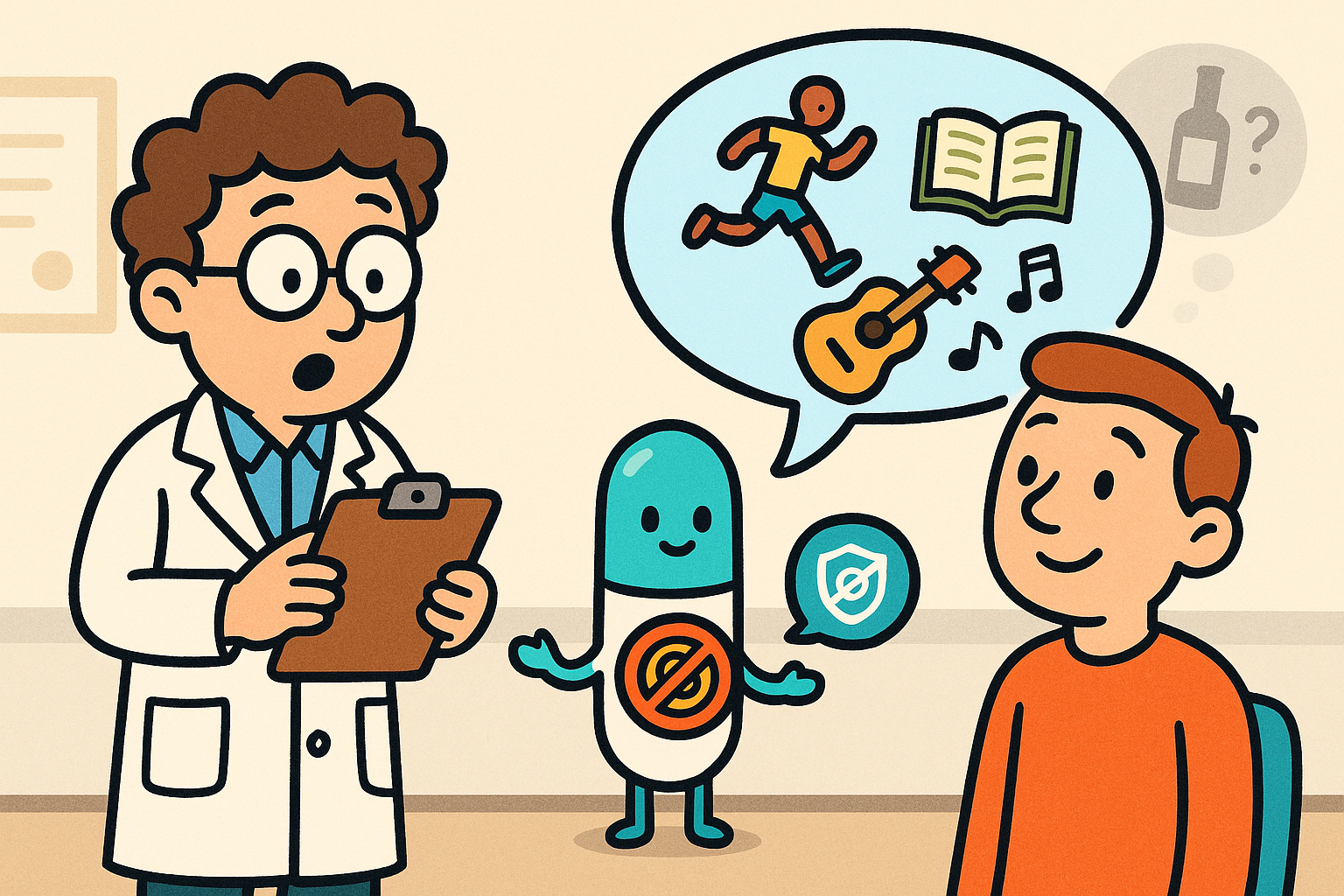
Medication alone is rarely enough. The most successful treatment plans combine medication with behavioral therapy. A 2022 review in The Medical Clinics of North America notes that while medications help correct brain chemistry, therapy helps patients rebuild their lives and develop coping skills.
Common evidence-based therapies include:
- Cognitive Behavioral Therapy (CBT): Helps patients identify the triggers that lead to drinking and teaches them how to change their thought patterns.
- Motivational Enhancement Therapy (MET): Helps individuals resolve their mixed feelings about quitting and builds internal motivation to change.
Furthermore, AUD frequently co-occurs with mental health conditions like depression and PTSD. A 2019 review on AUD and depression found that treating both conditions simultaneously yields the best results. If depression is left untreated, the risk of alcohol relapse remains high.
Common Questions About Alcohol Use Disorder Treatment
Is detox the same as treatment?
No. Detoxification is just the medical management of withdrawal symptoms (often using medications like benzodiazepines to prevent seizures). Detox clears alcohol from the body, but it does not treat the underlying brain changes. True treatment begins after detox.
Do you have to stop drinking completely for medications to work?
It depends on the medication and the goal. Acamprosate and Disulfiram require abstinence. However, Naltrexone and Topiramate are sometimes used to help people reduce their heavy drinking days, even if their goal is harm reduction rather than total abstinence.
Why do so few people get medication for AUD?
A combination of stigma, lack of awareness, and a historical reliance on “willpower-only” models means many doctors do not offer these medications. A 2022 Quality Improvement study showed that simply educating doctors and updating hospital computer systems increased prescription rates significantly.
The Bottom Line
Alcohol use disorder is a complex medical condition driven by changes in brain chemistry, reward pathways, and neuroinflammation. What we know for sure is that effective treatments exist. FDA-approved medications like Naltrexone and Acamprosate, combined with behavioral therapies, can significantly reduce cravings and support recovery.
While the science is clear that medications work, they remain vastly underutilized. Emerging research into GLP-1 agonists and off-label medications offers hope for even more personalized treatment options in the future. If you or a loved one is struggling with alcohol, consulting a healthcare provider about medical treatment options is a crucial first step.
Quick Reference: Key Studies
| Study Focus | Key Finding | Source |
|---|---|---|
| Semaglutide for AUD | Semaglutide reduced alcohol consumption and cravings in a randomized clinical trial. | PMID 39937469 |
| GLP-1s and Hospitalizations | Swedish registry data showed Semaglutide and Liraglutide use was associated with decreased risk of AUD hospitalizations. | PMID 39535805 |
| Medication Efficacy | Network meta-analysis confirmed Nalmefene, Topiramate, and Baclofen effectively reduce heavy drinking. | PMID 38173342 |
| AUD and Liver Disease | Meta-analysis showed treating AUD in patients with liver disease reduces relapse and improves survival. | PMID 40304585 |
| Ketamine Therapy | Ketamine infusions combined with psychological therapy increased days of abstinence at 6 months. | PMID 35012326 |
Last updated: March 2026
This article synthesizes findings from peer-reviewed research. It is for educational purposes only and does not constitute medical advice. Consult a healthcare provider before starting any new regimen.

Leave a Reply