Introduction
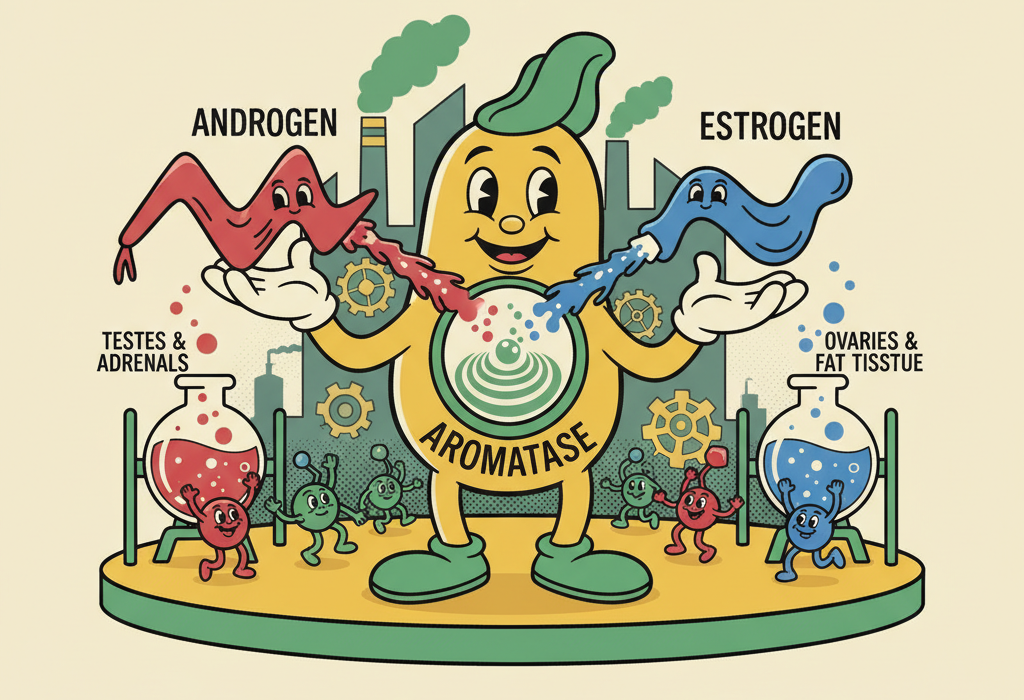
Meet aromatase (uh-ROH-muh-tase). It is a specialized enzyme, which is a protein that speeds up chemical reactions in the body. You can think of aromatase as a biological recycling plant. Its primary job is to take raw materials called androgens (AN-droh-jens), which are typically thought of as male hormones like testosterone, and convert them into estrogen.
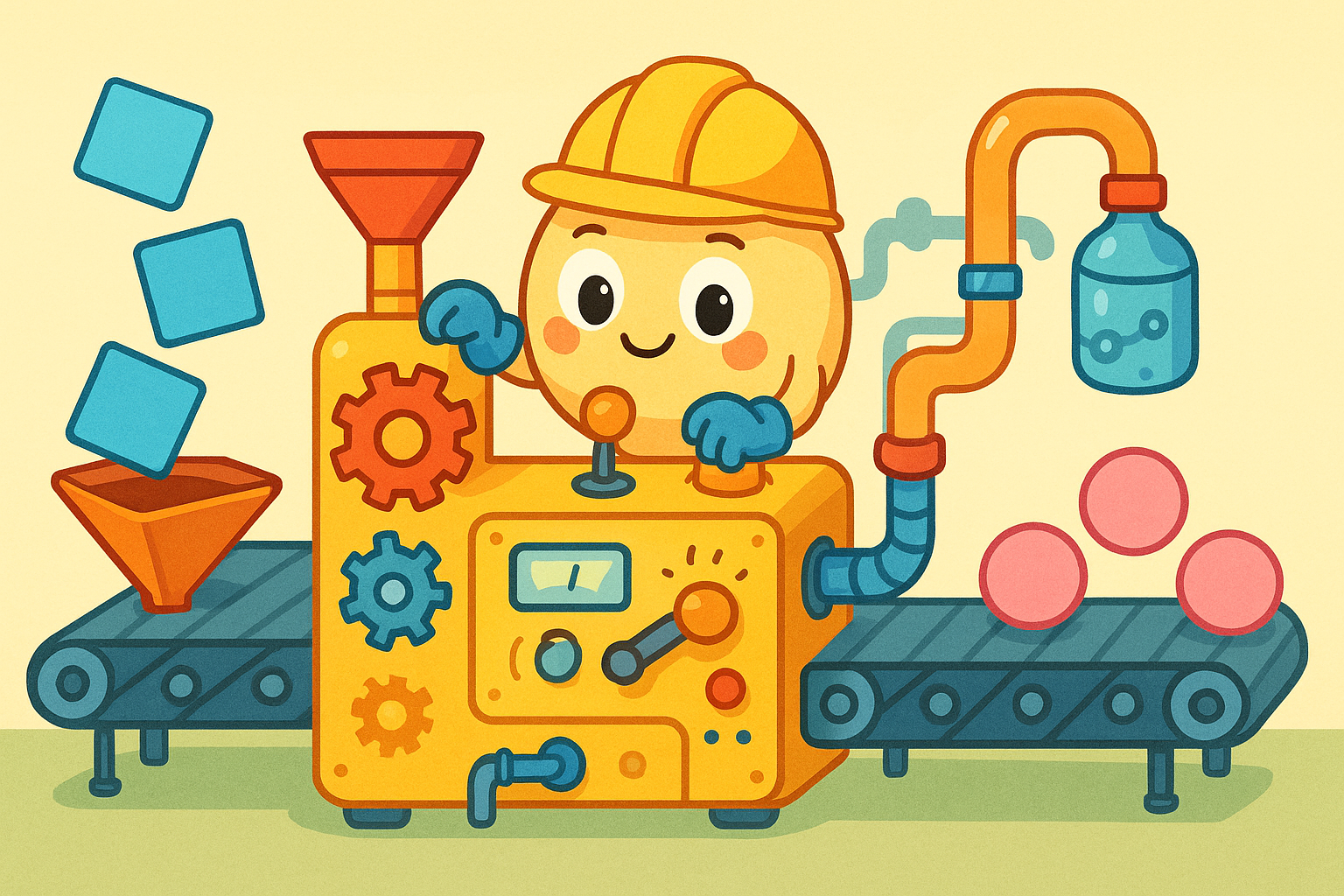
Why does this matter? Estrogen is not just a reproductive hormone. It plays a vital role in maintaining your brain, bones, and skin. However, in some situations, estrogen can fuel diseases like breast cancer.
Scientists have spent decades figuring out how to control this enzyme. When aromatase is too active, it can cause hormonal imbalances. When it is blocked by medication, it can stop cancer in its tracks, though this often comes with difficult side effects. This article explores what the latest research says about aromatase, how blocking it helps treat disease, and what happens when this estrogen factory works overtime.
How The Estrogen Factory Works
Before menopause, the ovaries are the main estrogen factories in a woman’s body. However, after menopause, the ovaries stop producing hormones. Despite this, the body still needs a steady supply of estrogen to function properly.
A 2002 review in the Annual review of physiology explains that aromatase lives in many “extragonadal” places, meaning outside of the reproductive organs. These locations include fat tissue, skin, bone, and even the brain. In these tissues, aromatase makes estrogen for local use rather than sending it into the bloodstream.
For example, in the brain, a 2022 review in Neuroscience and biobehavioral reviews notes that brain-derived estrogen helps regulate memory, learning, and how brain cells communicate. In the skin, estrogen helps maintain collagen and moisture. When aromatase activity drops during menopause, the skin loses elasticity and thickness, as detailed in a 2021 study in Dermatology and therapy.
Turning Off The Factory
Sometimes, doctors need to stop the body from making estrogen entirely. They do this using drugs called aromatase inhibitors (uh-ROH-muh-tase in-HIB-ih-ters). These medications seek out the aromatase enzyme and shut it down.

There are two main types of these drugs, according to a 2006 review in the Journal of the American College of Surgeons:
- Type I (Steroidal): These drugs permanently bind to the enzyme and destroy it. The body has to build brand new enzymes to make estrogen again. Exemestane is a common example, as noted in a 2002 review in Breast cancer research and treatment.
- Type II (Non-steroidal): These drugs temporarily plug the machine. When the drug leaves the body, the enzyme starts working normally again. Letrozole and anastrozole fall into this category.
What the Research Shows
Breast Cancer Prevention and Treatment
Most breast cancers are hormone-receptor-positive, meaning they need estrogen to grow. For postmenopausal women, blocking aromatase essentially starves the tumor.
A 2005 report in The Lancet and a 2011 review in Steroids show that aromatase inhibitors are highly effective at preventing cancer recurrence. They are often compared to tamoxifen, an older drug that blocks estrogen receptors rather than stopping estrogen production entirely. Studies consistently show aromatase inhibitors offer superior protection against cancer returning compared to tamoxifen.
Recently, scientists have tested whether taking these drugs for longer periods offers more protection. A 2025 study in The Lancet looked at over 22,000 women and found that extending aromatase inhibitor therapy to 10 years, instead of the standard 5 years, further reduced the risk of distant cancer recurrence by about 25 percent.
Obesity and Men’s Health
Aromatase is highly active in adipose tissue, which is body fat. This creates a unique problem for men who carry excess weight.
A 2022 review in the International journal of molecular sciences explains that when men gain excess body fat, the extra aromatase converts too much of their testosterone into estrogen. This leads to hypogonadism (hy-poh-GOH-nad-iz-um), a condition where testosterone levels drop too low. This can cause fatigue, loss of muscle, and mood changes. The fat tissue also releases inflammatory signals that further suppress the brain’s ability to signal for more testosterone production.

Related: GLP-1 Weight Loss Drugs: What Real-World Results Actually Show
Polycystic Ovary Syndrome (PCOS)
Aromatase also plays a role in PCOS, a common condition affecting hormones and fertility in women. A 2020 study in Trends in endocrinology and metabolism highlights that natural compounds called inositols can help regulate aromatase activity. Specifically, a form called D-chiro-inositol acts as a natural aromatase inhibitor in the ovaries. Researchers found that a specific 40:1 ratio of myo-inositol to D-chiro-inositol helps restore hormone balance and improve ovulation in women with PCOS.
Common Questions About Aromatase
Does having more body fat increase estrogen?
Yes. Because aromatase lives in fat cells, having more body fat means your body has more enzymes actively converting androgens into estrogen. This is true for both men and women.
Can you naturally lower aromatase activity?
The most effective natural way to lower excess aromatase activity is through weight loss, which reduces the amount of fat tissue. Additionally, some research, like a 2025 review in Molecules, suggests that plant compounds found in rosemary might gently inhibit aromatase, though these are not a replacement for medical treatments.
Why do aromatase inhibitors cause joint pain?
Estrogen naturally helps protect your joints and keep them lubricated. When drugs drastically lower your estrogen levels to protect against cancer, the joints can become stiff, inflamed, and painful as a direct result of that missing estrogen.
Who Benefits Or Needs Caution
Who benefits most:
Postmenopausal women with hormone-receptor-positive breast cancer benefit greatly from aromatase inhibitors. A 2024 review in Bioorganic chemistry confirms that these drugs decrease tumor size, increase survival rates, and lower the chance of cancer recurrence.
Who needs caution:
Because these drugs drastically lower estrogen, they cause body-wide side effects. A 2023 review in Cancer treatment reviews points out that severely low estrogen can lead to bone loss, also known as osteoporosis. The 2025 Lancet study noted a 35 percent increased risk of bone fractures when extending therapy to 10 years.
Furthermore, different aromatase inhibitors affect the body differently. A 2002 overview in Cancer noted that while anastrozole seems to have a neutral effect on cholesterol, letrozole and exemestane can sometimes increase bad cholesterol levels. Patients with a history of heart disease should discuss these specific drug differences with their doctors.
Practical Guidance: Managing Side Effects
The most common reason people stop taking aromatase inhibitors is severe joint and muscle pain, known as Aromatase Inhibitor-Associated Musculoskeletal Syndrome. According to a 2022 paper in SAGE open medicine, up to 50 percent of patients experience this pain. Managing these side effects is critical for staying on the medication.
The research outlines several evidence-based ways to handle this discomfort:
- Vitamin D Supplementation: Many patients on these drugs are deficient in vitamin D. Studies show that high-dose supplementation can significantly decrease joint pain symptoms for some individuals.
- Supervised Exercise: Regular, guided exercise programs help improve mobility, grip strength, and reduce stiffness.
- Acupuncture: Several randomized trials found that true acupuncture significantly decreased joint pain and stiffness after 6 to 8 weeks of consistent sessions.
- Switching Medications: If one drug causes severe pain, switching to a different aromatase inhibitor can sometimes relieve symptoms while still protecting against cancer.
Related: Yoga vs. Physical Therapy for Back Pain: What Science Actually Says
The Bottom Line / Takeaways
- Aromatase is the crucial enzyme responsible for making estrogen in the body by converting androgens into estrogen.
- While estrogen is vital for brain, bone, and skin health, it can also drive hormone-sensitive cancers.
- Aromatase inhibitors are highly effective at preventing breast cancer recurrence, but they come with trade-offs like joint pain, bone loss, and potential cholesterol changes.
- In men, excess body fat increases aromatase activity, which drains testosterone and increases estrogen, leading to hormonal imbalances.
- Managing the side effects of aromatase inhibitors through exercise, vitamin D, and medical guidance is key to successfully completing cancer treatment.
Quick Reference: Key Studies
| Study Focus | Key Finding | Source |
|---|---|---|
| Breast Cancer Survival | Extending aromatase inhibitor therapy to 10 years reduces distant recurrence by 25% but increases fracture risk. | PMID 40783288 |
| Joint Pain Management | Up to 50% of patients get joint pain from AIs. Vitamin D, exercise, and acupuncture can help manage it. | PMID 35321462 |
| Obesity and Testosterone | Excess fat tissue increases aromatase, which converts testosterone to estrogen, lowering male testosterone levels. | PMID 35897769 |
| AI Pharmacology | Different AIs have different side effects. Anastrozole is neutral on lipids, while letrozole may raise cholesterol. | PMID 12404296 |
| PCOS Treatment | A 40:1 ratio of myo-inositol to D-chiro-inositol helps regulate aromatase and improve PCOS symptoms. | PMID 32396844 |
Last updated: March 2026
This article synthesizes findings from peer-reviewed research. It is for educational purposes only and does not constitute medical advice. Consult a healthcare provider before starting any new regimen.
Leave a Reply