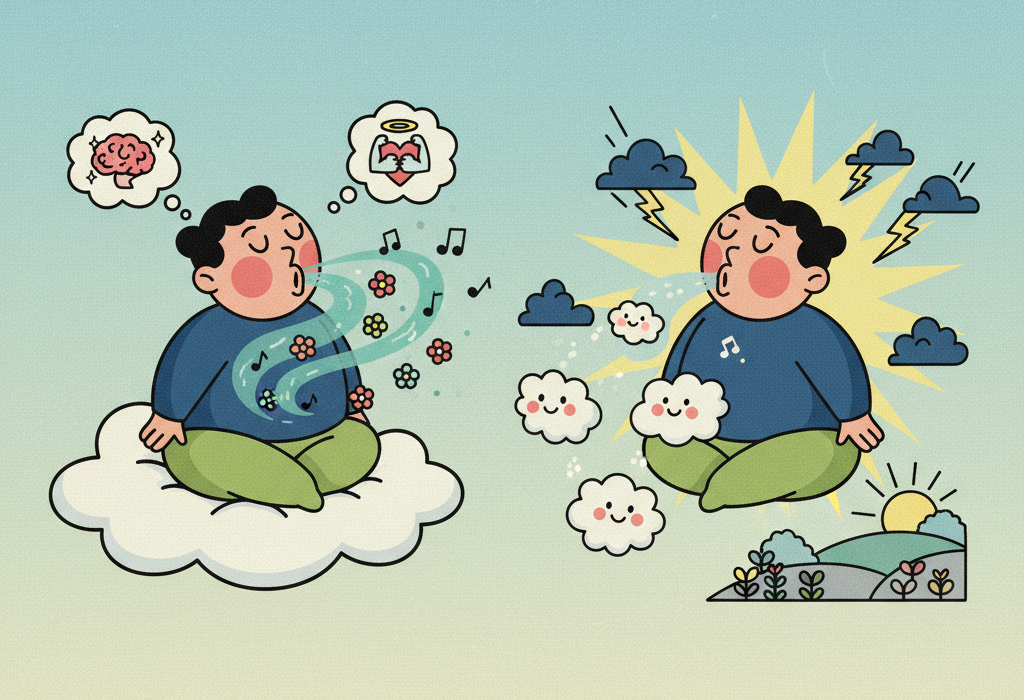
Breathing is something we do thousands of times a day without thinking. It is an automatic process controlled by the brainstem to keep our bodies supplied with oxygen. However, breathing is unique among our vital functions because we can also control it on purpose.
When we intentionally change how fast or how deep we breathe, we do more than just alter oxygen levels. We actually send direct signals to our brain, our heart, and our nervous system. This is why breathing exercises are widely recommended for everything from stress relief to athletic performance.
But what does the science actually say? While breathing exercises are completely natural, they have real, measurable effects on the body. Research shows that specific breathing techniques can help manage anxiety, improve lung and heart conditions, and even reduce acid reflux.
This article explores what peer-reviewed research reveals about breathing exercises, how they work, and who might benefit from them the most.
How Breathing Exercises Affect the Brain and Body
To understand how breathing exercises work, it helps to understand the nervous system. The body has an automatic control center called the Autonomic nervous system (aw-tuh-NAHM-ik). It has two main branches:
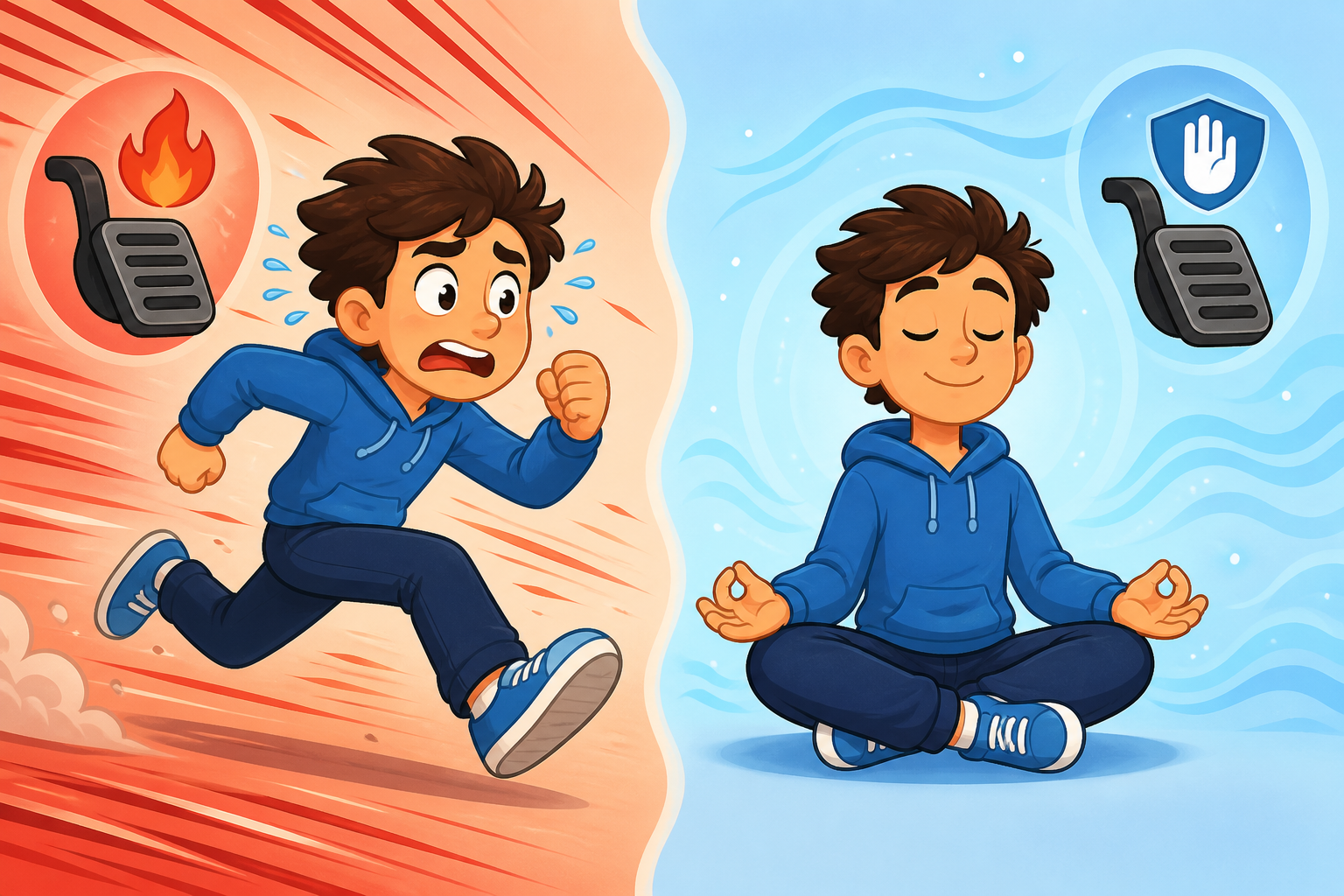
- Sympathetic nervous system: The “gas pedal” that triggers the fight-or-flight response, increasing heart rate and alertness.
- Parasympathetic nervous system: The “brakes” that promote rest, digestion, and recovery.
When we are stressed, the sympathetic system takes over. Breathing exercises work by manually activating the parasympathetic system.
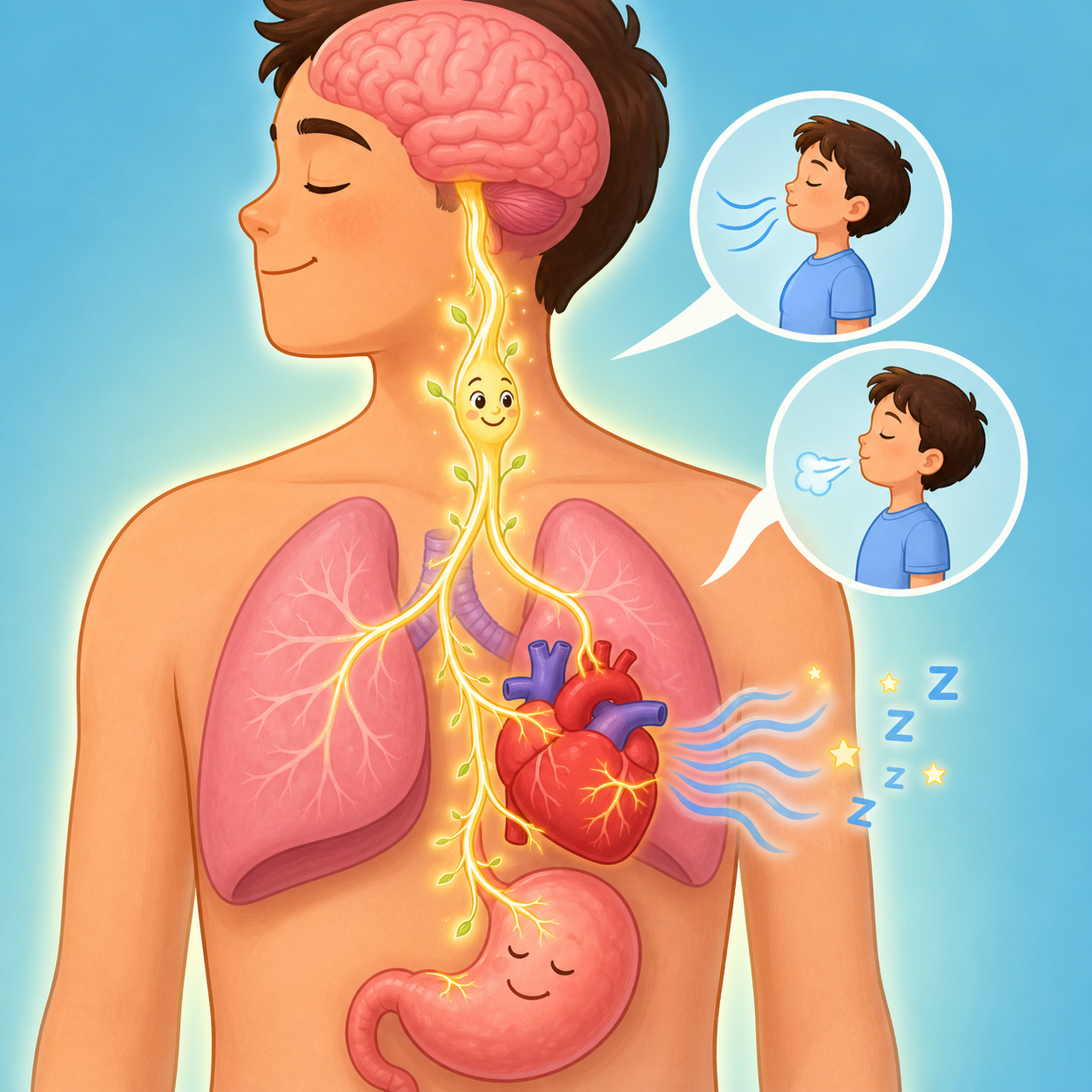
The main pathway for this is the Vagus nerve (VAY-gus), a major nerve connecting the brain to the heart, lungs, and digestive tract. A 2025 review in Medical Sciences explains that slow, deep breathing stimulates the vagus nerve. When you exhale slowly, the vagus nerve releases chemicals that slow down your heart rate and signal your brain to relax.
Scientists measure this relaxation response by looking at Heart rate variability (HRV). HRV is the slight variation in time between your heartbeats. A higher HRV means your nervous system is flexible and recovering well from stress. Research consistently shows that slow-paced breathing maximizes HRV and improves vagal tone.
Related: Cortisol and Stress: What Science Actually Shows About the HPA Axis
What the Research Shows: Stress and Anxiety
One of the most well-known benefits of breathing exercises is stress reduction. When we feel anxious, our breathing often becomes shallow and fast. Reversing this pattern can physically calm the body.
A 2019 systematic review in the JBI Database of Systematic Reviews looked at adults practicing diaphragmatic breathing (breathing deeply into the belly). The researchers found that this practice effectively lowered markers of physical stress, including breathing rate, blood pressure, and cortisol (a primary stress hormone).
Interestingly, these benefits apply across different age groups. A 2021 study in Scientific Reports compared the effects of a single five-minute session of deep and slow breathing in young adults and older adults. Both groups experienced a significant drop in anxiety. Furthermore, the older adults actually showed a greater improvement in parasympathetic nervous system activity than the younger adults. This suggests that breathing exercises are a highly effective, accessible tool for healthy aging and stress management.
Does Breathing Training Help Lung and Heart Conditions?
For people with chronic heart and lung conditions, breathing exercises often take a different form. Instead of just focusing on relaxation, physical therapists use a technique called Inspiratory muscle training (in-SPY-ruh-tor-ee), or IMT.
IMT is essentially weightlifting for your breathing muscles. It involves breathing in through a handheld device that provides resistance, making your Diaphragm (DY-uh-fram) and chest muscles work harder.
Chronic Obstructive Pulmonary Disease (COPD)
COPD is a lung disease that makes it hard to breathe. Because breathing is difficult, the respiratory muscles often become fatigued.
A 2024 network meta-analysis in the Archives of Physical Medicine and Rehabilitation compared various breathing exercises for over 1,900 COPD patients. The researchers found that IMT was highly effective for boosting exercise capacity, while diaphragmatic breathing helped improve overall lung function.
Additionally, a 2022 randomized controlled trial in The Clinical Respiratory Journal found that combining IMT with manual physical therapy significantly improved breathing capacity, reduced fatigue, and enhanced the quality of life for patients with severe COPD.
Heart Failure
Heart failure occurs when the heart cannot pump blood efficiently. This often leads to poor blood flow to the breathing muscles, causing them to weaken and fatigue easily.
A 2020 meta-analysis in Physical Therapy reviewed 14 studies on IMT for patients with heart failure. The findings showed that isolated IMT significantly increased inspiratory muscle strength, the distance patients could walk in six minutes, and overall quality of life. The benefits were greatest for patients who already had respiratory muscle weakness and those who trained with higher resistance loads.
Asthma
The evidence for breathing exercises in asthma is positive but slightly mixed depending on the goal. A 2023 meta-analysis in the Annals of Physical and Rehabilitation Medicine found that IMT significantly increased breathing muscle strength in adults with asthma.
However, breathing exercises may not replace the benefits of general physical fitness. A 2024 trial in The Journal of Allergy and Clinical Immunology: In Practice tested whether adding breathing exercises to an aerobic workout program improved asthma control more than aerobic exercise alone. The researchers found no extra benefit. Both groups improved, indicating that general aerobic exercise is highly effective on its own.
Breathing Exercises for Surgery Recovery and Pain
Breathing exercises are frequently used in hospitals to help patients recover from surgery and manage pain.
When patients undergo major surgery, especially lung surgery, they are at a high risk for postoperative complications like pneumonia. A 2021 meta-analysis in the Archives of Physical Medicine and Rehabilitation looked at patients undergoing surgery for lung cancer. The researchers found that patients who practiced breathing exercises before their surgery had shorter hospital stays, a lower risk of pneumonia, and fewer overall lung complications after surgery.
Breathing techniques also play a role in pain management. A 2023 systematic review in Pain Management Nursing evaluated breathing exercises for cancer survivors. The review found that slow, pursed-lip breathing helped reduce post-surgical pain, offering a simple, non-drug method to help manage discomfort.
Can Breathing Exercises Help Acid Reflux?
It might sound surprising, but the way you breathe can impact your digestion.
Gastroesophageal reflux disease (GERD) happens when stomach acid flows back into the esophagus. The diaphragm muscle sits right where the esophagus meets the stomach. When the diaphragm is strong, it acts as a physical barrier that pinches the opening shut, keeping acid where it belongs.
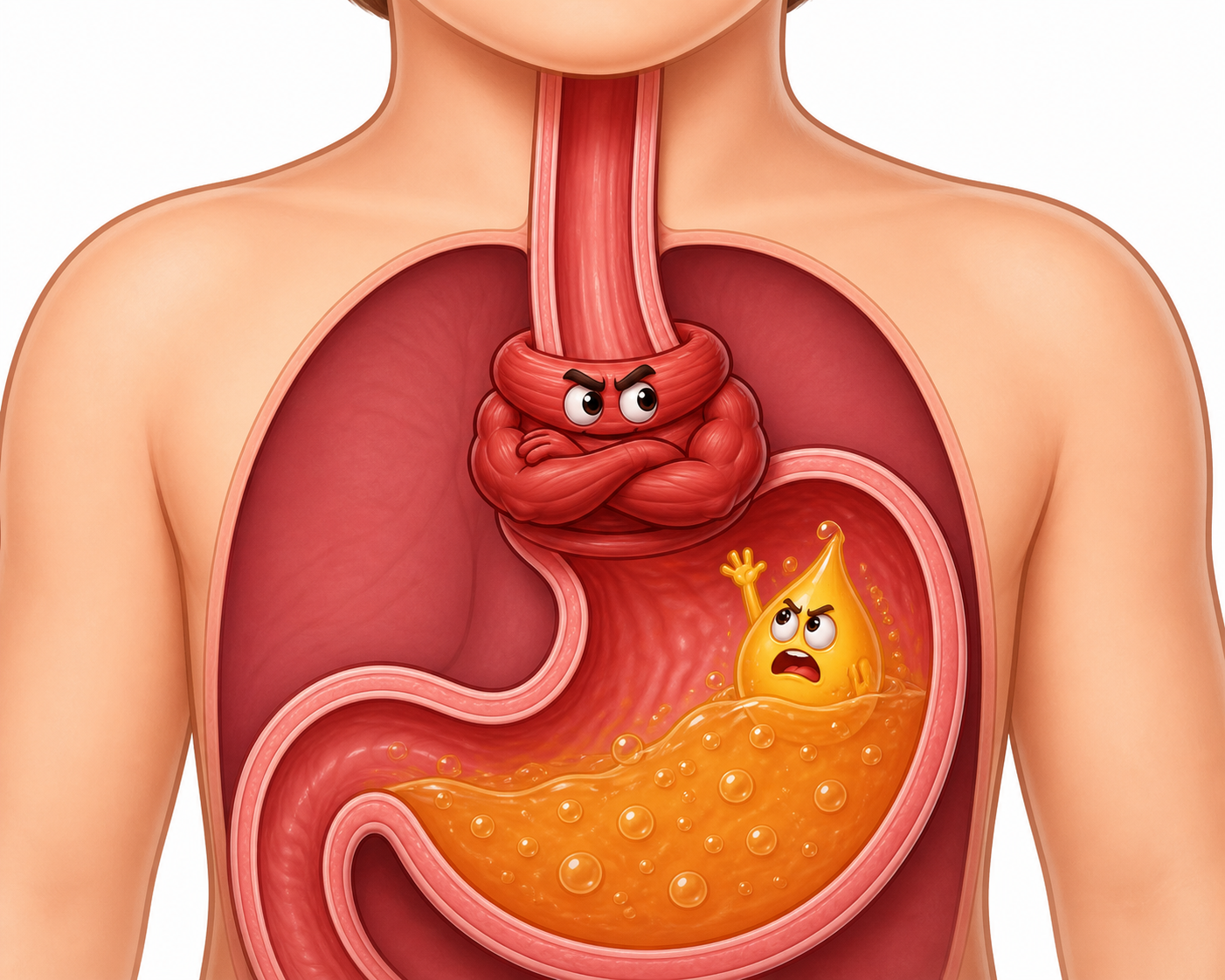
A 2023 systematic review in Dysphagia examined the use of diaphragmatic breathing training for GERD. The research showed that strengthening the diaphragm through targeted breathing exercises improved the anti-reflux barrier. Patients who practiced these exercises experienced fewer reflux symptoms, improved quality of life, and in some cases, were able to reduce their use of acid-blocking medications.
Practical Guidance: Types of Breathing Exercises
Research highlights three primary ways to practice breathing exercises, depending on your goals:
1. Slow, Deep Breathing (For Stress and Anxiety)
- How it works: The goal is to slow your breathing rate to about 6 breaths per minute.
- The method: Inhale slowly through your nose for about 4 seconds, and exhale slowly through your mouth for 6 seconds. Making the exhale longer than the inhale is the key to triggering the parasympathetic nervous system.
2. Diaphragmatic Breathing (For GERD and Relaxation)
- How it works: Also known as belly breathing, this focuses on engaging the diaphragm rather than the chest and shoulder muscles.
- The method: Place one hand on your chest and one on your belly. Breathe in deeply through your nose, letting your belly push your hand outward. Your chest should remain relatively still. Exhale slowly.
3. Inspiratory Muscle Training (For Lung and Heart Conditions)
- How it works: This requires a specialized handheld device (often prescribed by a physical therapist) that provides resistance when you breathe in.
- The method: Patients typically practice breathing forcefully against the resistance for a set number of repetitions each day to build muscle strength.
Who Benefits Or Needs Caution
Who benefits most:
- Individuals dealing with chronic stress or anxiety.
- Older adults looking to maintain nervous system flexibility.
- Patients with COPD or heart failure (under medical supervision).
- People with mild to moderate acid reflux (GERD).
- Patients preparing for or recovering from abdominal or chest surgery.
Who should use caution:
- People with severe asthma or active lung infections should consult a doctor before starting resistance-based breathing training.
- Individuals prone to dizziness or fainting should avoid breathing techniques that involve rapid hyperventilation or prolonged breath-holding.
The Bottom Line
Breathing exercises are a free, accessible, and scientifically backed tool for improving both mental and physical health.
For stress and anxiety, slow and deep breathing directly signals the nervous system to calm down, lowering heart rate and blood pressure. For medical conditions like COPD, heart failure, and GERD, specific techniques like Inspiratory Muscle Training and diaphragmatic breathing can physically strengthen the muscles needed for respiration and digestion.
While breathing exercises are not a cure-all, the evidence strongly supports their use as a daily habit for stress management and as a complementary therapy for various health conditions.
Quick Reference: Key Studies
| Study Focus | Key Finding | Source |
|---|---|---|
| Stress & Vagal Tone | Deep, slow breathing increased parasympathetic activity and reduced anxiety, with older adults showing significant benefits. | PMID 34588511 |
| Acid Reflux (GERD) | Diaphragmatic breathing strengthened the anti-reflux barrier, reducing symptoms and medication use. | PMID 35842548 |
| Heart Failure | Inspiratory muscle training (IMT) significantly improved breathing muscle strength, walking distance, and quality of life. | PMID 32936904 |
| COPD | Combining IMT with manual therapy improved exercise capacity, reduced fatigue, and lessened breathlessness. | PMID 35332685 |
| Surgery Recovery | Preoperative breathing exercises for lung surgery patients reduced hospital stays and lowered the risk of pneumonia. | PMID 33930327 |
| Physical Stress | Diaphragmatic breathing successfully lowered physiological markers of stress, including cortisol and blood pressure. | PMID 31436595 |
Last updated: August 2026
This article synthesizes findings from peer-reviewed research. It is for educational purposes only and does not constitute medical advice. Consult a healthcare provider before starting any new regimen.


Leave a Reply