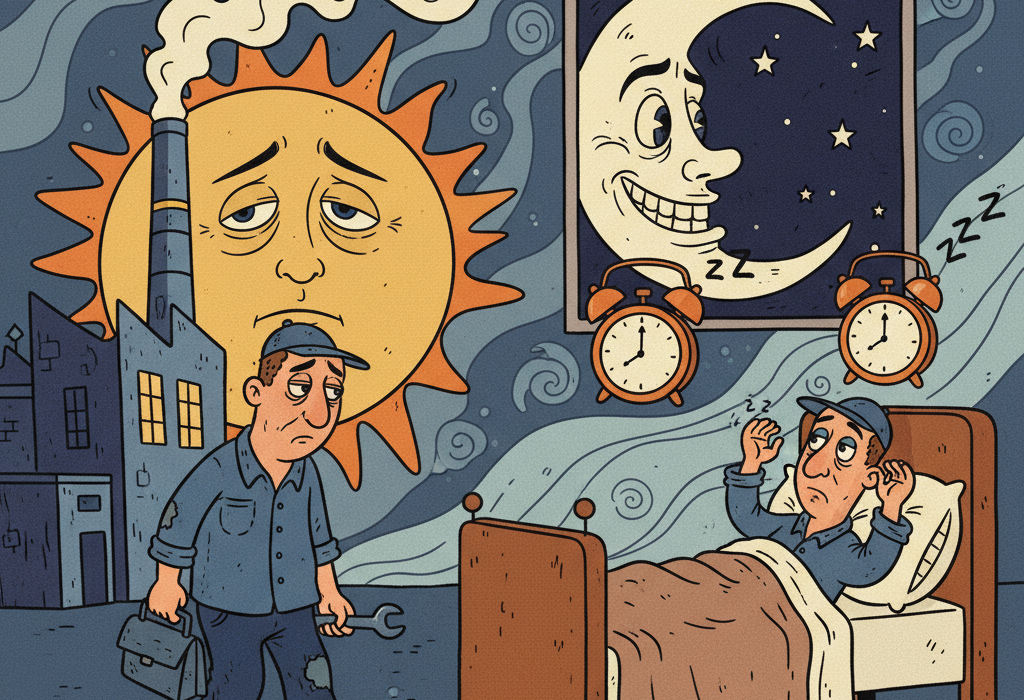
Imagine trying to eat a heavy dinner at 3:00 AM, going to bed at noon, and waking up just as the sun sets. For most people, this sounds exhausting. Yet, this is the daily reality for millions of nurses, doctors, emergency responders, and factory workers who keep society running 24 hours a day.
While our modern world requires around-the-clock labor, human biology has not evolved to match it. Research consistently shows that working outside of standard daytime hours takes a measurable toll on sleep quality, mental sharpness, and long-term health.
In fact, a 2026 meta-analysis in the International Journal of Nursing Studies involving over 15,000 nurses found that 45.5% of them experience a condition known as shift work disorder. This condition is characterized by severe insomnia, excessive sleepiness, and chronic fatigue directly tied to work schedules.
However, the science of shift work is not entirely bleak. Researchers have identified exactly why shift work disrupts the body and, more importantly, what individuals and employers can do to minimize the damage. This article synthesizes the latest peer-reviewed evidence to explain how shift work affects your health and what science says actually works to improve it.
How This Might Work: The Biology of Shift Work
To understand why shift work is so exhausting, we have to look at how the body regulates sleep. Sleep is controlled by two main biological systems that usually work together in perfect harmony.
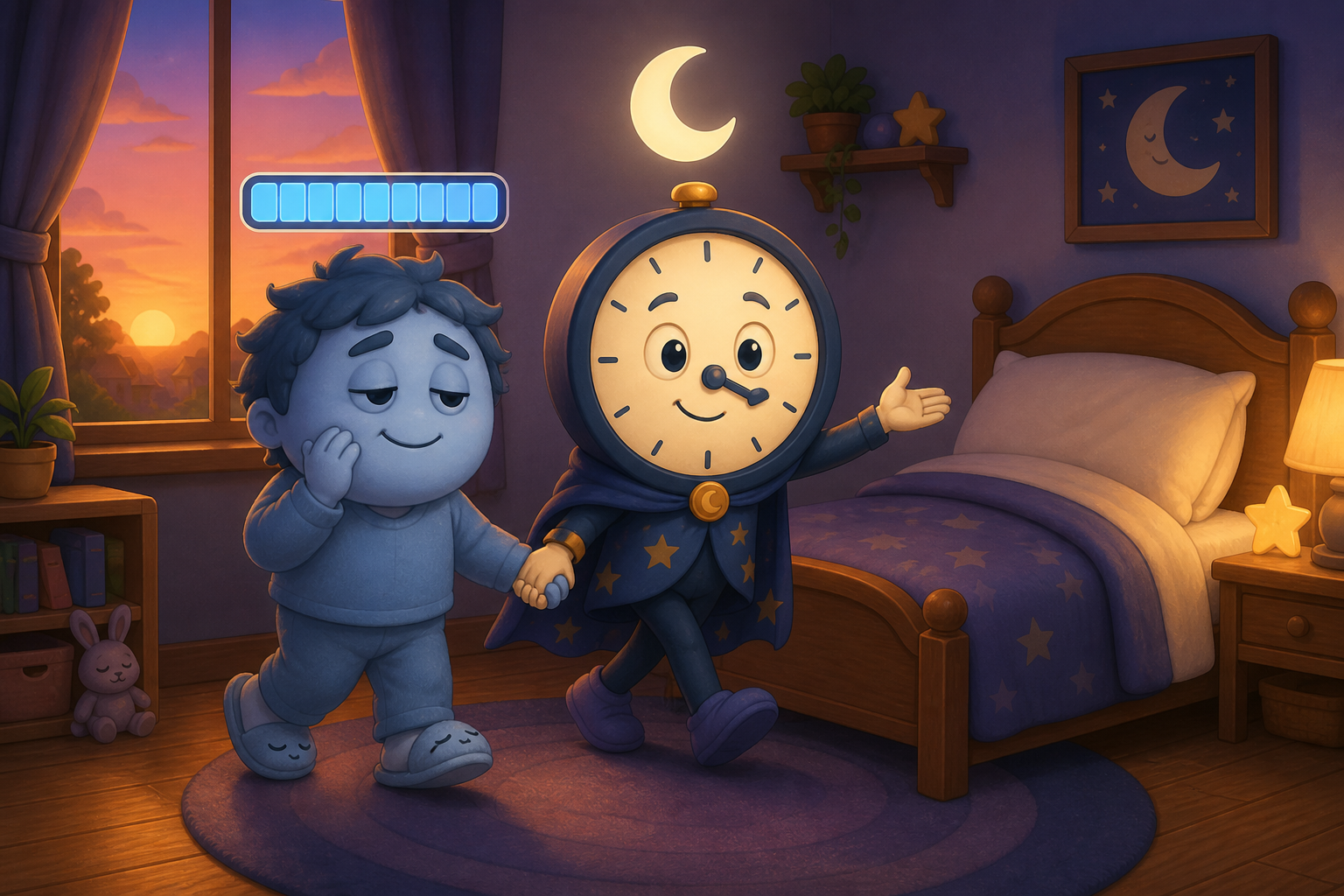
The first system is sleep homeostasis (ho-mee-oh-STAY-sis), which is the physical pressure to sleep that builds up in your brain the longer you stay awake. The second system is your circadian rhythm (sir-KAY-dee-un RITH-um), which is the 24-hour internal clock that tells your body when to be alert and when to rest.
Related: How Your Circadian Rhythm Controls Sleep (And What Science Says About Fixing It)
Under normal circumstances, these systems align. By late evening, you have been awake long enough to build up sleep pressure, and your circadian rhythm begins releasing melatonin (mel-uh-TOE-nin), a hormone that prepares the body for rest.
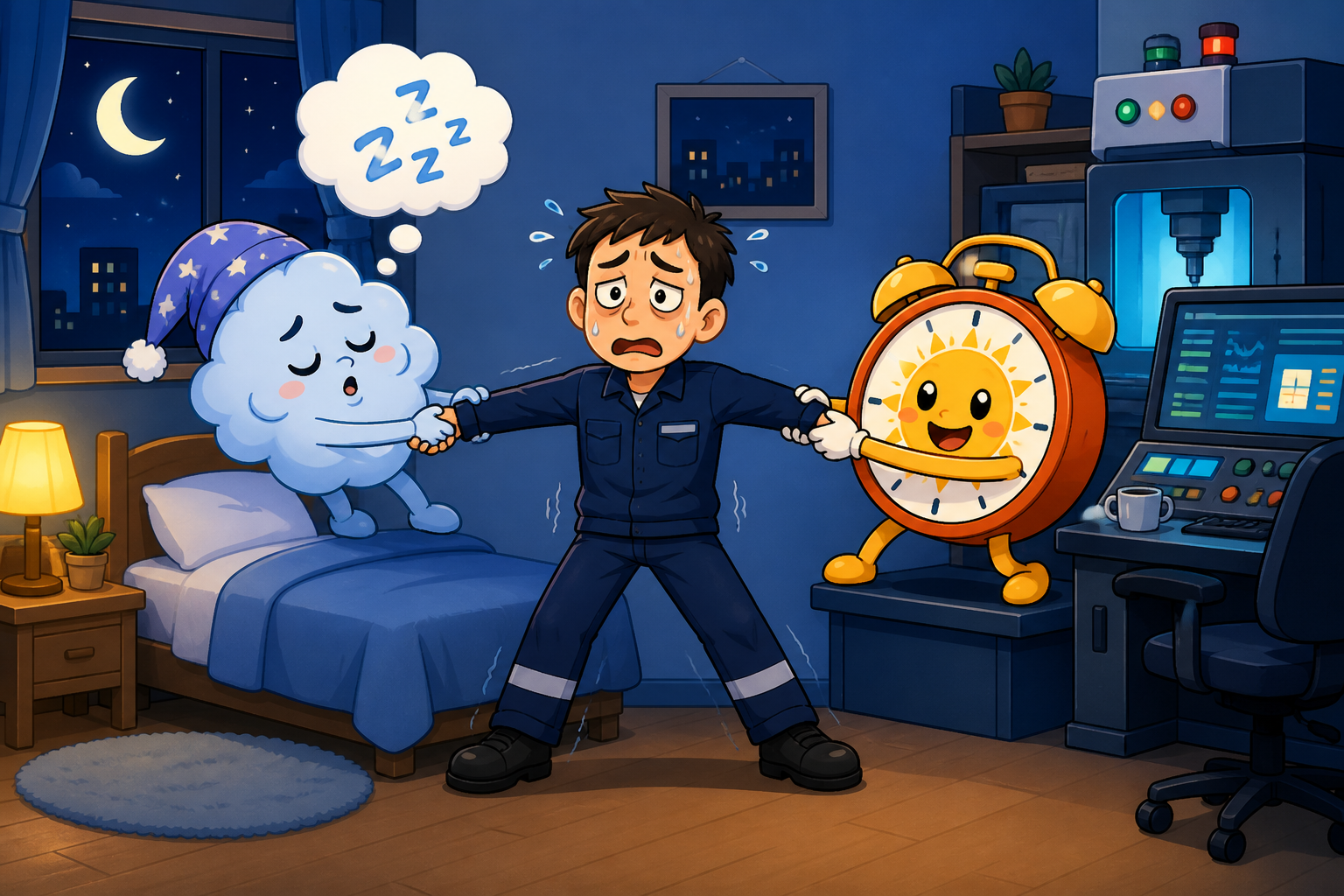
Shift work forces these two systems into direct conflict. A 2022 review in the Journal of Biological Rhythms explains that night workers experience “circadian misalignment.” When a night shift worker tries to sleep during the day, their homeostatic sleep pressure is high because they are tired, but their circadian rhythm is actively sending “wake up” signals based on daylight.
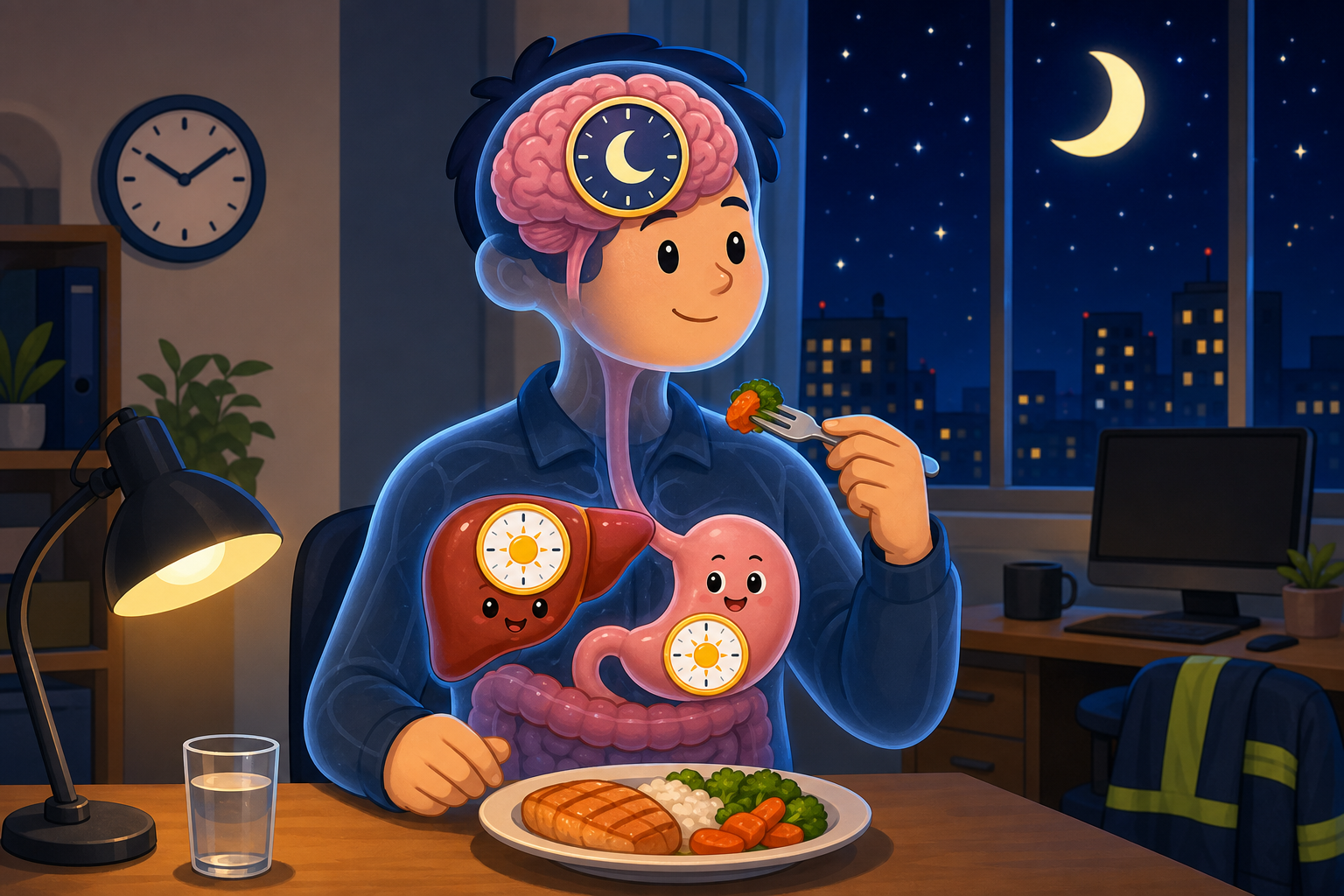
Furthermore, the body does not have just one clock. While the central clock in the brain is controlled by light, peripheral clocks in organs like the liver and stomach are controlled by food intake. When shift workers eat meals in the middle of the night, their digestive clocks fall out of sync with their brain clocks. This internal confusion is a primary driver of the health issues associated with shift work.
What the Research Shows: How Different Shifts Affect Sleep
Not all shift work affects the body in the same way. The timing of the shift dictates the specific type of sleep disruption a worker will experience.
Night Shifts
Night shifts are generally considered the most disruptive to sleep architecture. A 2003 review in Occupational Medicine notes that sleep after a night shift is typically truncated. Even if a worker is exhausted, they will often wake up after just four or five hours because their rising core body temperature and circadian alerting signals force them awake.
Furthermore, a 2019 study in Scientific Reports tracking intensive care workers found that subjective sleepiness and objective attention lapses were highest at the end of the very first night shift, as well as on subsequent night shifts. The body rarely adapts fully to working at night.
Early Morning Shifts
While night shifts truncate daytime sleep, early morning shifts truncate nighttime sleep. Workers scheduled to start at 5:00 AM or 6:00 AM often struggle to fall asleep early enough the night before. Because the circadian rhythm naturally promotes wakefulness in the early evening, a worker cannot simply force themselves to fall asleep at 8:00 PM. This results in shortened sleep durations and severe grogginess upon waking.
Quick Returns
One of the most dangerous scheduling practices is the “quick return”, which occurs when a worker has less than 11 hours of rest between two shifts. For example, finishing an evening shift at 11:00 PM and starting a morning shift at 7:00 AM.
A 2025 prospective cohort study in the International Journal of Nursing Studies followed over 25,000 healthcare employees and found that frequently experiencing quick returns from night shifts nearly doubled the risk of developing a physician-diagnosed sleep disorder.
| Shift Type | Primary Sleep Challenge | Biological Cause |
|---|---|---|
| Night Shift | Difficulty staying asleep during the day. | Daylight and rising body temperature signal the brain to wake up. |
| Morning Shift | Difficulty falling asleep early enough at night. | Circadian rhythm promotes alertness in the early evening. |
| Quick Returns | Severe total sleep deprivation. | Insufficient time to commute, wind down, and sleep. |
Does Shift Work Cause Long-Term Health Problems?
Because sleep and circadian rhythms regulate nearly every system in the body, chronic disruption can lead to long-term health consequences. A 2016 review in The BMJ synthesized dozens of studies and found that the health risks of shift work closely mirror the health risks of chronic sleep deprivation.
Metabolic and Cardiovascular Health
Shift workers are at a notably higher risk for metabolic syndrome, weight gain, and type 2 diabetes. A 2023 study in the International Archives of Occupational and Environmental Health tracking 730 nurses found that a heavier night shift load was associated with increasing body mass index, higher body fat, and abnormal cholesterol levels.
This happens because eating during the biological night impairs glucose tolerance. The pancreas releases less insulin at night, meaning that a meal eaten at 2:00 AM causes a much larger spike in blood sugar than the exact same meal eaten at 2:00 PM.
Brain Health and Cognitive Decline
Chronic sleep disruption also affects the brain over time. A 2023 study in Sleep analyzed data from the UK Biobank, tracking thousands of middle-aged and older adults over an average of eight years. The researchers found that engaging in shift work, especially with short sleep durations, predicted a significant reduction in cognitive performance, particularly in reasoning and prospective memory.
Men’s Health and Sexual Function
Circadian disruption also impacts hormone production. A 2020 study in The Journal of Sexual Medicine evaluated men working non-standard shifts. The researchers found that men suffering from shift work sleep disorder had significantly worse erectile function than daytime workers. Interestingly, testosterone therapy helped improve symptoms, suggesting that circadian disruption impairs sexual health partly by suppressing natural hormone production.
Who Is Most Vulnerable to Shift Work Problems?
Not everyone responds to shift work in the same way. Research shows that certain populations are more vulnerable to the negative effects of irregular schedules.
- Chronotype Differences: Your chronotype is your natural preference for mornings or evenings. A 2019 study in the Journal of Sleep Research found that “morning larks” experience significantly more sleep disturbances when working night shifts compared to “night owls.”
- Age Factors: Aging changes how the body handles sleep. The same 2019 Dutch study noted that older shift workers (over age 50) experienced much shorter sleep durations between night shifts than younger workers. However, a 2026 study in BMJ Open found that younger workers (under 55) actually reported higher odds of overall sleep disturbance, possibly due to a mix of biological adaptation and higher social or family demands on younger workers.
- Experience Level: A 2021 scoping review in PLoS One noted that experienced nurses often tolerate shift work better than novices, largely because they have developed strict coping routines and have secured family support for their unconventional hours.
Practical Guidance: How to Manage Shift Work Sleep
Mitigating the effects of shift work requires a combination of individual habits and institutional scheduling policies. A 2019 review in the Journal of Nursing Management outlined several evidence-based strategies.
What Individuals Can Do
1. Use Light Strategically: Light is the strongest signal to the circadian clock. Shift workers should expose themselves to bright light during the first half of a night shift to promote alertness. Conversely, they should wear dark sunglasses during the morning commute home to prevent sunlight from suppressing their natural melatonin production.
2. Prioritize Sleep Regularity: A 2024 study in Sleep Medicine tracking paramedics found that those who maintained more regular sleep patterns and prioritized one major sleep period between night shifts tolerated shift work much better than those who relied on fragmented naps.
3. Time Caffeine and Meals: Caffeine stays in the system for hours. Shift workers should stop consuming caffeine at least four hours before their shift ends. Additionally, limiting heavy meals during the biological night can help prevent the metabolic issues associated with shift work.
Related: The Science of Jet Lag and Circadian Rhythms: How Timing Affects Your Health
What Institutions Can Do
1. Allow Planned Napping: Naps are highly effective at restoring temporary alertness. Studies show that a 15 to 30-minute nap during a night shift can significantly reduce fatigue and prevent medical errors. Institutions should create quiet, dark break rooms and establish policies that encourage strategic napping.
2. Eliminate Quick Returns: Scheduling a worker for a morning shift immediately following an evening shift guarantees sleep deprivation. Health care organizations should ensure a minimum of 11 hours of rest between shifts.
3. Use Forward Rotation: When workers must rotate through different shifts, a “forward rotation” (moving from morning, to evening, to night) is biologically easier to tolerate than a backward rotation. It is easier to delay the body clock by staying up later than it is to force the body to sleep earlier.
Common Questions About Shift Work and Sleep
Does the body ever fully adapt to night shifts?
For the vast majority of people, no. Unless a worker lives in complete darkness during the day and is exposed to intense bright light at night on both workdays and days off, their central circadian clock will remain locked to the natural sun cycle.
Are 12-hour shifts better or worse than 8-hour shifts?
Research is mixed. Many workers prefer 12-hour shifts because they result in more full days off work, which aids work-life balance. However, 12-hour shifts are associated with higher acute fatigue at the end of the shift and an increased risk of errors.
Can melatonin supplements help shift workers?
Some studies suggest that taking a low dose of melatonin before daytime sleep can help night shift workers fall asleep faster. However, it does not completely override the circadian rhythm, and workers should consult a doctor before using it regularly.
The Bottom Line
Shift work fundamentally disrupts the biological systems that regulate sleep, metabolism, and cognitive function. The research clearly shows that working outside of standard daytime hours increases the risk of sleep disorders, cardiovascular disease, metabolic syndrome, and workplace accidents.
While we cannot change human biology, both individuals and employers can take evidence-based steps to reduce the harm. Strategic use of light, planned napping, careful caffeine timing, and the elimination of rapid shift turnarounds are proven ways to protect the health of those who keep our world running 24/7.
Quick Reference: Key Studies
| Study Focus | Key Finding | Source |
|---|---|---|
| Shift Work Disorder Prevalence | 45.5% of nurses experience shift work disorder, with high stress and quick shifts being major risk factors. | PMID 41223687 |
| Quick Returns and Sleep | Frequently having less than 28 hours between night shifts or quick returns doubles the risk of diagnosed sleep disorders. | PMID 39929033 |
| Cognitive Decline | Shift work and short sleep duration longitudinally predict lower cognitive performance in middle-aged and older adults. | PMID 37004209 |
| Metabolic Risks | Higher night shift loads correlate with increasing BMI, body fat, and abnormal cholesterol levels. | PMID 37874403 |
| Circadian Misalignment | The central clock resists adaptation to night shifts, causing internal desynchrony between the brain and peripheral organs. | PMID 34969316 |
| Sexual Health | Shift work sleep disorder significantly impairs erectile function, though testosterone therapy can mitigate some effects. | PMID 32736945 |
| Health Consequences | Shift work is associated with increased risks of type 2 diabetes, heart disease, weight gain, and occupational accidents. | PMID 27803010 |
Last updated: August 2026
This article synthesizes findings from peer-reviewed research. It is for educational purposes only and does not constitute medical advice. Consult a healthcare provider before starting any new regimen.



Leave a Reply