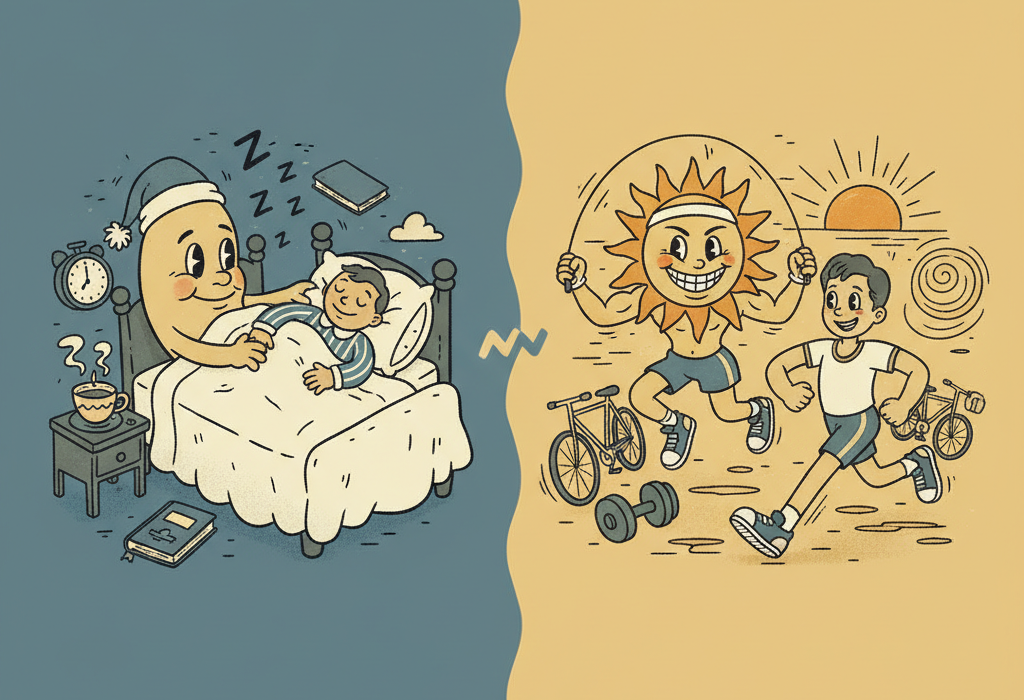
If you have ever struggled with sleep, you have probably been told to exercise more. The logic seems simple: tire your body out during the day, and you will sleep better at night.
Science largely supports this idea. Regular exercise is highly effective at improving sleep quality, helping you fall asleep faster, and reducing nighttime awakenings. However, the relationship between movement and rest is complex. A hard workout right before bed can actually keep you awake, while certain types of exercise, like Pilates and yoga, seem to offer unique benefits for your sleep cycle.
This article breaks down what current research says about how different exercises affect your sleep, when you should schedule your workouts, and how to build a routine that actually helps you rest.
What is Sleep Hygiene?
Before looking at exercise, it helps to understand the broader concept of sleep hygiene.
A 2024 review in Sleep Medicine Reviews looked at hundreds of studies and found that while there is no single universal definition, sleep hygiene generally refers to the behavioral and environmental choices you make that affect your sleep.
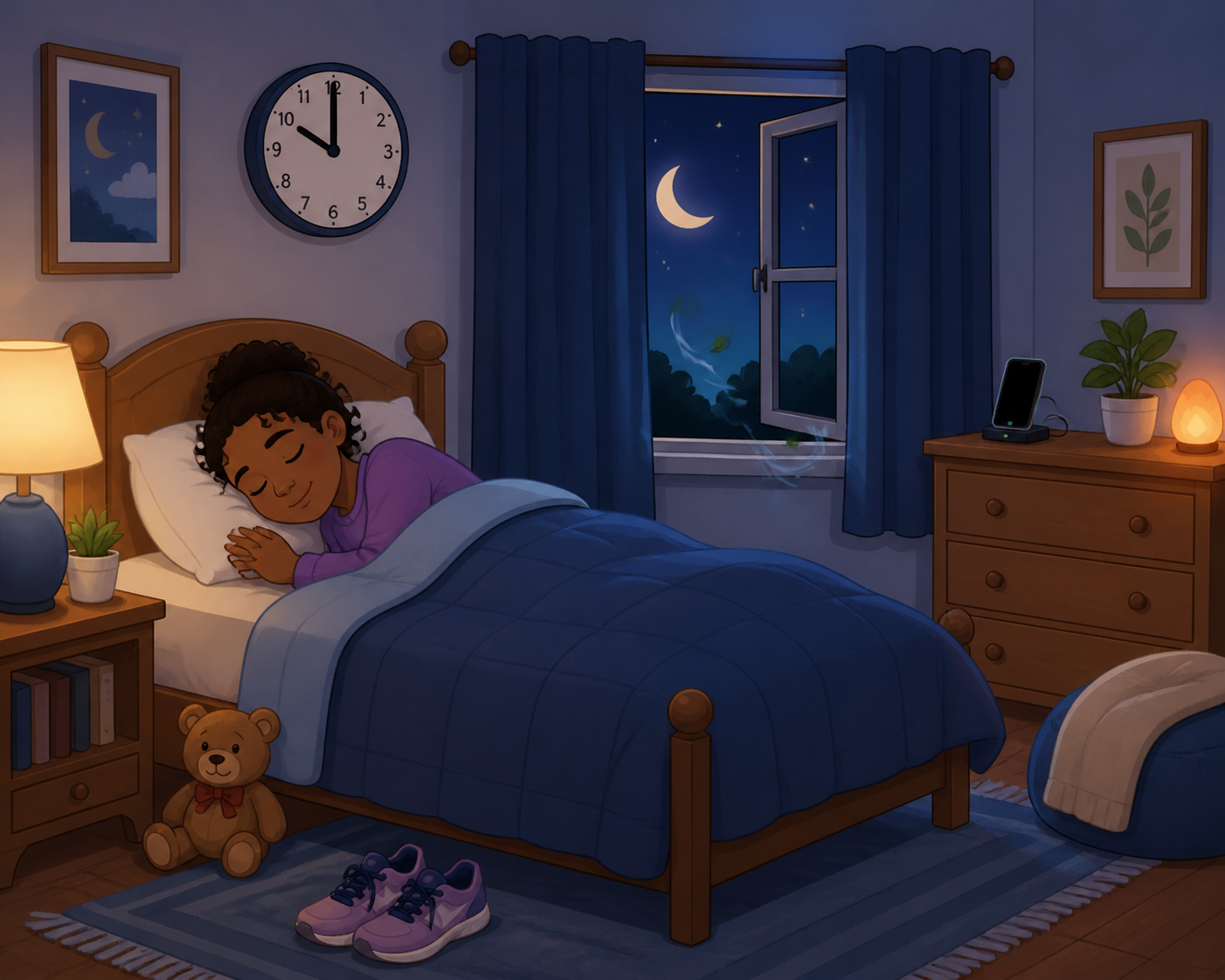
Common sleep hygiene practices include:
- Keeping a consistent bedtime and wake-up time
- Managing light exposure (especially avoiding bright screens at night)
- Controlling bedroom temperature and noise
- Limiting caffeine and alcohol late in the day
- Engaging in regular physical activity
Exercise is a core pillar of sleep hygiene, but as researchers are discovering, it must be applied correctly to get the best results. Related: How Your Circadian Rhythm Controls Sleep (And What Science Says About Fixing It)
What the Research Shows: The Best Exercises for Sleep
When scientists study sleep, they often use a tool called the Pittsburgh Sleep Quality Index (PSQI). This questionnaire measures multiple aspects of sleep, including how long it takes to fall asleep, total sleep time, and daytime tiredness.
Recent large-scale reviews comparing different types of exercise have revealed clear patterns in what works best.
Mind-Body Exercises (Pilates, Yoga, and Tai Chi)
Some of the strongest evidence for sleep improvement points to mind-body exercises. These activities combine physical movement with focused breathing and mental relaxation.
A 2025 network meta-analysis in BMC Public Health compared 86 studies involving over 7,200 participants. The researchers found that Pilates was the most effective exercise modality for improving overall sleep quality, followed closely by aerobic exercise and combination training.
Similarly, a 2026 review in BMJ Evidence-Based Medicine found that yoga likely results in a large increase in total sleep time (adding an average of 110 minutes per night based on sleep diaries) and helps people fall asleep almost 30 minutes faster. Tai Chi was also shown to significantly reduce the time spent awake after initially falling asleep. Related: Pilates vs. Yoga: What Science Actually Says About Which Is Better for You
Aerobic Exercise
Traditional cardio workouts, such as walking, jogging, and cycling, are also highly effective.
A 2024 analysis in the Journal of Clinical Sleep Medicine focusing on middle-aged and older adults found that aerobic exercise was the most effective method for improving total sleep scores and reducing the time it takes to fall asleep.
Aerobic exercise works particularly well when combined with standard sleep hygiene education. A study in Sleep Medicine followed older adults with chronic insomnia. Those who completed a 16-week aerobic exercise program alongside sleep hygiene education saw significant improvements in sleep duration, daytime energy, and mood compared to those who only received education.
Resistance Training
Lifting weights or doing bodyweight exercises also improves sleep, though sometimes slightly less than Pilates or aerobic work. However, when resistance training is combined with aerobic exercise, the benefits are substantial. A 2022 review in Sleep Medicine Reviews found that for older adults, a combination of muscle endurance training and walking was the single most optimal program for enhancing sleep quality.
The Timing Trap: Why Evening Workouts Can Backfire
If exercise is good for sleep, doing it right before bed might seem like a good way to tire yourself out. However, recent data suggests this can be a mistake depending on how hard you push yourself.
A 2025 study in Nature Communications analyzed data from over 14,000 physically active people, tracking more than 4 million nights of sleep using wearable biometric devices. The researchers looked at how the timing and “strain” (intensity and duration) of evening exercise affected sleep.
The findings were clear:
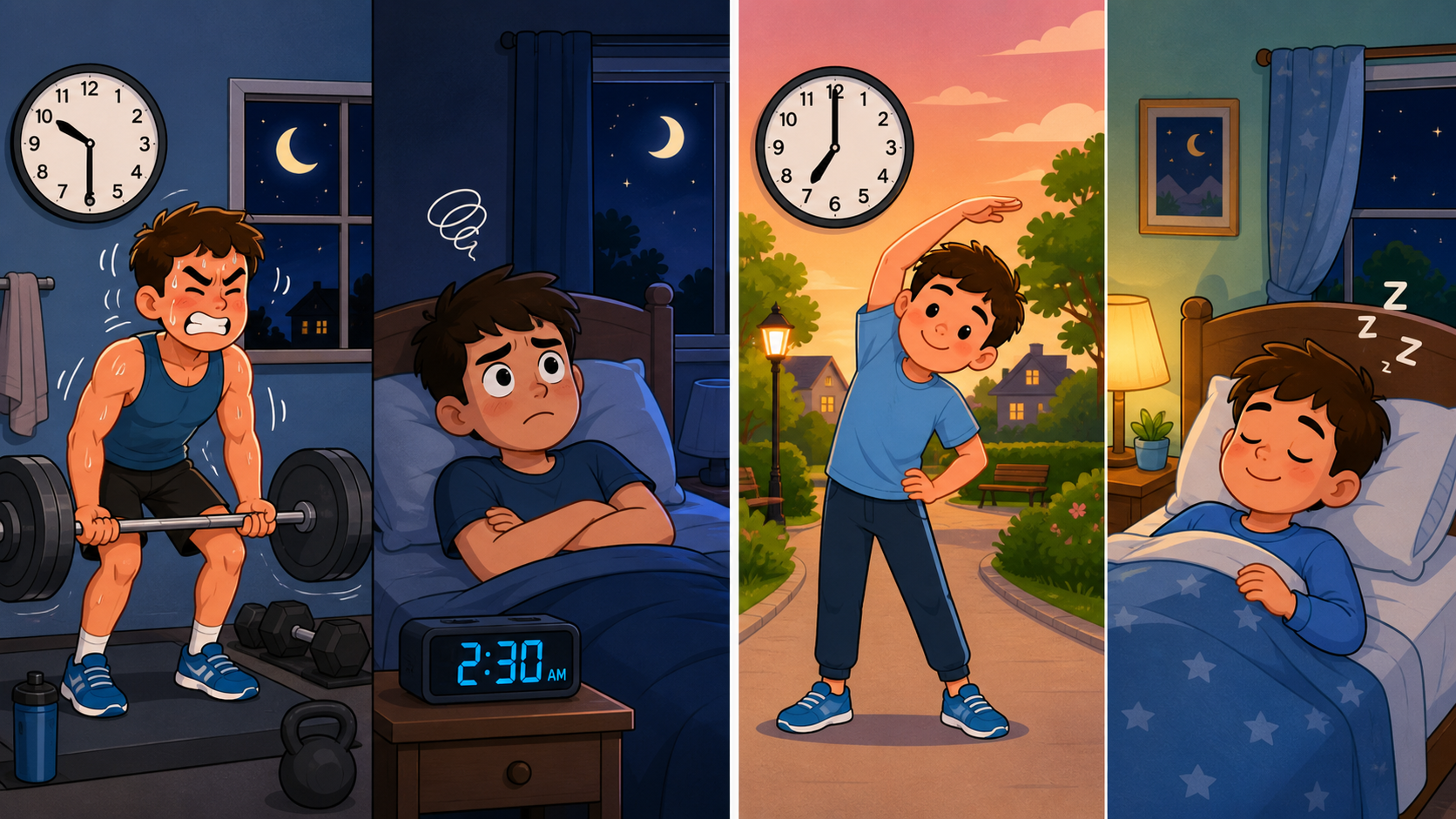
- High strain delays sleep: Engaging in maximal or high-strain exercise within two hours of bedtime delayed sleep onset by up to 80 minutes and reduced total sleep time by about 42 minutes.
- Heart rate stays elevated: Strenuous evening exercise increased nighttime resting heart rate and decreased nighttime heart rate variability.
- Light exercise is safe: Light strain exercise in the evening did not negatively impact sleep.
- The 4-hour rule: Regardless of how hard the workout was, exercise that ended at least four hours before sleep onset had no negative impact on sleep quality.
How This Might Work
To understand why timing and exercise type matter, it helps to look at how the body transitions from wakefulness to sleep.

- Parasympathetic nervous system (par-uh-sim-puh-THET-ik NER-vus SIS-tum) – the part of your nervous system that slows your heart rate and helps your body relax. Often called the “rest and digest” system.
- Heart rate variability (HRV) – a measure of the variation in time between each heartbeat. Higher HRV generally indicates that your body is recovering well and your parasympathetic nervous system is active.
When you engage in high-intensity exercise, your body activates the sympathetic nervous system (the “fight or flight” response). Your heart rate rises, your core body temperature increases, and stress hormones like cortisol are released.
For healthy sleep to occur, your core body temperature needs to drop, and your parasympathetic nervous system needs to take over. High-strain exercise slows this transition. If you finish a heavy workout at 9:00 PM and try to sleep at 10:30 PM, your body is still in an active, heated state.
Conversely, mind-body exercises like yoga and Pilates focus on controlled breathing. Slow, deep breathing directly stimulates the vagus nerve, which activates the parasympathetic nervous system, preparing the body for rest.
Who Benefits Most
While exercise improves sleep for the general population, research highlights specific groups that experience profound benefits.
Older Adults with Insomnia
As we age, sleep architecture naturally changes. Older adults often spend less time in deep sleep and wake up more frequently. Multiple studies, including the 2022 review of older adults, confirm that structured exercise (especially combining walking with light resistance training) significantly improves sleep quality and reduces daytime dysfunction in this age group.
Women in Menopause Transition
Menopause is frequently accompanied by sleep disturbances, hot flashes, and mood changes due to fluctuating hormones. A 2025 systematic review in Menopause and a 2024 meta-analysis both confirmed that mind-body exercises, aerobic workouts, and resistance training significantly improve sleep quality, anxiety, and fatigue in perimenopausal and postmenopausal women.
People with Chronic Health Conditions
Exercise also helps manage sleep issues related to specific health conditions. For example, a 2021 study on sedentary people with Type 1 Diabetes found that a 6-week High-Intensity Interval Training (HIIT) program improved sleep quality by 21.4% without causing dangerous nighttime blood sugar drops. Similarly, a 2024 trial for women with fibromyalgia showed that both aquatic and land-based physical therapy improved sleep quality and reduced pain.
Practical Guidance: How to Build a Sleep-Promoting Routine
If you want to use exercise to improve your sleep, the research suggests a few actionable strategies.
1. Find the Optimal Dose
More exercise is not always better for sleep. The 2025 dose-response study found that the relationship between exercise and sleep follows a U-shaped curve. The optimal dose was around 920 MET-minutes per week.
Note: MET-minutes are a way scientists measure energy expenditure. Roughly speaking, 920 MET-minutes equals about 150 to 200 minutes of moderate-intensity exercise (like brisk walking) or about 75 to 100 minutes of vigorous exercise (like running) per week.
2. Follow the 4-Hour Rule for Heavy Training
If you prefer high-intensity interval training, heavy weightlifting, or long runs, try to finish your workout at least four hours before you plan to go to sleep. This gives your core body temperature time to drop and your heart rate time to settle.
3. Use Mind-Body Exercise in the Evening
If the evening is your only time to exercise, opt for lighter strain activities. Pilates, gentle yoga, stretching, or a brisk walk are less likely to disrupt your sleep and may actively help you wind down. Related: The Science of Post-Exercise Recovery: What Actually Works
Common Questions About Exercise and Sleep
Will doing push-ups or squats right before bed help me sleep?
Probably not. Sudden, intense physical exertion right before bed raises your heart rate and body temperature, which can delay the onset of sleep. If you need to move before bed, gentle stretching is a better choice.
Does exercise help with sleep apnea?
While exercise improves general sleep quality and can assist with weight management (a key factor in sleep apnea), it is not a standalone cure for structural breathing issues during sleep. You should still consult a doctor for sleep apnea treatments.
Can I exercise if I slept poorly the night before?
Yes, but you may want to lower the intensity. Light to moderate exercise after a bad night of sleep can help regulate your circadian rhythm and build “sleep pressure” for the following night, but pushing for a maximum effort while exhausted increases injury risk.
The Bottom Line
The scientific evidence strongly supports physical activity as a natural, effective way to improve sleep quality, duration, and efficiency.
We know with high confidence that mind-body exercises like Pilates and yoga, along with regular aerobic exercise, yield the best results for sleep. We also know that timing matters significantly. While morning and afternoon workouts universally support sleep, high-intensity workouts late in the evening can disrupt your body’s ability to wind down.
By aiming for about 150 minutes of moderate activity per week and keeping your most intense workouts away from bedtime, you can use exercise to build a reliable, restful sleep routine.
Quick Reference: Key Studies
| Study Focus | Key Finding | Source |
|---|---|---|
| Evening Exercise Timing | High-strain exercise delays sleep and lowers HRV if done within 4 hours of bedtime. Light exercise is safe. | PMID 40234380 |
| Exercise Types and Doses | Pilates and aerobic exercise are highly effective for sleep. The optimal dose is around 920 MET-minutes per week. | PMID 40217183 |
| Insomnia and Exercise | Yoga, Tai Chi, and walking/jogging are highly effective for patients with clinical insomnia. | PMID 40664502 |
| Older Adults | A combination of muscle endurance training and walking is the optimal regimen for improving sleep in older adults. | PMID 36087457 |
| Menopause and Sleep | Mind-body exercises (yoga, Pilates) and aerobic training significantly improve sleep and reduce anxiety during menopause. | PMID 38669625 |
Last updated: October 2026
This article synthesizes findings from peer-reviewed research. It is for educational purposes only and does not constitute medical advice. Consult a healthcare provider before starting any new regimen or if you suffer from chronic sleep disorders.



Leave a Reply