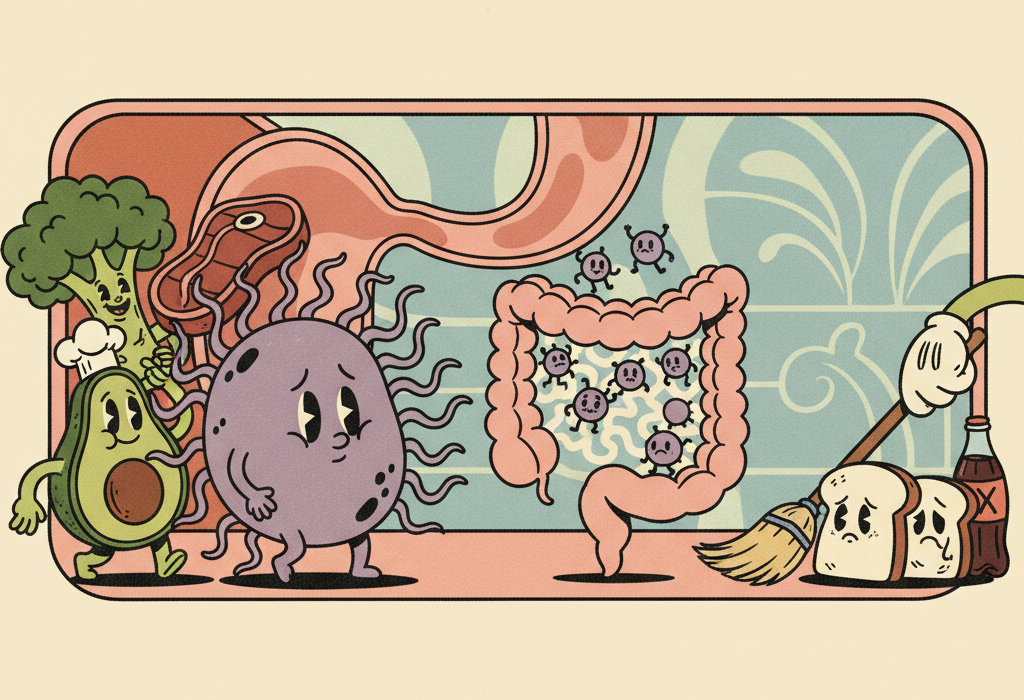
Imagine your body is like a complex factory. The food you eat is the raw material. The workers processing this material are the trillions of microscopic organisms living in your digestive tract. When you change the raw materials by adopting a low-carbohydrate diet, the workers have to adapt.
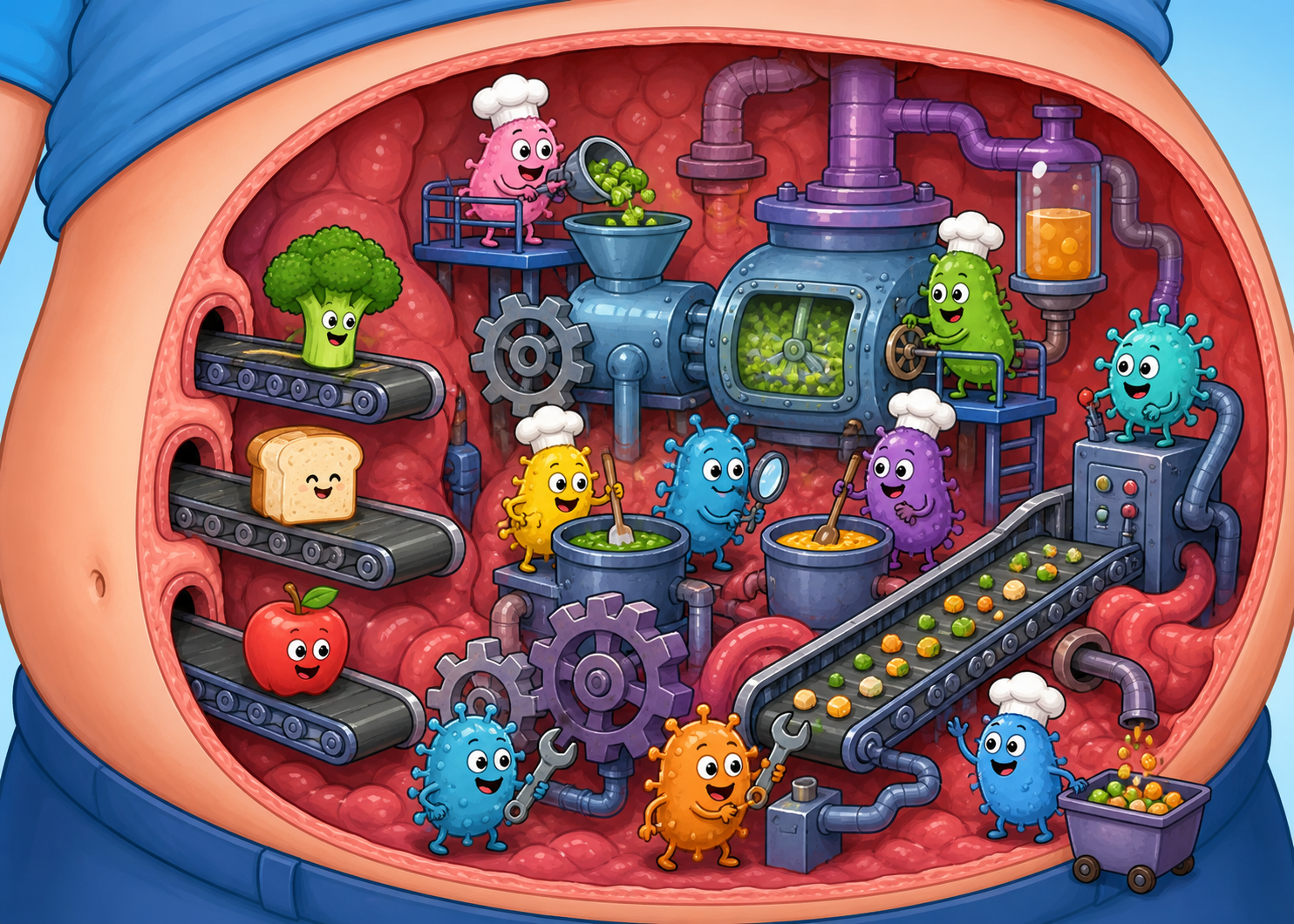
For years, scientists have studied low-carb and ketogenic diets primarily for their effects on fat burning and blood sugar. However, newer research shows that cutting carbohydrates does much more than just lower your calorie intake. It fundamentally reshapes your microbiome (my-kroh-BY-ohm), which is the community of bacteria, viruses, and fungi living in your digestive tract.
This raises an important question. Is a low-carb diet good or bad for your gut health? The answer is highly personalized. While some people experience reduced inflammation and better metabolic health, others might accidentally starve beneficial bacteria. Here is what the latest science actually shows about low-carb diets and your gut.
What the Research Shows About Low-Carb Diets and Gut Health
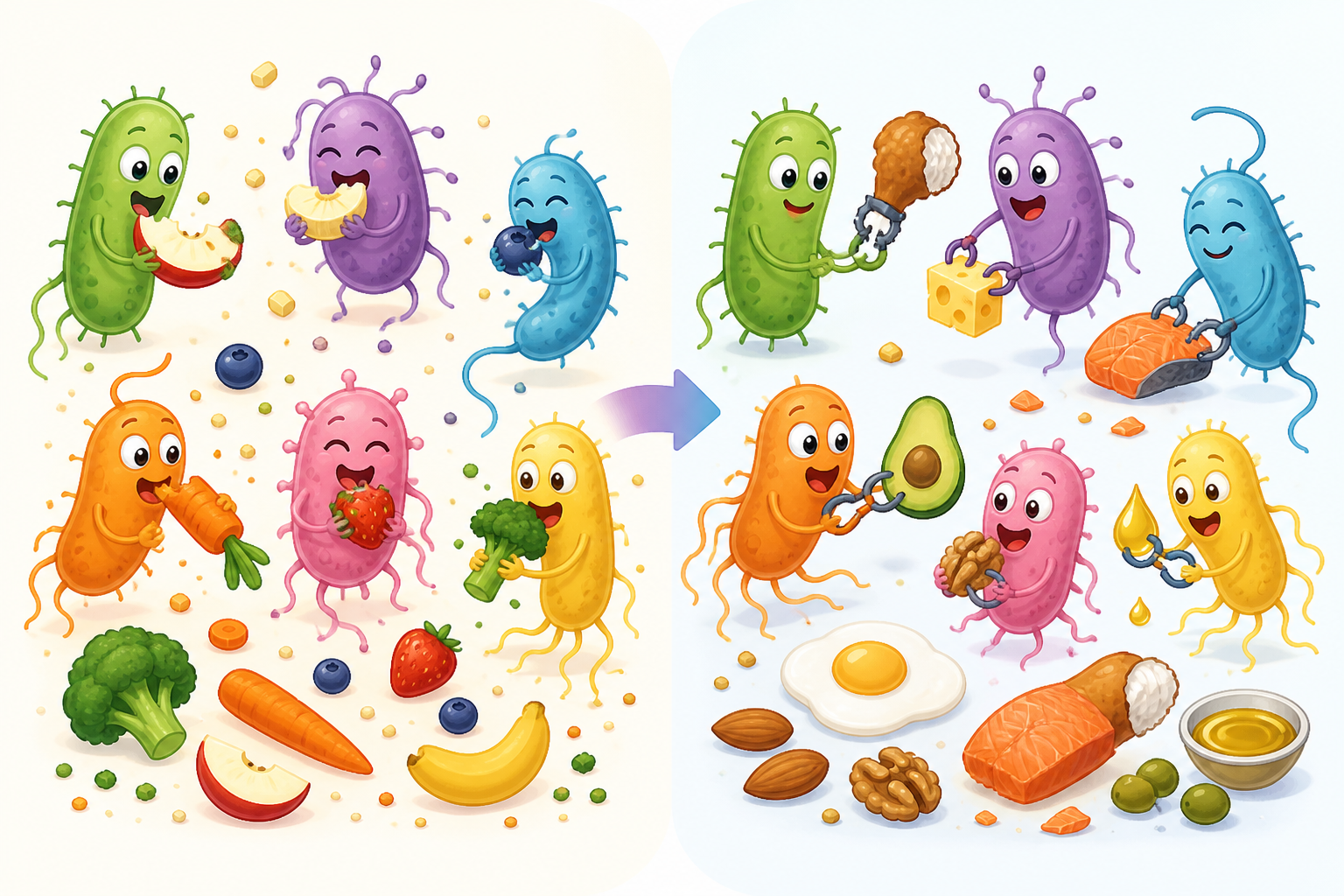
When you restrict carbohydrates, you are also restricting the primary food source for many gut bacteria. This forces the bacterial community to shift. Research shows that this shift can have profound effects on your weight, your blood sugar, and your overall health.
The Importance of Microbiome Plasticity
One of the biggest mysteries in nutrition is why two people can follow the exact same diet but experience completely different results. A 2020 study in Scientific Reports looked at exactly this issue. Researchers analyzed the gut bacteria of adults following either a low-carb or a low-fat diet for a full year.
They found that specific types of bacteria did not predict weight loss. Instead, the most important factor was plasticity (plas-TIS-ih-tee). Plasticity refers to the ability of the microbiome to change and adapt to its environment. For people on a low-carb diet, those whose gut bacteria showed higher plasticity over the first 10 weeks of the diet achieved much greater weight loss at the 12-month mark. If your gut bacteria are flexible and adapt quickly to the new food supply, you are more likely to see sustained results.
Short-Chain Fatty Acids and Inflammation
When certain gut bacteria digest fiber, they produce short-chain fatty acids (short-chayn FAT-ee A-sids), or SCFAs. These are beneficial molecules that reduce inflammation and keep the gut lining healthy.
Normally, high-fiber carbohydrates are the main source of SCFAs. However, research shows that well-formulated low-carb diets can still support SCFA production. A 2024 review in the Journal of Clinical Medicine found that ketogenic diets can increase specific SCFAs like butyrate in the gut. This increase helps reduce systemic inflammation and improves liver health.
Similarly, a 2025 study in Molecular Nutrition & Food Research tested a specific low-carbohydrate diet containing soy protein and fish oil on mice. The diet caused a marked change in the fecal microbiome, significantly increasing the production of an SCFA called acetate. This increase in acetate was linked to a reduction in colon inflammation and a lower risk of colon tumors in the animal model.
Does Your Microbiome Control Your Blood Sugar?
If you have ever wondered why eating a slice of bread makes you sleepy while your friend feels fine, your gut bacteria might be the reason.
A 2025 study in EBioMedicine conducted a series of highly controlled nutritional trials comparing high-carbohydrate and low-carbohydrate diets. The researchers discovered that the gut microbiome responds to carbohydrates in a highly personalized way. They even developed a “carb-sensitivity score” based entirely on a person’s unique gut bacteria. This score accurately predicted how sensitive an individual’s blood sugar would be to a high-carbohydrate meal.
Another 2023 study in Nutrients supported this concept. Researchers gave a standardized mixed meal to people at high risk for type 2 diabetes. They found that people fell into two distinct blood sugar response groups. These groups were directly linked to their baseline gut bacteria, specifically the presence of bacteria like Clostridium and Blautia.
This means that your ability to tolerate carbohydrates is not just about genetics or willpower. It is heavily influenced by the specific microbes living in your digestive tract.
Related: Low Carb vs. Keto Diet: What Science Actually Says
How Low-Carb Diets Help Manage Disease
Because the gut microbiome is connected to almost every system in the body, altering it through a low-carb or ketogenic diet can have therapeutic effects for several diseases.
Fatty Liver Disease
Non-alcoholic fatty liver disease (NAFLD) is closely linked to insulin resistance (IN-suh-lin ree-ZIS-tuhns). This occurs when your body stops responding well to insulin, leading to high blood sugar and fat storage in the liver.
A 2021 study in Nutrients and the previously mentioned 2024 review both highlight how low-carb diets benefit the liver. By eliminating fructose and simple sugars, a low-carb diet lowers insulin levels and reduces liver fat. Furthermore, the resulting changes in the gut microbiome help repair the intestinal barrier. This prevents bacterial toxins from leaking into the bloodstream and reaching the liver, thereby reducing liver inflammation.
Epilepsy and Brain Health
The ketogenic diet has been used for decades to treat severe epilepsy. Recent evidence suggests the gut microbiome plays a role in this process. A 2025 review in Epilepsia Open examined how the keto diet helps infants with drug-resistant seizures. The diet alters the gut microbiome and changes how the body processes tryptophan, an amino acid. This chain reaction ultimately balances brain chemicals and reduces seizure activity.
Related: How Your Gut Microbiome Actually Affects Brain Health
Cancer Support in Animal Models
Emerging research is exploring how diet and the microbiome interact during cancer treatment. A 2022 study in Cancer Research Communications tested a ketogenic diet alongside standard chemotherapy in mice with pancreatic cancer. The combination therapy significantly increased survival times compared to chemotherapy alone. The researchers noted that the diet altered fatty acid metabolism and modulated the gut microbiota, which helped inhibit pathways that normally allow tumors to grow.
Who Needs Caution: The Probiotic Problem
While low-carb diets offer many benefits, they are not universally perfect for gut health. The bacteria in your gut are diverse, and they have different dietary needs.
Lactic acid bacteria are commonly found in probiotics and fermented foods. They are widely known to support immune health and digestion. However, a 2022 study in Cell Reports evaluated how different diets affect these beneficial bacteria. The researchers found that high-fat, low-carbohydrate diets often lead to detrimental outcomes for most lactic acid bacteria. Without enough specific carbohydrates to feed on, these beneficial microbes struggle to survive and multiply in the gut.
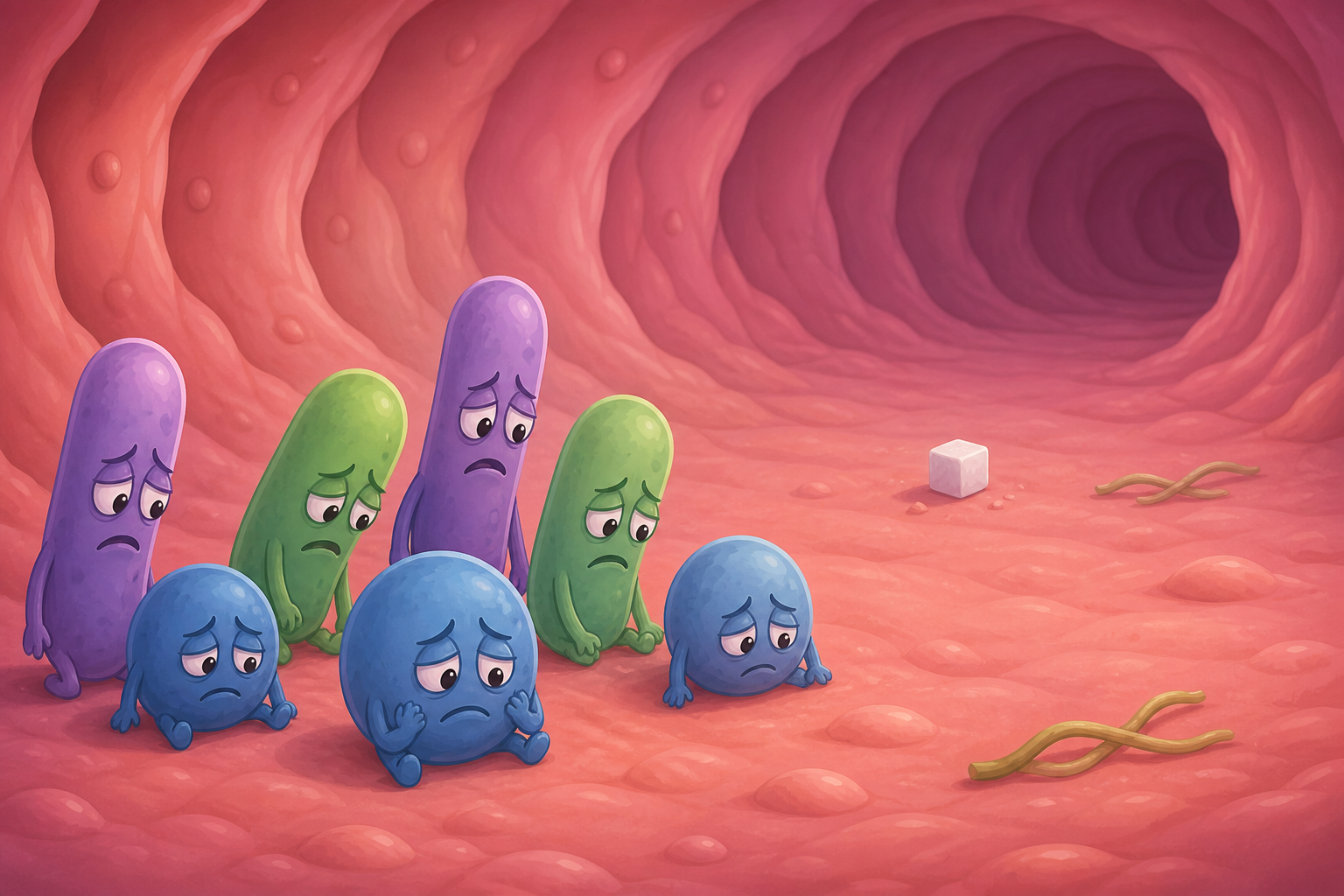
This highlights a crucial point in nutrition science. Probiotics and diets are not “one size fits all.” A diet that perfectly controls your blood sugar might simultaneously starve a specific strain of beneficial bacteria. This is why long-term restrictive diets should ideally be monitored by a healthcare professional.
Common Questions About Low-Carb Diets and Gut Health
Do I need carbohydrates for a healthy gut?
Your gut bacteria need fiber, which is a type of carbohydrate. If you follow a low-carb diet, it is important to eat low-sugar, high-fiber foods like leafy greens, broccoli, and seeds to keep your beneficial bacteria fed and support short-chain fatty acid production.
Why do some people lose more weight on low-carb diets?
Research shows that the “plasticity” or adaptability of your gut microbiome plays a major role. If your gut bacteria can quickly adapt to a new food source, you are more likely to experience sustained weight loss.
Can a low-carb diet cause digestive issues?
Yes, especially in the beginning. Drastically cutting carbohydrates often means cutting fiber, which can lead to constipation or changes in bowel habits. Planning a diet that includes adequate fiber and hydration can help prevent these issues.
The Bottom Line
The relationship between a low-carbohydrate diet and the gut microbiome is complex and highly personalized.
We know with high confidence that cutting carbohydrates forces the gut microbiome to adapt. For many people, this adaptation leads to better blood sugar control, reduced inflammation, and improvements in conditions like fatty liver disease. We also know that your starting microbiome dictates how well you tolerate carbohydrates and how much weight you might lose on a specific diet.
However, there is still uncertainty regarding the long-term effects of very strict low-carb diets on beneficial probiotic bacteria. Because extreme carbohydrate restriction can starve certain helpful microbes, the healthiest approach likely involves balancing carbohydrate reduction with adequate fiber intake from non-starchy vegetables.
Quick Reference: Key Studies
| Study Focus | Key Finding | Source |
|---|---|---|
| Weight Loss & Microbiome | Gut microbiota plasticity (adaptability) over 10 weeks predicted 12-month weight loss success on a low-carb diet. | PMID 31996717 |
| Blood Sugar Responses | The gut microbiome has a personalized “carb-sensitivity score” that dictates how blood sugar reacts to carbohydrates. | PMID 39647263 |
| Probiotic Survival | High-fat, low-carbohydrate diets can create a hostile environment for beneficial lactic acid bacteria. | PMID 36476869 |
| Mixed Meals & Diabetes Risk | Baseline gut bacteria profiles closely predict how a person’s blood sugar will respond to a standard mixed meal. | PMID 37892445 |
| Fatty Liver Disease (NAFLD) | Ketogenic diets help reverse NAFLD by reducing insulin resistance, eliminating fructose, and modulating the gut microbiome. | PMID 39200999 |
| NAFLD Dietary Approaches | Improving insulin sensitivity through diet alters gut microbiota and reduces lipid-driven toxic damage in the liver. | PMID 34201382 |
| Epilepsy Treatment | The ketogenic diet helps control infant seizures partly by altering the gut microbiome and tryptophan metabolism. | PMID 41159707 |
| Colon Cancer (Mouse Model) | A low-carb diet with soy/fish oil increased gut acetate and reduced colon tumors and inflammation in mice. | PMID 40491066 |
| Pancreatic Cancer (Mouse Model) | A ketogenic diet combined with chemotherapy increased survival in mice by modulating gut bacteria and fatty acid metabolism. | PMID 36382086 |
Last updated: September 2026
This article synthesizes findings from peer-reviewed research. It is for educational purposes only and does not constitute medical advice. Consult a healthcare provider before starting any new regimen.

Leave a Reply