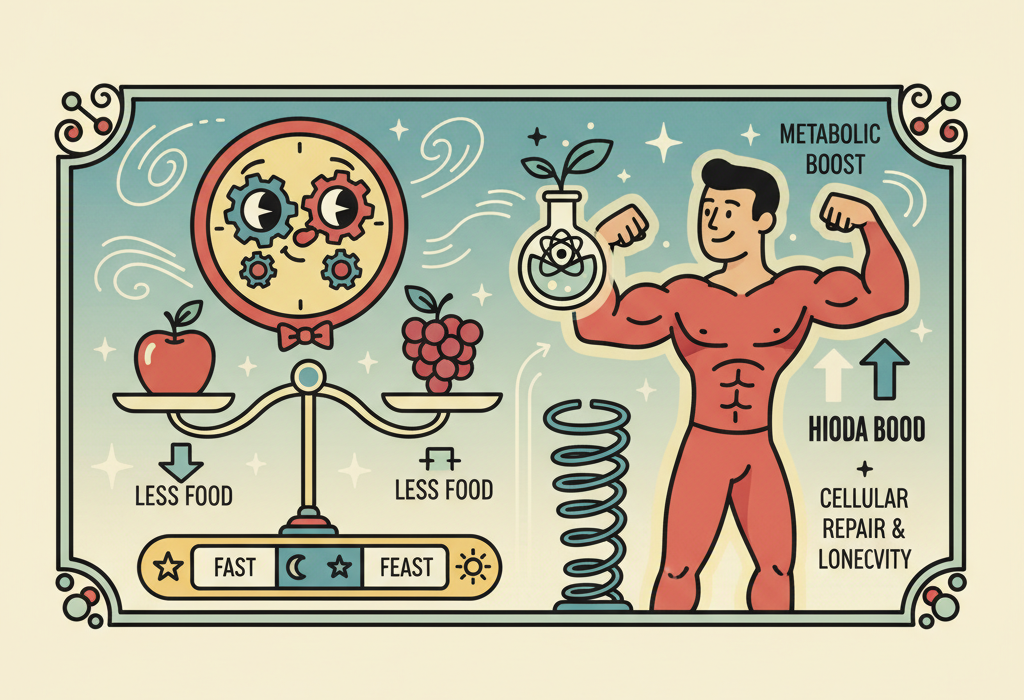
For decades, the standard advice for losing weight and improving health was simple: eat fewer calories. Recently, intermittent fasting has become one of the most popular health trends in the world. Instead of focusing entirely on how much you eat, intermittent fasting focuses on when you eat.
But is intermittent fasting actually better for you than traditional calorie counting?
The short answer is that both intermittent fasting and calorie restriction are highly effective for weight loss and improving metabolic health. However, research shows that taking a break from eating for extended periods triggers specific biological processes, like cellular cleanup and a shift in how the body burns fuel.
This article breaks down what the latest scientific research actually says about intermittent fasting, calorie restriction, and how they affect your waistline, your brain, and your overall health.
How Fasting and Calorie Restriction Change Your Body
To understand why these diets work, it helps to look at what happens inside your cells when food is scarce.
When you eat a typical diet with frequent meals and snacks, your body runs primarily on glucose (sugar) from carbohydrates. When you restrict calories or stop eating for an extended period, your body eventually runs out of stored glucose.
At this point, a “metabolic switch” occurs. Your body starts breaking down stored fat into molecules called ketones to use for energy. A 2024 review in Archives of physiology and biochemistry explains that this shift toward utilizing fatty acids and ketones significantly impacts how we age, store fat, and fight off disease.
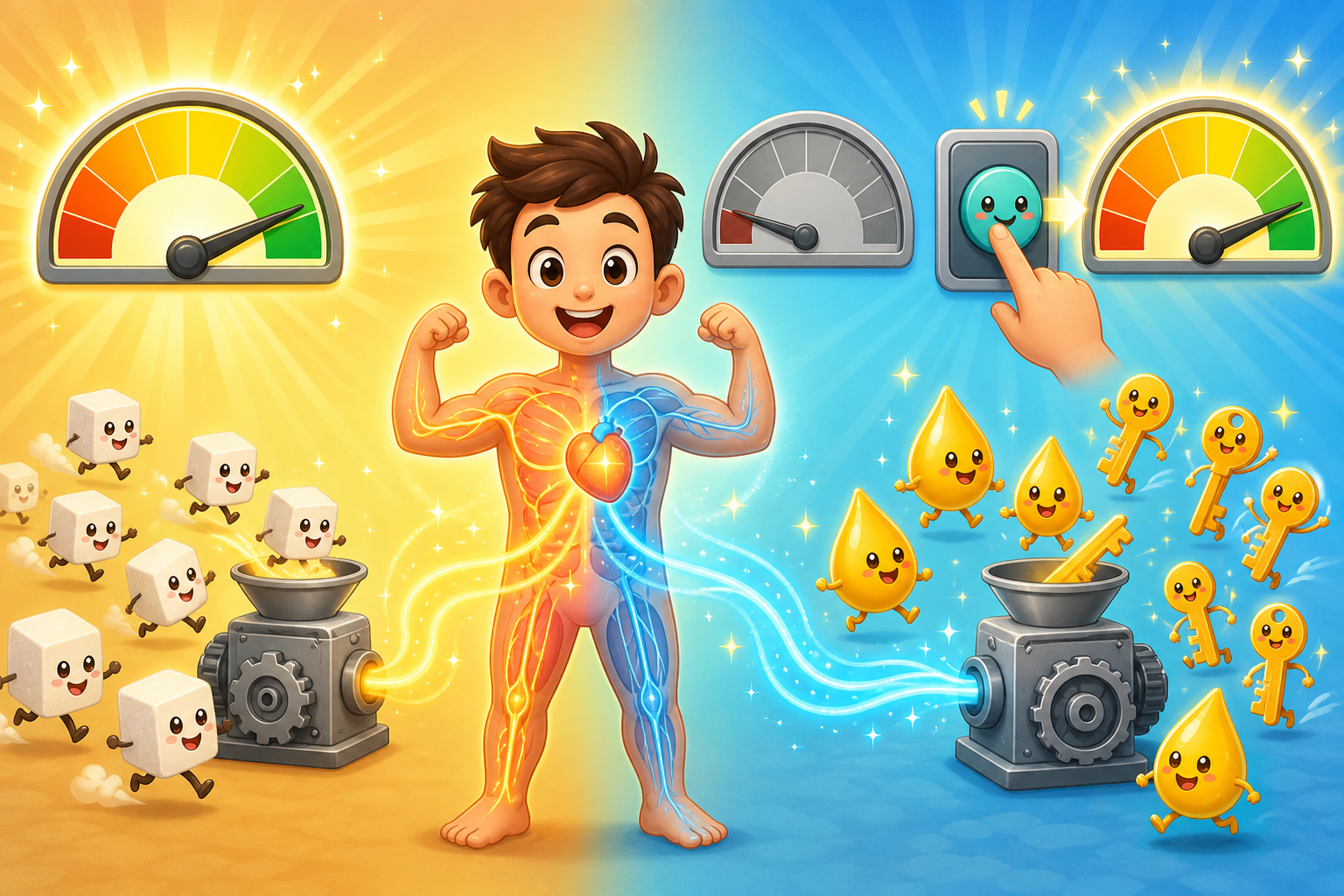
This metabolic switch triggers several important biological changes:
- Autophagy (aw-TOFF-uh-gee) – when cells break down and recycle damaged parts. A 2023 review in Advances in nutrition describes autophagy as a cellular housekeeping mechanism. When energy is low, cells clean out misfolded proteins and injured organelles to survive.
- Insulin resistance (IN-suh-lin ree-ZIS-tuhns) – when your body stops responding well to insulin, leading to high blood sugar. Fasting helps lower insulin levels, allowing the body to become more sensitive to it again.
Related: The Science of Calorie Restriction: How Eating Less Affects Health and Longevity
Intermittent Fasting vs. Calorie Restriction: Which is Better?
Scientists have conducted numerous studies comparing intermittent fasting (IF) directly to continuous calorie restriction (CCR).


Overall, both methods work well, but they shine in slightly different areas.
Weight Loss and Fat Loss
A massive 2021 umbrella review in JAMA network open analyzed 11 meta-analyses covering over 100 health outcomes. It found moderate to high-quality evidence that specific fasting routines, like modified alternate-day fasting and the 5:2 diet, lead to significant weight loss (more than 5% of body weight) in adults with overweight or obesity.
When directly compared to continuous calorie restriction, the results are very close. A 2022 meta-analysis in Nutrients found that intermittent fasting was slightly more effective for overall body weight reduction, but the reduction in Body Mass Index (BMI) was essentially the same between the two groups.
Similarly, a 2025 review in Nutrition, metabolism, and cardiovascular diseases concluded that intermittent fasting is an effective alternative to calorie restriction, but not necessarily superior for long-term health. However, in the short term, fasting groups saw slightly better improvements in fat mass and reductions in inflammatory markers.
Blood Sugar and Insulin
Both diets improve blood sugar, but fasting may have a slight edge for insulin control. The 2025 review mentioned above noted that intermittent fasting led to significant long-term reductions in fasting blood insulin and HOMA-IR (a measurement of insulin resistance).
Timing also matters. A 2024 review in Cell metabolism found that “early” time-restricted eating (where all food is consumed before 2:00 PM) was more effective at lowering insulin resistance than eating later in the day. This aligns with our body’s natural circadian rhythm, which processes glucose better in the morning than in the evening.
The Gut Microbiome
Emerging science shows that fasting changes the bacteria living in your digestive tract. A 2021 clinical trial in The Journal of clinical endocrinology and metabolism studied patients with metabolic syndrome who followed a two-day fasting routine for eight weeks.
The researchers found that fasting increased the production of short-chain fatty acids (which are highly beneficial for gut health) and significantly decreased circulating lipopolysaccharides (molecules that trigger inflammation). Furthermore, a 2024 clinical trial in Clinical nutrition found that intermittent fasting, calorie restriction, and ketogenic diets all improved mitochondrial function in immune cells by positively modulating the gut microbiota.
Related: How Your Gut Microbiome Actually Affects Brain Health
What the Research Shows: Brain Health and Aging
One of the most heavily researched areas regarding fasting and calorie restriction is how they protect the brain and influence aging.
Neurogenesis and Cognitive Protection
Can fasting help grow new brain cells? A 2023 review in Frontiers in aging highlights that the metabolic switch from glucose to ketones enhances neuroprotection, synaptic plasticity (the ability of brain cells to adapt and communicate), and adult neurogenesis (the creation of new neurons).
Much of this is driven by an increase in a protein called Brain-Derived Neurotrophic Factor (BDNF), which acts like fertilizer for the brain.
In animal models of Traumatic Brain Injury (TBI), a 2022 review in Nutrients found that fasting and calorie restriction promoted recovery by protecting mitochondria, boosting hippocampal neurogenesis, and reducing harmful inflammation from glial cells.
Alzheimer’s Disease and Dementia
Research is exploring whether fasting could delay or prevent neurodegenerative diseases. A 2023 review in Nutrition reviews notes that in animal studies, caloric restriction and fasting reduce the accumulation of beta-amyloid and tau proteins, which are the hallmark signs of Alzheimer’s disease.
Fasting also improves vascular health and reduces brain inflammation. While long-term human trials are still needed to prove that fasting prevents dementia, the biological mechanisms observed in animals are highly encouraging.
Cancer Risk and Cellular Aging
Calorie restriction and fasting influence a hormone called Insulin-like Growth Factor-1 (IGF-1). While IGF-1 is important for growth during childhood, high levels in adulthood are associated with accelerated aging and a higher risk of certain cancers.
A 2024 review in Endocrine-related cancer explains that fasting and fasting-mimicking diets lower IGF-1 and glucose levels. This causes healthy cells to enter a protected, maintenance state. Cancer cells, however, do not adapt well to this lack of energy, making them more sensitive to treatments like chemotherapy while healthy cells remain protected.
Does Fasting Ruin Exercise Performance or Muscle Mass?
A common fear is that fasting or cutting calories will destroy athletic performance or cause severe muscle loss.
A comprehensive 2025 meta-analysis in Nutrients looked at 35 studies involving over 1,200 participants to see how fasting and calorie restriction impacted exercise.
The results were reassuring. Compared to exercise alone, combining exercise with intermittent fasting or calorie restriction:
- Significantly decreased body weight, body fat percentage, and fat mass.
- Did not negatively affect VO2max (aerobic endurance), jump height, sprint speed, or leg press strength.
Actually increased* handgrip strength.
While participants did lose a small amount of fat-free mass (which includes water, glycogen, and muscle), the researchers concluded that fasting can be effectively integrated into exercise training without ruining physical performance.
Who Benefits Or Needs Caution
Scientific research indicates that certain populations may experience specific benefits from fasting, while others should be careful.
Populations that may benefit:
- People with Prediabetes or Type 2 Diabetes: A 2024 meta-analysis in Diabetes, obesity & metabolism found that intermittent fasting effectively reduced body weight and BMI in adults with prediabetes and Type 2 Diabetes, performing slightly better than continuous calorie restriction for weight loss.
- Women with PCOS: Polycystic Ovary Syndrome is strongly linked to insulin resistance. A 2024 review in Frontiers in nutrition found that intermittent fasting significantly decreased BMI, fasting insulin, and inflammatory markers in women with PCOS, though hormone changes were mixed.
- People with Periodontal Disease: A 2021 review in Periodontology 2000 suggests that calorie restriction and fasting dampen the inflammatory response in the gums, leading to less bone loss in animal models of gum disease.
Populations that need caution:
- Older Adults at Risk of Bone Loss: A 2019 study in Aging clinical and experimental research noted that continuous calorie restriction might reduce bone mineral density. Interestingly, intermittent fasting did not seem to have this same negative effect on bone health, but older adults should still ensure adequate protein and calcium intake.
- People with a History of Eating Disorders: Fasting regimens can trigger disordered eating habits in susceptible individuals.
- Advanced Dementia Patients: Fasting is not recommended for individuals with advanced dementia who may already be struggling with appetite loss and malnutrition.
Common Questions About Intermittent Fasting
Is intermittent fasting just a trick to eat fewer calories?
Yes and no. Fasting naturally limits the time you have to eat, which usually results in eating fewer calories. However, the extended pause in digestion also lowers insulin levels and triggers cellular cleanup (autophagy), which provides metabolic benefits beyond just calorie reduction.
Does it matter what time of day I fast?
Research suggests it does. Studies show that “early time-restricted eating” (eating earlier in the day and fasting through the evening) aligns better with the body’s natural circadian rhythm, resulting in better blood sugar and insulin control compared to skipping breakfast and eating late at night.
Will I lose muscle if I fast?
Some lean mass is often lost during any weight loss diet. However, studies show that combining intermittent fasting with resistance training preserves muscle strength and physical performance just as well as standard diets.
The Bottom Line
Both intermittent fasting and continuous calorie restriction are highly effective, science-backed strategies for losing weight, reducing inflammation, and improving heart and metabolic health.
- What we know: Intermittent fasting is an excellent alternative to traditional calorie counting. It triggers a metabolic switch that burns fat for fuel, lowers insulin resistance, and initiates cellular cleanup.
- What remains uncertain: While animal studies strongly suggest fasting can protect the brain from Alzheimer’s and extend lifespan, we still need long-term human trials to confirm these exact disease-prevention benefits in people.
- Strength of evidence: There is high-quality evidence that fasting and calorie restriction lead to meaningful weight loss and improved blood sugar control.
Ultimately, the best diet is the one you can stick to. If you find it easier to watch the clock than to count every calorie, intermittent fasting is a scientifically sound way to improve your health.
Quick Reference: Key Studies
| Study Focus | Key Finding | Source |
|---|---|---|
| Exercise Performance | IF/CR combined with exercise reduces fat without impairing VO2max or strength. | PMID 40573103 |
| IF vs. Calorie Restriction | IF slightly better for short-term weight loss; both equally effective long-term. | PMID 39458528 |
| Time-Restricted Eating | Early eating windows (before 2 PM) most effective for lowering insulin resistance. | PMID 38176412 |
| PCOS and Fasting | IF reduces BMI, fasting insulin, and inflammation in women with PCOS. | PMID 38646104 |
| Cancer and IGF-1 | Fasting lowers IGF-1, protecting healthy cells and sensitizing cancer cells to therapy. | PMID 39166749 |
| Brain Health & Alzheimer’s | Fasting reduces beta-amyloid/tau in animals and improves vascular health. | PMID 37043764 |
| Autophagy | Fasting induces adaptive autophagy to clear misfolded proteins and damaged organelles. | PMID 37527766 |
| TBI Recovery | Fasting protects mitochondria and promotes neurogenesis after traumatic brain injury. | PMID 35406044 |
| IF Umbrella Review | High-quality evidence that modified fasting leads to >5% weight loss in obesity. | PMID 34919135 |
| Gut Microbiome | 2-day IF increases healthy short-chain fatty acids and reduces inflammatory LPS. | PMID 33017844 |
Last updated: September 2026
This article synthesizes findings from peer-reviewed research. It is for educational purposes only and does not constitute medical advice. Consult a healthcare provider before starting any new regimen.

Leave a Reply