
Have you ever had routine blood work done and noticed a high result for something called CRP? You are not alone. As we learn more about how the human body ages and develops disease, scientists are paying close attention to chronic inflammation. Many people wonder if changing their diet can actually lower these inflammatory markers.
The short answer is yes. A large body of scientific research shows that specific eating patterns can significantly lower your levels of inflammation. However, not all “healthy” diets work the same way, and some trendy diets might not lower inflammation at all.
In this article, we will explore what the latest peer-reviewed research says about diet and inflammation, which foods make the biggest difference, and what you need to know before making major changes to your meals.
What is C-Reactive Protein (CRP)?
Before we look at the diet research, it helps to understand what we are measuring.
C-reactive protein (see-ree-AK-tiv PRO-teen) is a protein made by your liver. When there is inflammation anywhere in your body, your liver releases CRP into your bloodstream.
If you cut your finger or catch a cold, your CRP levels will spike temporarily to help your immune system fight off the threat. This is called acute inflammation, and it is perfectly healthy. However, if your immune system stays slightly activated all the time, your liver will constantly pump out low levels of CRP. This is called chronic inflammation, or low-grade inflammation.

Chronically high CRP levels are linked to a higher risk of heart disease, type 2 diabetes, and joint pain.
Related: What Blood Tests for Inflammation Actually Tell Us About Your Health
What the Research Shows: Do Diets Actually Lower CRP?
Scientists measure the success of an anti-inflammatory diet by tracking blood markers like CRP and Interleukin-6 (in-ter-LOO-kin six), which is a chemical messenger that triggers the immune system.
Over the last decade, researchers have conducted hundreds of studies to see if food can lower these markers. Here is what the strongest evidence reveals.
The Mediterranean Diet is the Most Proven Approach
When it comes to lowering CRP, the Mediterranean diet has the most scientific backing. This eating pattern focuses heavily on vegetables, fruits, whole grains, beans, nuts, and olive oil, with moderate amounts of fish and poultry.
A comprehensive 2026 umbrella review in Nutrition Reviews analyzed 30 systematic reviews containing 225 primary studies. The researchers found high-quality evidence that the Mediterranean diet significantly lowers CRP, Interleukin-6, and other inflammatory markers in adults.
Similarly, a 2025 meta-analysis in Frontiers in Nutrition looked at 18 clinical trials focusing on cardiovascular health. They found that participants who followed anti-inflammatory diets (primarily the Mediterranean and Nordic diets) experienced significant drops in their CRP levels, as well as lower blood pressure and better cholesterol profiles compared to those eating a standard omnivore diet.
Vegetarian and Vegan Diets Work, But They Take Time
Plant-based diets are also highly effective at lowering inflammation, but the benefits might not show up on a blood test immediately.
A 2017 meta-analysis in Public Health Nutrition examined 18 observational studies to see how vegetarian diets affected CRP. Interestingly, they found that following a vegetarian diet for six months did not significantly lower CRP. However, individuals who followed a vegetarian diet for at least two years showed significantly lower CRP levels than meat-eaters. This suggests that the anti-inflammatory benefits of plant-based eating build up over a long period.
While plant-based diets are helpful for inflammation, they require careful planning. A 2025 review in Nutrients noted that while vegan and vegetarian diets lower CRP and oxidative stress, they can lack essential nutrients for brain health, such as vitamin B12, iron, and specific omega-3 fatty acids.
The Dietary Inflammatory Index (DII)
To better understand how food impacts our blood, scientists use a tool called the Dietary Inflammatory Index (DII). This system scores foods based on whether they increase or decrease inflammation in the body.
A 2024 nationwide survey in the Scandinavian Journal of Gastroenterology looked at nearly 2,000 American adults. They found that people who ate diets with a high DII score (meaning their diet was highly pro-inflammatory) had significantly higher CRP levels and a much higher risk of developing fatty liver disease.
Similarly, a 2026 study in the European Journal of Nutrition evaluated over 6,000 Chinese adults. The researchers created a nutrient-derived anti-inflammatory index. They found that people who ate the most anti-inflammatory foods (like mushrooms, fresh vegetables, soybeans, and tea) had significantly lower levels of CRP and Interleukin-6 than those who ate highly processed diets.
How This Might Work: The Biology of Food and Inflammation
Why does a bowl of oatmeal lower inflammation while a sugary donut increases it? The answer lies in how our bodies process different molecules.
1. The Fiber and Microbiome Connection
Dietary fiber is one of the most important components of an anti-inflammatory diet. A 2025 review in the International Journal of Molecular Sciences explained that insoluble fiber and resistant starch have clear anti-inflammatory effects.
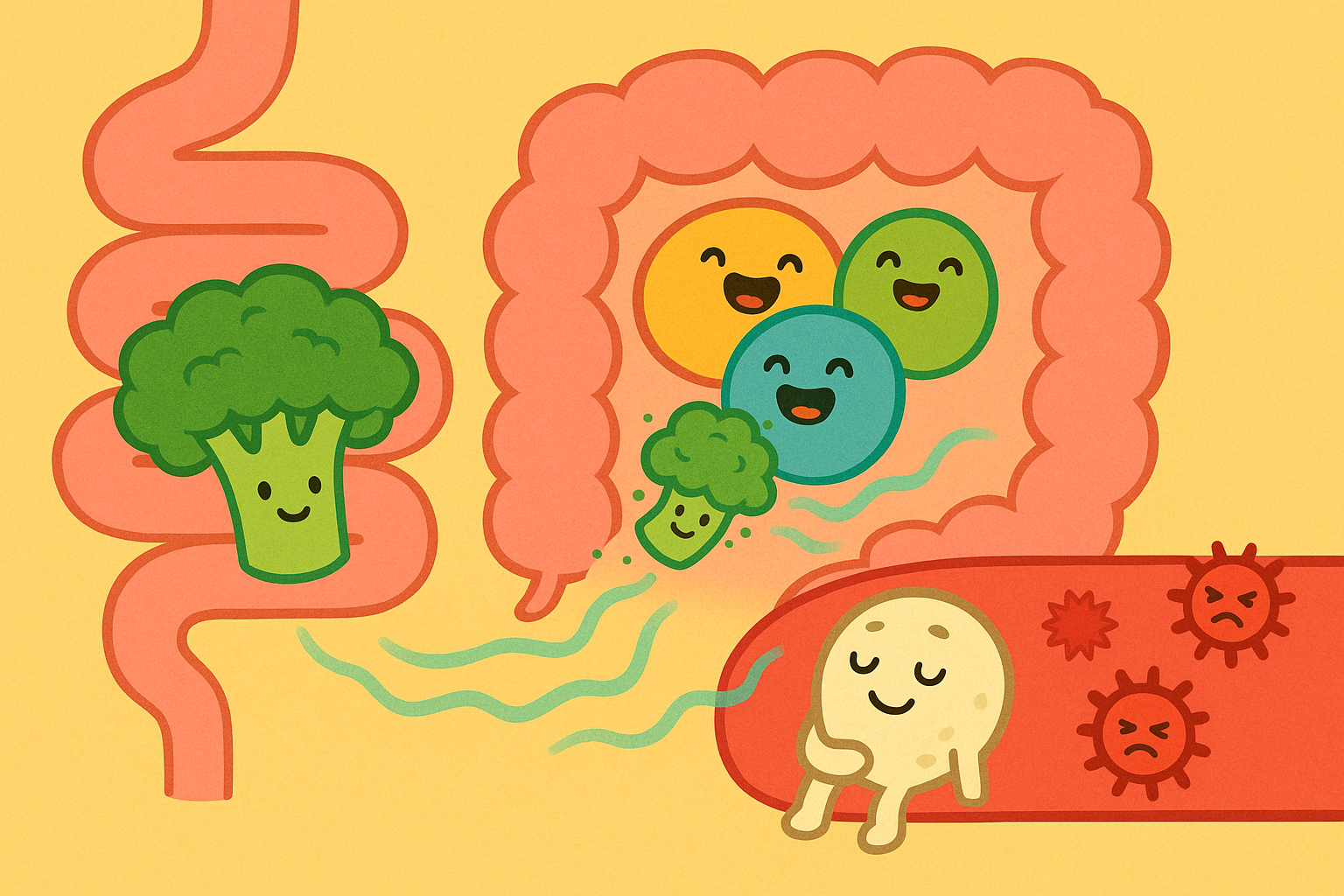
When you eat fiber, your body cannot digest it. Instead, it travels to your colon, where healthy bacteria eat it. As these bacteria digest the fiber, they produce short-chain fatty acids. These fatty acids travel through your bloodstream and signal your immune system to calm down, directly lowering the production of CRP.
2. The Omega-3 to Omega-6 Ratio
Fats play a direct role in creating and stopping inflammation. A 2021 review in Lifestyle Genomics highlights the importance of the ratio between omega-6 fatty acids (found in corn oil, soybean oil, and processed foods) and omega-3 fatty acids (found in fish, chia seeds, and walnuts).
Historically, humans ate a diet with a 1-to-1 ratio of these fats. Today, the standard Western diet has a ratio of about 16-to-1 in favor of omega-6s. Omega-6 fats are building blocks for pro-inflammatory chemicals in the body. When we eat too many omega-6s and too few omega-3s, our bodies are primed to overreact, leading to higher CRP levels.

Increasing omega-3 intake can reverse this. A 2022 clinical review in the International Journal of Environmental Research and Public Health found that omega-3 supplementation significantly reduced CRP and disease activity in patients with Systemic Lupus Erythematosus (a chronic autoimmune disease).
Related: How an Anti-Inflammatory Diet Actually Affects Your Body
Common Misunderstandings About Anti-Inflammatory Diets
Because “anti-inflammatory” has become a popular marketing buzzword, there is a lot of confusion about what actually works. Here is what the science clarifies.
Myth 1: Going Gluten-Free Automatically Lowers Inflammation
Many people believe that cutting out gluten will lower their CRP levels, even if they do not have celiac disease. However, research does not always support this.
A 2025 systematic review in Nutrients looked at the effects of a gluten-free diet on patients with Hashimoto’s thyroiditis (an autoimmune condition) who did not have celiac disease. The researchers found no significant difference in CRP levels between those eating gluten-free and those eating a standard diet. While the gluten-free diet did change some specific thyroid antibodies, it did not act as a general anti-inflammatory cure-all.
Myth 2: Dark Chocolate is a Reliable Anti-Inflammatory
Dark chocolate is rich in antioxidants called flavonoids, leading many to believe it lowers inflammation. A 2024 meta-analysis in Complementary Therapies in Medicine reviewed 33 clinical trials on dark chocolate and cocoa.
While cocoa did reduce oxidative stress (lowering a marker called MDA), its effect on CRP was complicated. The researchers found a non-linear relationship, meaning eating more chocolate did not consistently lead to lower CRP. While it has some benefits, dark chocolate alone is not a reliable way to lower systemic inflammation.
Who Benefits Most From an Anti-Inflammatory Diet?
While everyone can benefit from eating fewer processed foods, research shows that specific populations see the most dramatic drops in CRP when adopting an anti-inflammatory diet.
- People with Polycystic Ovary Syndrome (PCOS): A 2019 study in Nutrients looked at 112 women with PCOS. Researchers found that women who had the lowest adherence to a Mediterranean diet had the highest levels of CRP, insulin resistance, and testosterone.
- People with Fatty Liver Disease: A 2025 study in the Journal of Translational Medicine treated women with obesity and metabolic liver disease using a very low-calorie ketogenic therapy. The diet significantly reduced their hs-CRP levels, which directly correlated with improvements in their liver health.
- Pregnant Women Exposed to Air Pollution: A fascinating 2024 cohort study in Environmental Research tracked over 9,000 pregnant women in China. They found that exposure to particulate matter air pollution increased cardiovascular risks and inflammatory markers. However, women who consumed an anti-inflammatory diet were able to significantly mitigate these environmental risks.
Practical Guidance: Building an Anti-Inflammatory Plate
Based on the Dietary Inflammatory Index and the studies reviewed above, you do not need to follow a strict, branded diet to lower your CRP. Instead, focus on shifting the balance of your daily food intake.
| Focus On (Anti-Inflammatory) | Limit or Avoid (Pro-Inflammatory) |
|---|---|
| Extra-virgin olive oil | Soybean oil, corn oil, and trans fats |
| Leafy greens, broccoli, and mushrooms | Sugary beverages and sodas |
| Fatty fish (salmon, sardines) | Processed red meats (bacon, sausage) |
| Whole grains (oats, brown rice) | Refined white flour and white bread |
| Beans, lentils, and nuts | Fried foods and fast food |
| Green tea and moderate coffee | Excessive alcohol |
Note: A 2015 study in Blood Purification found that the combination of extra-virgin olive oil and moderate white wine consumption significantly lowered CRP and Interleukin-6 in patients with chronic kidney disease, suggesting that healthy fats and moderate phenolic compounds work well together.
The Bottom Line
The scientific evidence is clear: what you eat has a direct and measurable impact on the inflammation levels in your blood.
We know with high confidence that dietary patterns rich in fiber, healthy fats, and minimally processed plants, like the Mediterranean diet, can significantly lower C-reactive protein (CRP). We also know that diets high in refined sugars and omega-6 fatty acids promote inflammation.
However, it is important to remember that diet is a long-term strategy. While some markers may change in a few weeks, the most profound anti-inflammatory benefits are seen in people who maintain these eating habits for years. There is no single “superfood” that will instantly erase inflammation, but a consistent, balanced dietary pattern is one of the best tools available for protecting your long-term health.
Quick Reference: Key Studies
| Study Focus | Key Finding | Source |
|---|---|---|
| Mediterranean Diet & CRP | High-quality evidence shows the Mediterranean diet significantly lowers CRP and Interleukin-6. | PMID 40657695 |
| Dietary Inflammatory Index | High pro-inflammatory diets are strongly linked to higher CRP and fatty liver disease. | PMID 39215699 |
| Vegetarian Diets | Vegetarian diets lower CRP, but it may take up to 2 years of adherence to see significant changes. | PMID 28836492 |
| Omega-3 vs Omega-6 | Genetic variations and high Omega-6 diets increase inflammation; Omega-3s help reverse this. | PMID 33530084 |
| Gluten-Free Diet | A gluten-free diet did not significantly lower CRP in non-celiac Hashimoto’s patients. | PMID 41228508 |
| Fiber and Inflammation | Inulin and resistant starch reliably lower inflammation, while soluble fruit fiber is less consistent. | PMID 40076626 |
Last updated: October 2026
This article synthesizes findings from peer-reviewed research. It is for educational purposes only and does not constitute medical advice. Consult a healthcare provider before starting any new regimen.


Leave a Reply