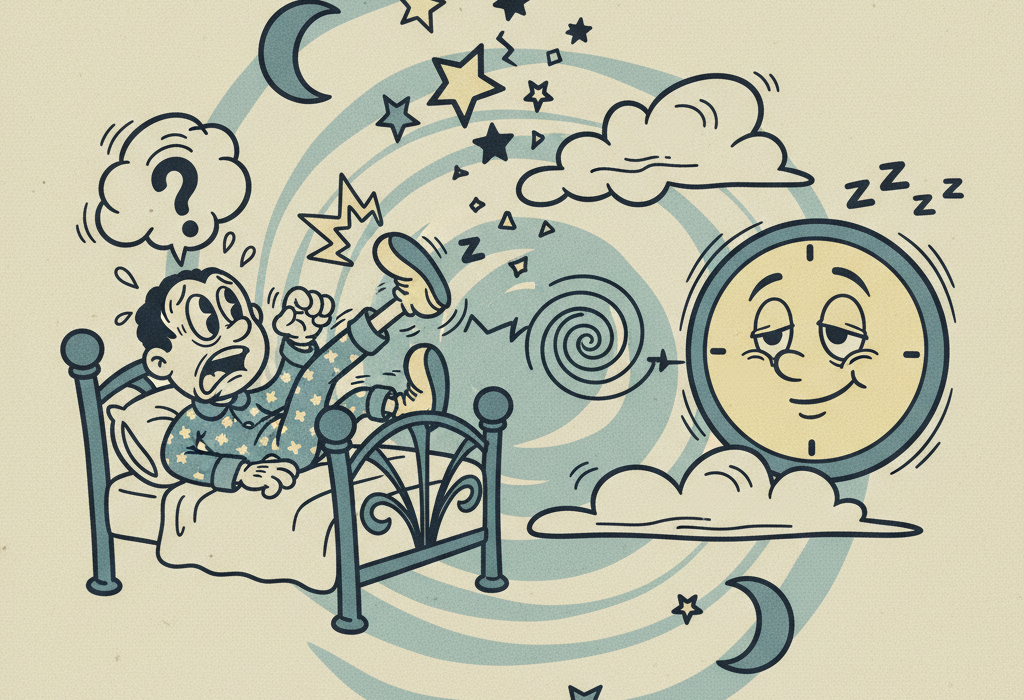
Imagine lying in bed, completely exhausted. Just as your brain begins to drift off to sleep, an uncomfortable, crawling sensation builds up in your legs. The feeling is almost impossible to ignore, and the only way to get relief is to move, stretch, or walk around. By the time the sensation fades, you are wide awake again.
This frustrating cycle is the reality for millions of people with Restless Legs Syndrome. Also known as Willis-Ekbom disease, this condition is a major driver of poor sleep quality. It delays sleep, fragments the rest you do get, and leaves you feeling drained the next day.
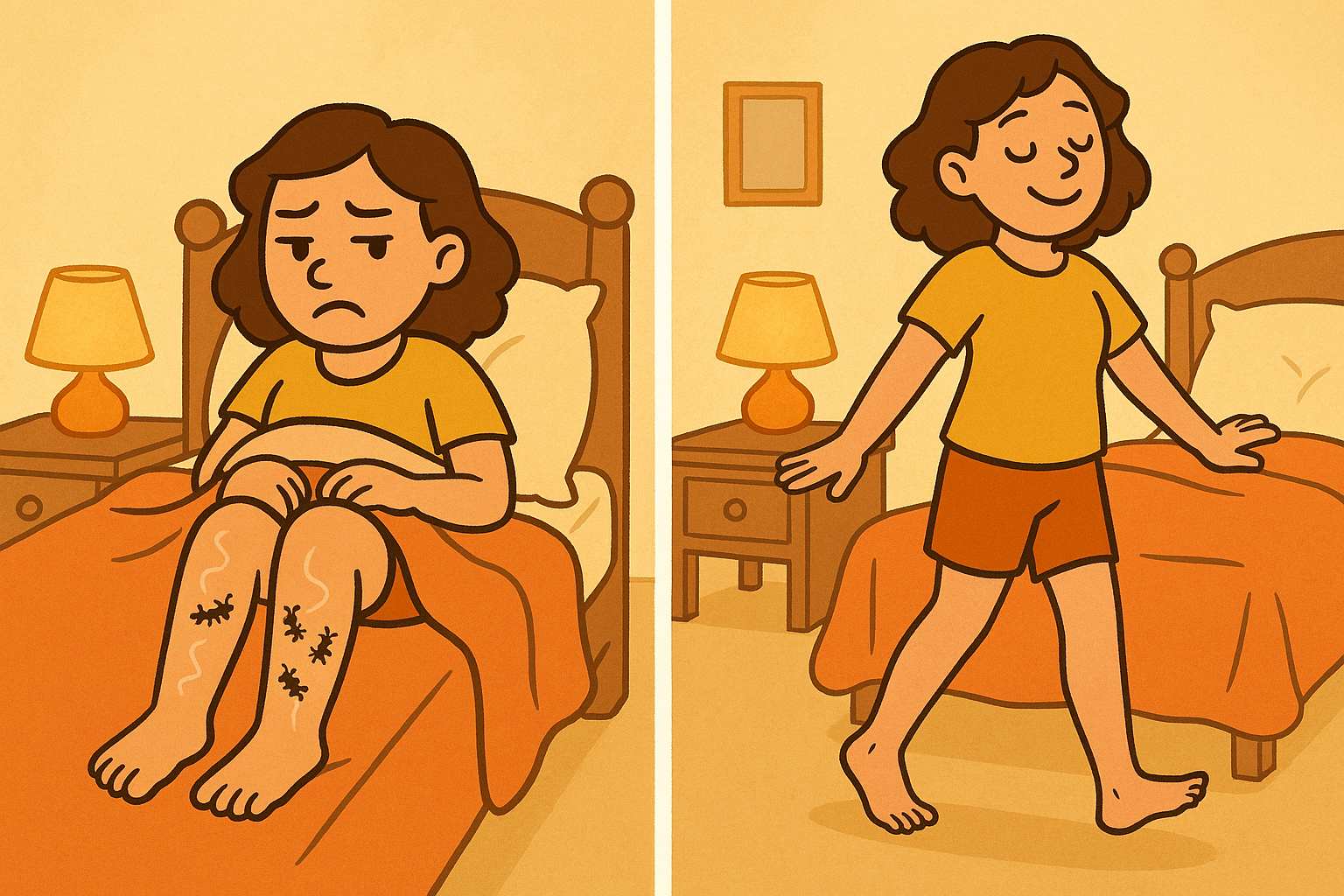
So, why does this happen? Is it a muscle problem, or is it in the brain? And more importantly, what does science say about calming the nervous system so you can finally get some rest?
This article breaks down the latest research on how Restless Legs Syndrome impacts sleep, the biological reasons behind the urge to move, and the evidence-based treatments that actually work.
What the Research Shows About RLS and Sleep
Restless Legs Syndrome is not just a minor annoyance. It is a recognized neurological sleep disorder. To be officially diagnosed, a person must meet five specific criteria:
1. An overwhelming urge to move the legs, usually accompanied by uncomfortable sensations.
2. The urge begins or worsens during periods of rest or inactivity.
3. The urge is partially or totally relieved by movement.
4. Symptoms are worse in the evening or at night.
5. The symptoms are not caused by another condition, like muscle cramps or swelling.
When these symptoms strike at bedtime, the impact on sleep is immediate and severe. A 2025 study in PLoS One looked at over 3,000 medical students and found that 87.9% of those with Restless Legs Syndrome suffered from poor sleep quality.
Similarly, a 2020 study in the Journal of Diabetes and its Complications found that people with Restless Legs Syndrome took nearly twice as long to fall asleep compared to those without the condition (56 minutes versus 29 minutes). This delay in falling asleep, combined with frequent awakenings, leads to significant daytime fatigue, mood changes, and trouble concentrating.
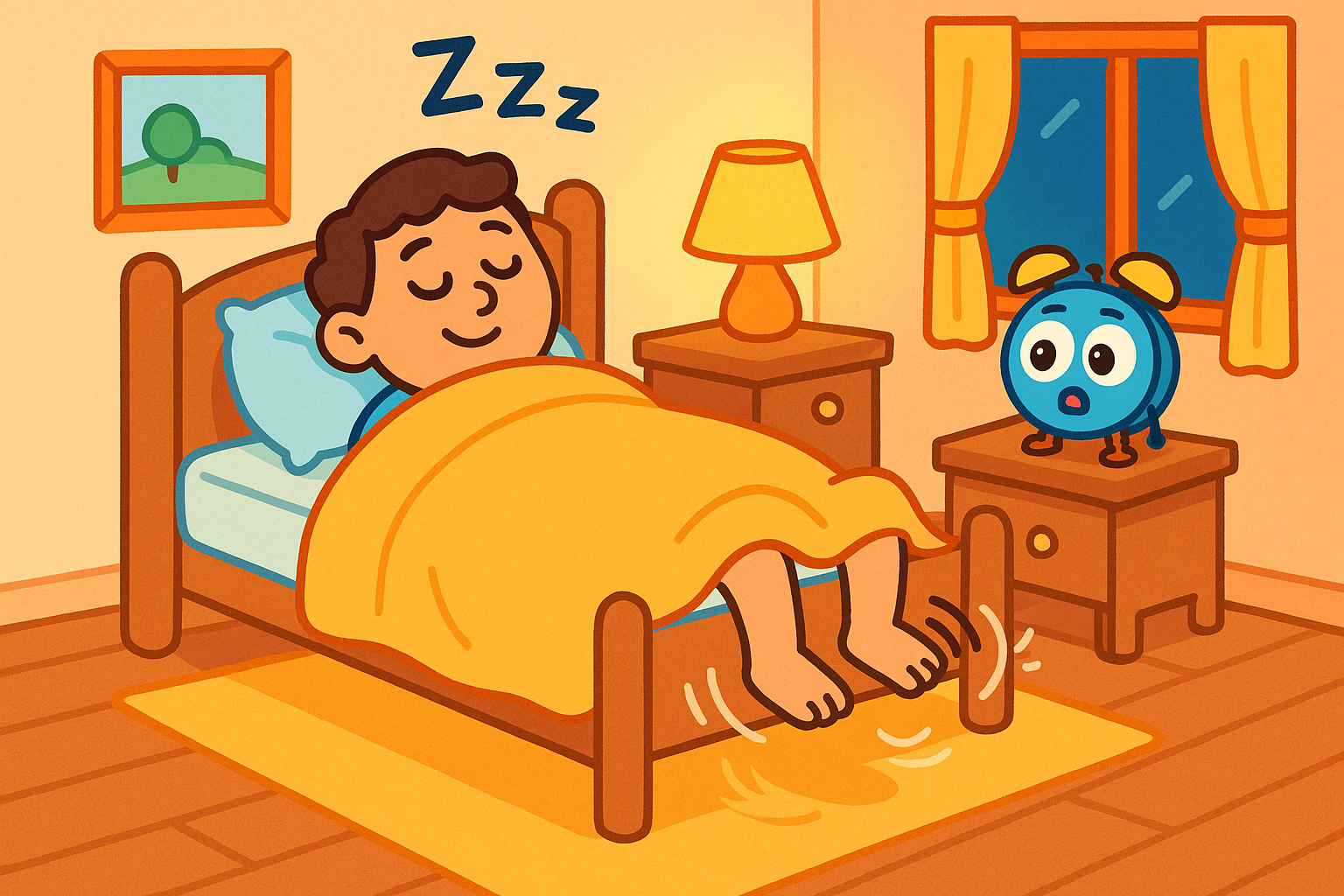
Many people with this condition also experience involuntary limb movements after they finally fall asleep. This is known as Periodic Limb Movements of Sleep (peer-ee-ODD-ik limb movements of sleep) – repetitive cramping or jerking of the legs during rest. According to a 2017 review in Continuum, these movements occur in up to 80% of people with Restless Legs Syndrome, causing brief awakenings that ruin sleep efficiency.
How This Might Work: Brain Chemistry and Iron
For a long time, scientists thought Restless Legs Syndrome was a problem with the leg muscles or nerves. However, modern research shows it is actually a brain chemistry issue.
The core problem seems to be a disruption in how the brain uses iron and a chemical messenger called Dopamine (DOH-puh-meen). Dopamine is a neurotransmitter that helps control muscle movement and feelings of reward.
A 2025 review in Medicina Clinica explains that a complex mix of genetics and environment leads to low iron levels specifically within the central nervous system. Iron is required to produce dopamine. When brain iron drops, the dopamine system begins to misfire.
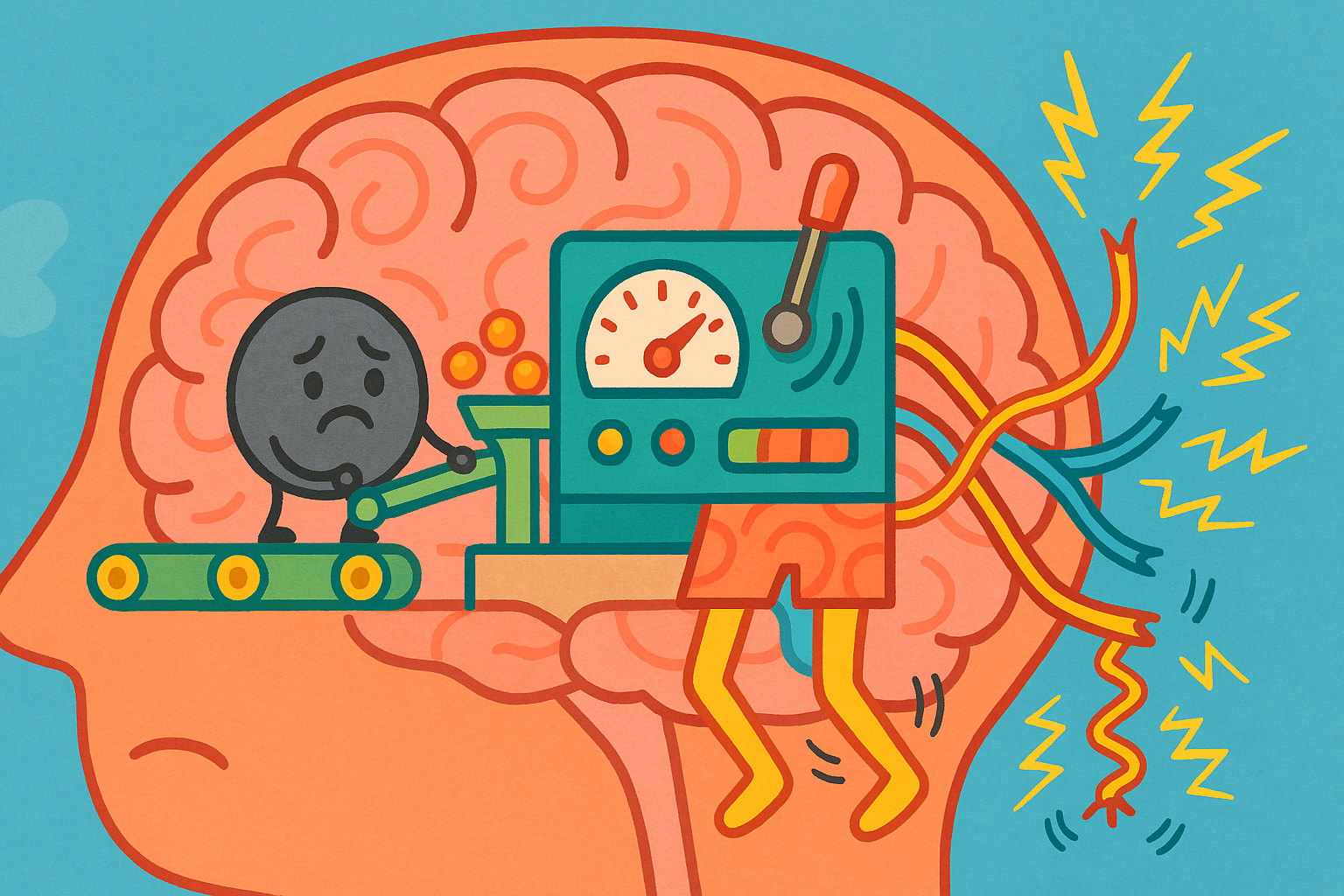
Think of it like a car engine idling too high. Because the dopamine signals are not regulating movement properly, the nervous system becomes hyperactive during rest, sending false signals to the legs that create the urge to move.
Who Benefits Or Needs Caution: At-Risk Populations
While anyone can develop Restless Legs Syndrome, research shows it is highly linked to certain medical conditions and life stages. In these populations, treating the underlying condition often improves the restless symptoms.
Chronic Kidney Disease (CKD)
People with declining kidney function are at a very high risk. A 2023 review in Tremor and Other Hyperkinetic Movements notes that while the condition affects 5% to 10% of the general population, it affects 15% to 30% of patients with chronic kidney disease. The buildup of toxins in the blood and related iron deficiencies make the symptoms much worse, leading to severe insomnia for those on dialysis.
Pregnancy
Pregnancy is one of the most common triggers. A 2017 study in the Journal of Clinical Sleep Medicine followed over 1,500 women in their third trimester and found that 36% experienced Restless Legs Syndrome. These women had much higher rates of poor sleep quality and daytime sleepiness. Fortunately, symptoms usually disappear shortly after delivery.
Neurological and Autoimmune Conditions
Diseases that affect the nervous system often carry a higher risk of restless legs.
- Multiple Sclerosis: A 2020 study in Multiple Sclerosis and Related Disorders found that Multiple Sclerosis patients with restless legs reported significantly worse cognitive impairment than those without. The researchers noted that poor sleep quality was the primary reason for this mental fog.
- Spinal Muscular Atrophy (SMA): A 2026 study in the Journal of Neuromuscular Diseases found that adults with SMA frequently suffer from poor sleep efficiency, with over 11% experiencing restless legs.
- Parkinson’s Disease: A 2021 review in Current Neuropharmacology highlights that sleep disorders, including restless legs, are incredibly common in Parkinson’s disease due to the shared underlying dopamine dysfunction.
Sleep Apnea
There is a strong overlap between sleep breathing disorders and restless legs. A 2025 review in Sleep Medicine Reviews evaluated over 3,000 patients and found that 10% to 30% of people with Obstructive Sleep Apnea also have Restless Legs Syndrome. This combination leads to severe fatigue and depression.
Related: How Sleep and Sleep Apnea Affect Your Heart Rate
| Condition | Estimated Prevalence of RLS | Impact on Sleep | Source |
|---|---|---|---|
| General Population | 5% – 10% | Delays sleep onset | PMID 39209614 |
| Pregnancy (3rd Trimester) | 36% | Causes daytime sleepiness | PMID 28633715 |
| Chronic Kidney Disease | 15% – 30% | Severe fragmentation | PMID 37008995 |
| Obstructive Sleep Apnea | 10% – 30% | Reduces therapy response | PMID 41061431 |
Children and Restless Sleep Disorder (RSD)
Adults are not the only ones affected. Children can also experience Restless Legs Syndrome, but they often lack the vocabulary to describe the “creepy-crawly” sensations, leading to misdiagnoses of ADHD or growing pains.
A 2025 study in Sleep Medicine looked at children with ADHD and their mothers. The study found that children with ADHD had significantly poorer sleep quality and higher rates of restless legs symptoms. Interestingly, the sleep quality of the mothers closely mirrored the sleep quality of the children, highlighting a shared genetic and environmental link.
Recently, researchers have identified a distinct but related pediatric condition called Restless Sleep Disorder (RSD). According to a 2022 review in Pediatric Pulmonology, children with this disorder do not necessarily feel the urge to move while awake. Instead, they make large, full-body movements constantly throughout the night. Like adult Restless Legs Syndrome, this pediatric disorder is closely linked to low iron levels and improves with iron supplementation.
Common Misunderstandings: Does RLS Affect Your Lifespan?
Because Restless Legs Syndrome is linked to chronic conditions like kidney disease and high blood pressure, a common myth is that having the condition directly shortens your lifespan.
Science says otherwise. A large 2021 study in Nature Reviews Disease Primers tracked tens of thousands of participants across four massive health cohorts in the US and Germany. The researchers followed the participants for up to 11 years. They concluded that while the condition severely impacts quality of life and sleep, it is not associated with an increased risk of all-cause mortality. It ruins your sleep, but it does not directly kill you.
Practical Guidance: What the Science Says Actually Works
Managing this condition requires a personalized approach. What works for a mild case may not work for a severe one.
1. Check Your Iron Levels
Because brain iron deficiency is a core trigger, clinical guidelines recommend checking a full iron panel (including ferritin) for anyone experiencing symptoms. A 2020 review in La Revue de Medecine Interne notes that if ferritin levels are low (typically under 75 µg/L), oral iron supplementation combined with Vitamin C is the first line of defense. If oral iron does not work or is poorly absorbed, intravenous (IV) iron may be used.
Related: Does Iron Supplementation Help? What Science Says About Benefits and Risks
2. Review Your Medications
Certain common medications actively block dopamine or increase nervous system activity, making symptoms much worse. These include:
- Sedating antihistamines (like Benadryl)
- Anti-nausea medications
- Certain antidepressants (like SSRIs)
Consult your doctor about finding alternatives that do not aggravate the nervous system.
3. Pharmacological Treatments
For severe cases, prescription medications are available. However, the medical consensus on which drugs to use has shifted recently.
Historically, dopamine agonists (drugs that mimic dopamine in the brain) were the standard treatment. While they work well initially, long-term use can cause a severe side effect called Augmentation (awg-men-TAY-shun). This is a paradoxical reaction where the medication eventually causes the symptoms to become more intense, start earlier in the day, and spread to the arms.
Because of the risk of augmentation, a 2025 review in Medicina Clinica notes that dopamine agonists are now often considered a second-line treatment. Today, medications known as alpha-2-delta ligands (such as gabapentin and pregabalin) are generally preferred as first-line treatments because they calm the nervous system without causing augmentation.
In rare, highly refractory cases, opioids may be prescribed. A 2020 review in Current Opinion in Pulmonary Medicine notes that while opioids are effective for restless legs, they must be used with extreme caution due to the risks of addiction and the potential to cause central sleep apnea (where the brain temporarily stops sending signals to breathe during sleep).
4. Non-Pharmacological Options
For those looking to avoid medication, physical therapies show promise, particularly for high-risk groups.
- Exercise: A 2018 meta-analysis in the Journal of Pain and Symptom Management reviewed 15 randomized controlled trials involving hemodialysis patients. The researchers found that regular exercise training significantly reduced the severity of restless legs, depression, and fatigue.
- Massage and Acupressure: A 2025 review in Nursing Open looked at alternative therapies for kidney disease patients. The data showed that professional massage (especially with lavender oil) and targeted acupressure significantly reduced symptom severity, though they did not fully cure poor sleep quality.
- Treating Sleep Apnea: For those with comorbid sleep apnea, using a CPAP machine to maintain airway pressure can sometimes reduce leg symptoms and improve overall sleep quality.
The Bottom Line
Restless Legs Syndrome is a very real neurological condition that profoundly disrupts sleep quality by delaying sleep onset and causing frequent nighttime awakenings. Driven by a combination of genetic susceptibility, brain iron deficiency, and dopamine dysfunction, it is especially common during pregnancy and in people with chronic kidney disease, diabetes, and neurological disorders.
While the condition does not shorten your lifespan, it can make daily life exhausting. Fortunately, treatment is highly effective. By checking iron levels, avoiding trigger medications, utilizing targeted prescription therapies like gabapentin, and incorporating exercise, most people can calm their nervous system and finally get a good night’s sleep.
Quick Reference: Key Studies
| Study Focus | Key Finding | Source |
|---|---|---|
| Genetics & Mechanisms | Symptoms are driven by brain iron deficiency and dopamine dysfunction. | PMID 39209614 |
| Sleep Quality Impact | 87.9% of medical students with the condition experienced poor sleep quality. | PMID 40131905 |
| Mortality Risk | Large cohort studies show no increased risk of all-cause mortality. | PMID 34732752 |
| Pregnancy | Affects 36% of women in their third trimester, causing daytime fatigue. | PMID 28633715 |
| Type 2 Diabetes | Diabetics with the condition take nearly twice as long to fall asleep. | PMID 32921575 |
| Exercise Therapy | Exercise training significantly reduces symptoms and fatigue in hemodialysis patients. | PMID 29247753 |
| Pediatric Sleep | Children can experience Restless Sleep Disorder (RSD), which improves with iron therapy. | PMID 33527761 |
Last updated: October 2026
This article synthesizes findings from peer-reviewed research. It is for educational purposes only and does not constitute medical advice. Consult a healthcare provider before starting any new regimen.



Leave a Reply