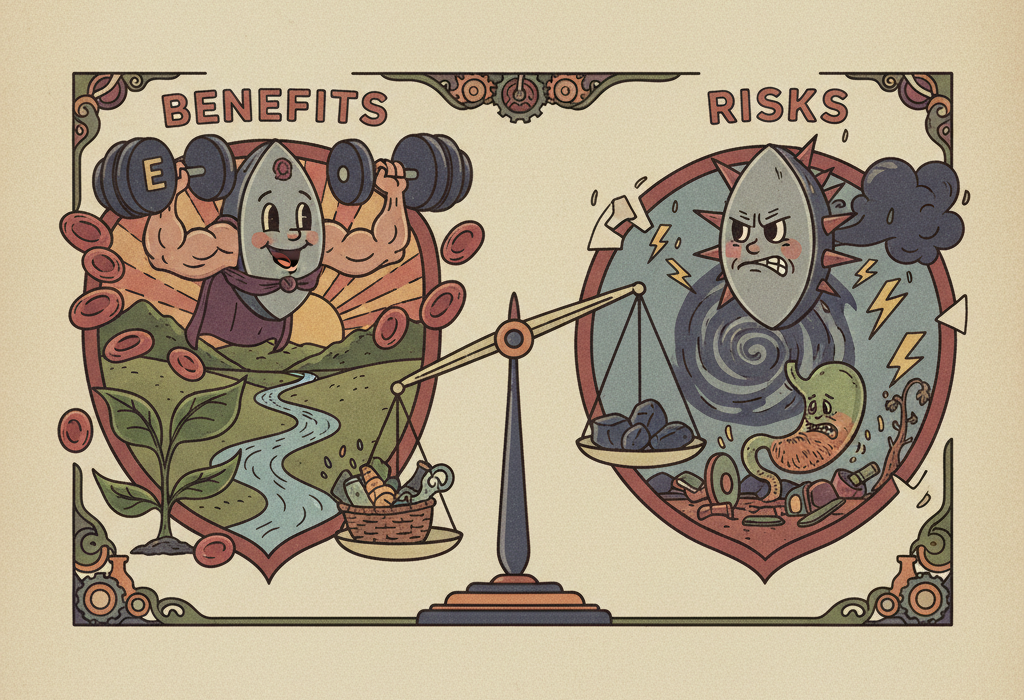
Iron is one of the most abundant elements on Earth, yet iron deficiency remains the most common nutritional shortfall worldwide. When people feel constantly tired, iron is often the first nutrient they suspect they are missing.
So, do iron supplements actually help? The short answer is yes, but only if you are truly deficient. Iron deficiency anemia (uh-NEE-mee-uh) is a condition where your body lacks enough iron to produce healthy red blood cells, leading to severe fatigue and poor oxygen transport. If you have this condition, supplements are highly effective. However, a core tension exists in medical research: while iron is vital for life, giving extra iron to people who already have enough can actually cause harm.
This article explores what the latest peer-reviewed science says about how iron works in your body, who actually benefits from supplements, and why careful testing is so important.
How This Might Work: Understanding Iron in Your Body
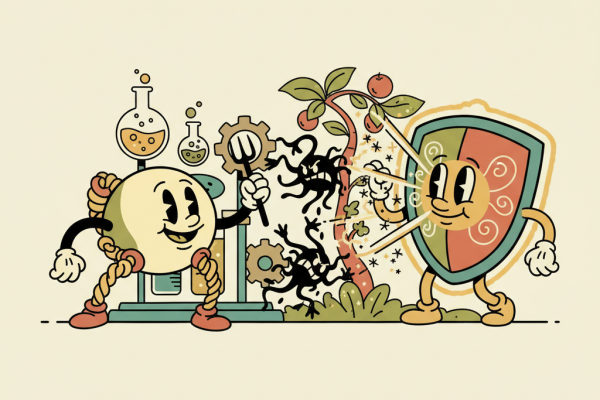
To understand why iron supplements are tricky, it helps to understand how your body handles this mineral. You can think of your body as a highly secure bank vault when it comes to iron. Because free-floating iron can damage your tissues, your body tightly controls how much is absorbed, where it is stored, and how it is transported.
Several key proteins and hormones manage this process:
- Hemoglobin (HEE-muh-glow-bin) – the protein in your red blood cells that uses iron to carry oxygen from your lungs to the rest of your body.
- Ferritin (FAIR-ih-tin) – the protein that stores iron safely inside your cells for future use.
- Hepcidin (HEP-sih-din) – a hormone made in your liver that acts like a thermostat for iron. When your iron levels are high, hepcidin blocks your gut from absorbing more. When your iron levels are low, hepcidin drops, allowing you to absorb more iron from your food.
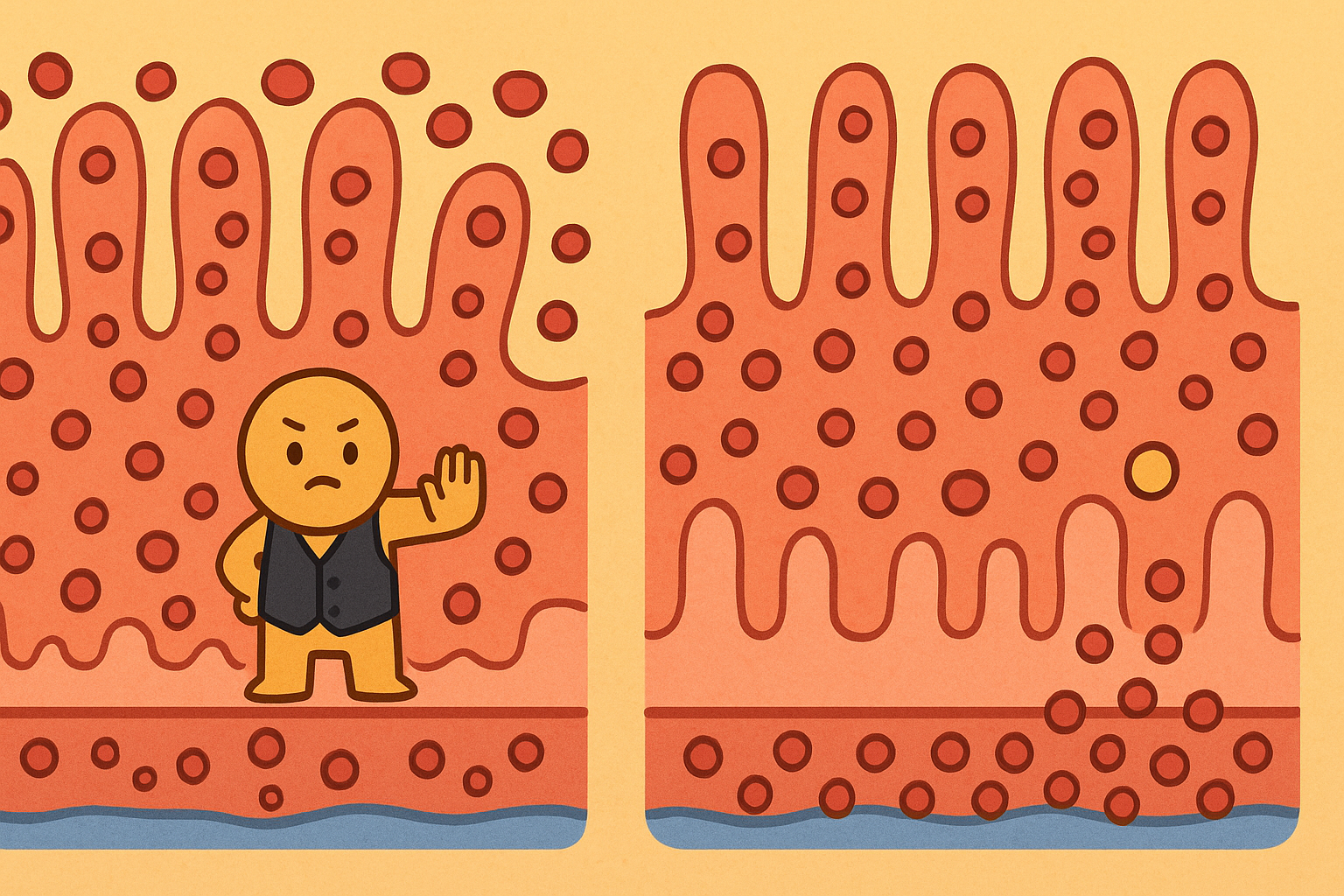
When you take an iron supplement, your body must decide whether to absorb it or block it. If your stores are already full, your liver releases hepcidin to prevent absorption. This unabsorbed iron then sits in your digestive tract, which often causes the stomach upset and constipation commonly associated with iron pills.
What the Research Shows: The U-Shaped Risk Curve
When scientists study iron, they often find a “U-shaped” risk curve. This means that having too little iron is dangerous, but having too much iron is also dangerous. The healthiest place to be is right in the middle.
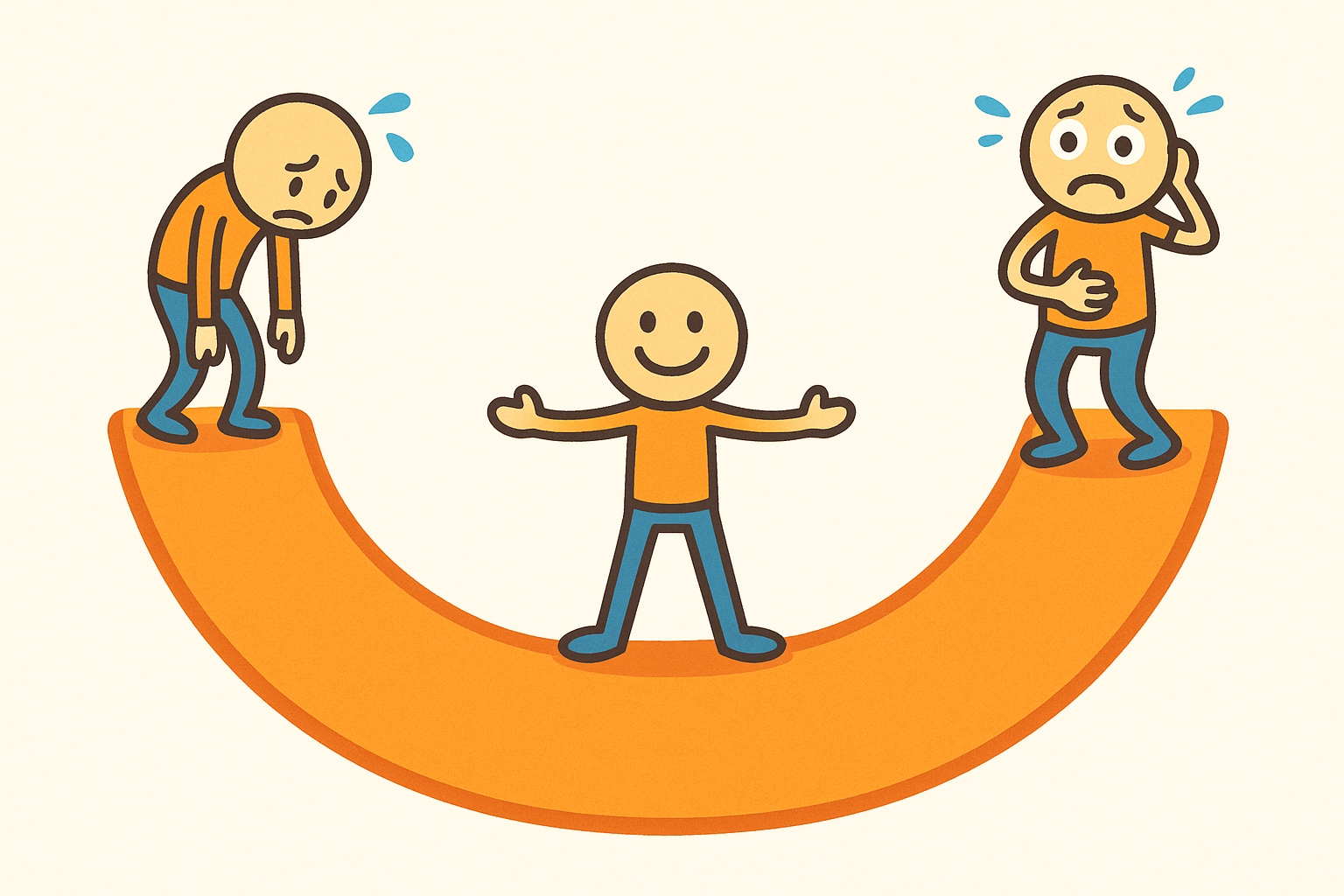
A 2019 review in the Annual Review of Nutrition explains that every cell in the human body requires iron to function properly. However, excess iron can react with oxygen to form harmful molecules. This leads to oxidative stress (OX-ih-day-tiv stress), which is a state where unstable molecules damage your healthy cells.
This delicate balance is clearly seen in chronic diseases. For example, a 2024 study in International Urology and Nephrology looked at diabetic patients with heart disease. The researchers found that patients with very low iron stores had poor health outcomes, but patients with excessively high iron stores also had poor outcomes. Only the patients with moderate, balanced iron levels fared the best.
Related: How an Anti-Inflammatory Diet Actually Affects Your Body
Who Benefits Most from Iron Supplements?
While excess iron is a concern, iron supplements are highly beneficial and sometimes life-saving for specific groups of people who are prone to deficiency.
Pregnant Women
Pregnancy demands a massive amount of iron. A woman’s blood volume increases by up to 50 percent during pregnancy, and the growing baby requires its own iron supply.
A 2016 review in Nature Reviews Endocrinology notes that iron deficiency during pregnancy increases the risk of premature birth and low birth weight. To combat this, a 2021 review in The Cochrane Database of Systematic Reviews found that daily iron supplementation significantly increases maternal hemoglobin levels and reduces the risk of anemia.
Interestingly, how a baby is delivered also impacts their iron levels. A 2016 report in American Family Physician highlights that delayed cord clamping (waiting a minute or two before cutting the umbilical cord) allows more iron-rich blood to flow to the newborn, which improves their iron status for months after birth.
Related: What Science Actually Says About Managing Gestational Diabetes
Infants and Young Children
Iron is absolutely critical for a child’s brain development. It helps build the protective coating around nerve fibers and supports the creation of neurotransmitters.
However, routine supplementation for all children is a subject of ongoing research. A 2021 clinical trial in The New England Journal of Medicine studied 8-month-old infants in Bangladesh. The researchers found that giving iron drops for three months successfully reduced anemia, but it did not show immediate improvements in cognitive development scores compared to a placebo. This suggests that while iron fixes the blood deficiency, the brain benefits might be more complex or take longer to appear.
Vegans and Vegetarians
People who eat plant-based diets need to pay special attention to their iron intake. There are two types of iron in food:
1. Heme iron: Found in meat, poultry, and fish. It is easily absorbed by the body.
2. Non-heme iron: Found in plants like beans, spinach, and fortified cereals. It is much harder for the body to absorb.
A 2020 review in the Journal of the American Dietetic Association explains that because plant-based iron is harder to absorb, vegetarians actually need to consume 1.8 times more iron than meat-eaters. Furthermore, plant foods often contain compounds like phytates (found in whole grains and beans) that bind to iron and block it from being absorbed.
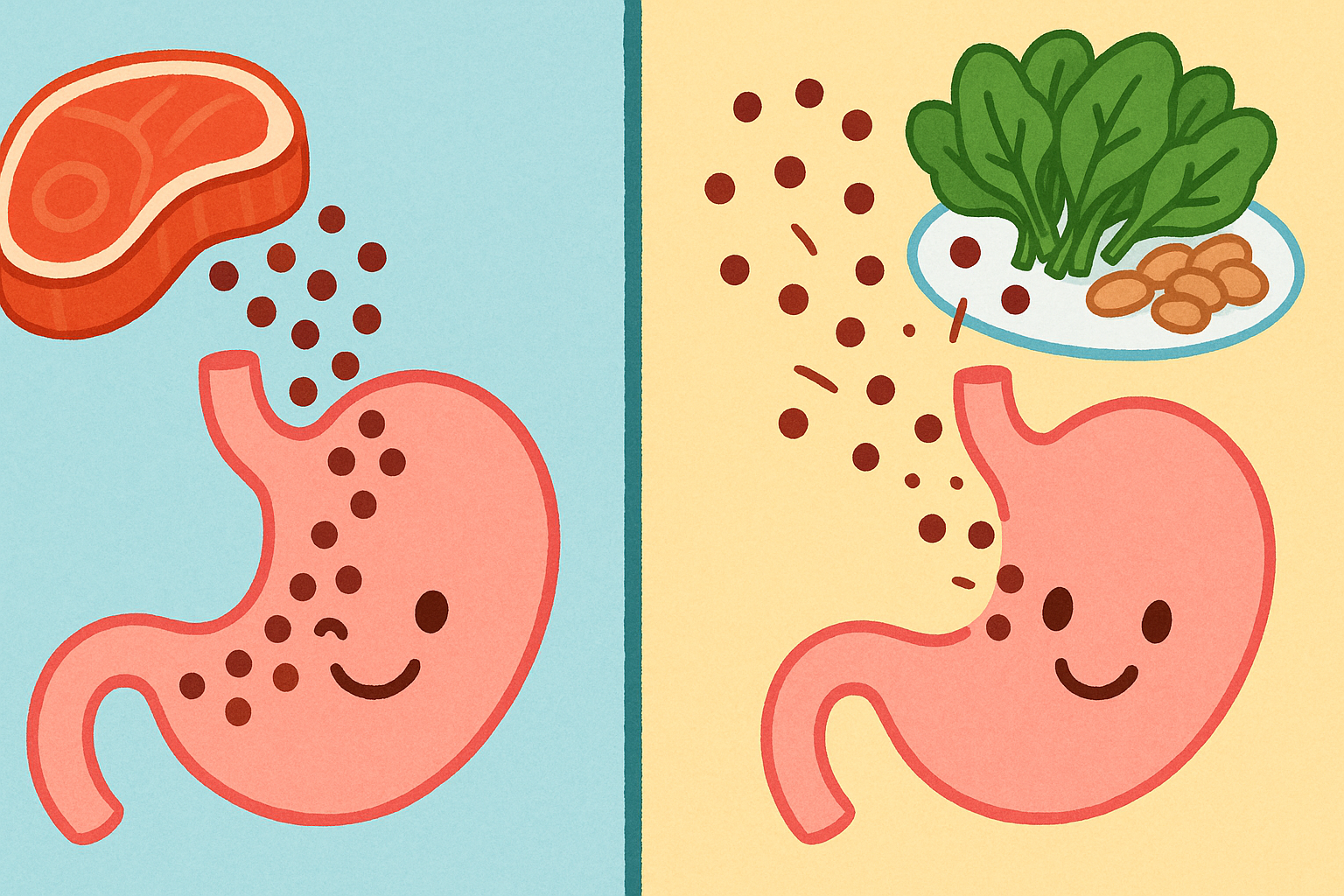
A 2024 meta-analysis in Critical Reviews in Food Science and Nutrition looked at vegan children and adolescents. The study found that while vegan children often consumed more total iron in their diets than non-vegans, their actual blood stores of iron (ferritin) were lower. This highlights that how much iron you eat matters less than how much your body actually absorbs.
| Feature | Heme Iron | Non-Heme Iron |
|---|---|---|
| Source | Meat, poultry, seafood | Beans, greens, nuts, grains |
| Absorption Rate | High (15-35%) | Low (2-20%) |
| Affected by other foods? | Rarely | Highly affected (blocked by tea/coffee, enhanced by Vitamin C) |
Where The Science Urges Caution
If you are not deficient in iron, taking a supplement is not recommended.
One major reason for caution involves your gut microbiome. As noted in a 2022 review in Nutrients, when you take a high-dose iron pill, your body only absorbs a fraction of it. The leftover iron travels down into your colon. Certain harmful bacteria thrive on this excess iron, which can alter the balance of your gut microbiome and potentially lead to stomach upset or inflammation.
Additionally, in areas of the world where malaria is common, researchers have found that routine iron supplementation can sometimes increase the risk of severe malaria infections, because the malaria parasite also uses iron to multiply. In these regions, health organizations recommend treating malaria first or combining iron with malaria prevention.
Related: How the Gut-Brain Connection Actually Works: What the Latest Science Says
Practical Guidance: How to Optimize Iron Absorption
If your doctor has diagnosed you with low iron, the way you take your supplement can drastically change how well it works.
Take it every other day. For decades, doctors told patients to take iron pills every single day, sometimes twice a day. However, a 2022 review in the Journal of Midwifery & Women’s Health highlights newer research showing that taking oral iron every other day is actually better. When you take a large dose of iron, your liver releases a spike of hepcidin, which blocks further iron absorption for up to 24 hours. Taking iron every other day allows hepcidin levels to reset, meaning you absorb more iron overall and experience fewer stomach aches.
Pair it with Vitamin C. A 2020 review in the Nestle Nutrition Institute Workshop Series confirms that Vitamin C is a potent enhancer of iron absorption. Drinking a small glass of orange juice or eating strawberries alongside your iron supplement (or iron-rich plant foods) helps convert the iron into a form that your intestines can easily absorb.
Intravenous (IV) Iron. For people with severe anemia, or those who cannot tolerate the stomach pain from oral pills, IV iron has become a common alternative. Research confirms that modern IV iron formulations are safe, highly effective, and bypass the digestive system entirely, providing rapid recovery for severe deficiencies.
The Problem with Blood Tests and Inflammation
Diagnosing iron deficiency is not always straightforward. Doctors typically measure ferritin to see how much iron you have stored.
However, ferritin is also an “acute-phase reactant.” As explained in the 2022 ESPEN micronutrient guidelines, this means that whenever your body is dealing with inflammation, infection, or chronic illness, your ferritin levels will artificially rise.
If a doctor only looks at a ferritin test while you have a cold, or if you have a chronic inflammatory condition, the test might look normal even if you are secretly iron deficient. Because of this, the guidelines strongly recommend that doctors test for C-reactive protein (a marker of inflammation) at the same time they test your iron, to ensure the results are accurate.
Common Questions About Iron Supplements
Can I get enough iron from food alone?
Yes, many people maintain healthy iron levels through a balanced diet of meats, beans, leafy greens, and fortified cereals. However, pregnant women, growing children, and individuals with heavy menstrual bleeding often struggle to meet their needs through food alone and may require a supplement.
Why do iron pills cause stomach upset?
Your body can only absorb a small amount of iron at a time. The unabsorbed iron remains in your digestive tract, which can irritate the stomach lining and cause constipation or nausea. Taking iron every other day can help reduce these side effects.
Does calcium block iron absorption?
Historically, people were told to avoid dairy when taking iron. While calcium can mildly inhibit iron absorption, recent studies suggest the effect is not as severe as once thought. Still, for maximum absorption, it is best to take iron supplements with water or juice rather than milk.
The Bottom Line
Iron is a vital nutrient required for energy, brain development, and a healthy pregnancy. If you have a confirmed iron deficiency, supplementation is an effective and necessary treatment.
However, the scientific consensus is clear: iron is not a supplement you should take “just in case.” Because the body lacks a fast way to get rid of excess iron, unnecessary supplementation can lead to digestive issues and oxidative stress. If you suspect you are low in iron, the best approach is to ask your healthcare provider for a blood test before starting a supplement routine.
Quick Reference: Key Studies
| Study Focus | Key Finding | Source |
|---|---|---|
| Anemia Across the Life Cycle | Daily iron supplementation successfully increases hemoglobin and reduces the risk of anemia in infants, children, and women. | PMID 34564844 |
| Iron in Pregnancy | Intravenous (IV) iron is a safe and highly effective alternative for pregnant individuals who cannot tolerate oral iron pills. | PMID 35642737 |
| Vegan Diets in Children | Vegan children often consume more total iron, but have lower actual iron stores (ferritin) due to the poor absorption of plant-based iron. | PMID 37811643 |
| Iron and Inflammation | Blood tests for iron can be misleading if you have inflammation. Doctors should test for inflammation markers alongside iron levels. | PMID 35365361 |
| Infant Cognitive Development | Three months of iron supplementation in infants cured anemia but did not show immediate improvements in cognitive development scores. | PMID 34496174 |
Last updated: April 2026
This article synthesizes findings from peer-reviewed research. It is for educational purposes only and does not constitute medical advice. Consult a healthcare provider before starting any new regimen.
Leave a Reply