Misplacing your car keys or forgetting a name can be frustrating. As we get older, many of us worry that these small slips are the first signs of a fading mind. This gradual loss of thinking, memory, and reasoning skills is known as cognitive decline (KOG-nih-tiv dih-KLINE). While some changes in memory are a normal part of aging, severe decline and dementia are not inevitable.
So, can we actually prevent cognitive decline? The short answer is that while we cannot stop the biological clock entirely, a large body of scientific evidence shows that we can significantly delay cognitive decline and protect our brain health.
Research indicates that our daily habits play a massive role in how our brains age. By looking at long-term studies and clinical trials, scientists have identified specific patterns in diet, physical activity, and mental stimulation that help keep the brain sharp.
Related: Understanding Brain Fog and Age-Related Cognitive Decline
The Power of a Combined Approach
Scientists used to study brain health by looking at one habit at a time, like taking a specific vitamin or doing crossword puzzles. However, recent research shows that a “multidomain” approach works best. This means combining several healthy habits at once.
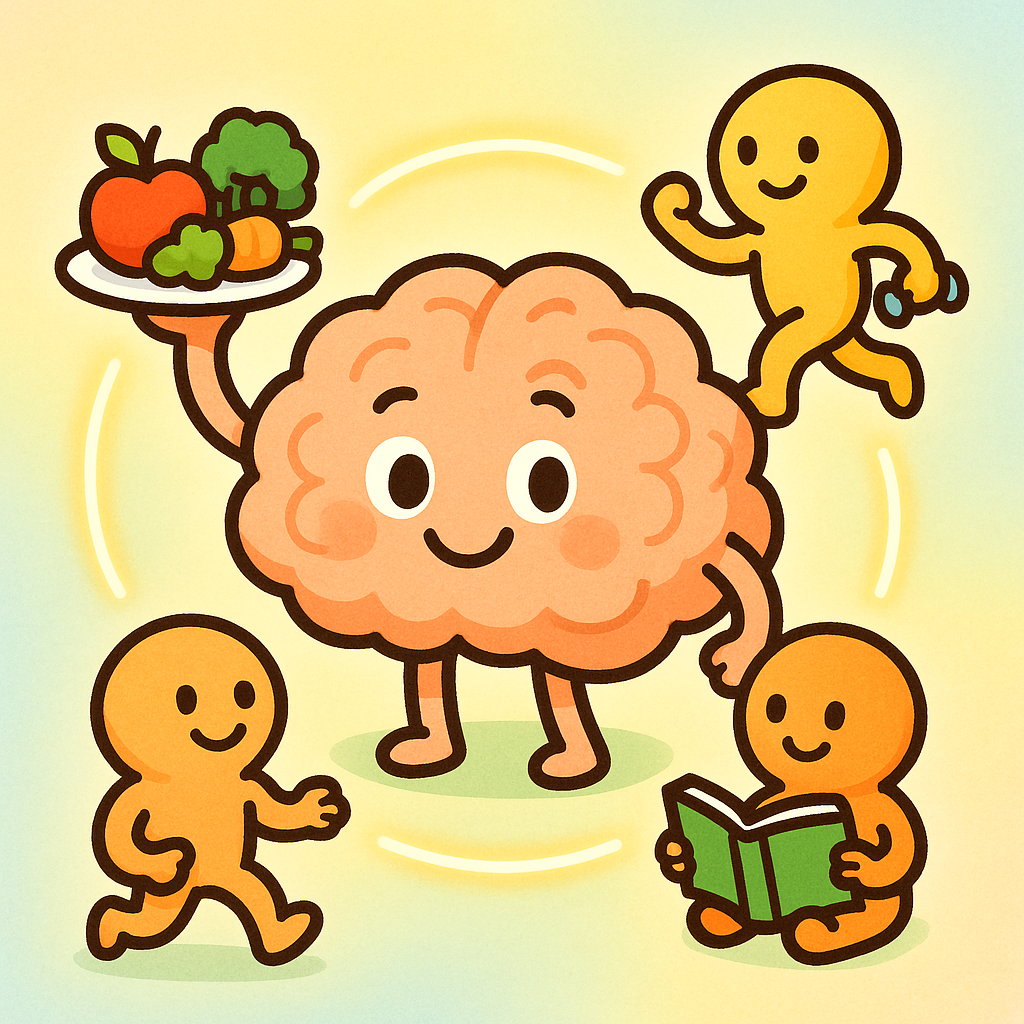
For example, a 2025 clinical trial in JAMA studied over 2,000 older adults at risk for cognitive decline. The researchers found that a structured program combining physical exercise, a brain-healthy diet, mental challenges, and heart health monitoring led to significantly better cognitive function over two years compared to people who just received general health advice.
This builds on earlier research, such as the famous FINGER study detailed in Alzheimer’s & Dementia, which proved that combining nutrition, exercise, and social activities is one of the most reliable ways to protect the aging brain.
Dietary Patterns That Protect the Brain
What you eat directly impacts your brain’s structure and function. A 2025 meta-analysis in GeroScience reviewed 23 studies and confirmed that following a Mediterranean diet reduces the risk of age-related cognitive disorders by 11 to 30 percent. This diet focuses on fruits, vegetables, whole grains, olive oil, and fish.
Two specific components of this diet stand out in the research:
Omega-3 Fatty Acids
Your brain is made of nearly 60 percent fat, and a specific type of fat called docosahexaenoic acid (doh-KOH-suh-hex-uh-NO-ik AS-id), or DHA, is crucial for building brain cells.
A 2023 review in The American Journal of Clinical Nutrition looked at over 100,000 participants and found that dietary intake of Omega-3s, especially DHA, lowered the risk of cognitive decline by about 20 percent. Another 2023 review in Current Opinion in Lipidology noted that people who eat fish regularly or take Omega-3 supplements tend to experience slower cognitive aging. The research suggests that Omega-3s are most effective when started early, before severe memory problems begin.
Polyphenols and Antioxidants
Plants produce compounds called polyphenols (pah-lee-FEE-nawls) to protect themselves from damage. When we eat plants, these compounds help protect our brain cells from stress and inflammation.
Blueberries are incredibly rich in a type of polyphenol called anthocyanins. A 2022 study in Nutrients tested middle-aged adults who were overweight and experiencing mild memory complaints. Those who consumed blueberry powder daily for 12 weeks showed improved executive function and memory compared to a placebo group.
Green tea is another excellent source of polyphenols. A 2024 study in PLoS One found that older adults who consumed matcha green tea powder for a year showed improvements in social awareness and sleep quality. Similarly, a 2024 animal study in Nutrients showed that green tea extracts helped aged rats navigate mazes faster and reduced markers of brain stress.
Heart Health Equals Brain Health
The brain requires a massive amount of blood flow to function. If the blood vessels are damaged by high blood pressure, the brain does not get the oxygen and nutrients it needs.
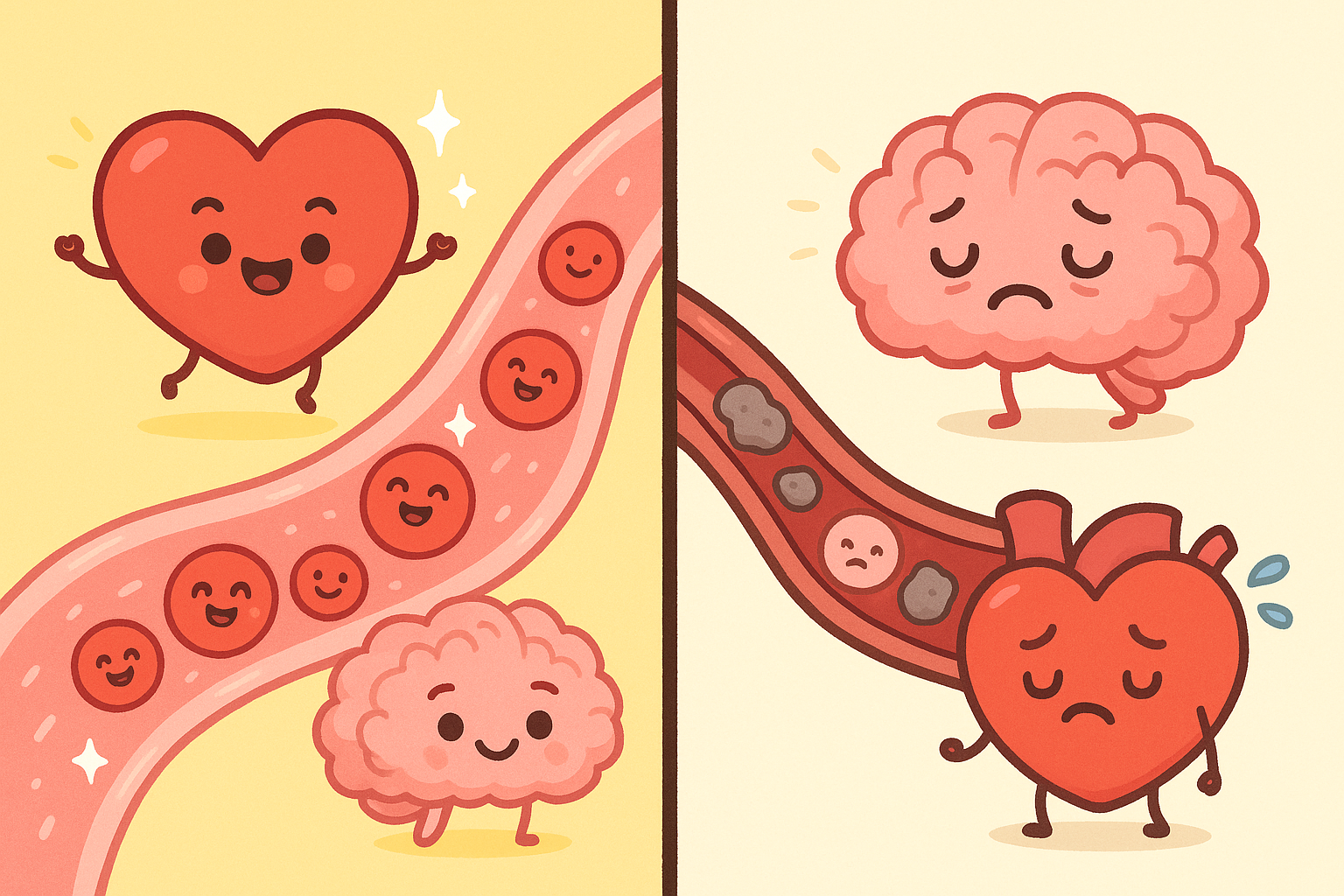
A 2020 meta-analysis in JAMA involving over 92,000 participants found that lowering blood pressure with medication significantly reduced the risk of developing dementia or cognitive impairment.
Physical exercise is another way to ensure healthy blood flow. A 2025 review in The Lancet highlights that high cardiorespiratory fitness helps form new blood vessels in the brain, reduces inflammation, and encourages the brain to build new neural connections.
Mental and Social Stimulation
Keeping the brain active is just as important as keeping the body active. Engaging in complex mental tasks forces the brain to build new pathways.
A 2023 study in the Journal of Alzheimer’s Disease reviewed the impact of traditional board games like Chess, Go, and Mahjong on older adults. The researchers found that playing these games improved mental function, executive skills, and overall quality of life. The deep focus and strategy required to play these games act like a workout for the brain.
Common Misunderstandings About Education and Aging
It is a common belief that having a higher level of formal education slows down the rate at which your brain ages. However, science tells a slightly different story.
A 2020 review in Psychological Science in the Public Interest clarified that while higher education is linked to better cognitive function in old age, it does not actually slow down the rate of decline.
Think of your brain like a savings account. Education and early mental stimulation give you a larger starting balance. When the normal cognitive decline of aging begins, everyone loses “money” at roughly the same rate. However, because highly educated people started with a larger balance, it takes them much longer to drop below the threshold where memory problems become noticeable in daily life.

How This Might Work: The Biology of Brain Aging
Scientists are still figuring out exactly how lifestyle changes protect the brain at a microscopic level. Two fascinating areas of current research involve cellular energy and the gut microbiome.
Cellular Housekeepers and Inflammation
Our immune system has cells called macrophages (MAK-roh-fayj) that act like housekeepers, cleaning up debris and fighting infections. A 2021 study in Nature found that as mice age, these housekeepers get sluggish. Instead of using glucose for energy to clean the brain, they store it away. This causes chronic inflammation, which damages brain cells. When researchers used medication to restore the metabolism of these immune cells, the older mice regained their youthful memory and learning abilities.
The Gut-Brain Connection
The bacteria living in our digestive tract communicate directly with our brains. A 2023 study in Nutrients tested a specific probiotic strain on aged mice. The researchers found that the probiotic altered the gut bacteria, which in turn increased the production of serotonin in the brain. This chemical change reversed signs of age-related cognitive decline in the mice. While human studies are still ongoing, this shows that a healthy gut contributes to a healthy mind.
Related: How the Gut-Brain Connection Actually Works: What the Latest Science Says
Who Benefits Most From Early Action
While everyone benefits from a healthy lifestyle, certain populations should pay special attention to early prevention. People who carry the ApoE4 gene variant have a higher genetic risk for Alzheimer’s disease. Research suggests that these individuals may benefit the most from early interventions, such as increasing their Omega-3 intake before any memory problems begin.
Additionally, midlife (ages 40 to 65) appears to be a critical window. Metabolic issues like insulin resistance often begin in midlife and significantly increase the risk of future dementia. Taking action to improve diet and exercise during these years can pay massive dividends decades later.
Practical Guidance
Based on current research, here are the most evidence-backed ways to support your cognitive health as you age:
- Eat for your brain: Adopt a Mediterranean-style diet. Focus on leafy greens, whole grains, and healthy fats like olive oil.
- Get your Omega-3s: Eat fatty fish (like salmon or sardines) twice a week, or talk to your doctor about an Omega-3 supplement containing DHA.
- Add colorful plants: Incorporate berries, especially blueberries, and green tea into your routine for their protective polyphenols.
- Move your body: Aim for regular aerobic exercise that safely raises your heart rate to improve blood flow to the brain.
- Know your numbers: Work with your doctor to keep your blood pressure and blood sugar in healthy ranges.
- Play games: Challenge your mind and stay socially connected by learning a new board game, card game, or complex hobby.
The Bottom Line
We cannot stop the aging process, but science clearly shows we have a strong say in how our brains age. There is no single magic pill to prevent cognitive decline. Instead, the most robust evidence points to a combined lifestyle approach. Eating a Mediterranean-style diet rich in Omega-3s and polyphenols, maintaining cardiovascular fitness, controlling blood pressure, and staying mentally active all work together to protect brain cells. By building a larger cognitive “savings account” early and protecting your blood vessels, you can significantly delay the onset of memory problems and maintain your mental sharpness well into old age.
Quick Reference: Key Studies
| Study Focus | Key Finding | Source |
|---|---|---|
| Multidomain Lifestyle Intervention | Combining diet, exercise, and mental challenges improved global cognition over 2 years. | PMID 40720610 |
| Mediterranean Diet | Adherence to a Mediterranean diet reduced the risk of cognitive impairment and dementia by 11-30%. | PMID 39797935 |
| Omega-3 Fatty Acids | DHA intake is associated with roughly a 20% lower risk of cognitive decline. | PMID 37028557 |
| Blueberry Supplementation | Midlife blueberry consumption improved executive ability and memory interference in insulin-resistant adults. | PMID 35458181 |
| Education and Aging | Higher education builds cognitive reserve but does not slow the rate of age-related cognitive decline. | PMID 32772803 |
| Blood Pressure Control | Lowering blood pressure with medication reduced the incidence of dementia and cognitive impairment. | PMID 32427305 |
| Board Games | Playing traditional board games like Chess and Mahjong slowed cognitive decline and improved quality of life. | PMID 37638443 |
Last updated: April 2026
This article synthesizes findings from peer-reviewed research. It is for educational purposes only and does not constitute medical advice. Consult a healthcare provider before starting any new regimen.
Leave a Reply