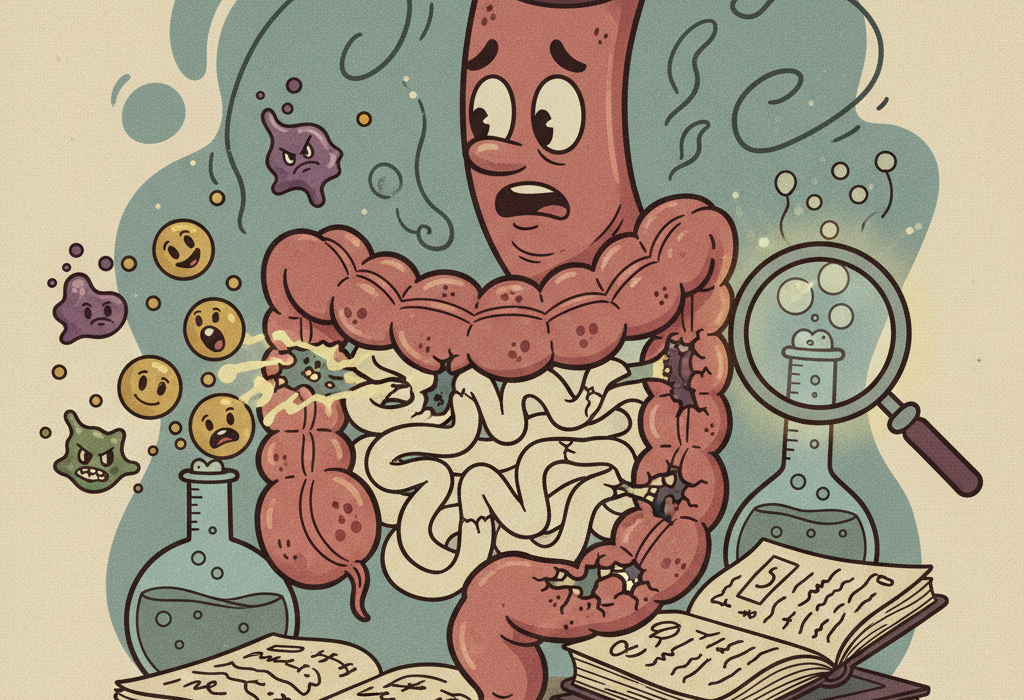
Imagine your digestive tract is like a coffee filter. Its primary job is to let the good things, like water and nutrients, pass through into your bloodstream while keeping the bad things, like bacteria and toxins, safely contained.
When this filter develops tiny gaps, unwanted particles can slip through. In popular health culture, this is widely known as “leaky gut syndrome.” However, in the medical and scientific communities, this process is called intestinal permeability (in-TES-tih-nul per-mee-uh-BIL-ih-tee).
There is a core tension when discussing this topic. While alternative health websites often point to leaky gut as the root cause of everything from brain fog to joint pain, mainstream science views it differently. Researchers agree that the gut barrier can become compromised, but they are still actively studying whether this leakage is the cause of chronic diseases or simply a symptom of other underlying health issues.
If you have ever wondered Does Leaky Gut Syndrome Actually Exist? What the Latest Science Says, understanding the biology behind your gut barrier is the best place to start.
How Your Gut Barrier Actually Works
To understand how a gut becomes “leaky,” it helps to know how it functions when it is healthy.
The lining of your intestines is surprisingly thin. In fact, it is only one cell thick. These cells sit side-by-side and are glued together by complex protein structures called tight junctions (TITE JUNK-shuns).
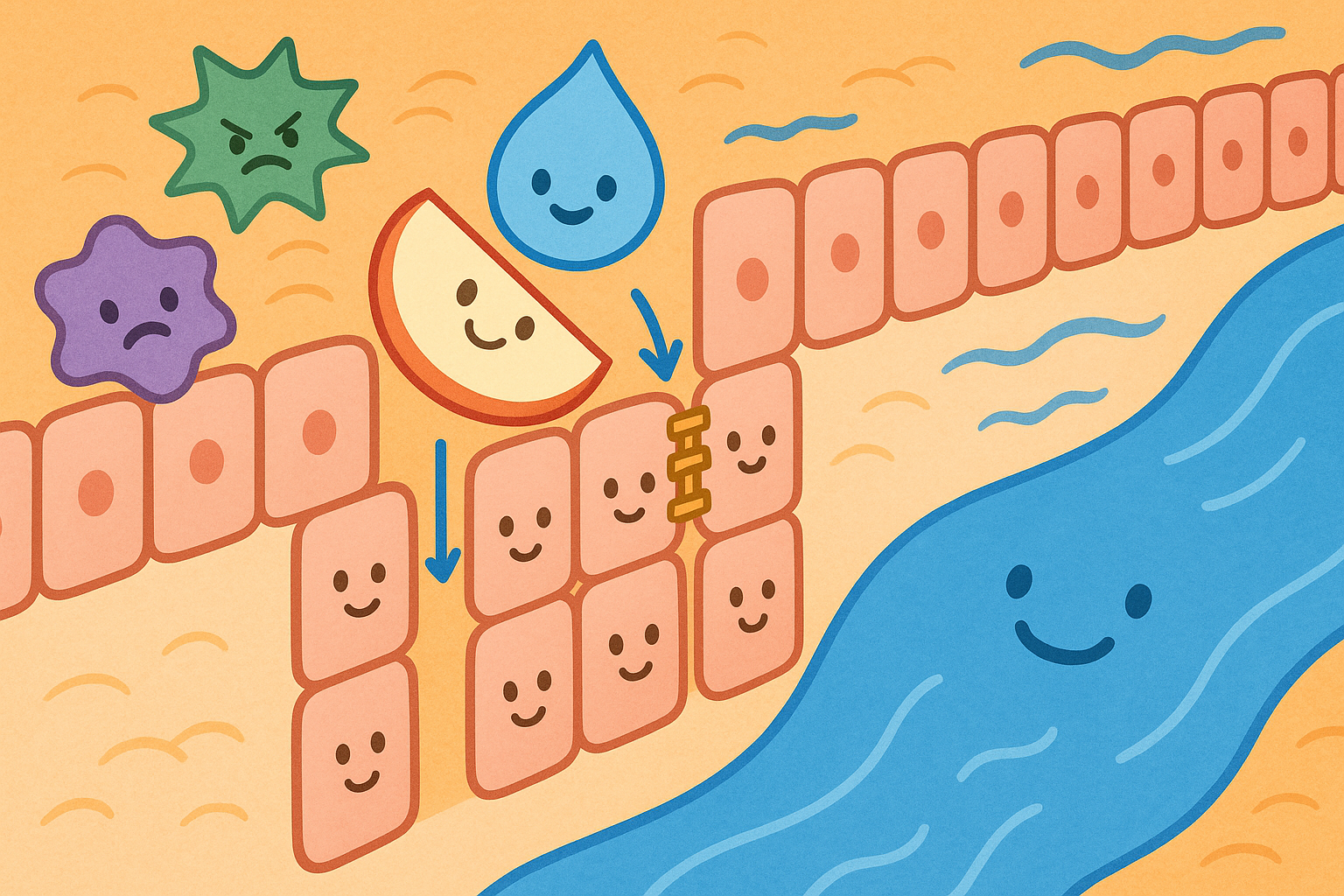
For a long time, scientists thought these tight junctions were permanent, rigid seals. However, researchers eventually discovered that these junctions are dynamic. They can open and close to let specific nutrients pass through.
A major breakthrough in understanding this process came with the discovery of a protein called zonulin (ZOH-noo-lin). According to a 2011 review in Physiological Reviews, zonulin acts like a traffic cop for your intestines. When zonulin levels rise, the tight junctions open up, increasing permeability. When zonulin levels fall, the junctions tighten back up.
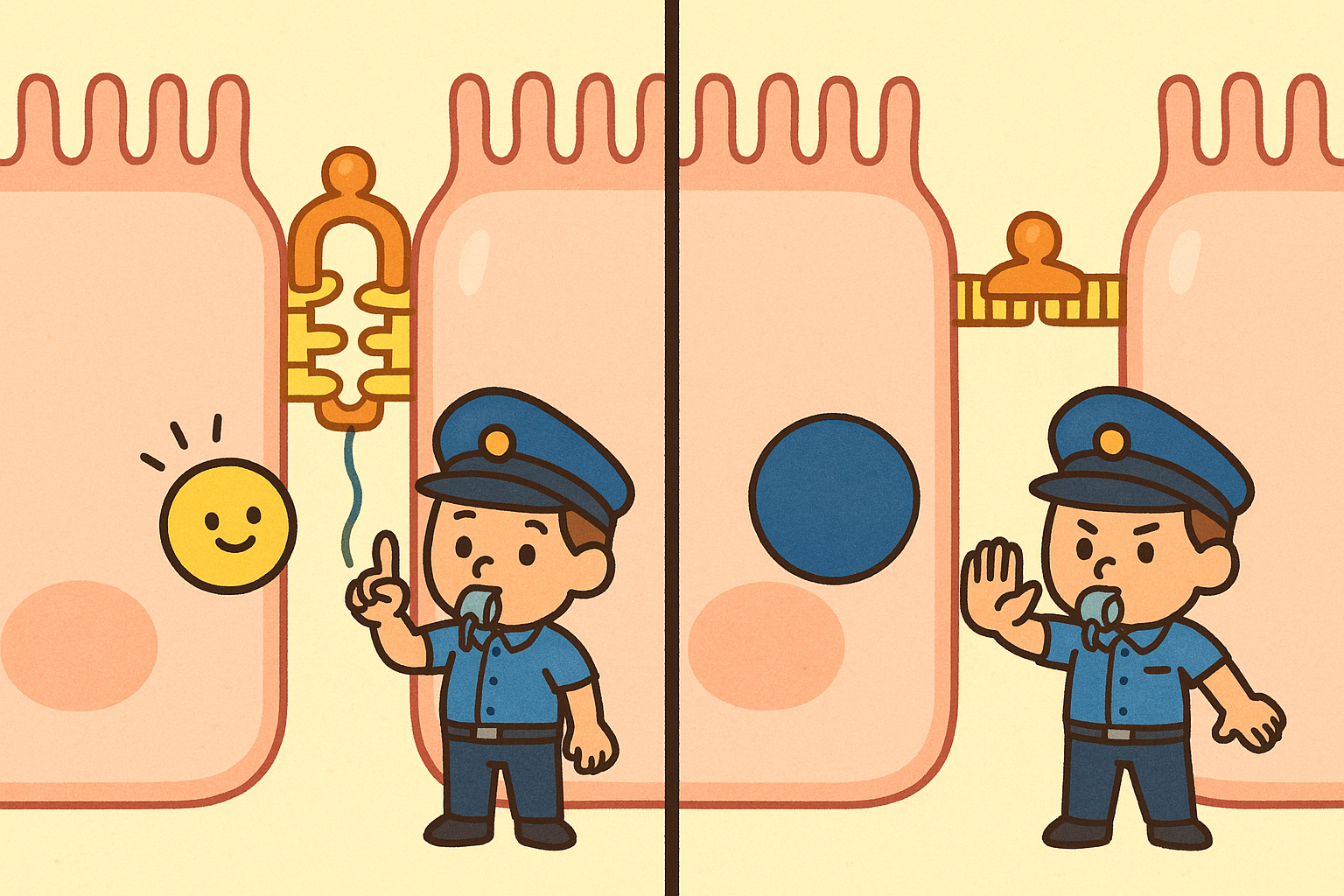
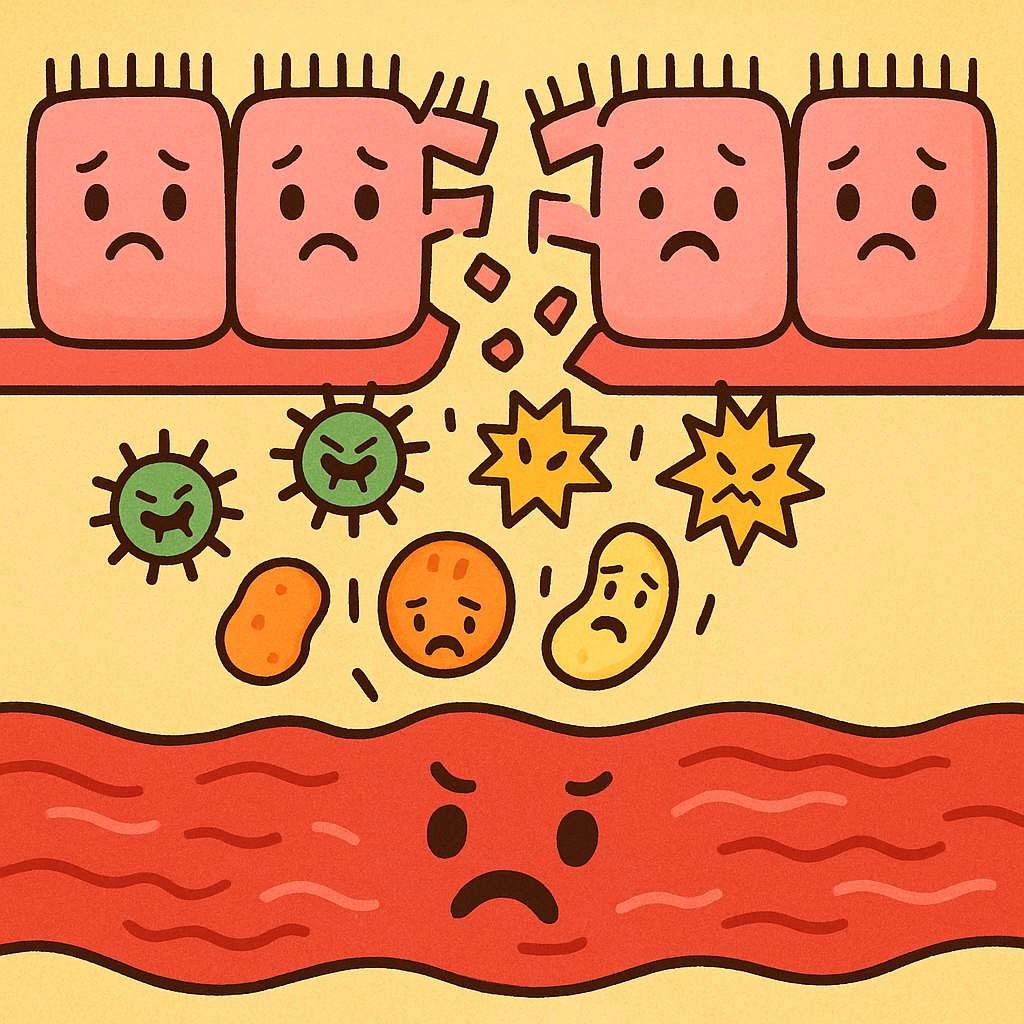
In a healthy body, this opening and closing is strictly controlled. But when the system malfunctions, the tight junctions can stay open too long or too wide. This allows partially digested food, bacteria, and waste products to cross the barrier and enter the bloodstream, which can trigger an immune response.
What the Research Shows About Intestinal Permeability
Scientific research confirms that increased intestinal permeability is a real, measurable physical state. However, the evidence is highly specific about when and why it happens.
The Link to Digestive Diseases
Research published in BMC Gastroenterology clearly links a weakened gut barrier to specific digestive conditions. Scientists have found that people with inflammatory bowel diseases, such as Crohn’s disease and ulcerative colitis, consistently show higher levels of intestinal permeability.
The connection is especially clear in celiac disease. When a person with celiac disease eats gluten, their body produces massive amounts of zonulin. This forces the tight junctions open and allows gluten proteins to cross the gut barrier, triggering a severe autoimmune attack. This is a key reason why The Gluten-Free Diet for Celiac Disease: What Science Says is currently the only effective medical treatment for the condition.
The Role of the Microbiome
Your gut is home to trillions of bacteria, collectively known as the microbiome (my-kroh-BY-ohm). These bacteria play a crucial role in maintaining the health of your intestinal lining.
Certain beneficial bacteria produce short-chain fatty acids, like butyrate, which act as fuel for the cells lining your gut. When the balance of bacteria is disrupted by a poor diet, illness, or excessive antibiotic use, the gut lining receives less fuel and becomes weaker, making it more prone to leaking.
Outside Irritants
A 2019 clinical review in Gut notes that several everyday factors can directly irritate the gut lining and temporarily increase permeability. These include:
- Heavy alcohol consumption
- High doses of nonsteroidal anti-inflammatory drugs (NSAIDs) like ibuprofen
- Diets very high in processed fats and low in fiber
- Chronic, severe physical stress
Where The Science Is Still Uncertain
The biggest debate in gastroenterology today is often referred to as the “chicken or the egg” problem.
A 2017 study in Frontiers in Immunology explored the relationship between a leaky gut and autoimmune diseases like lupus, type 1 diabetes, and multiple sclerosis. The researchers noted that patients with these conditions often have compromised gut barriers.
However, it remains unclear which comes first. Does a leaky gut allow toxins into the bloodstream, confusing the immune system and causing it to attack the body? Or does an already overactive immune system create widespread inflammation that damages the gut lining as a side effect?
Currently, the evidence suggests it is likely a two-way street. Inflammation can damage the gut barrier, and a damaged gut barrier can worsen inflammation. Because of this uncertainty, most medical doctors do not officially recognize “leaky gut syndrome” as a standalone diagnosis. Instead, they view increased intestinal permeability as a mechanism that happens alongside other recognized diseases.
Medical Science vs. Internet Claims
Because “leaky gut” is a popular topic online, it can be difficult to separate scientific fact from marketing claims.
| Concept | The Medical View (Intestinal Permeability) | The Internet View (Leaky Gut Syndrome) |
|---|---|---|
| Definition | A measurable breakdown of tight junctions in the gut lining. | A catch-all diagnosis for unexplained chronic symptoms. |
| Cause | Celiac disease, Crohn’s, heavy NSAID use, severe infections. | Everyday stress, standard diets, minor food sensitivities. |
| Symptoms | Often localized to the gut (diarrhea, pain) or linked to specific autoimmune markers. | Blamed for brain fog, fatigue, acne, weight gain, and joint pain. |
| Treatment | Treating the underlying disease, improving overall diet, reducing alcohol. | Expensive supplement protocols, highly restrictive detox diets. |
Common Questions About Intestinal Permeability
Can a blood or stool test prove I have a leaky gut?
While tests for zonulin and other markers exist, gastroenterologists generally do not recommend them for the average person. These markers fluctuate wildly throughout the day, making a single test highly unreliable for diagnosing a chronic problem.
Do L-glutamine or bone broth fix a leaky gut?
L-glutamine is an amino acid that gut cells use for energy. While some small studies suggest it can help repair the gut lining in critically ill hospital patients, there is limited evidence that taking L-glutamine supplements or drinking bone broth will cure digestive issues in otherwise healthy people.
Is a leaky gut related to a leaky mouth?
Interestingly, the barriers in your mouth and your gut share similar biological features. Poor oral health can lead to a compromised barrier in the gums, allowing oral bacteria to enter the bloodstream. You can learn more about this connection in our guide to Understanding Your Oral Microbiome and Leaky Gum Syndrome.
Practical Guidance: Supporting Your Gut Barrier
While science does not support buying expensive “leaky gut repair” kits, research does support several practical, everyday habits to maintain a strong gut barrier.
1. Eat more fermentable fiber: Foods like oats, beans, bananas, and onions feed the good bacteria in your microbiome. In turn, these bacteria produce the short-chain fatty acids that keep your gut lining thick and healthy.
2. Limit heavy alcohol and NSAID use: Both alcohol and medications like ibuprofen can erode the protective mucus layer of the stomach and intestines. If you need pain relief frequently, speak to a doctor about alternatives that are gentler on the digestive tract.
3. Address underlying medical issues: If you experience chronic bloating, diarrhea, or abdominal pain, do not assume it is just a leaky gut. Work with a doctor to rule out measurable conditions like celiac disease, inflammatory bowel disease, or a bacterial infection.
4. Manage chronic stress: Severe physical and mental stress can alter blood flow to the digestive tract and change the composition of your microbiome, which can weaken the gut barrier over time.
The Bottom Line
Intestinal permeability is a well-documented biological reality. The tight junctions in your gut can become damaged, allowing unwanted particles into your bloodstream. We know for certain that this happens in conditions like celiac disease and inflammatory bowel disease, and that factors like heavy alcohol use and poor diet can contribute to the problem.
However, the science does not currently support the idea that a “leaky gut” is the hidden cause of all unexplained fatigue, weight gain, or brain fog. Furthermore, there is no standardized test or magic supplement proven to cure it.
The most evidence-based way to protect your gut barrier is to focus on the foundations of digestive health: eating a high-fiber diet, managing underlying medical conditions, and avoiding excessive use of substances known to irritate the intestinal lining.
Quick Reference: Key Studies
| Study Focus | Key Finding | Source |
|---|---|---|
| Zonulin and Gut Barrier | Discovered that the protein zonulin regulates the opening and closing of tight junctions in the gut. | PMID 21248165 |
| Intestinal Permeability Review | Linked weakened gut barriers to specific digestive conditions like celiac and Crohn’s disease. | PMID 25407511 |
| Clinical Implications | Identified everyday factors like heavy alcohol and NSAIDs that irritate the gut lining. | PMID 31076401 |
| Autoimmunity and Leaky Gut | Explored the “chicken or egg” relationship between a compromised gut barrier and autoimmune diseases. | PMID 28588585 |
Last updated: April 2026
This article synthesizes findings from peer-reviewed research. It is for educational purposes only and does not constitute medical advice. Consult a healthcare provider before starting any new regimen.
Leave a Reply