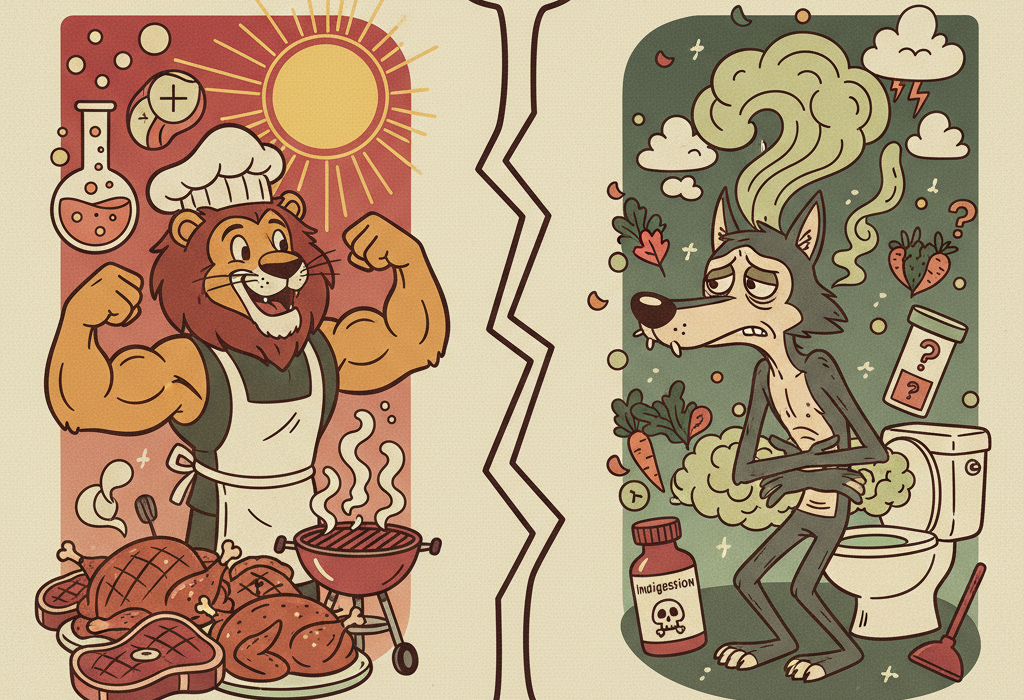
The carnivore diet has gained massive popularity in recent years. Proponents claim that eating only meat and zero carbohydrates can improve everything from digestion to mental clarity. While human studies specifically testing the strict carnivore diet are currently limited, the underlying biology of what happens when you remove carbohydrates from a mammalian diet is well documented.
When you stop eating carbohydrates, your body and brain must find a new source of fuel. This shift in energy metabolism has profound effects on brain chemistry. To understand how zero-carbohydrate and high-fat diets impact brain health, scientists often look at animal models.
A fascinating area of research involves dogs. Dogs, like humans, can suffer from neurological conditions that do not always respond perfectly to standard medications. By studying how nutrition affects canine brain health, researchers are uncovering exactly how dietary changes alter brain function, gut health, and inflammation.
What the Research Shows About Diet and Epilepsy
Veterinary researchers have spent the last decade investigating how food impacts neurological disorders. A 2022 review in the Veterinary Journal evaluated the growing scientific evidence behind using nutrition to manage canine idiopathic epilepsy.
- Idiopathic epilepsy (id-ee-oh-PATH-ik EP-uh-lep-see) is a brain disorder that causes repeated seizures with no known physical cause.
The researchers analyzed preclinical and clinical evidence to see if changing a dog’s diet could reduce seizure frequency. They found that nutrition absolutely plays a role in managing the condition. The review concluded that diet improves neurological outcomes through three main biological pathways:
1. Changing the brain’s primary energy source.
2. Influencing the communication between the gut and the brain.
3. Providing specific anti-inflammatory and neuroprotective factors.
While this study focused on dogs, mammals share very similar metabolic and neurological pathways. The findings help explain why very low-carbohydrate diets, like keto or carnivore diets, often report changes in human brain function.
How Changing Your Diet Changes Your Brain’s Fuel
The most significant change that occurs on a carnivore or strict ketogenic diet is a shift in how the body generates energy.
Normally, a mammalian brain runs on glucose, which is sugar derived from carbohydrates. The brain is an energy-hungry organ. Even though it only makes up a small percentage of body weight, it uses a massive amount of the body’s glucose.
When carbohydrates are removed from the diet, the liver begins breaking down fats into alternative energy molecules.
- Ketones (KEE-tones) are chemicals made by your liver when your body burns fat for energy instead of glucose.
The 2022 review in the Veterinary Journal highlights that changing the brain’s energy source from glucose to alternatives like ketones appears to be a core reason for improved outcomes in epilepsy.
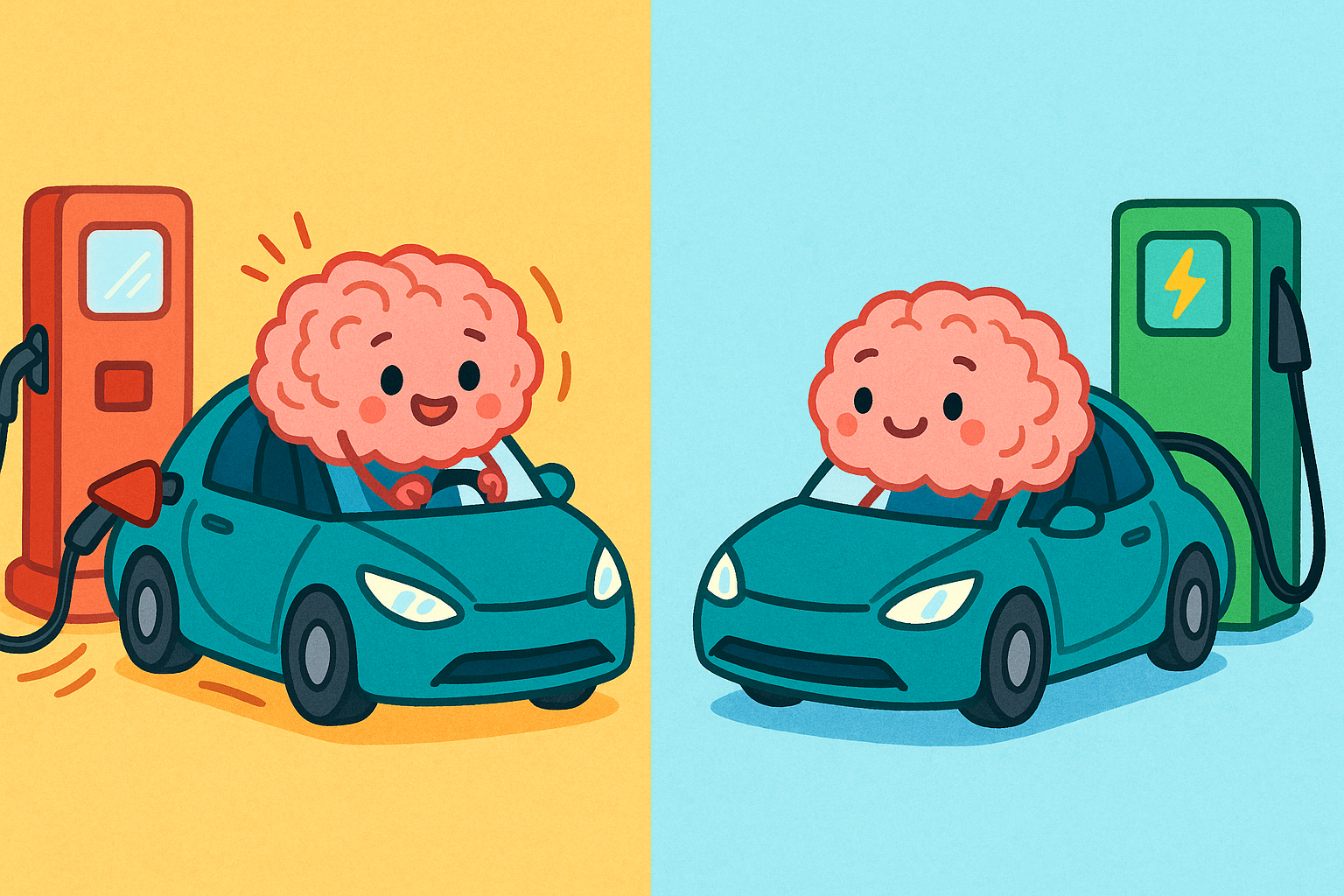
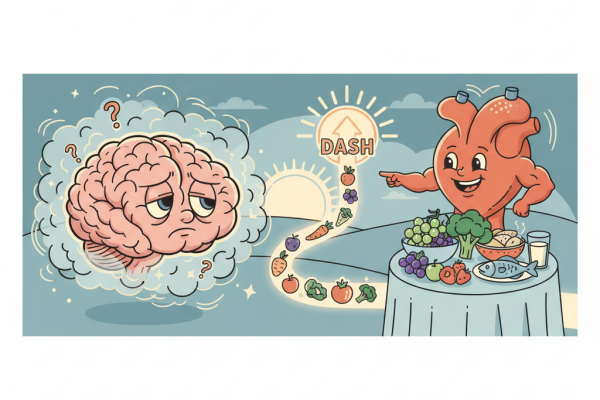
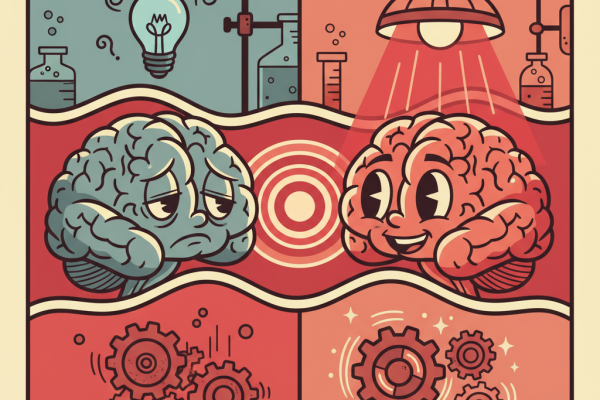
Think of the brain like a hybrid car. Usually, it runs on gas (glucose). When the gas runs out, it switches to the electric battery (ketones). For brains prone to seizures or hyperactivity, glucose can sometimes act like a volatile fuel. Ketones, on the other hand, provide a very steady, stable flow of energy. This stable energy can help calm hyperactive brain cells, making them less likely to misfire and cause a seizure.
Related: Low Carb vs. Keto Diet: What Science Actually Says
The Role of the Gut-Brain Axis
Another major pathway identified by the researchers is the connection between the stomach and the mind.
- Microbiota-gut-brain axis (my-kroh-by-OH-tuh gut brayn AK-sis) is the two-way communication network between the bacteria living in your intestines and your brain.
What you eat directly determines which bacteria thrive in your digestive tract. A high-meat, zero-carbohydrate diet will cultivate a completely different population of gut bacteria compared to a plant-based diet.
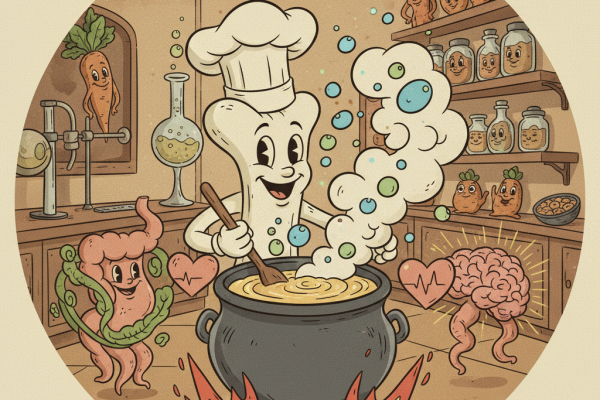
The bacteria in the gut do not just sit there. They digest food and produce chemical byproducts. Some of these byproducts enter the bloodstream, travel to the brain, and influence how brain cells behave. The veterinary researchers noted that modifying the diet alters this gut-brain communication, which can have anti-seizure effects.
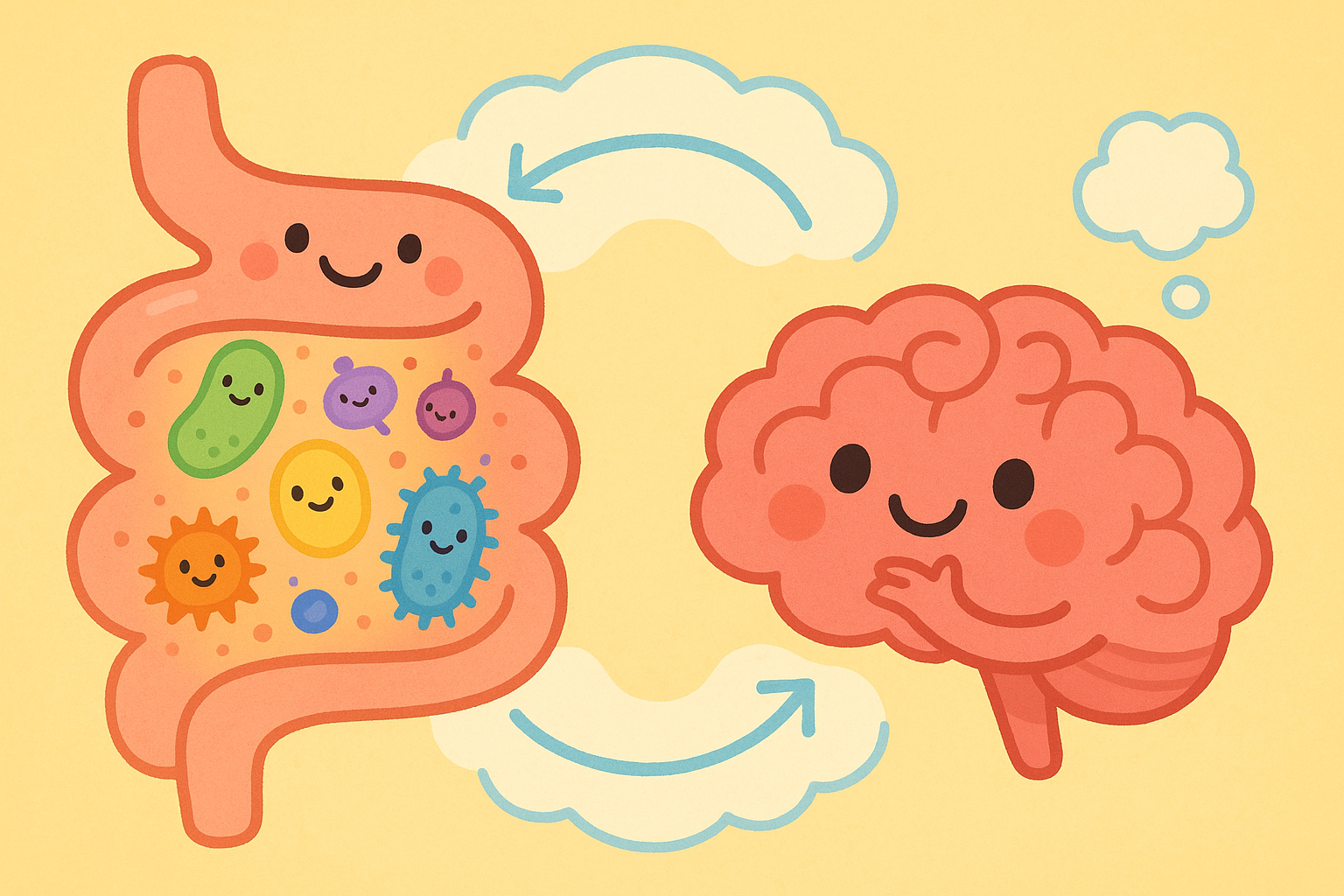
When harmful bacteria overpopulate the gut, they can send inflammatory signals to the brain. By changing the diet, it is possible to starve out certain harmful bacteria and reduce this inflammatory signaling.
Related: How the Gut-Brain Connection Actually Works: What the Latest Science Says
Calming Brain Inflammation
The third mechanism highlighted in the research involves neuroprotective factors.
- Neuroprotective (nur-oh-pro-TEK-tiv) refers to anything that keeps brain cells safe from damage or stress.
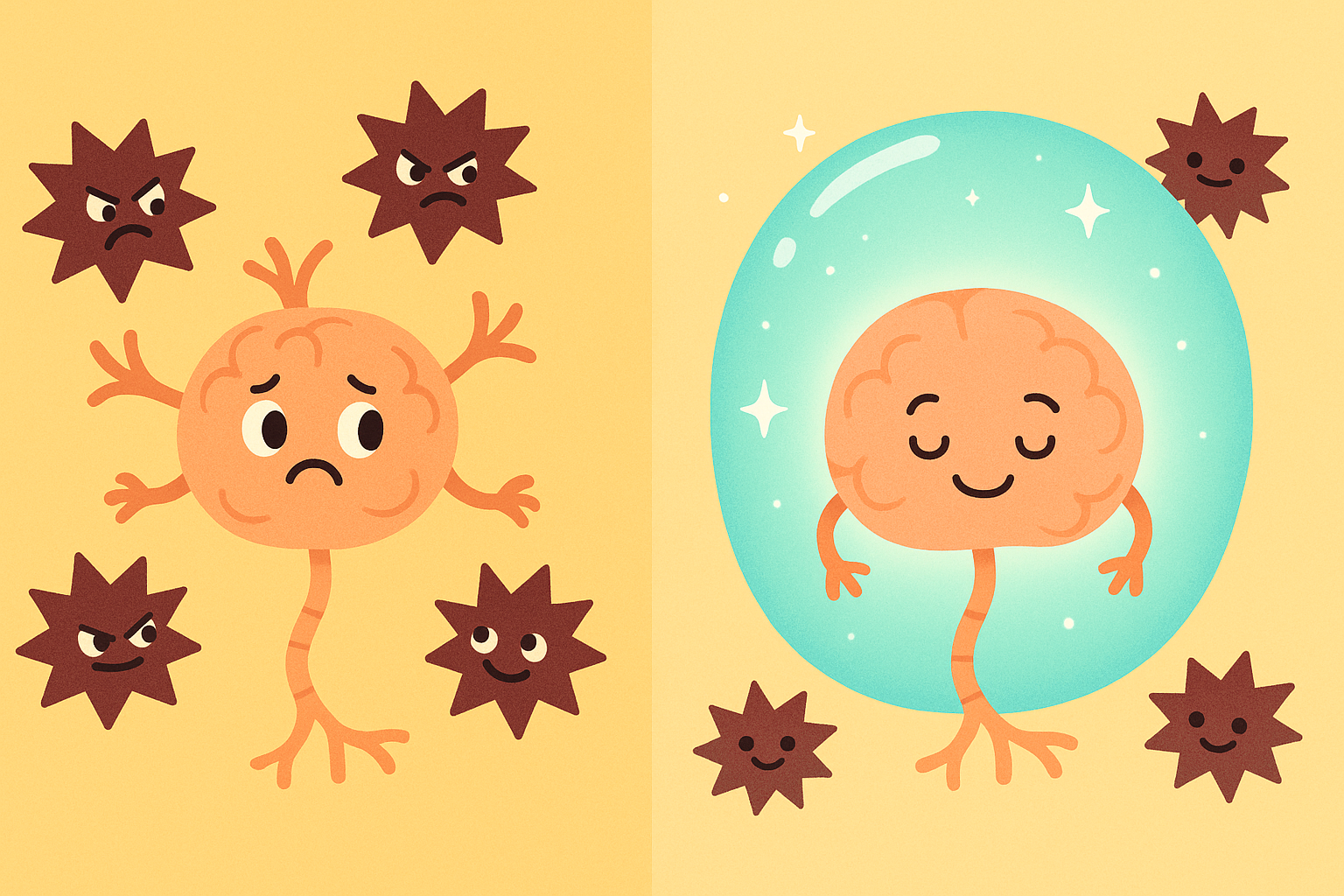
Seizures and many other neurological issues are often linked to high levels of inflammation in the brain. The 2022 review in the Veterinary Journal points out that certain dietary sources provide anti-inflammatory benefits that protect brain tissue.
When the body burns fat for fuel instead of sugar, it generally produces fewer free radicals. Free radicals are unstable molecules that can damage cells and trigger inflammation. By reducing the amount of oxidative stress in the brain, a fat-adapted diet acts as a shield, protecting neurons from the irritation that might trigger a seizure.
Who Needs Caution with Extreme Dietary Changes
While using food as medicine is appealing, the researchers emphasize that dietary changes are not entirely risk-free, especially for those with existing medical conditions.
The review outlines specific warnings for using diet to manage neurological conditions:
- Interference with medication: Food changes how the body absorbs and processes drugs. The researchers strongly warn that altering a diet can interfere with how anti-seizure medications work. A diet that changes stomach acidity or liver function might cause a drug to be absorbed too quickly or too slowly.
- Proconvulsant risks: Just as some foods protect the brain, others can irritate it.
- Proconvulsant (pro-con-VUL-sant) means a substance that makes seizures more likely to happen.
Before starting an extreme diet like carnivore or strict keto, it is critical to understand how it might interact with current medications. For dogs with epilepsy, the researchers recommend carefully selecting a diet that provides anti-seizure effects while strictly avoiding anything that might trigger a seizure or block their medication.
The Bottom Line
Science shows us that diet is not just about weight loss or muscle growth. What we eat fundamentally changes how our brains operate.
Based on veterinary research into mammalian brains, removing carbohydrates and shifting the body to burn fat clearly alters brain chemistry. It changes the brain’s primary fuel source, alters the bacteria in the gut, and can reduce inflammation. For dogs with epilepsy, these dietary adaptations offer a promising way to help manage seizures alongside traditional treatments.
However, extreme dietary shifts require caution. Changing what you eat changes how your body processes medication. Whether you are considering a strict low-carb diet for yourself or looking into nutritional therapy for a pet, it is important to treat food with the same respect as medicine.
Quick Reference: Key Studies
| Study Focus | Key Finding | Source |
|---|---|---|
| Nutrition and Canine Epilepsy | Diet can help manage epilepsy by changing the brain’s energy source, altering the gut-brain axis, and providing anti-inflammatory benefits. | PMID 36341888 |
Last updated: April 2026
This article synthesizes findings from peer-reviewed research. It is for educational purposes only and does not constitute medical advice. Consult a healthcare provider before starting any new regimen.
Leave a Reply