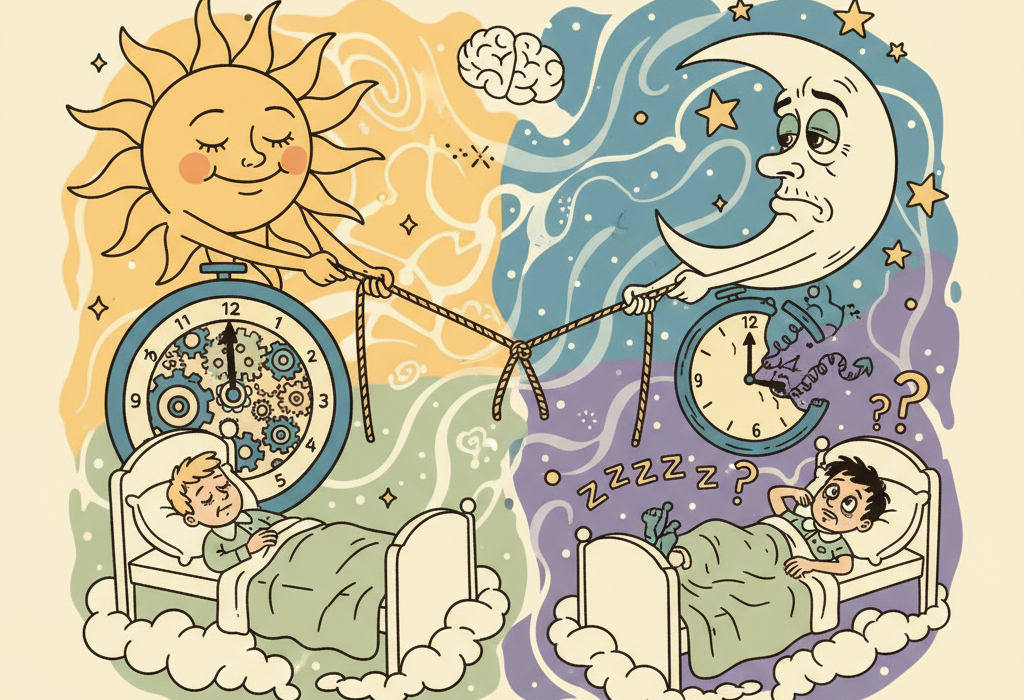
Have you ever felt wide awake at 2:00 AM, only to feel completely exhausted when your alarm rings a few hours later? If so, you have experienced a mismatch between your daily schedule and your internal biological clock.
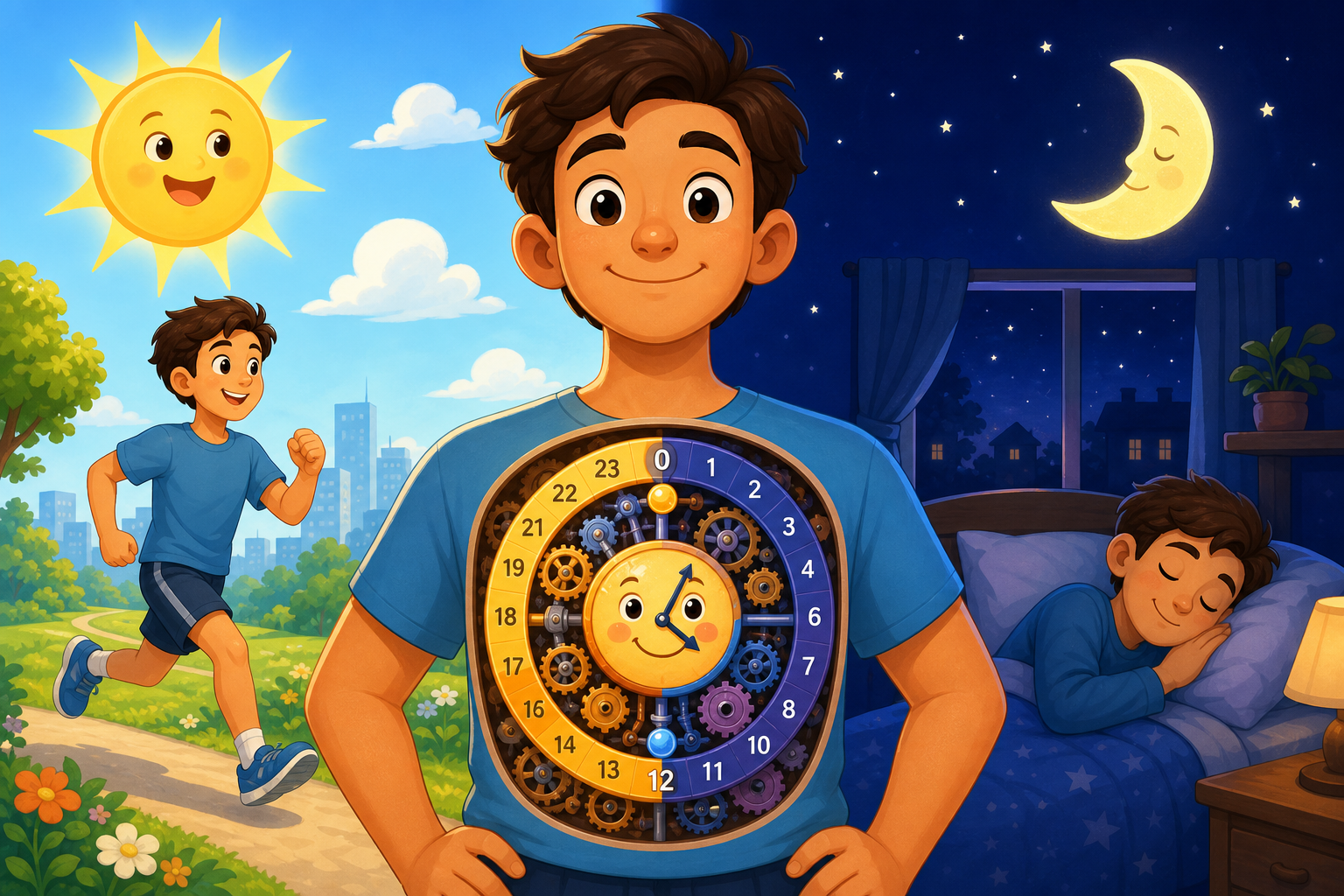
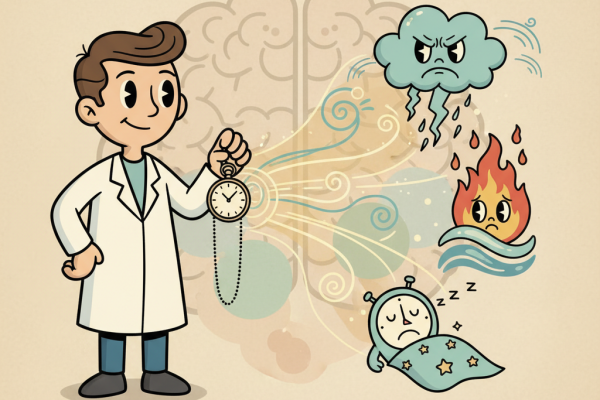
This internal clock is known as your circadian rhythm. It is the 24-hour cycle that tells your body when to sleep, when to wake up, and when to perform basic survival functions. When this rhythm falls out of sync with the world around you, it can lead to Circadian Rhythm Sleep-Wake Disorders.
These disorders are not just about feeling tired. A growing body of research shows that chronic sleep timing issues can impact everything from your heart health to your brain’s ability to clear out toxins.
This article explores what the latest science actually shows about how our internal clocks work, what happens when they break down, and how evidence-based treatments can help reset them.
How Your Body Clock Actually Works
To understand sleep disorders, it helps to know how the body regulates sleep in the first place. Scientists describe sleep as being controlled by two main systems working together.
The Two-Process Model of Sleep
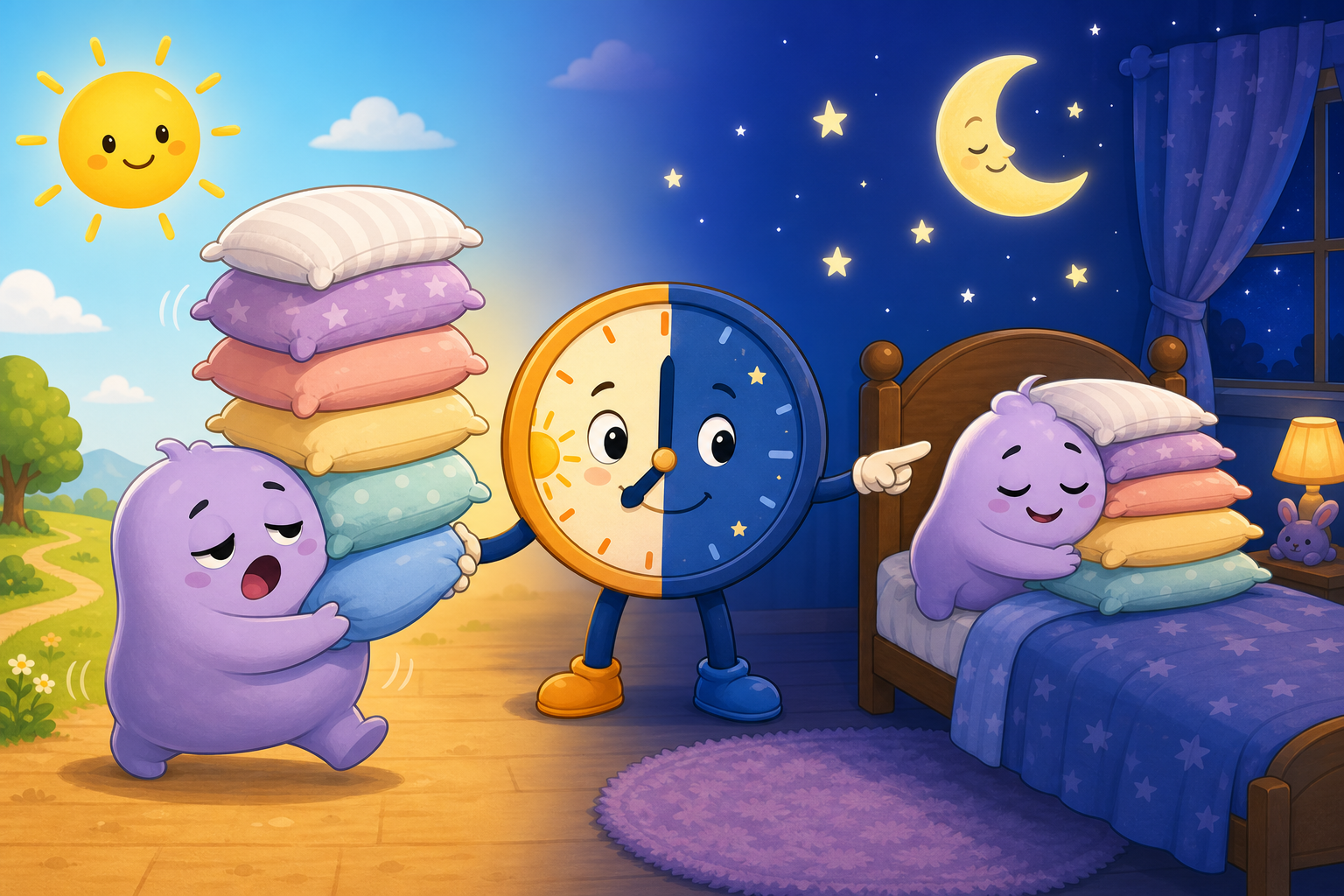
1. Process S (Sleep Homeostasis): Think of this as sleep pressure. From the moment you wake up, your brain starts building a need for sleep. The longer you stay awake, the higher the pressure gets. When you finally sleep, this pressure resets.
2. Process C (Circadian Rhythm): This is your internal 24-hour clock. It sends out alerting signals during the day to keep you awake, even when sleep pressure is building. At night, it turns off those alerting signals and allows sleep to happen.
For you to get a good night of sleep, these two processes must align perfectly.
The master conductor of Process C is a tiny brain structure called the Suprachiasmatic nucleus (soo-prah-kai-as-MAT-ik NOO-klee-us), or SCN. A 2023 review in Continuum explains that the SCN receives direct signals from your eyes. When light enters your eyes, the SCN tells your brain that it is daytime. When it gets dark, the SCN signals the pineal gland to release Melatonin (mel-uh-TOE-nin), a hormone that prepares your body for rest.
Related: Cortisol and Stress: What Science Actually Shows About the HPA Axis
What the Research Shows About Circadian Rhythm Disorders
Circadian rhythm disorders happen when your internal SCN clock does not match your environment or your required schedule.
Common Types of Phase Disorders
According to a 2019 review in Neurologic Clinics, there are two primary phase disorders that affect the general population:
- Delayed Sleep-Wake Phase Disorder (DSWPD): This is common in teens and young adults. People with DSWPD naturally fall asleep very late (often between 2:00 AM and 6:00 AM) and wake up late in the day. If allowed to sleep on their own schedule, their sleep quality is normal.
- Advanced Sleep-Wake Phase Disorder (ASWPD): This is more common in older adults. People with ASWPD fall asleep very early in the evening and wake up very early in the morning (often between 2:00 AM and 5:00 AM), unable to get back to sleep.
The Health Impact of a Broken Clock
Living out of sync with your circadian rhythm causes more than just daytime grogginess.
A 2025 study in Circulation Research highlights that sleep irregularity is a robust risk factor for cardiometabolic diseases. People with misaligned sleep schedules have higher rates of obesity, metabolic syndrome, and cardiovascular disease. The researchers suggest that erratic sleep patterns might actually be a stronger predictor of metabolic disease than simply not getting enough sleep.
Furthermore, circadian disruption has a profound impact on brain health. A 2025 review in Neuro Endocrinology Letters explored the connection between circadian disruption and Alzheimer’s disease. During deep sleep, the brain uses the Glymphatic system (glim-FAT-ik SIS-tem) to wash away toxic proteins, including amyloid-beta and tau. When circadian rhythms are disrupted, this cleaning process is impaired, which may accelerate cognitive decline.
Related: Can We Prevent Age-Related Cognitive Decline? What Science Actually Shows
Who Experiences Circadian Shifts?
Circadian rhythms naturally shift as we age. Research shows that populations differ greatly in their sleep timing needs.
| Age Group | Natural Circadian Tendency | Common Challenges |
|---|---|---|
| Adolescents | Phase Delay (Night Owls) | A 2007 review in Sleep Medicine notes that teens naturally shift to later bedtimes due to biological changes in how sleep pressure builds. Early school start times often force them to wake up during their biological night. |
| Adults | Variable | Work schedules, artificial lighting, and screen time often suppress natural melatonin production, leading to social jet lag. |
| Older Adults | Phase Advance (Morning Larks) | A 2022 review in Sleep Medicine Clinics explains that older adults often experience a natural shift to earlier sleep times. They also produce less melatonin, making their sleep more fragmented and vulnerable to early awakenings. |
Practical Guidance: How Science Fixes the Clock
If your circadian rhythm is misaligned, science offers specific, evidence-based treatments to shift it back into place. These treatments rely on manipulating light and hormones.
1. Phototherapy (Light Therapy)
Light is the most potent signal for your circadian clock. A 2007 study in Cold Spring Harbor Symposia on Quantitative Biology explains that the human body is exquisitely sensitive to light.
The timing of light exposure determines how your clock shifts:
- To shift earlier (for Delayed Phase): You need bright light exposure immediately after waking up in the morning. This tells the brain to advance the clock.
- To shift later (for Advanced Phase): You need bright light exposure in the early evening. This tells the brain to delay the clock.
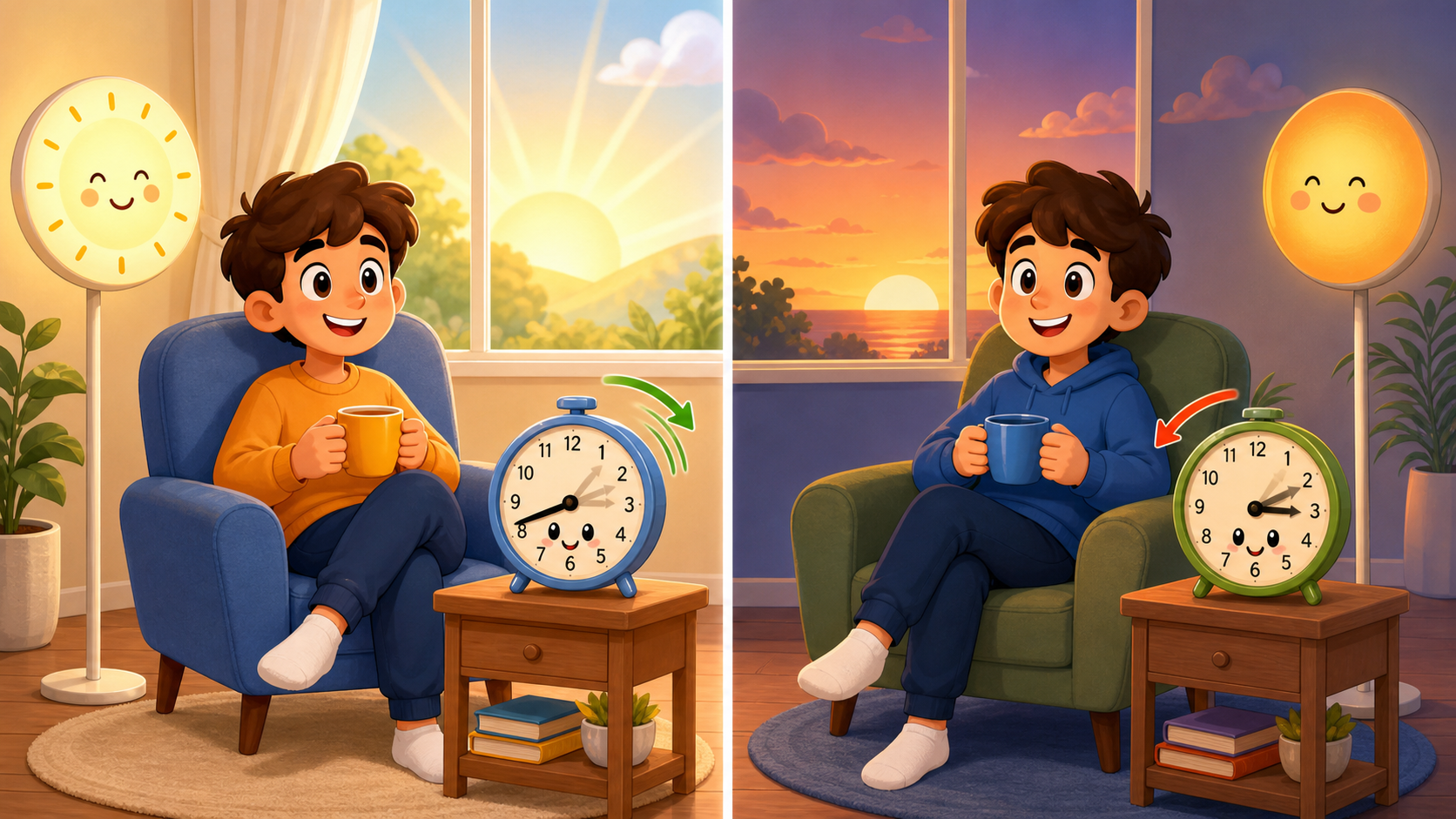
Consistency is critical. Even ordinary indoor room light in the evening can delay the release of melatonin and push your sleep schedule later.
2. Melatonin Supplementation
Melatonin is widely misunderstood. Many people use it as a traditional sleeping pill to force themselves to sleep. However, science shows it is actually a “chronobiotic” meaning it shifts the timing of your internal clock.
A 2022 review in Current Neuropharmacology evaluated treatments for delayed sleep phase disorders. Researchers found that taking a small dose of melatonin (0.3 to 5.0 mg) several hours before your desired bedtime can pull your sleep schedule earlier.
Interestingly, a 2018 review in the British Journal of Pharmacology notes that high doses are not necessarily better. Melatonin works best when endogenous (natural) melatonin levels are low. Taking it at the wrong time of day can actually shift your clock in the wrong direction.
3. Chronotherapy and Sleep Scheduling
Chronotherapy involves strictly controlling bedtimes and wake times. For someone with a severely delayed clock, a doctor might prescribe delaying sleep by three hours every day until the person rotates entirely around the clock to a normal bedtime. While effective in some cases, a 2019 review in Neurologic Clinics notes this requires a massive time commitment and strict adherence to a schedule to prevent relapse.
Common Questions About Circadian Rhythms
Can I permanently change my chronotype?
Your chronotype (whether you are a morning lark or night owl) is heavily influenced by genetics. While you cannot change your genetics, you can manage your schedule using strict light therapy and melatonin timing. If you stop these treatments, your body will likely drift back to its genetic preference.
Does blue light from phones really matter?
Yes. The SCN is particularly sensitive to short-wavelength blue light. Research shows that blue light from screens suppresses melatonin production more effectively than other colors of light, tricking your brain into thinking the sun is still up.
Why do I feel groggy even after sleeping 8 hours?
If you sleep out of sync with your circadian rhythm, you may wake up during a deep sleep phase or during a time when your body is actively sending out sleep signals. This results in sleep inertia, a heavy grogginess that can last for hours.
The Bottom Line
Your circadian rhythm is a complex, biological timing system that dictates much more than just when you feel tired.
- What we know: Misaligned sleep schedules are linked to serious health issues, including heart disease, metabolic syndrome, and neurodegenerative conditions like Alzheimer’s disease.
- What we know works: Timed exposure to bright light and carefully scheduled low-dose melatonin are the most scientifically supported ways to shift a misaligned clock.
- What remains uncertain: Scientists are still investigating exactly how brain chemicals like Glutamate (GLOO-tuh-mate) interact with circadian clocks, and how long-term interventions might prevent cognitive decline in older adults.
If you struggle with chronic sleep timing issues, consistency is your best tool. Waking up at the exact same time every day and getting immediate sunlight exposure is the foundation of a healthy circadian rhythm.
Quick Reference: Key Studies
| Study Focus | Key Finding | Source |
|---|---|---|
| Sleep Irregularity & Heart Health | Erratic sleep schedules are a robust risk factor for obesity, metabolic syndrome, and cardiovascular disease. | PMID 40811504 |
| Alzheimer’s Disease & Sleep | Circadian disruption impairs the glymphatic system, preventing the clearance of toxic brain proteins like amyloid-beta. | PMID 40929704 |
| Treatment of Sleep Phase Disorders | Timed melatonin and bright light therapy effectively shift circadian rhythms in patients with delayed sleep phase disorder. | PMID 31256787 |
| Aging and Circadian Rhythms | Older adults naturally experience a shift to earlier sleep times and reduced circadian amplitude, making them vulnerable to sleep fragmentation. | PMID 35659077 |
| Teen Sleep Biology | Adolescents experience a biological delay in sleep timing due to changes in both circadian rhythms and homeostatic sleep pressure. | PMID 17383934 |
Last updated: May 2026
This article synthesizes findings from peer-reviewed research. It is for educational purposes only and does not constitute medical advice. Consult a healthcare provider before starting any new regimen.
Leave a Reply