
Imagine taking a pill that instantly sharpens your focus, clears away mental fog, and helps you remember everything you read. This is the promise of nootropics (no-uh-TROH-piks), a broad category of substances often called “smart drugs” or cognitive enhancers.
The idea of boosting brain power is not new. Humans have relied on caffeine for centuries to stay alert. Today, however, the pursuit of cognitive enhancement has expanded into a massive industry. University students use prescription stimulants to study, older adults take herbal supplements to protect their memory, and healthy professionals experiment with various compounds to gain an edge at work.
But what does the science actually show? When we look past the marketing, the research reveals a fascinating and sometimes surprising picture. Some widely hyped “smart drugs” offer very little benefit to healthy people, while ordinary nutrients found in everyday foods show strong evidence for protecting the brain over a lifetime.
This article synthesizes recent peer-reviewed research to explain how different cognitive enhancers affect the brain, who might actually benefit from them, and where the science urges caution.
What the Research Shows: The Different Types of Brain Boosters
To understand nootropics, it helps to divide them into three main categories: prescription stimulants, essential dietary nutrients, and herbal supplements.
Do Prescription “Smart Drugs” Actually Work?
Many university students and professionals use prescription medications off-label to improve concentration. The most common are methylphenidate (often sold as Ritalin) and modafinil. These drugs are prescribed to treat specific medical conditions like Attention Deficit Hyperactivity Disorder (ADHD) or narcolepsy.
However, a 2021 systematic review in Brain sciences found that up to 20% of university students in some regions report using these drugs without a prescription, believing they will dramatically improve academic performance.
Yet, clinical trials on healthy individuals show a different reality. A 2021 study in Psychopharmacology tested the effects of caffeine, methylphenidate, and modafinil on healthy adults across various cognitive tasks. The researchers found that the positive effects were actually very specific and of low magnitude.

Here is what they observed:
- Caffeine slightly improved sustained attention.
- Methylphenidate modestly improved memory recall 24 hours after learning and reduced self-reported fatigue.
- Modafinil showed no significant positive effect on any of the cognitive tests.
Furthermore, using prescription stimulants without medical supervision carries notable risks. A 2022 review in Drugs highlights that drugs like methylphenidate alter dopamine and norepinephrine levels in the brain. In teenagers and young adults, whose frontal lobes are still developing, regular misuse of these stimulants can cause long-term changes to how neurons function. Side effects can include tolerance, dependence, and cardiovascular strain.
Essential Brain Nutrients: Choline and DHA
While prescription stimulants grab the headlines, the strongest evidence for long-term brain health points to essential nutrients that literally build the brain’s architecture. Two of the most important are choline and DHA.
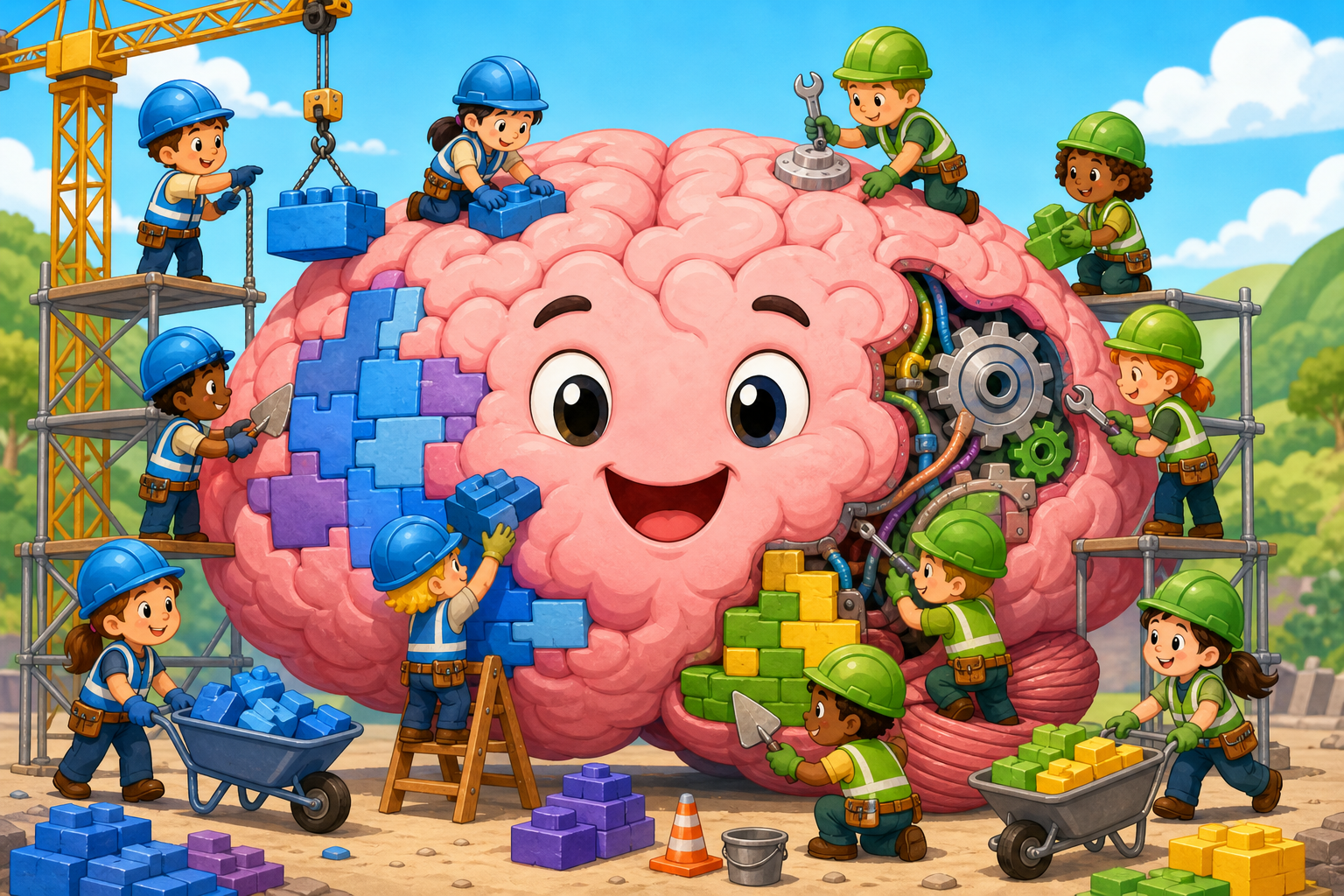
Choline (KOH-leen) is a nutrient required to produce acetylcholine, a chemical messenger in the brain involved in memory and learning. It also helps form cell membranes. DHA (Docosahexaenoic acid) is an omega-3 fatty acid that makes up a large portion of the brain’s physical structure.
A 2019 review in Nutrients explains that choline and DHA work together synergistically to support brain and eye development. Unfortunately, research shows that over 90% of adults do not consume enough choline in their regular diets.
This gap is especially critical during pregnancy. A 2025 review in Nutrients emphasized that a mother’s choline intake directly influences fetal brain development. Adequate choline during the first 1,000 days of life can reinforce normal brain development and result in lifelong memory enhancement.
Choline is not just for early life. It continues to protect the brain as we age. A 2024 study in The Journal of nutrition followed over 1,000 older adults for nearly seven years. The researchers found that people who consumed more than one egg per week (eggs are one of the richest dietary sources of choline) had a significantly lower risk of developing Alzheimer’s dementia. The study concluded that nearly 40% of this protective effect was directly mediated by the dietary choline the participants consumed.
Related: Can We Prevent Age-Related Cognitive Decline? What Science Actually Shows
Herbal Supplements and Fungi
Traditional medicine has long used plants and mushrooms to support mental clarity. Modern science is now investigating these claims. A 2023 review in CNS drugs evaluated several popular neuroprotective herbs:
- Ashwagandha: This root extract has been shown in some trials to improve immediate memory, sustained attention, and information-processing speed in people with mild cognitive impairment. It appears to work by scavenging free radicals and reducing oxidative stress in the brain.
- Bacopa monnieri: Often called Brahmi, this creeping plant has demonstrated an ability to improve logical memory and mental control in older adults, likely by reducing lipid damage in the brain.
- Lion’s Mane: An edible mushroom that contains compounds called hericenones and erinacines. Animal studies and small human trials suggest it can stimulate the growth of nerve cells and modestly improve cognitive function scores in older adults.
While these natural compounds show promise, researchers note that many studies are small or conducted on animals. They are generally considered safe, but they are not instant fixes. Herbal nootropics typically require weeks or months of consistent use to produce measurable changes in cognition.
Related: Ashwagandha: The Ancient Stress-Reliever That Science Is Finally Catching Up With
How This Might Work: Calming Brain Inflammation
To understand how cognitive enhancers protect the brain, we have to look at the brain’s immune system.
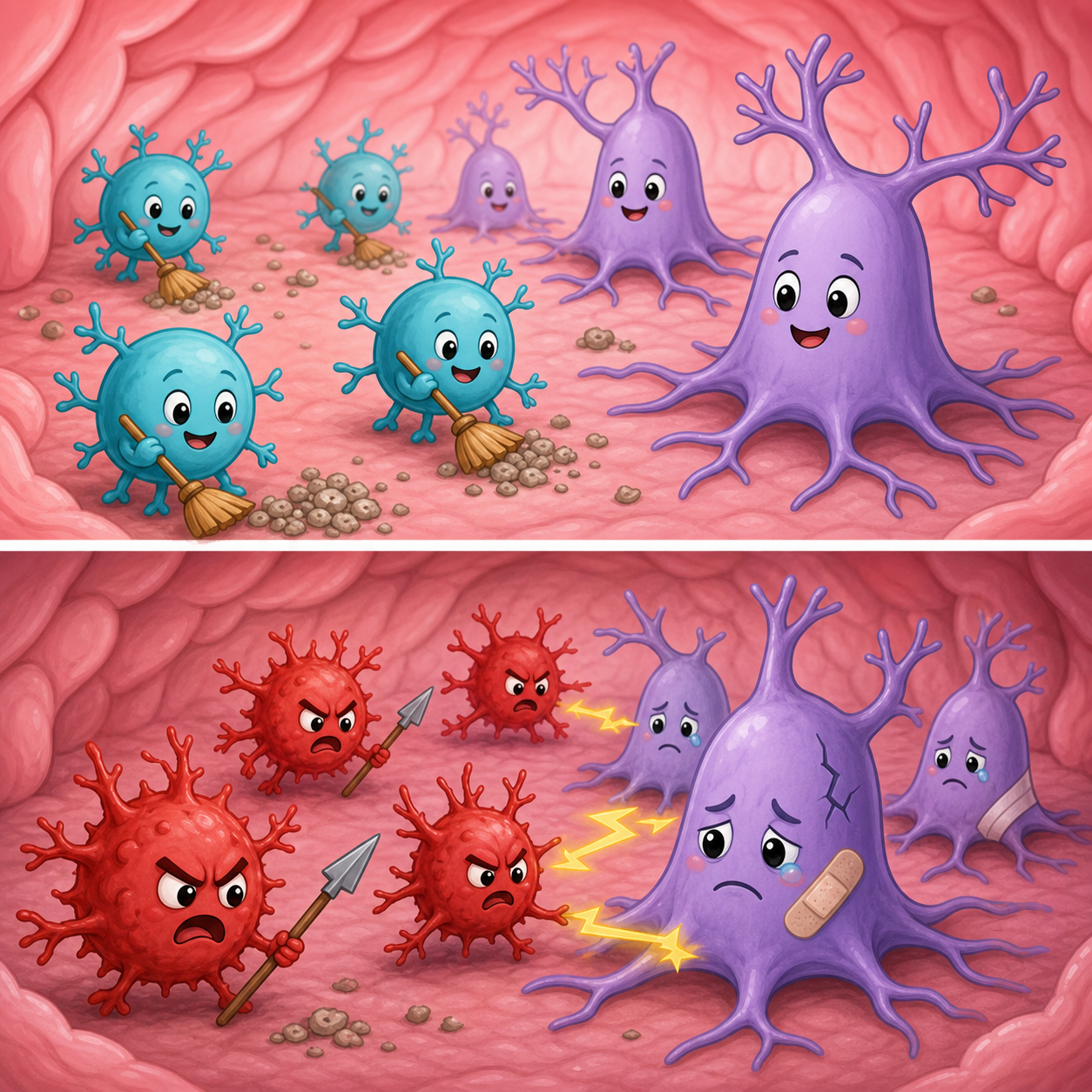
Neuroinflammation (noor-oh-in-fluh-MAY-shun) occurs when the brain’s immune cells, called microglia, become overactive. A 2015 review in The Lancet. Neurology explains that while microglia normally clean up cellular debris, chronic inflammation causes them to release toxic chemicals that damage healthy neurons. This chronic inflammation is a major driver of cognitive decline and diseases like Alzheimer’s.
Many effective brain nutrients and herbal nootropics seem to work by calming this inflammation. For example, a 2024 study in Nature mapped the brains of older adults and found that individuals who maintained their cognitive abilities despite having Alzheimer’s pathology shared a specific trait: their brain cells (astrocytes) maintained healthy choline metabolism and polyamine biosynthesis, which helped them resist inflammatory damage.
Scientists are also exploring entirely new ways to rejuvenate the brain. A fascinating 2023 study in Nature investigated why giving older mice blood plasma from young mice seemed to restore their memory. The researchers isolated a specific protein called platelet factor 4 (PF4). When they administered PF4 to aged mice, it calmed the immune system, reduced neuroinflammation, and improved the animals’ performance on memory tests. While this is not yet a treatment for humans, it highlights how deeply the immune system and cognitive function are connected.
The Surprising (And Risky) Science of Nicotine and Cannabis
Sometimes, compounds with known health risks show unexpected cognitive effects in laboratory settings.
For instance, a 2021 review in Molecular medicine reports noted that nicotine actually acts as a cognitive enhancer. By binding to specific receptors in the brain, nicotine can temporarily improve memory and attention, particularly in individuals suffering from sleep deprivation. However, the researchers are quick to point out that the severe health risks of nicotine, including high addiction potential and cardiovascular damage, far outweigh any temporary mental boost for healthy individuals.
Similarly, cannabis-infused foods are increasingly marketed for wellness. A 2024 review in Comprehensive reviews in food science and food safety found that while cannabis contains phytonutrients that may offer therapeutic benefits for pain and certain brain functions, the industry suffers from a lack of strict dosage guidelines. The long-term effects of regular cannabis consumption on memory remain a subject of intense scientific debate.
Common Questions About Nootropics
Do “smart drugs” actually make you smarter?
No. Research shows that prescription stimulants like methylphenidate do not increase raw intelligence. They primarily mask fatigue and slightly improve focus, but their effects on actual learning and memory in healthy people are very modest.
Can supplements cure or reverse dementia?
No dietary supplement or nootropic has been proven to cure Alzheimer’s disease or reverse dementia. Medical treatments for Alzheimer’s are highly complex. While some new therapies, like the monoclonal antibody lecanemab, have shown an ability to clear amyloid plaques from the brain, they only modestly slow cognitive decline and carry risks of brain swelling, according to a 2023 study in The New England journal of medicine.
Are energy drinks considered nootropics?
Energy drinks rely almost entirely on high doses of caffeine and sugar. While caffeine is a proven stimulant that improves sustained attention, the high sugar content and excessive caffeine can lead to energy crashes, anxiety, and disrupted sleep, which ultimately harms cognitive performance.
Who Benefits Or Needs Caution
- Pregnant and Nursing Mothers: Benefit greatly from ensuring adequate dietary intake of choline and DHA, which are vital for fetal brain development.
- University Students: Should be highly cautious regarding off-label prescription stimulants. The minor cognitive benefits do not outweigh the risks of cardiovascular strain, dependency, and altered brain development.
- Older Adults: May benefit from incorporating choline-rich foods (like eggs) and well-researched herbal supplements (like Ashwagandha or Bacopa) to support healthy aging. However, anyone taking medications should consult a doctor before adding herbal supplements, as they can interact with prescription drugs.
The Bottom Line
The science of cognitive enhancement shows that there is no magic pill for human intelligence.
For healthy individuals, off-label prescription stimulants offer surprisingly little cognitive benefit while carrying significant risks of dependence and side effects. On the other hand, ensuring your brain has the physical building blocks it needs, specifically choline and DHA omega-3 fatty acids, shows strong, consistent evidence for protecting memory and cognitive function over a lifespan.
Herbal supplements like Ashwagandha and Lion’s Mane show genuine promise in calming brain inflammation and supporting memory, though they require consistent use rather than offering an instant boost. Ultimately, protecting your brain involves a combination of consistent nutrition, managing inflammation, and avoiding the temptation of quick-fix stimulants.
Quick Reference: Key Studies
| Study Focus | Key Finding | Source |
|---|---|---|
| Stimulants in Healthy Adults | Caffeine, methylphenidate, and modafinil showed only low-magnitude, domain-specific cognitive benefits in healthy people. | PMID 33201262 |
| Egg Intake and Alzheimer’s | Consuming >1 egg per week was associated with a lower risk of Alzheimer’s dementia, largely mediated by dietary choline. | PMID 38782209 |
| Choline in Early Life | Adequate choline intake during pregnancy and early life is critical for normal brain development and lifelong memory function. | PMID 40362867 |
| Student Misuse of Smart Drugs | University students frequently misuse prescription stimulants to study, risking dependence and cardiovascular issues. | PMID 33802176 |
| Platelet Factors and Aging | Platelet factor 4 (PF4) from young blood reduced neuroinflammation and improved cognition in aged mice. | PMID 37587343 |
| Herbal Nootropics | Herbs like Ashwagandha and Bacopa show potential in managing cognitive decline by reducing oxidative stress and inflammation. | PMID 37603263 |
Last updated: June 2026
This article synthesizes findings from peer-reviewed research. It is for educational purposes only and does not constitute medical advice. Consult a healthcare provider before starting any new regimen.

Leave a Reply