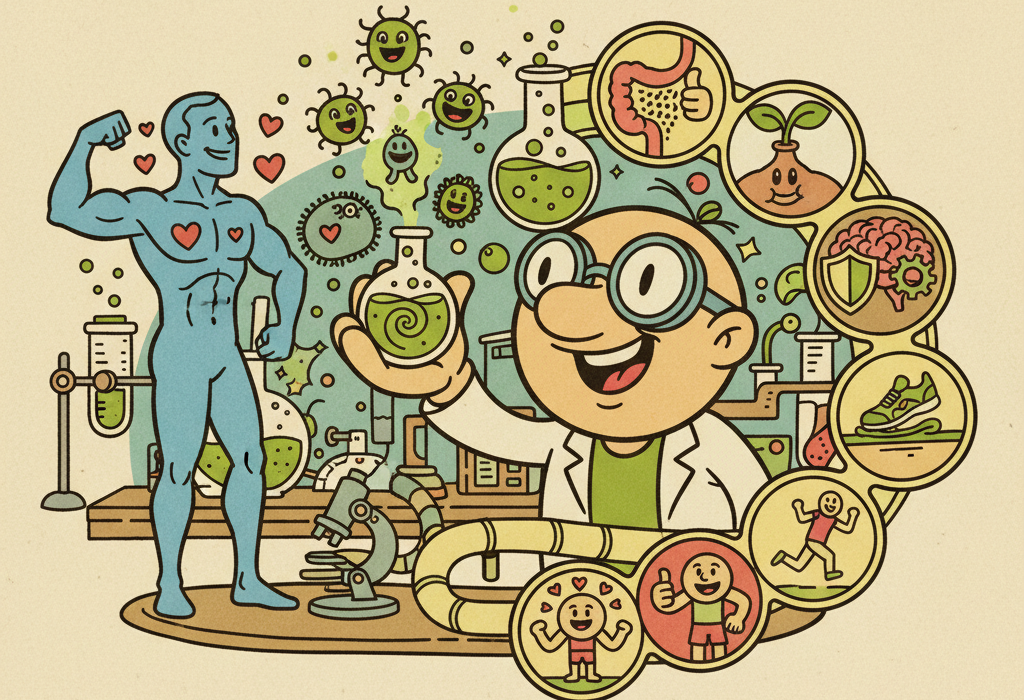
You mail a small sample to a laboratory, and a few weeks later, you receive a detailed report listing hundreds of bacterial species living inside your digestive tract. This is microbiome testing. But once you have this complex list of microscopic organisms, what does it actually tell you about your health?
The Microbiome (MY-kroh-BY-ohm) is the collection of trillions of bacteria, fungi, and viruses that live in and on your body. While it might sound unsettling, these organisms act like a supporting organ. They help digest food, produce vitamins, train your immune system, and even send chemical messages to your brain.
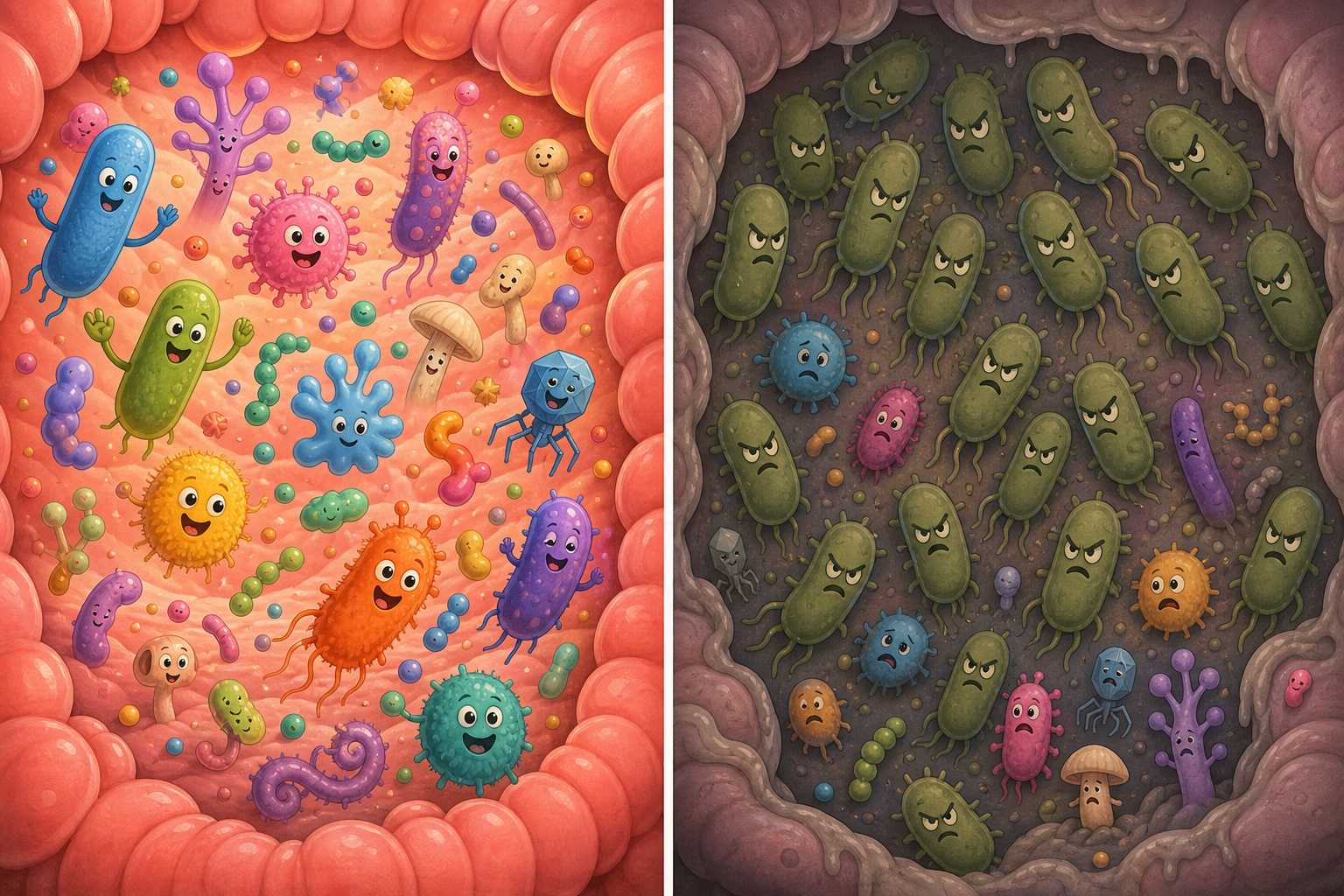
Testing your microbiome can help identify imbalances. When harmful bacteria outnumber helpful ones, it creates a state called Dysbiosis (DIS-by-OH-sis). Scientists are discovering that dysbiosis is linked to much more than just stomach aches. It plays a role in how we age, how our brains function, and how our bodies handle metabolic stress.
This article breaks down what the latest research reveals about the benefits of understanding and improving your microbiome.
How This Might Work: The Invisible Highways in Your Body
To understand why microbiome testing is useful, it helps to know how bacteria in your gut communicate with the rest of your body.
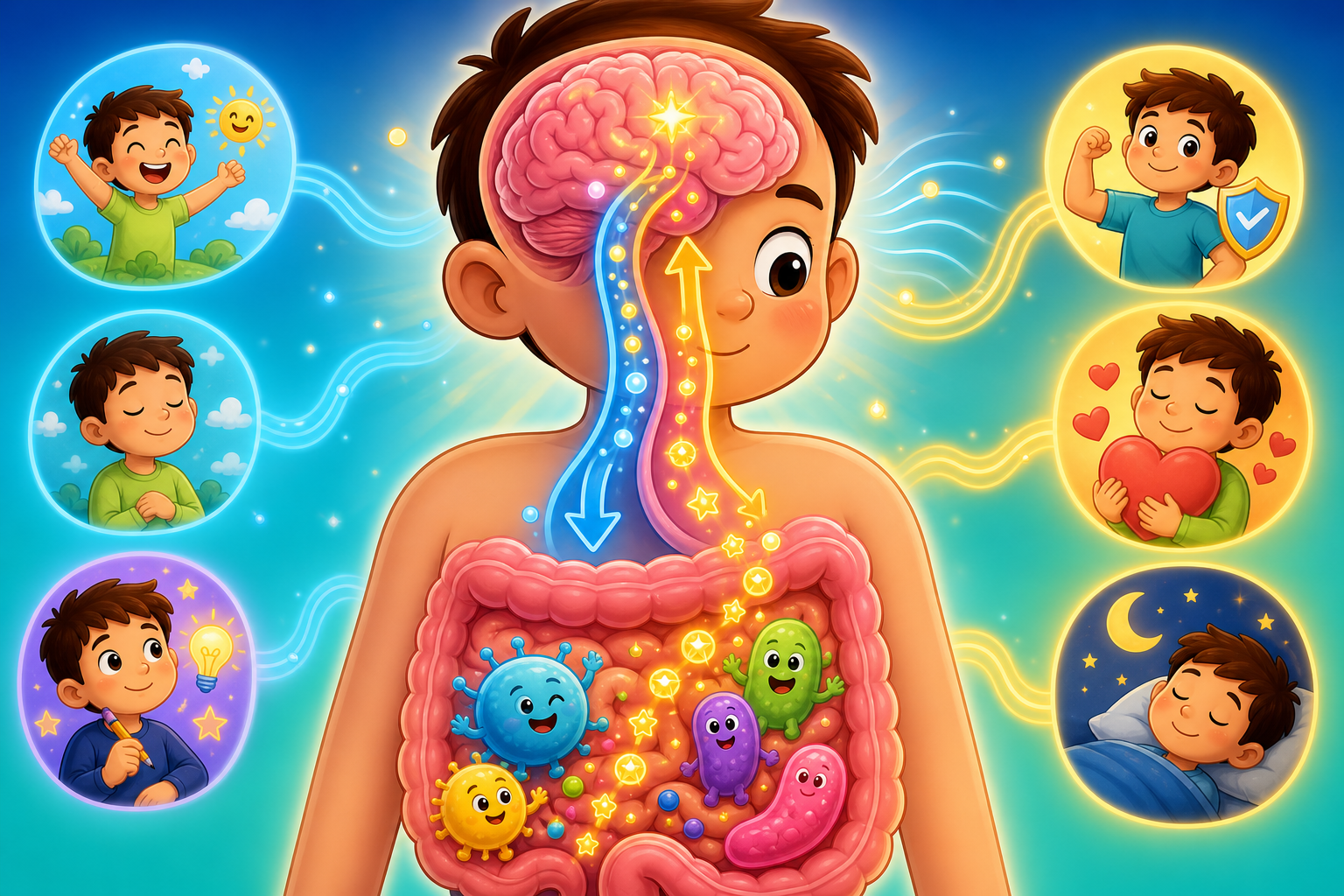
The most famous pathway is the Gut-brain axis (GUT-brayn AK-sis), which is a two-way communication line between your digestive system and your brain. Bacteria in your gut produce chemicals that travel through your blood and affect your nervous system. For example, a 2025 study on mice found that a specific carbohydrate fed to gut bacteria increased the production of serotonin precursors. Serotonin is a chemical that regulates mood and memory. The bacteria produced these precursors in the gut, which then traveled to the brain and improved cognitive function.
Gut bacteria also produce Short-chain fatty acids (short-chayn FAT-ee A-sids), or SCFAs. These are beneficial compounds created when bacteria digest dietary fiber. SCFAs help reduce inflammation and keep the lining of your intestines strong.
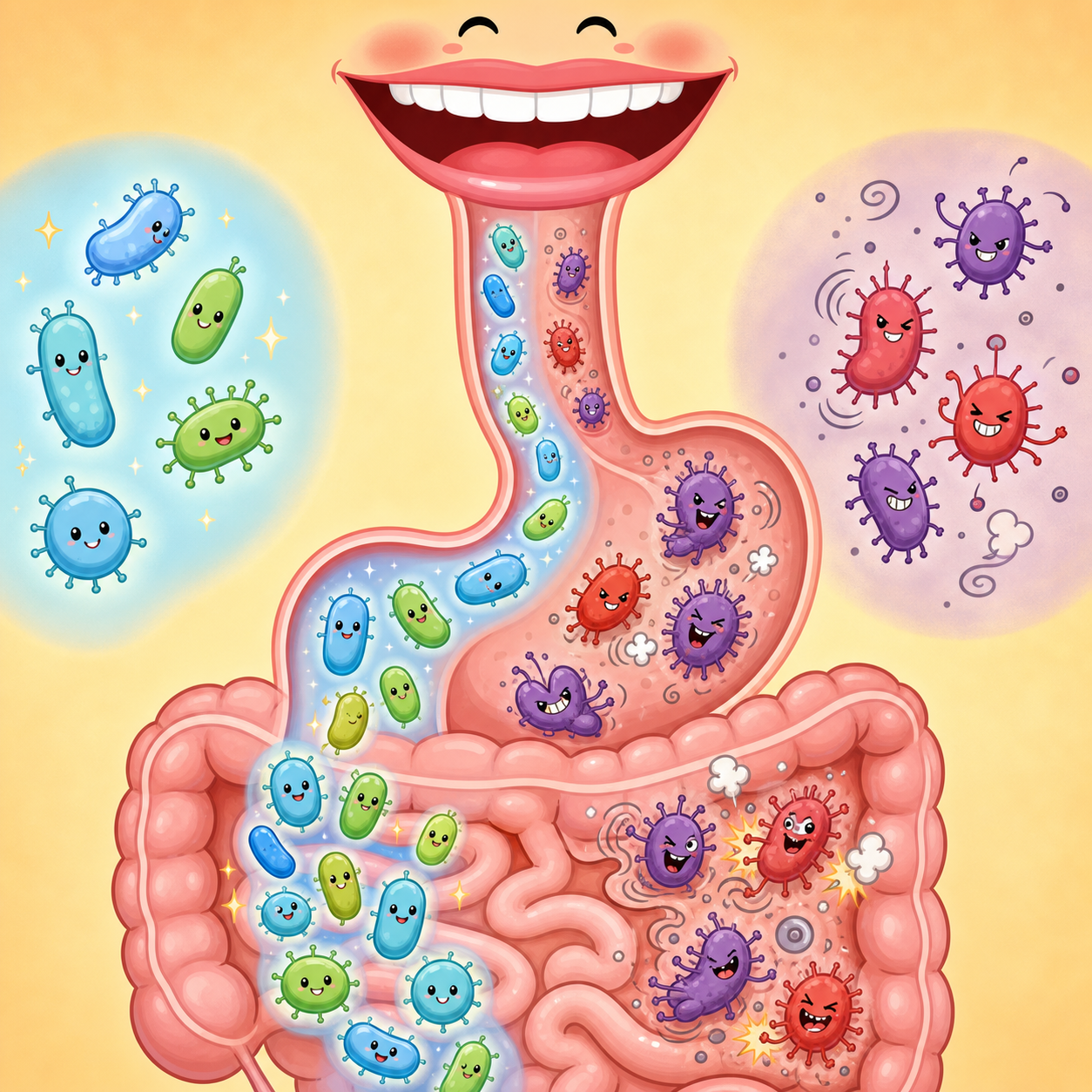
Interestingly, the microbiome is not limited to your stomach. A 2024 review in Microorganisms explains the “oral-gut axis.” Bacteria from your mouth can travel down into your digestive tract. If you have poor oral hygiene, harmful mouth bacteria can disrupt your gut, potentially contributing to systemic issues like cardiovascular disease and metabolic problems.
Related: How Your Gut Microbiome Actually Affects Brain Health
What the Research Shows About Microbiome Health
Microbiome testing can highlight whether you lack the specific bacteria needed to maintain these healthy communication pathways. Recent studies show just how deeply these bacteria impact our overall well-being.
Aging and Cognitive Health
As we get older, our microbiome changes, often losing diversity. This age-related dysbiosis is linked to inflammation and declining brain function.
In a fascinating 2022 study in Microbiome, researchers transferred fecal bacteria from young mice into aged mice. The introduction of the youthful microbiome reversed signs of aging in the older mice, reducing inflammation in both the brain and the eyes. Conversely, transferring old bacteria into young mice accelerated inflammation.
Similarly, a 2023 study found that physical stress, such as surgery, heavily disrupts the gut bacteria of older mice, leading to cognitive impairment. Restoring the gut barrier and fixing the bacterial imbalance helped prevent this cognitive decline. Furthermore, research from Circulation Research showed that boosting SCFA-producing bacteria in aged mice significantly improved their brain recovery after a stroke.
Mental Health and Neurobehavioral Conditions
Because of the gut-brain axis, researchers are exploring how balancing the microbiome might help with behavioral and mood disorders.
A 2024 meta-analysis in the Journal of Psychiatric Research reviewed eight randomized clinical trials involving 318 participants. The researchers found that taking probiotic supplements significantly improved behavioral symptoms in individuals with autism spectrum disorder. The benefits were seen across different age groups and were especially notable when the intervention lasted longer than three months.
Metabolic and Liver Health
Your microbiome heavily influences how your body processes fats and sugars. A 2025 clinical trial in Cell tested a “non-industrialized” diet on healthy adults. This diet, rich in diverse, unprocessed plant foods, successfully restored specific beneficial bacteria that are often missing in modern, Western populations. This restoration led to measurable improvements in cardiometabolic health markers.
Even when probiotics do not cure a disease, they can protect the body from further damage. A 2021 study on patients with non-alcoholic fatty liver disease found that six months of probiotic supplements did not significantly reduce liver fat. However, it did stabilize the immune cells in the gut lining and prevented the intestinal barrier from weakening, which is a common complication of liver disease.
Practical Guidance: How to Improve Your Microbiome
If a microbiome test reveals that your gut lacks diversity or beneficial bacteria, science points to several actionable ways to improve it.
Diet and Hydration
What you eat directly feeds your microbiome. Diets high in diverse fibers encourage the growth of SCFA-producing bacteria. However, even simple habits like drinking water play a role.
A 12-week study on healthy Japanese adults asked participants to drink two extra 550 mL bottles of water daily. This simple hydration intervention lowered systolic blood pressure, slightly increased body temperature, and correlated with positive shifts in specific intestinal bacteria.
Targeted Vitamins
We usually think of vitamins as nutrients for our own cells, but they also feed our bacteria. A pilot study in Gut Microbes tested colon-targeted capsules of vitamins C, B2, and D. Vitamin C, in particular, significantly increased microbial diversity and boosted the production of beneficial short-chain fatty acids in the gut.
Probiotics and Herbal Formulas
Probiotic supplements introduce live bacteria directly into your system. A 2024 double-blind study found that combining probiotics with online yoga and mindfulness practices significantly improved physical fitness and quality of life for patients with Irritable Bowel Syndrome (IBS), while also reducing harmful bacteria strains in their gut.
Herbal remedies can also support gut health. A study on Australian adults with digestive disorders tested a formula containing aloe vera, slippery elm, and peppermint oil. Over 16 weeks, participants saw a 60 to 80 percent improvement in gastrointestinal symptoms like indigestion and bloating, alongside a marked increase in beneficial gut bacteria.
Related: What Science Actually Says About the Health Benefits of Probiotics
Fermented Foods: What Works and What Does Not
Fermented foods are often praised for gut health, but the scientific evidence varies by food type. A 2019 review in Nutrients analyzed the clinical evidence for several popular fermented foods:
Kefir: This fermented milk drink has the strongest clinical backing. Studies show it improves lactose digestion and can even increase the eradication rates of Helicobacter pylori*, a bacteria that causes stomach ulcers.
- Sauerkraut: One trial showed that sauerkraut reduced IBS symptom severity, though interestingly, both pasteurized (dead bacteria) and unpasteurized (live bacteria) versions worked equally well. This suggests the benefit might come from the cabbage itself rather than the live microbes.
- Kombucha: Despite its massive popularity, there is very little human evidence supporting kombucha. A systematic review in the Annals of Epidemiology searched major medical databases and found almost no empirical human studies confirming the health claims made about kombucha.
Common Questions About Microbiome Testing
Should I get my microbiome tested?
Testing can provide a helpful baseline if you are experiencing chronic digestive issues, fatigue, or inflammation. It can highlight a lack of diversity or an overgrowth of specific harmful bacteria. However, science is still determining exactly what a “perfect” microbiome looks like, so results should be used as a general guide rather than a strict medical diagnosis.
Can I fix my gut with just a probiotic pill?
No. While probiotics can help manage specific symptoms or replenish bacteria after a round of antibiotics, they are temporary visitors. To create lasting change in your microbiome, you must consistently feed the good bacteria with a diverse, fiber-rich diet.
The Bottom Line
Microbiome testing offers a unique window into the trillions of organisms that help run your body. The research clearly shows that a balanced, diverse microbiome is connected to better brain health, slower cellular aging, and improved metabolic function.
While we cannot yet cure complex diseases simply by altering gut bacteria, we know that supporting the microbiome yields real benefits. Simple, evidence-based habits like eating a diverse plant-based diet, staying well-hydrated, and consuming proven fermented foods like kefir can help maintain the critical communication pathways between your gut and the rest of your body.
Quick Reference: Key Studies
| Study Focus | Key Finding | Source |
|---|---|---|
| Aging and the Gut | Transferring gut bacteria from young mice to old mice reversed signs of aging in the brain and eyes. | PMID 35501923 |
| Autism and Probiotics | Probiotic supplements significantly improved behavioral symptoms in individuals with autism spectrum disorder. | PMID 39265200 |
| Diet and Metabolism | Eating a non-industrialized diet restored missing gut bacteria and improved cardiometabolic health markers. | PMID 39855197 |
| Vitamins and the Gut | Colon-targeted vitamin C significantly increased microbial diversity and beneficial short-chain fatty acids. | PMID 33615992 |
| Water Intake | Drinking two extra bottles of water daily lowered blood pressure and correlated with positive shifts in gut bacteria. | PMID 32340375 |
| Fermented Foods | Kefir has strong clinical backing for gut health, while kombucha currently lacks empirical human studies to support its claims. | PMID 31387262 |
Last updated: June 2026
This article synthesizes findings from peer-reviewed research. It is for educational purposes only and does not constitute medical advice. Consult a healthcare provider before starting any new regimen.


Leave a Reply