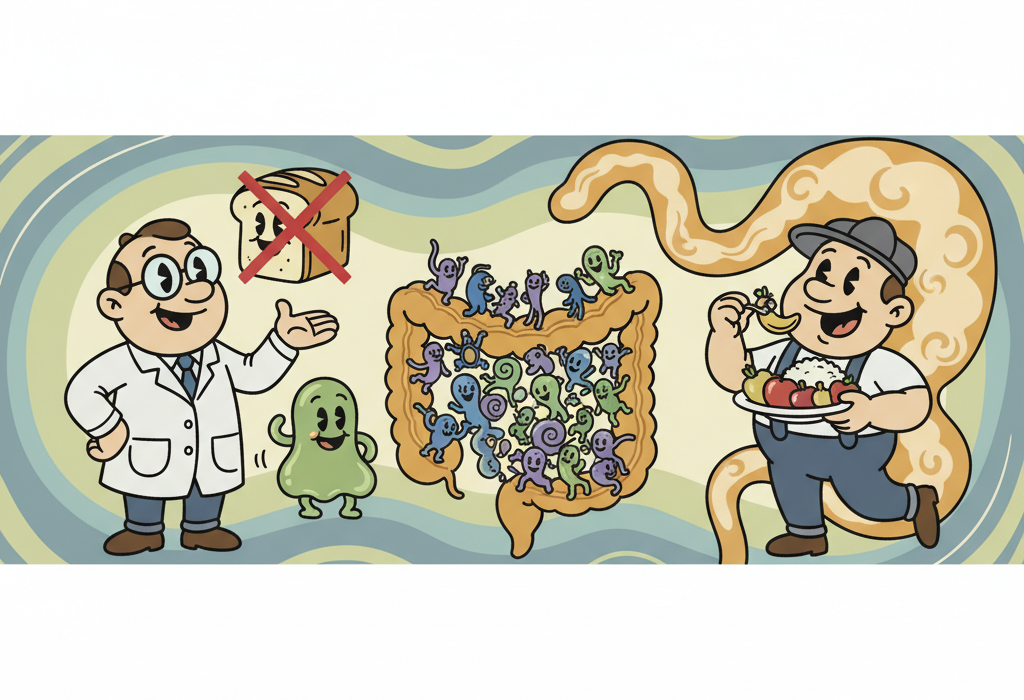
For years, the gluten-free diet has been promoted as a universal path to better digestion and overall health. You can find gluten-free labels on everything from bread to potato chips. This leads many people to wonder if avoiding gluten is the secret to a healthy gut.
However, the science tells a much more nuanced story. For people with celiac disease or a diagnosed gluten sensitivity, removing gluten is a strict medical necessity that allows their damaged intestines to heal. But for healthy individuals, adopting a gluten-free diet can actually harm the gut microbiome. Research shows that cutting out gluten often means cutting out crucial dietary fibers. This starves beneficial bacteria and allows less desirable bacteria to thrive.
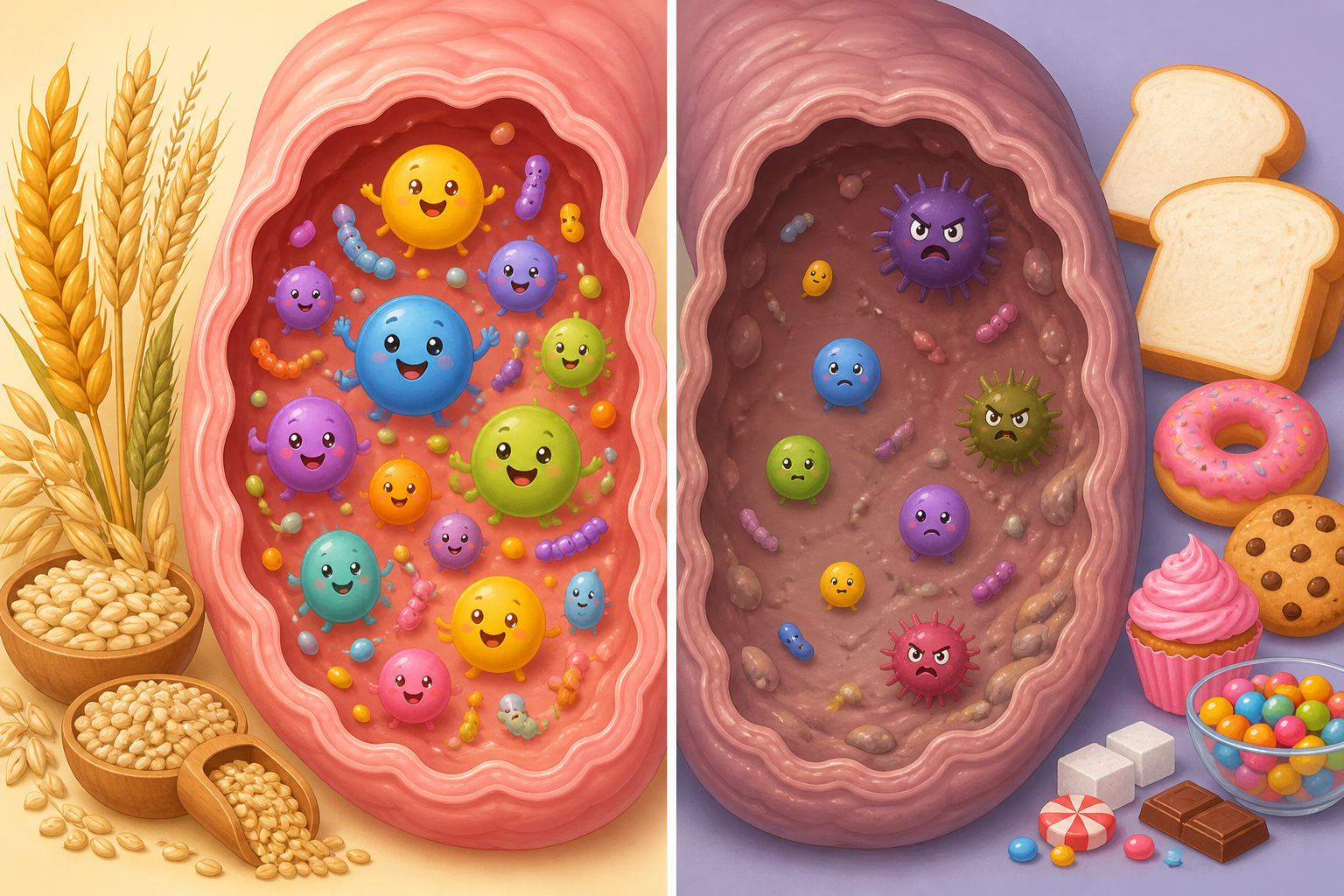
If you are wondering whether you should clear your pantry of wheat, it helps to understand exactly what the latest science says about how a gluten-free diet changes your internal ecosystem.
What the Research Shows About Gluten-Free Diets
Gluten is a family of proteins found in wheat, barley, and rye. It gives bread its chewy texture and helps dough rise. While the human body does not fully digest gluten, the undigested pieces usually pass through the digestive tract without causing harm in healthy people.
However, when you remove gluten from your diet, you also remove the grains that contain it. These grains are a major source of prebiotics, which are specific types of fiber that feed your good gut bacteria.
The Impact on Healthy Guts
When healthy people go on a gluten-free diet, their gut microbiome changes rapidly. A 2020 review in Nutrients found that just one month on a gluten-free diet caused a significant drop in beneficial bacteria in healthy volunteers.
Specifically, researchers noticed a decrease in Bifidobacterium and Lactobacillus. These are friendly bacteria that help protect the gut lining and reduce inflammation. At the same time, the diet caused an increase in Enterobacteriaceae and Escherichia coli (E. coli), which are opportunistic bacteria that can cause issues if they grow out of control.
Another 2021 review in Annals of Medicine confirmed this pattern. The researchers noted that a gluten-free diet clearly reduces the abundance of several bacterial species specifically involved in carbohydrate and starch metabolism.
The Impact on Celiac Disease
For people with celiac disease, a gluten-free diet is the only effective treatment. When they eat gluten, their immune system attacks their own intestinal lining. The Gluten-Free Diet for Celiac Disease: What Science Says provides more context on this immune response.
However, even when celiac patients strictly follow the diet, their gut microbiomes do not always return to normal. A 2025 study in Clinical Gastroenterology and Hepatology followed newly diagnosed celiac patients for one year on a gluten-free diet. While their overall gut function and well-being significantly improved, the diet reduced their levels of Bifidobacteria. The researchers linked this drop directly to a reduced intake of resistant starch and arabinoxylan, which are healthy fibers found in wheat.
How This Might Work: The Biology of the Gut
To understand why a gluten-free diet causes these changes, we have to look at how your gut operates on a microscopic level.
- Dysbiosis (dis-bye-OH-sis) – an imbalance between the good and bad bacteria in your digestive tract.
- Zonulin (ZOH-noo-lin) – a protein that controls the tight gaps between the cells in your intestinal wall.
- Short-chain fatty acids (short-chayn fat-ee as-ids) – beneficial nutrients produced when good bacteria ferment dietary fiber.
The Role of Zonulin and Leaky Gut
Your intestinal lining acts like a security gate. It allows nutrients to enter your bloodstream while keeping bacteria and toxins out. This gate is controlled by a protein called zonulin.
According to research published in F1000Research, gluten is a powerful trigger for zonulin release. In people with celiac disease or genetic susceptibility, eating gluten causes the body to release too much zonulin. This forces the “security gates” open, allowing undigested food and bacteria to leak into the bloodstream. This condition is often referred to as intestinal permeability. You can learn more about this in our article on What Science Actually Says About Leaky Gut and Your Health.
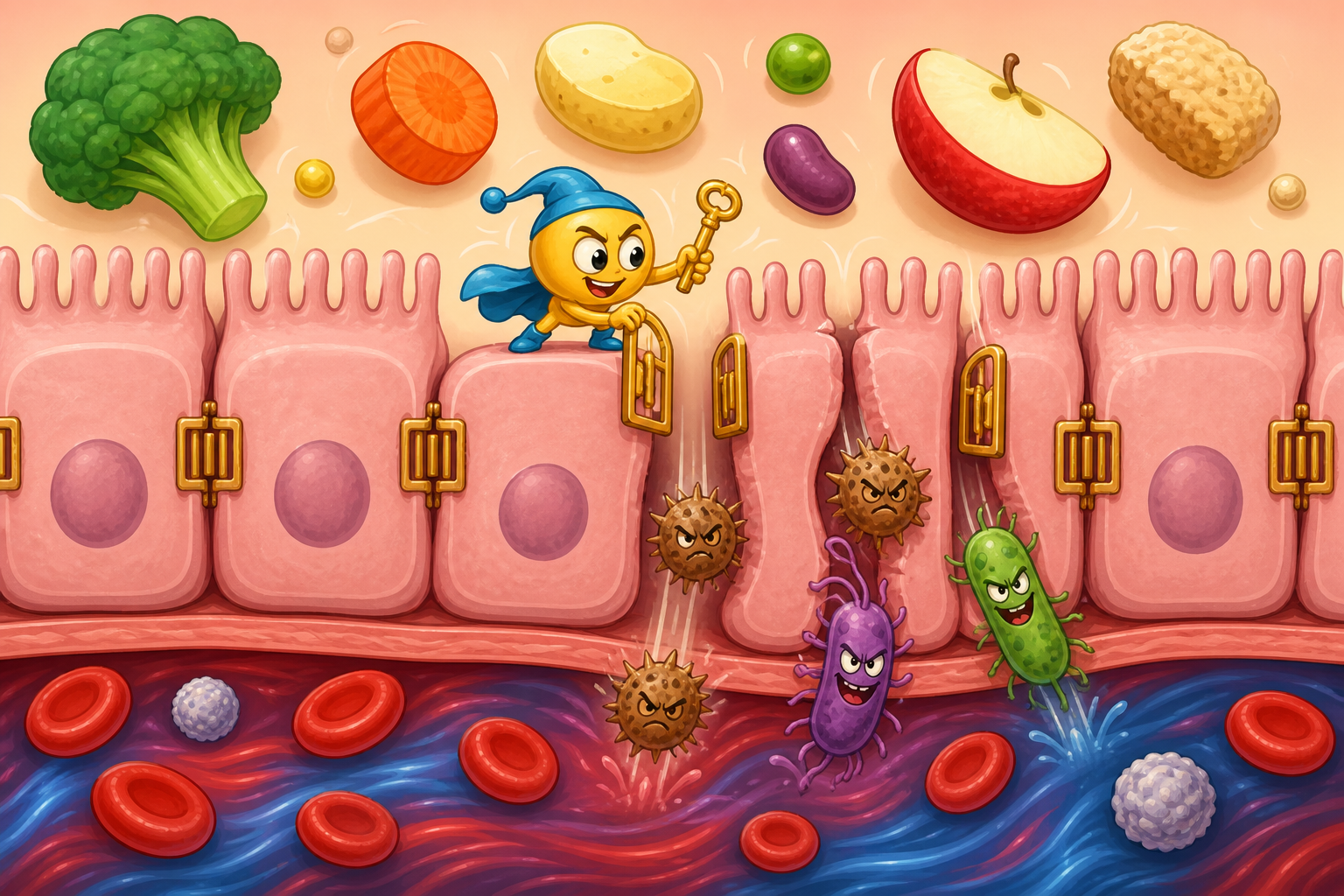
By removing gluten, celiac patients stop the excessive release of zonulin, allowing their gut gates to close and the inflammation to subside.
The Fiber Starvation Problem
While removing gluten fixes the leaky gut problem for celiac patients, it introduces a new problem: fiber starvation.
Wheat contains complex carbohydrates that your body cannot digest on its own. When these carbohydrates reach your large intestine, your good bacteria eat them. In return, the bacteria produce short-chain fatty acids (SCFAs). SCFAs act as fuel for your intestinal cells and help keep inflammation low.
When you stop eating wheat, your good bacteria lose their main food source. As the good bacteria die off, opportunistic bacteria step in to take their place. This is why researchers consistently see a drop in SCFA-producing bacteria when people adopt a gluten-free diet.

Who Benefits Or Needs Caution
The science is clear that a gluten-free diet is not a one-size-fits-all solution. Depending on your health status, it can be a lifesaver or an unnecessary risk.
Who Benefits Most
- People with Celiac Disease: This is a non-negotiable medical requirement. A gluten-free diet stops the autoimmune attack on their intestines.
- People with Non-Celiac Gluten Sensitivity (NCGS): These individuals test negative for celiac disease but still experience bloating, pain, and brain fog when they eat gluten. Research shows their symptoms improve significantly on a gluten-free diet.
- Some People with Irritable Bowel Syndrome (IBS): A 2021 study in Nutrients noted that some IBS patients find relief on a gluten-free diet. However, scientists suspect this is actually because they are reducing FODMAPs (fermentable carbohydrates found in wheat), rather than avoiding the gluten protein itself.
Who Should Be Careful
- Healthy Individuals: If you do not have digestive symptoms, avoiding gluten can unnecessarily reduce your gut biodiversity and lower your intake of essential vitamins and minerals.
- People with Endometriosis: A 2024 review in AJOG Global Reports found no solid evidence that a gluten-free diet helps endometriosis. The researchers warned that the diet could negatively affect the gut microbiome and quality of life without providing real benefits.
People with Autoimmune Thyroiditis (AIT): A 2024 study in Nutrients tested an 8-week gluten-free diet on women with AIT. The diet caused a significant decrease in beneficial Bifidobacterium and an increase in opportunistic Proteobacteria*, suggesting the diet might actually increase gut inflammation in these patients.
| Population | Recommendation | Why? |
|---|---|---|
| Celiac Disease | Strongly Recommended | Stops autoimmune damage to the intestines. |
| Non-Celiac Gluten Sensitivity | Recommended | Alleviates digestive and systemic symptoms. |
| IBS Patients | Discuss with Doctor | May help, but a low-FODMAP diet is often more accurate. |
| Healthy Individuals | Not Recommended | Reduces beneficial gut bacteria and dietary fiber. |
| Endometriosis | Not Recommended | Lacks scientific evidence and may harm gut health. |
Common Questions About Gluten-Free Diets
Does a gluten-free diet help you lose weight?
Not necessarily. Many processed gluten-free foods (like cookies and breads) contain more sugar and fat than their wheat-based counterparts to make up for the loss of texture.
Is a gluten-free diet automatically anti-inflammatory?
Only if you are sensitive to gluten. For healthy people, a gluten-free diet can actually be pro-inflammatory because it reduces the good bacteria that naturally fight inflammation in the gut.
Practical Guidance for a Healthy Gut
If you must follow a gluten-free diet for medical reasons, you have to be intentional about feeding your gut microbiome. Because you are missing out on the fibers from wheat, barley, and rye, you need to replace them with other sources.
- Eat diverse plant foods: Incorporate plenty of vegetables, fruits, and legumes into your daily meals. For more ideas, see How a Plant-Based Diet Actually Changes Your Gut Microbiome.
- Choose whole gluten-free grains: Instead of processed gluten-free flours (like white rice or tapioca flour), choose whole grains like quinoa, buckwheat, amaranth, and certified gluten-free oats. These contain the complex carbohydrates your good bacteria need.
- Consider fermented foods: Foods like yogurt, kefir, sauerkraut, and kimchi can help introduce beneficial bacteria back into your digestive system.
The Bottom Line / Takeaways
A gluten-free diet is a vital, life-saving treatment for people with celiac disease and a highly effective tool for those with gluten sensitivity. However, the scientific evidence strongly suggests that it is not a general health diet for the wider public.
We know with high confidence that removing wheat from the diet drastically reduces the intake of specific prebiotics. This consistently leads to a drop in beneficial gut bacteria and an increase in opportunistic bacteria.
What remains slightly uncertain is the long-term health impact of this specific bacterial shift in healthy people. However, current medical consensus advises against adopting a strict gluten-free diet unless you have a diagnosed medical reason to do so. If you must avoid gluten, focusing on a diverse intake of alternative fibers is crucial for maintaining a healthy gut microbiome.
Quick Reference: Key Studies
| Study Focus | Key Finding | Source |
|---|---|---|
| 1-Year GFD in Celiac Disease | GFD improved symptoms but significantly reduced beneficial Bifidobacteria due to a lack of resistant starch. | PMID 39662692 |
| GFD and Healthy Microbiomes | One month on a GFD in healthy subjects reduced beneficial bacteria and increased opportunistic E. coli. | PMID 32575561 |
| GFD and Autoimmune Thyroiditis | An 8-week GFD altered the microbiome unfavorably, decreasing Bifidobacterium and increasing Proteobacteria. | PMID 38474814 |
| GFD and Endometriosis | A review found insufficient evidence to recommend a GFD for endometriosis, warning of potential microbiome harm. | PMID 39040659 |
| Zonulin and Gut Permeability | Gluten triggers zonulin release, which increases gut permeability and drives inflammation in susceptible individuals. | PMID 32051759 |
Last updated: November 2026
This article synthesizes findings from peer-reviewed research. It is for educational purposes only and does not constitute medical advice. Consult a healthcare provider before starting any new regimen.

Leave a Reply