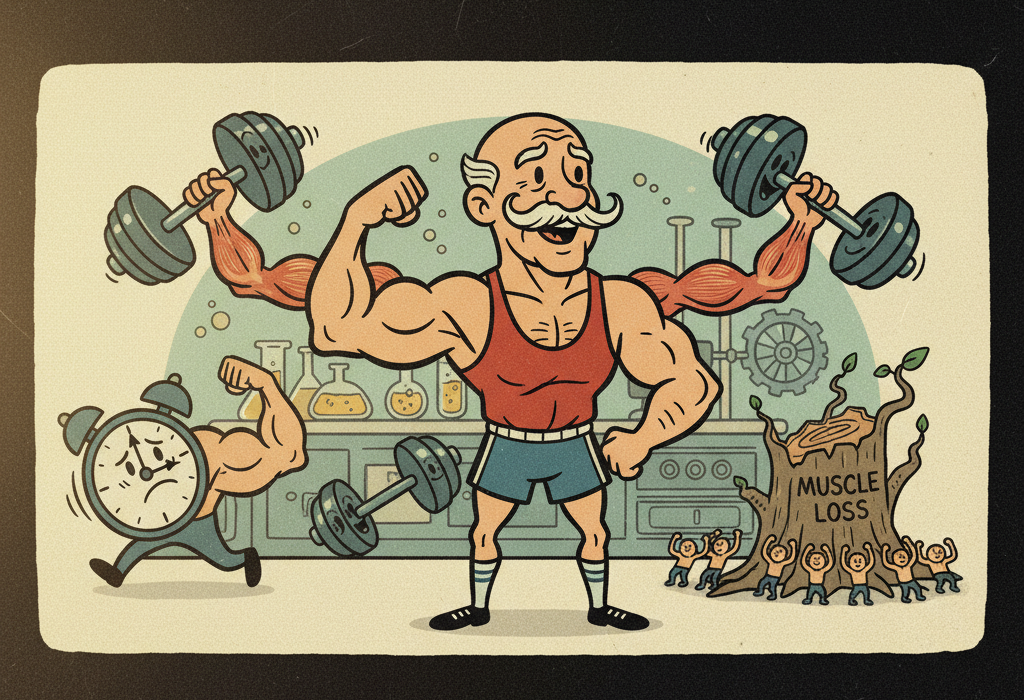
Have you ever noticed that opening a tight jar or getting out of a deep chair feels harder as the years go by? This is a common experience. Starting around age 30, our bodies begin to gradually lose muscle mass and strength.
When this loss becomes severe enough to impact daily life, doctors call it sarcopenia (sar-ko-PEE-nee-uh). Sarcopenia is a progressive condition that increases the risk of falls, reduces independence, and impacts overall metabolic health.
However, this decline is not entirely inevitable. A large body of scientific evidence shows that we can slow down and even prevent significant muscle loss. The most effective strategies do not rely on a single magic pill. Instead, they involve specific types of exercise and targeted nutritional habits.
Here is a clear look at what peer-reviewed science actually says about keeping your muscles healthy as you age.
How Aging Changes Our Muscles
To understand how to prevent muscle loss, it helps to know why it happens in the first place. Skeletal muscle is constantly breaking down and rebuilding itself. When we are young, this cycle is well balanced. As we age, several biological changes tilt the scale toward breakdown.
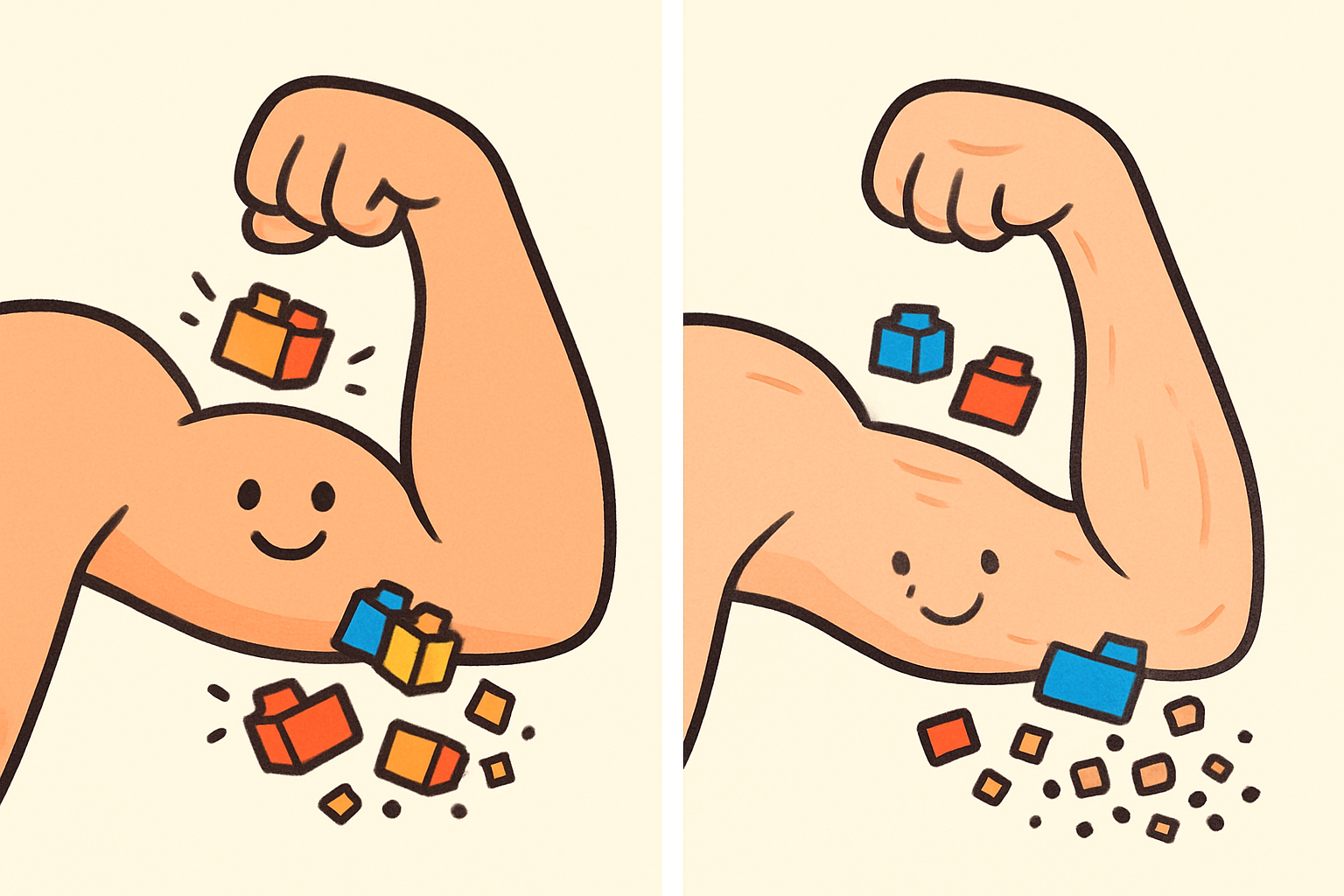
First, older muscles suffer from anabolic resistance (an-uh-BAHL-ik ree-ZIS-tuhns). This means the body becomes less efficient at using dietary protein to build new muscle tissue. A 2023 review in Nutrition Reviews explains that older adults require a larger dose of protein to trigger the same muscle-building response as a younger person.
Second, the energy factories inside our cells, called mitochondria (my-toh-KAHN-dree-uh), begin to lose their efficiency. A 2017 study in Cell Metabolism found that aging is associated with a decline in a specific mitochondrial protein called OPA1. When this protein drops, muscle fibers shrink and systemic inflammation increases.
Finally, the nervous system changes. The connections between nerves and muscle fibers weaken over time. According to a 2018 review in the Journal of Cachexia, Sarcopenia and Muscle, this loss of neural connection is a major reason why older adults lose physical strength even faster than they lose physical muscle size.
What the Research Shows About Preventing Muscle Loss
While the biological changes of aging are complex, the solutions supported by research are highly practical. The evidence overwhelmingly points to two main pillars of prevention: resistance training and optimized protein intake.
The Role of Resistance Training
Aerobic exercise like walking or swimming is excellent for heart health. However, to preserve muscle mass, you have to challenge your muscles against resistance.
A 2023 review in Progress in Cardiovascular Diseases highlights that resistance training (lifting weights, using resistance bands, or doing bodyweight exercises) is essential for fighting sarcopenia. When you contract your muscles against a heavy load, your body releases myokines (MY-oh-kines). These are small proteins that act as chemical messengers.

Research published in Nature Reviews Cardiology in 2018 shows that myokines help reduce systemic inflammation, improve insulin sensitivity, and signal the body to maintain muscle tissue. Furthermore, regular physical activity has been shown to maintain the health of mitochondria and prevent the decline of the OPA1 protein mentioned earlier.
Diet and Protein: How Much Do We Actually Need?
The current Recommended Dietary Allowance (RDA) for protein is 0.8 grams per kilogram of body weight per day. However, leading researchers now argue this is not enough for older adults.
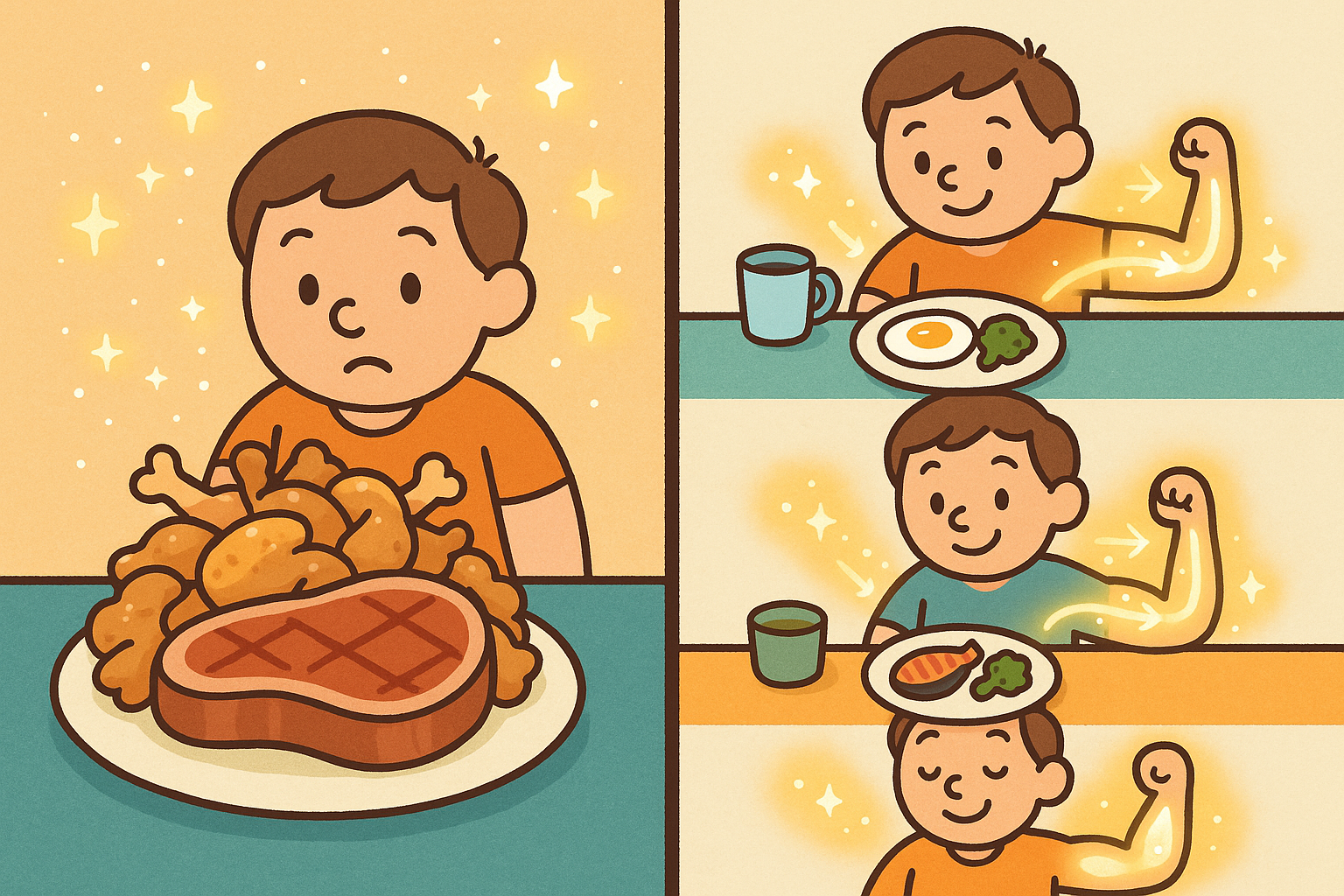
Because of anabolic resistance, older adults need more protein to overcome the body’s reduced sensitivity to muscle-building signals. A 2016 paper in Applied Physiology, Nutrition, and Metabolism suggests that an intake of 1.2 to 1.6 grams of protein per kilogram of body weight per day is a more ideal target for healthy aging.
Timing also matters. The same research indicates that eating a large amount of protein at dinner is not as effective as spreading it out. Scientists recommend aiming for a threshold of about 30 grams of high-quality protein per meal. Breakfast is typically the meal where people fall short of this goal.
Related: Not All Protein Is Created Equal: What Your Body Actually Absorbs
Overall Diet Quality
It is not just about protein. A 2023 review in The American Journal of Clinical Nutrition looked at long-term dietary patterns. The researchers found that diets rich in fruits, vegetables, whole grains, and healthy fats (such as the Mediterranean or MIND diets) during mid-adulthood are strongly linked to better physical performance and walking speed later in life. These diets likely help by reducing chronic inflammation and oxidative stress, which are known drivers of muscle breakdown.
Who Needs Extra Caution
Certain health conditions can accelerate muscle loss, meaning some populations need to be especially proactive.
- People with Type 2 Diabetes: A 2021 review in Nutrients found that up to 29% of older adults with Type 2 diabetes have sarcopenia. Chronic high blood sugar and insulin resistance impair the body’s ability to synthesize new proteins, making muscle loss happen faster.
- People with Osteoporosis: Bone loss and muscle loss frequently happen together. This combination is called osteosarcopenia. A 2017 study in Osteoporosis International explains that when bones become fragile and muscles become weak, the risk of severe falls and fractures increases significantly.
Related: What Science Actually Says About Malnutrition in Older Adults
Emerging Science: What the Future Holds
While diet and exercise are the current mainstays of treatment, scientists are looking for new ways to treat severe muscle loss. These treatments are mostly in the early stages of animal or cellular research.
- Unacylated Ghrelin: A 2024 study in Aging Cell found that delivering a specific form of the hunger hormone ghrelin to older mice protected them from muscle loss and improved their neuromuscular connections.
- SELENOW (Selenoprotein W): Another 2024 study in Science Advances discovered that a selenium-containing protein helps balance protein synthesis and degradation in mice.
- Nobiletin: A 2022 study in the International Journal of Molecular Sciences showed that a compound found in citrus peels helped prevent aging in muscle cells by clearing out damaged mitochondria.
These studies help scientists understand the mechanisms of aging, but they are not yet available as medical treatments for humans.
Common Questions About Age-Related Muscle Loss
Does eating a high-protein diet damage your kidneys or bones?
No. A persistent myth claims that high protein intake causes kidney failure or leaches calcium from bones. Research confirms that in healthy individuals without pre-existing kidney disease, diets higher in protein do not damage renal function and actually support bone health when combined with adequate calcium.
Is walking enough to prevent muscle loss?
While walking is highly beneficial for cardiovascular health and joint mobility, it is usually not enough stimulus to build or preserve upper body and core muscle mass. Resistance training is required to signal the body to retain muscle tissue.
The Bottom Line
Age-related muscle loss is a natural process, but it does not have to lead to frailty or loss of independence. The scientific consensus is clear: the most reliable way to preserve your strength is through a combination of resistance training and adequate nutrition.
We know with high confidence that older adults require more protein than the standard guidelines suggest, ideally spread evenly across meals. We also know that whole-diet quality plays a major role in keeping inflammation low. While new pharmaceutical treatments are being researched in labs, lifting weights and eating a balanced, protein-rich diet remain the most evidence-based tools we have today.
Quick Reference: Key Studies
| Study Focus | Key Finding | Source |
|---|---|---|
| Protein Requirements | Older adults benefit from 1.2-1.6 g/kg/day of protein, ideally with ~30g per meal to overcome anabolic resistance. | PMID 26960445 |
| Exercise and Sarcopenia | Resistance training prevents age-related physiological deterioration and increases muscle mass and metabolic rate. | PMID 36841491 |
| Diet Quality | High-quality diets in mid-adulthood (like Mediterranean patterns) protect physical performance in older age. | PMID 37657521 |
| Diabetes and Muscle Loss | Type 2 diabetes significantly increases the risk of sarcopenia due to insulin resistance and chronic inflammation. | PMID 33435310 |
| Osteosarcopenia | Combined bone and muscle loss drastically increases fracture risk. Both require resistance training and protein to manage. | PMID 28733716 |
| Sarcopenia Guidelines | The 2019 AWGS consensus defines sarcopenia by combining low muscle mass with low strength or physical performance. | PMID 32033882 |
| Myokines and Exercise | Contracting muscles release myokines that reduce systemic inflammation and protect cardiovascular and metabolic health. | PMID 30115967 |
Last updated: April 2026
This article synthesizes findings from peer-reviewed research. It is for educational purposes only and does not constitute medical advice. Consult a healthcare provider before starting any new regimen.
Leave a Reply