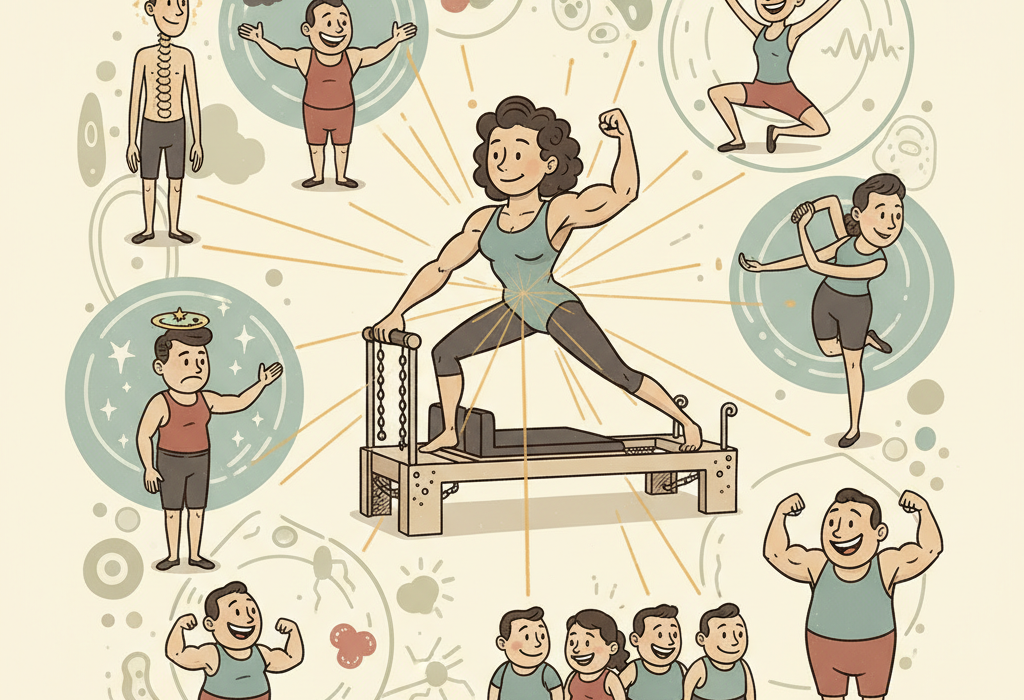
Pilates has grown from a specialized routine for dancers into one of the most popular exercise methods in the world. Many people turn to it for rehabilitation, hoping to heal aching backs, stiff knees, or poor posture. But does the science actually support these claims?
In short: Yes. A large body of research shows that Pilates is a safe and effective way to manage chronic pain, improve balance, and maintain physical function as we age. However, studies also show that Pilates is not necessarily superior to other forms of exercise. The true benefit of Pilates lies in its focus on controlled movement, making it highly adaptable for people with various physical limitations.
This article breaks down what the latest scientific research says about Pilates, who benefits the most, and how to use it effectively.
Does Pilates Actually Help With Back Pain?
If you search for ways to fix an aching back, Pilates is usually near the top of the list. Research shows this reputation is well-earned, though with some important context.
Scientists frequently study chronic non-specific low back pain (KRAH-nik non-spuh-SIF-ik low bak payn). This is back pain that lasts for more than 12 weeks and is not caused by a specific disease or structural problem like a fracture.
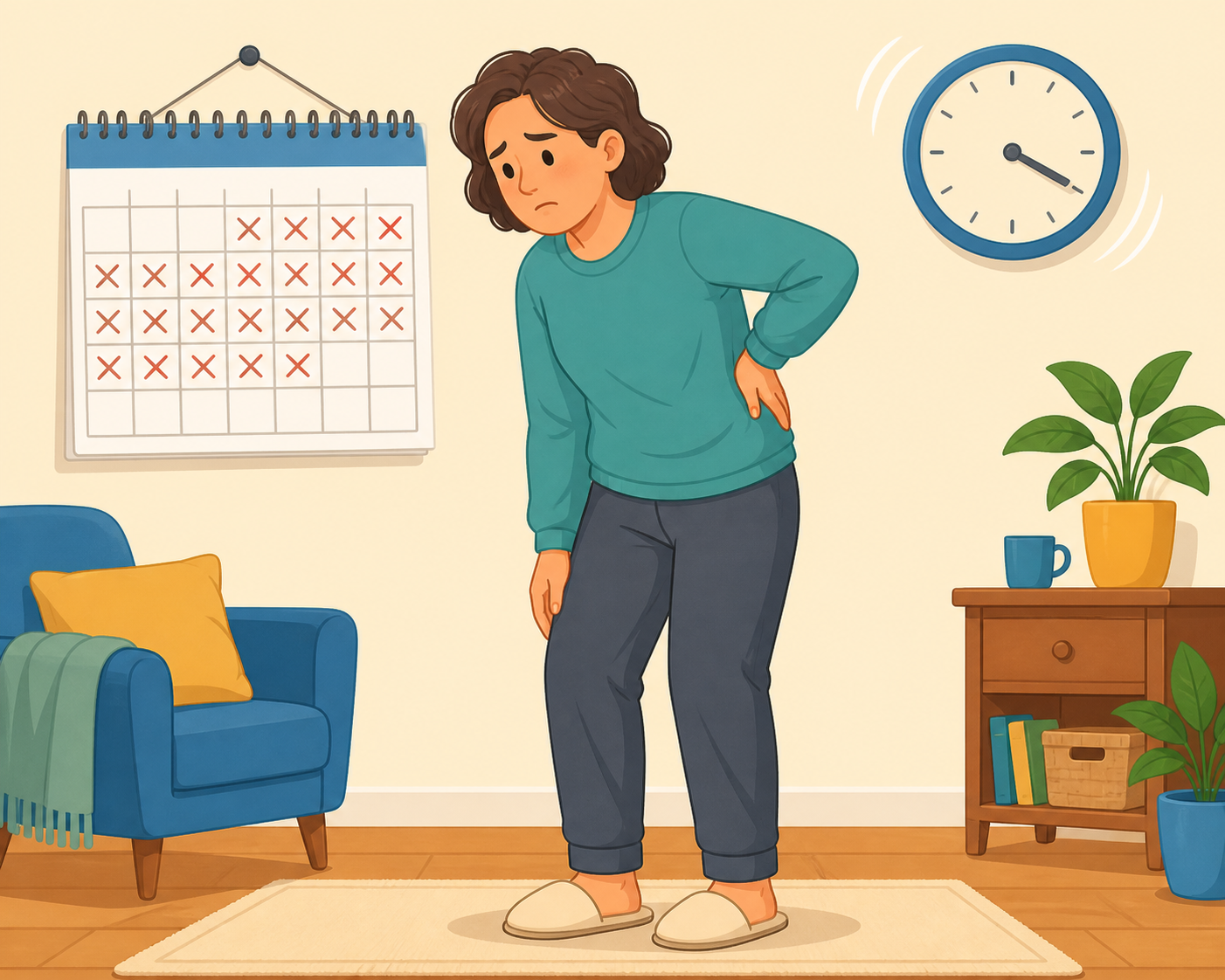
A 2025 systematic review in Frontiers in Physiology compared different types of core training for this type of back pain. The researchers looked at 57 trials involving over 7,700 people. They found that Pilates provided the best pain relief when compared to general core stability training and core resistance training.
Similarly, a 2023 review for the World Health Organization concluded with moderate certainty that structured exercise programs, including Pilates, reduce pain and functional limitations in adults with chronic lower back pain.
Related: Strength Training for Back Pain: What the Latest Research Shows
High Intensity vs. Low Intensity
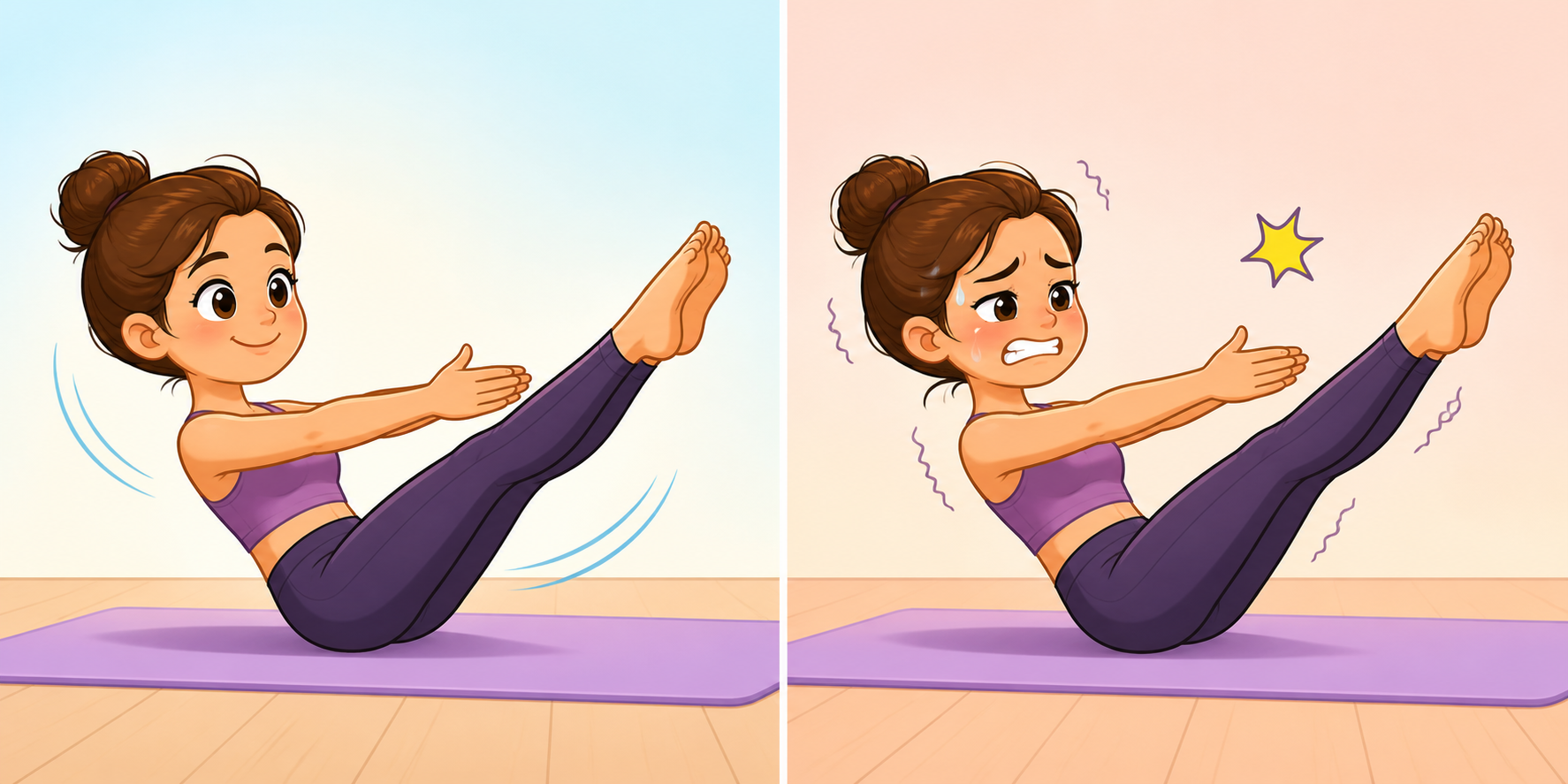
Many people assume that working harder yields better results. However, when it comes to Pilates for back pain, gentler may be better.
A 2025 randomized trial in the Journal of Physiotherapy split 168 people with chronic back pain into two groups. One group did high-intensity Pilates, and the other did low-intensity Pilates. After six weeks, both groups saw nearly identical improvements in pain and disability. However, the low-intensity group experienced significantly fewer adverse events, such as temporary muscle soreness. The researchers concluded that physical therapists should recommend low-intensity Pilates because it offers the same benefits with fewer side effects.
How Pilates Supports Healthy Aging
As we age, our bodies naturally lose muscle mass and joint flexibility. This decline can increase the risk of falls and reduce daily independence. Pilates is uniquely suited for older adults because it is low-impact and focuses heavily on balance and core strength.
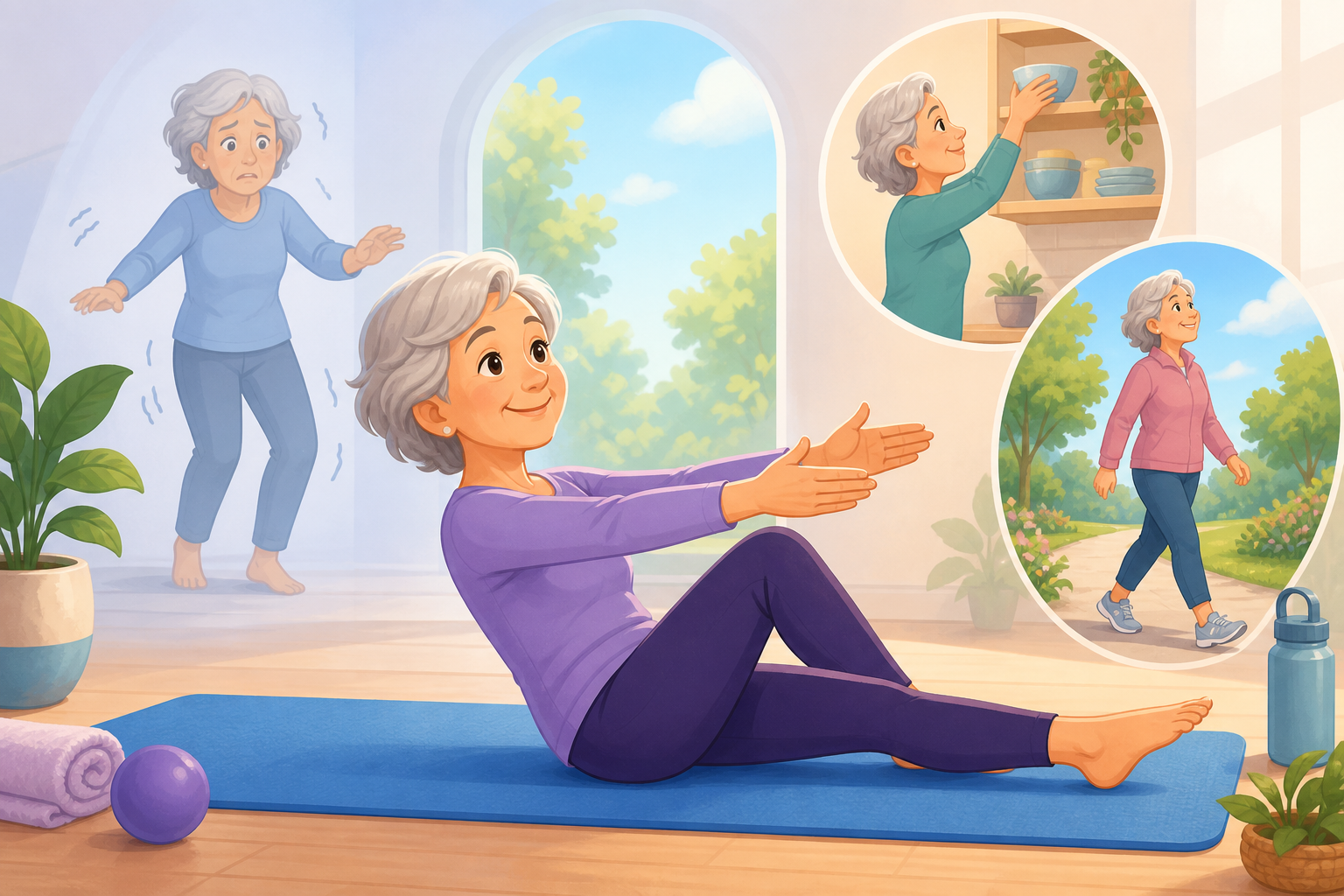
A 2022 meta-analysis in the European Journal of Investigation in Health, Psychology and Education analyzed 30 studies involving adults over the age of 60. The researchers found that Pilates significantly improved dynamic balance, lower body strength, and overall mobility.
Furthermore, a 2022 review in Musculoskeletal Care focused on adults over 50 who suffered from chronic conditions like osteoporosis and neck pain. The review found that Pilates effectively reduced pain and improved physical function. Participants also reported high levels of enjoyment, which is critical because finding an exercise you enjoy makes you much more likely to stick with it long-term.
Related: The Science of Balance Training for Fall Prevention: What Actually Works
What the Research Shows for Specific Conditions
Pilates is frequently recommended for specific health conditions. Here is what the evidence says about its effectiveness for different populations.
Pregnancy
During pregnancy, the body undergoes massive structural changes that often lead to lower back and pelvic pain. A 2025 review in Medicine looked at pregnant women who practiced Pilates. The studies showed that Pilates improved sleep quality, increased physical mobility, and significantly reduced lumbopelvic pain (pain in the lower back and pelvis). It also had a positive effect on mental health, reducing symptoms of anxiety and depression.
Knee Osteoarthritis
Osteoarthritis (os-tee-oh-ar-THRY-tis) occurs when the protective cartilage that cushions the ends of your bones wears down over time.
A 2025 meta-analysis in the Annals of Medicine looked at Pilates for knee osteoarthritis. The results showed that Pilates can relieve pain and improve physical function compared to doing nothing. However, it did not significantly improve the knee’s range of motion. It is also important to note that the researchers rated the quality of this evidence as “very low” due to small sample sizes and study design flaws. While Pilates is safe for the knees, it may not be a miracle cure for arthritis.
Parkinson’s Disease and Multiple Sclerosis
Neurological conditions can severely impact movement and balance. A 2019 review in Medicina evaluated Pilates for people with mild-to-moderate Parkinson’s disease. The data indicated that Pilates safely improved lower-body function, fitness, and balance. In fact, its benefits for lower-body function appeared slightly superior to traditional exercises.
Similarly, a 2018 review in the Journal of Bodywork and Movement Therapies found that Pilates improved walking and balance in patients with Multiple Sclerosis, helping to manage the physical decline associated with the disease.
Fibromyalgia
Fibromyalgia (fy-bro-my-AL-juh) is a disorder characterized by widespread musculoskeletal pain accompanied by fatigue and sleep issues.
While Pilates can help, it may not be the absolute best option. A 2025 network meta-analysis in the Brazilian Journal of Physical Therapy compared various exercises for women with fibromyalgia. While Pilates was effective for short-term pain relief, traditional resistance training (weightlifting) was the only exercise that showed moderately important clinical improvements for pain in the long term. Aquatic exercise was the most effective in the short term.
Pelvic Floor Health and Incontinence
Many women experience urinary incontinence as they age. Because Pilates focuses heavily on the core, it is often suggested for pelvic floor strengthening.
A 2022 trial in Complementary Therapies in Clinical Practice compared Pilates, Yoga, and standard pelvic floor muscle training in elderly women. All three interventions successfully improved incontinence scores. However, the study found that Yoga was actually superior to Pilates for improving continence. Both remain valid options, but Pilates is not the only, or necessarily the best, choice for this specific issue.
Related: Pilates vs. Yoga: What Science Actually Says About Which Is Better for You
Practical Guidance: How to Get the Most Out of Pilates
If you want to start Pilates for pain relief or healthy aging, the research provides some clear guidelines on how to structure your routine.
- Find the right frequency: According to the 2025 Frontiers in Physiology review, the optimal “dose” of Pilates for back pain is 2 to 3 sessions per week.
- Watch the clock: Sessions lasting between 50 and 60 minutes show the most consistent benefits in clinical trials.
- Give it time: You need to commit to a program for 8 to 12 weeks to see significant, lasting changes in pain and physical function.
- Keep the intensity low: As shown in the 2025 Journal of Physiotherapy study, low-intensity Pilates provides the same pain relief as high-intensity Pilates, but with less muscle soreness.
- Group classes offer hidden benefits: Several studies noted that group Pilates classes provide social interaction and visual motivation, which dramatically improves how well people stick to the routine compared to exercising alone at home.
Common Misunderstandings
A frequent misunderstanding is that Pilates is inherently better than all other forms of exercise for rehabilitation.
While Pilates is highly effective, multiple systematic reviews have concluded that it is generally as effective as other forms of exercise, rather than strictly superior. For example, the 2017 Cochrane overview of chronic pain and the 2025 ACL injury review both found that no single exercise type completely outperforms others. The best exercise is the one you will do consistently. Pilates works incredibly well because its focus on slow, controlled movements makes it accessible, safe, and easy to stick with.
The Bottom Line
Pilates is a highly adaptable, safe, and effective exercise method. The scientific evidence strongly supports its use for reducing chronic lower back pain, improving balance in older adults, and managing pain during pregnancy.
While Pilates is not a magic cure and performs similarly to other forms of gentle exercise, its focus on core stability, breathing, and precise movement makes it an excellent rehabilitation tool. If you are dealing with chronic pain or looking to maintain your physical independence as you age, a low-intensity Pilates routine done two to three times a week is a scientifically backed way to improve your quality of life.
Quick Reference: Key Studies
| Study Focus | Key Finding | Source |
|---|---|---|
| Chronic Low Back Pain | Pilates provides optimal pain relief compared to other core exercises; ideal dose is 2-3 times a week for 8-12 weeks. | PMID 41178988 |
| Exercise Intensity | Low-intensity Pilates reduces back pain just as well as high-intensity Pilates, but with fewer side effects. | PMID 40122758 |
| Healthy Aging | Pilates significantly improves dynamic balance, strength, and mobility in adults over 60. | PMID 35323204 |
| Pregnancy | Practicing Pilates during pregnancy improves sleep, reduces lower back pain, and decreases anxiety. | PMID 40295263 |
| Parkinson’s Disease | Pilates safely improves lower-body function, fitness, and balance in mild-to-moderate Parkinson’s patients. | PMID 31412676 |
| Knee Osteoarthritis | Pilates may relieve pain and improve physical function, though it does not significantly change joint range of motion. | PMID 40781878 |
| Fibromyalgia | Pilates helps with short-term pain, but resistance training is more effective for long-term relief. | PMID 40319533 |
Last updated: October 2026
This article synthesizes findings from peer-reviewed research. It is for educational purposes only and does not constitute medical advice. Consult a healthcare provider before starting any new regimen.

Leave a Reply