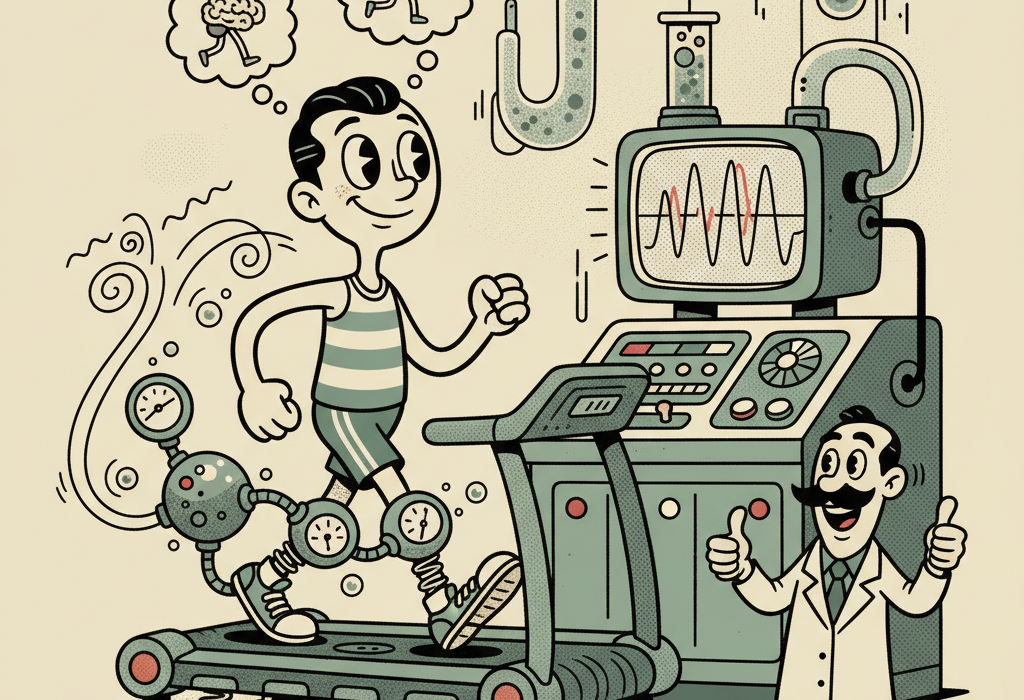
Most of us walk without thinking about it. But when an injury, a stroke, or chronic joint pain disrupts your natural stride, walking becomes a conscious and often frustrating effort. Physical therapists often give verbal cues like “shift your weight” or “land softly.” However, it can be incredibly difficult for a patient to know if they are actually doing it right once they leave the clinic.
This is the core tension of physical rehabilitation. If you cannot feel what your body is doing wrong, how can you fix it?
This is where biofeedback comes in. Biofeedback acts like a backup camera for your body. It uses sensors to measure biological signals you normally cannot see or feel, and it translates them into real-time visual, auditory, or physical cues. By instantly showing you how your body is moving, biofeedback helps retrain the brain to adopt healthier walking patterns.
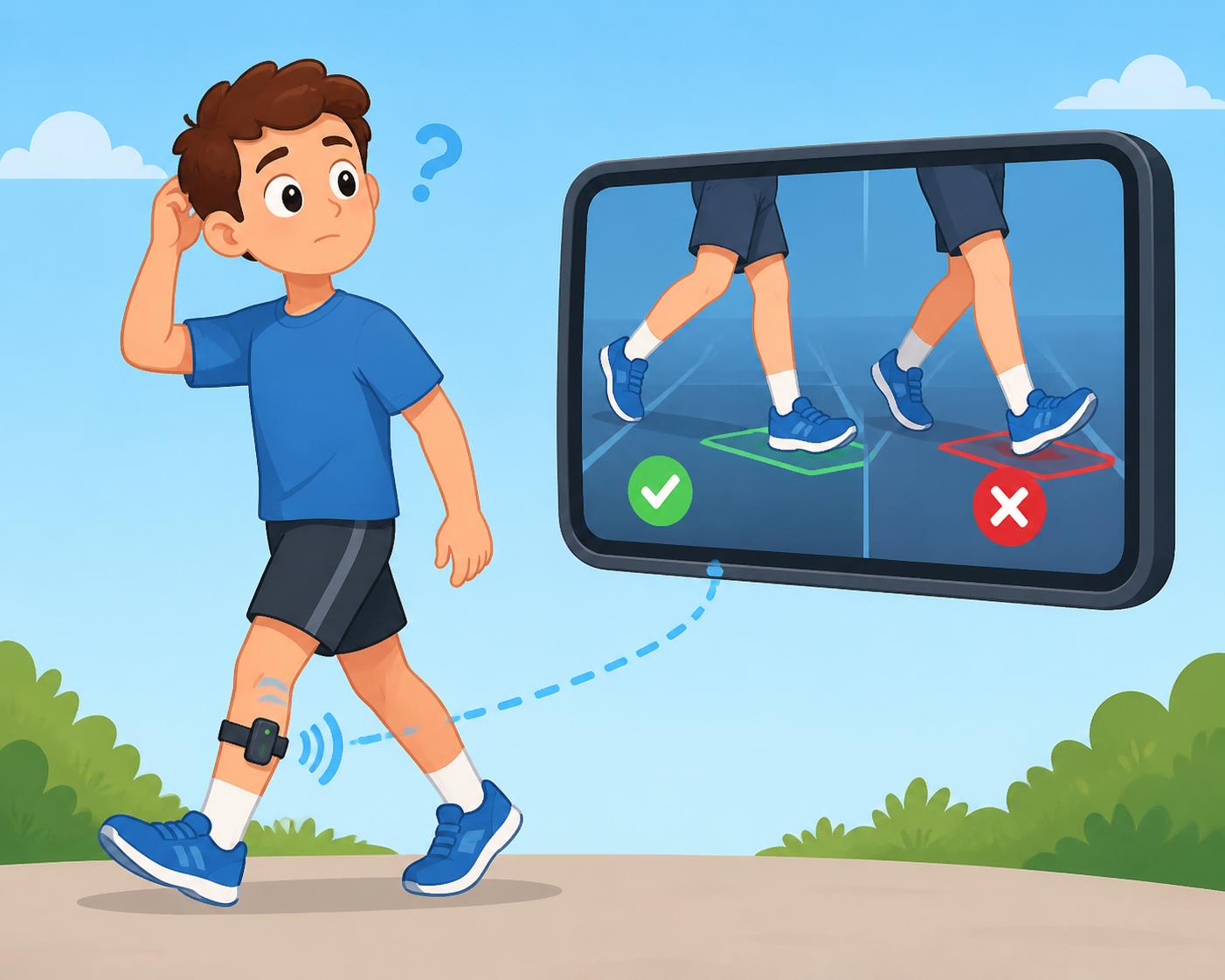
What is Gait Biofeedback?
To understand biofeedback, we first need to understand proprioception (pro-pree-oh-SEP-shun). This is your body’s built-in ability to sense its position and movement in space. When an injury or neurological condition damages this sense, your brain loses its map of how to move efficiently.
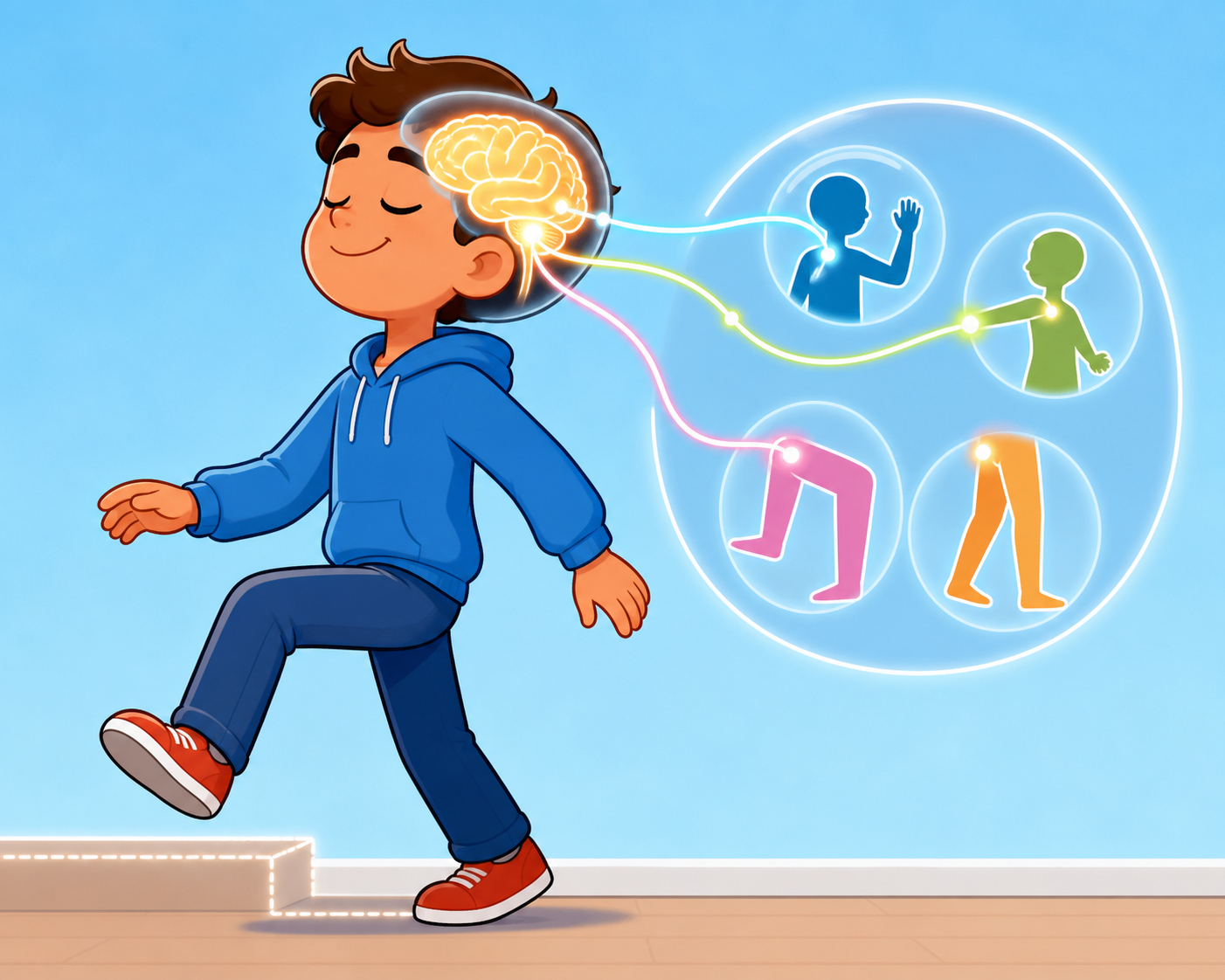
Biofeedback bridges this gap by providing external information. Modern gait biofeedback systems generally use three types of cues:
- Visual feedback: Watching a screen that shows a graph, a target zone, or even a virtual reality avatar.
- Auditory feedback: Hearing a beep, a metronome, or music that changes tempo based on your steps.
- Haptic feedback: Feeling a vibration on your skin or a buzz in a walking cane when you hit a specific target.
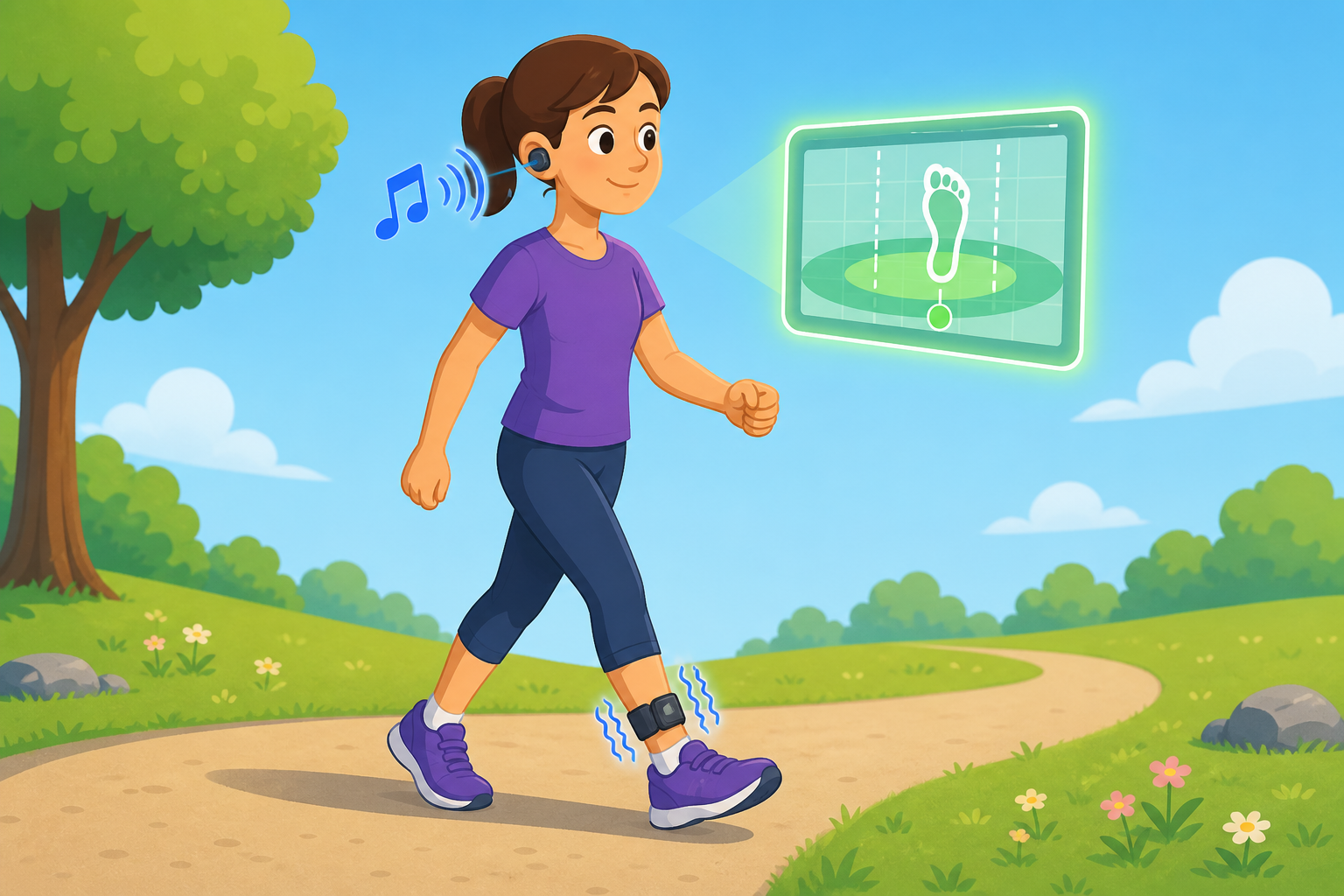
By receiving this instant feedback, patients can adjust their movements on the fly. Over time, this repetition helps the brain learn the new pattern until it becomes automatic.
What the Research Shows: Healing Joints and Preventing Pain
Biofeedback is increasingly used to treat mechanical joint issues by teaching patients to walk in ways that take pressure off damaged tissues.
Knee Osteoarthritis
For people with osteoarthritis (os-tee-oh-ar-THRY-tis), a condition where the protective cartilage at the ends of bones wears down, the way the foot hits the ground directly impacts knee pain. Walking with a slight “toe-in” or “toe-out” angle can shift weight away from the damaged part of the knee.
A 2025 trial in The Lancet Rheumatology tested this approach on 68 patients. Researchers used vibrating biofeedback sensors to teach patients their ideal, personalized foot angle. After one year, the group that received this personalized biofeedback had significantly less knee pain and showed signs of slowed cartilage degeneration compared to a control group.
Even simple walking aids are getting a biofeedback upgrade. A 2021 study in the Journal of Biomechanics tested a novel walking cane that vibrates when the user applies the correct amount of body weight to it. The researchers found that this haptic feedback cane successfully reduced harmful forces on the osteoarthritic knee just as effectively as formal training with a physical therapist.
Chronic Ankle Instability
People who suffer from repeated ankle sprains often develop chronic ankle instability. Research shows these individuals tend to walk with their foot angled slightly inward, which increases the risk of rolling the ankle again.
A 2021 study in the Scandinavian Journal of Medicine & Science in Sports used visual biofeedback to teach patients to flatten their foot before it hit the ground. Participants watched a screen that showed a green oval when their foot was in a safe position and a red oval when it was dangerously inverted. After four weeks, the biofeedback group successfully corrected their walking mechanics and reported significantly better daily function compared to a group that only did standard physical therapy.
Who Benefits Most From Biofeedback?
While biofeedback helps with joint pain, it is also highly effective for neurological conditions where the brain’s communication with the muscles is disrupted.
Stroke Survivors
Regaining the ability to walk is a primary goal after a stroke. A 2022 scoping review in Sensors analyzed 31 studies involving 660 stroke survivors. The review found that biofeedback consistently improved walking speed, step length, and muscle activation.
Therapies range from high-tech robotic exoskeletons to everyday gaming consoles. A 2024 meta-analysis in Biological Research for Nursing looked at 22 studies using the Nintendo Wii Fit balance board for stroke rehabilitation. The visual feedback provided by the games resulted in statistically significant improvements in overall balance and walking speed.
Children with Cerebral Palsy
Cerebral palsy often causes tight muscles and disrupted walking patterns. A 2023 study in the Journal of Neuroengineering and Rehabilitation tested biofeedback on adolescents with cerebral palsy. The researchers combined visual feedback on a screen with physical resistance from a robotic ankle brace. They found that combining visual and physical feedback helped the patients adapt their walking patterns much faster than using either method alone.
Lower-Limb Amputees
Learning to walk with a prosthetic limb requires immense trust and balance. A 2020 systematic review of biofeedback systems for amputees noted that visual and auditory feedback helped patients learn to distribute their weight evenly. The research suggests that biofeedback is most effective during the early stages of rehabilitation when the patient is first learning to trust the artificial limb.
The Shift From Lab to Living Room
Historically, biofeedback required expensive laboratory equipment. Today, wearable technology is moving these therapies into the real world.
Researchers are using electromyography (ee-lek-tro-my-OG-rah-fee), which measures the electrical activity of muscles, in portable devices. A 2021 study successfully repurposed a smartphone-connected muscle sensor to help patients practice gait training at home.
Similarly, scientists are developing smart insoles for patients recovering from leg fractures. Traditional advice tells patients to apply “partial weight” to their healing leg, but guessing what 20% of your body weight feels like is very difficult. Recent engineering studies in 2023 and 2025 have tested smart shoes that measure the actual load on the bone and beep if the patient pushes too hard. This helps prevent re-injury while safely encouraging bone healing.
Where the Science is Still Uncertain
While the results are promising, biofeedback is not a perfect solution for everyone. Researchers are still working to solve a few key challenges:
- Cognitive Overload: Walking while paying attention to screens, beeps, and vibrations takes a lot of mental energy. A 2021 study on stroke patients found that some patients were so overwhelmed by the feedback that they ignored it. Researchers discovered that slowing down the walking speed helped patients process the information better.
- Fading the Feedback: The ultimate goal of biofeedback is for the patient to eventually walk normally without the device. However, a 2018 mapping review noted that very few studies properly test how to “fade” or slowly remove the feedback. If feedback is removed too quickly, patients may revert to their old walking habits.
- Lab vs. Real World: The same 2018 review found that 96% of biofeedback studies take place in a controlled laboratory. Walking on a flat treadmill is very different from navigating a crowded grocery store or an uneven sidewalk. More real-world testing is needed.
The Bottom Line
Biofeedback is a highly effective tool for gait rehabilitation. By providing instant, measurable data about how the body is moving, it takes the guesswork out of physical therapy.
Current research strongly supports using biofeedback to correct joint angles in osteoarthritis, improve balance after a stroke, and increase mobility in cerebral palsy. While challenges remain in making these systems portable and easy to use without mental fatigue, wearable technology is rapidly making biofeedback more accessible for everyday recovery.
Quick Reference: Key Studies
| Study Focus | Key Finding | Source |
|---|---|---|
| Knee Osteoarthritis | Personalized foot angle biofeedback reduced knee pain and slowed cartilage degeneration over one year. | PMID 40816302 |
| Chronic Ankle Instability | Visual biofeedback successfully trained patients to correct ankle angles and improved daily function. | PMID 32939858 |
| Cerebral Palsy | Combining visual and physical feedback amplified the rate of gait adaptation in adolescents. | PMID 38062454 |
| Stroke Rehabilitation | Wii Fit-based visual feedback significantly improved balance and functional walking speed. | PMID 37247514 |
| Wearable Technology | Haptic walking canes effectively trained patients to apply the correct body weight to reduce knee strain. | PMID 33285489 |
Last updated: October 2026
This article synthesizes findings from peer-reviewed research. It is for educational purposes only and does not constitute medical advice. Consult a healthcare provider before starting any new regimen.


Leave a Reply