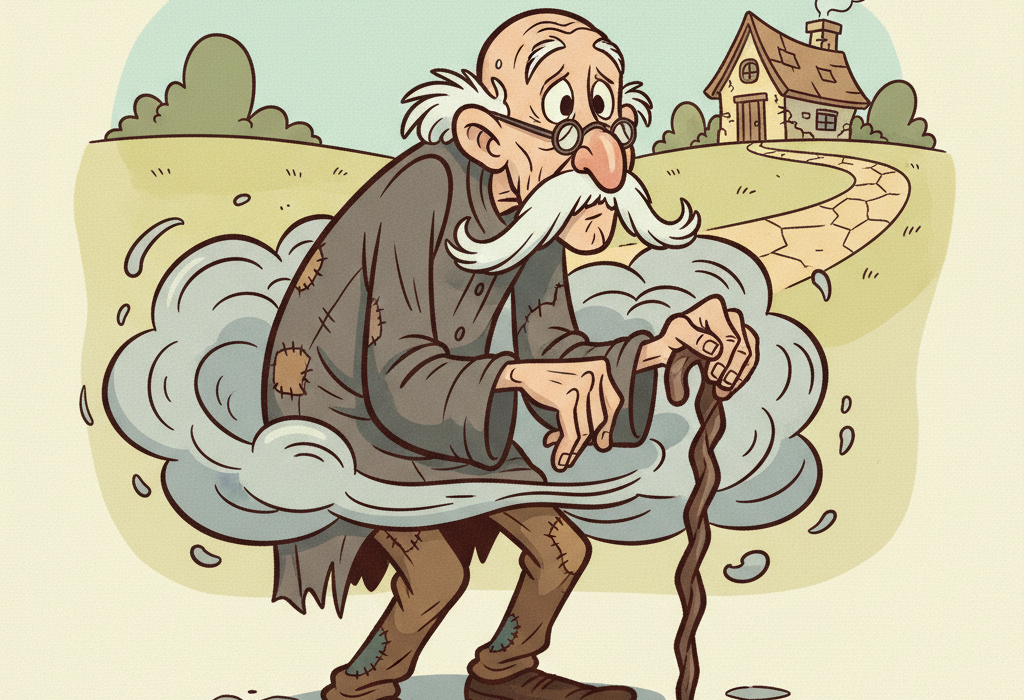
Imagine two older adults of the exact same age. One catches a minor cold and recovers in a few days. The other catches the same cold and ends up in the hospital with severe complications. The difference between them is often a medical concept known as frailty.
For a long time, people assumed that becoming weak or slowing down was simply a normal part of getting older. However, scientists now view frailty as a specific health condition. You can think of the human body like a house. Normal aging is like the natural wear and tear a house experiences over decades. Frailty is what happens when the foundation of the house becomes unstable. A strong gust of wind might not damage a sturdy house, but it could cause serious damage to a house with a weak foundation.

This article explores what peer-reviewed research actually says about frailty, how it impacts different parts of the body, and what steps can be taken to manage it.
What Is Frailty, Exactly?
In medical research, frailty (FRAYL-tee) is defined as a state of increased vulnerability to physical or mental stress. It means the body has lost some of its built-in reserves and has a much harder time bouncing back from illness, injury, or surgery.
A 2017 review in Clinics in geriatric medicine notes that frailty is a clinical state that exposes individuals to negative health outcomes like falls, disability, and prolonged hospital stays. Importantly, the research highlights that frailty is not a single disease. Instead, it is a combination of different physical, mental, and social factors that slowly drain a person’s resilience.
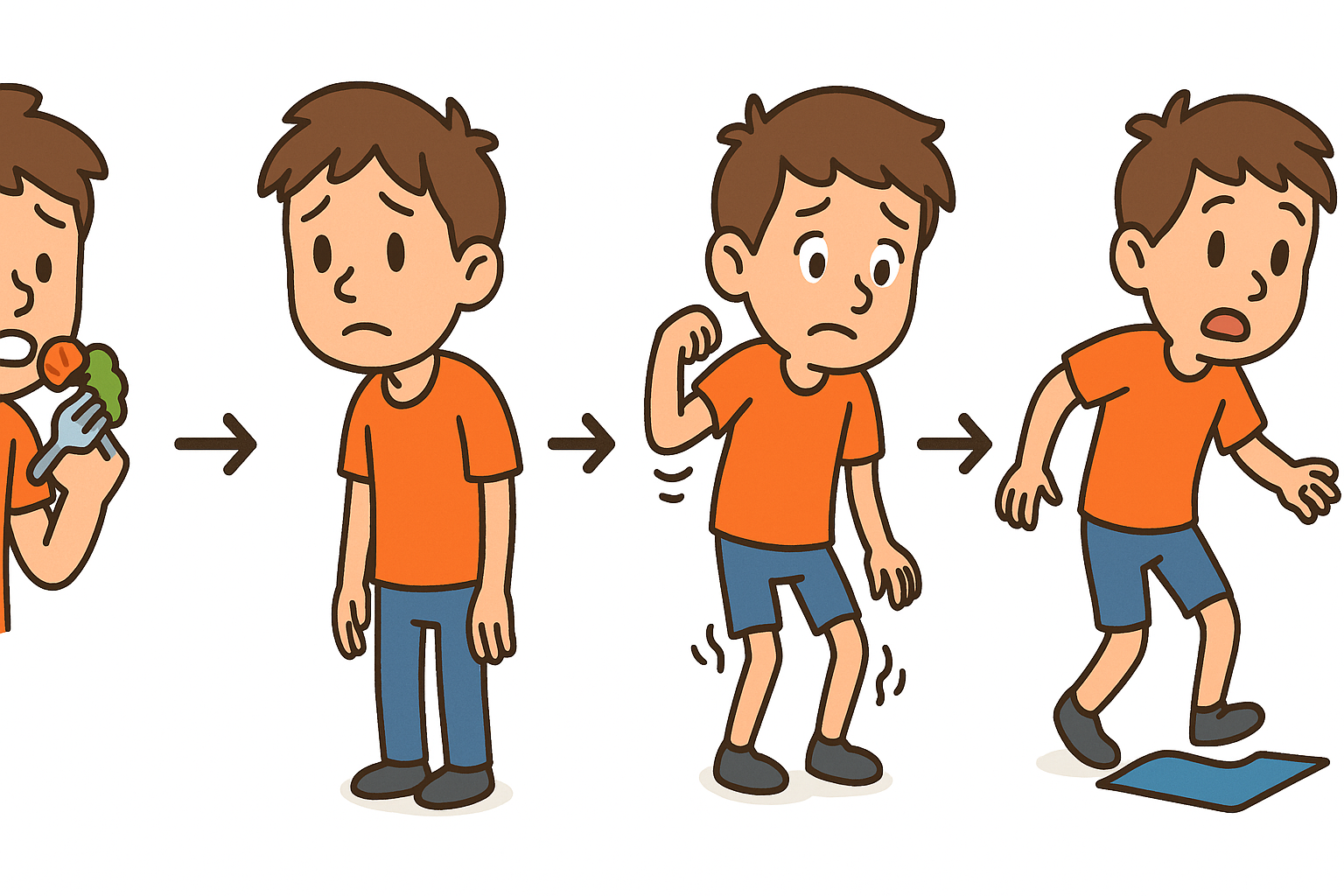
Scientists generally measure frailty by looking at several signs, such as unintentional weight loss, exhaustion, muscle weakness, slow walking speed, and low physical activity.
What the Research Shows
Recent studies have shown that frailty is a complex condition that affects nearly every system in the body. It changes how older adults respond to surgery, how they fight off infections, and even how they interact with the world around them.
The Multiple Faces of Frailty
Frailty is not limited to physical weakness. It can also involve cognitive (mental) decline and social isolation.
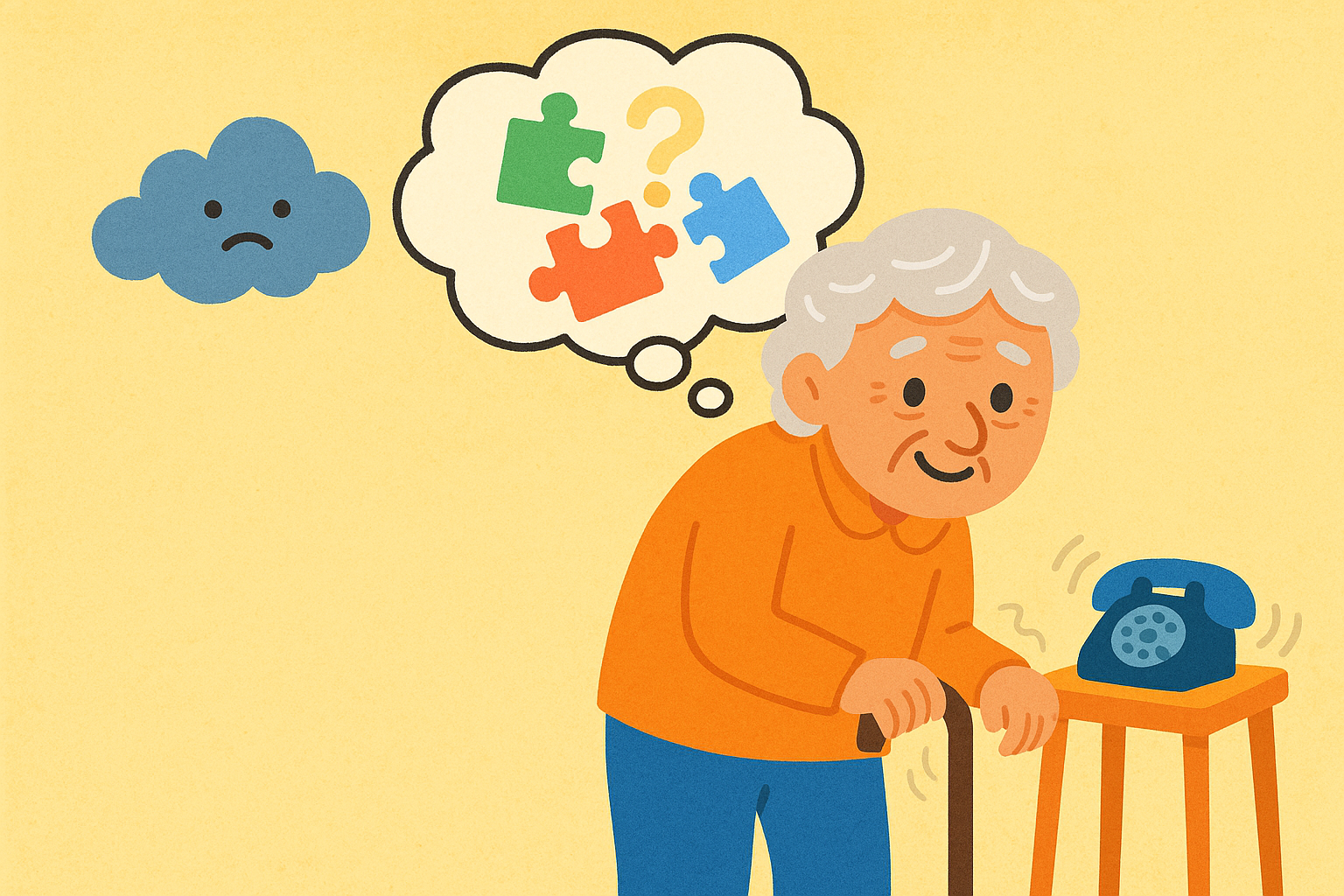
A 2020 study in the European journal of heart failure looked at 1,180 hospitalized older adults with heart conditions. The researchers evaluated the patients for three types of frailty: physical frailty, cognitive dysfunction, and social frailty. They found a significant overlap between these domains. More than half of the patients experienced more than one type of frailty at the same time. The study revealed that patients who had multiple types of frailty faced a much higher risk of hospital readmission and poor recovery compared to those with only one type.
Related: The Science of Dementia Caregiving: What Research Says About Stress, Sleep, and Support
Surgery and Hospital Stays
When frail adults undergo surgery, their bodies often struggle to handle the stress of the procedure and the anesthesia.
A 2025 review in BMC anesthesiology analyzed data from over 14,000 older surgical patients. The researchers found that patients who were physically frail before surgery were 2.47 times more likely to develop postoperative delirium (post-OP-er-uh-tiv deh-LEER-ee-um). This is a condition where a patient experiences sudden confusion, memory loss, or disorientation after an operation. Identifying frailty before surgery can help doctors adjust anesthesia and plan for better postoperative care.
Breathing and Infections
Frailty is also closely linked to chronic diseases, particularly those affecting the lungs and respiratory system. A 2025 study in BMJ open respiratory research tracked over 3,000 older adults in China. The researchers found that individuals with chronic respiratory diseases had a 44 percent higher risk of developing frailty over time. Specifically, conditions like asthma were strongly associated with future physical decline.
Frail adults also face unique challenges when dealing with common infections. A 2020 review in the World journal of urology explains that diagnosing urinary tract infections (UTIs) in frail older adults is notoriously difficult. Frail patients often do not show typical symptoms like fever or pain. Instead, they might simply appear more tired or confused. The researchers also warn against routinely treating “asymptomatic bacteriuria” (bacteria in the urine without any illness symptoms) with antibiotics, as this can cause more harm than good in frail patients.
Bone Health and Fall Risk
As the body weakens, the risk of falls and broken bones increases. A 2017 review in BMC musculoskeletal disorders highlights the strong relationship between frailty and osteoporosis. The research shows that the frailer an individual is, the higher their risk of suffering a severe bone fracture.
Related: How to Prevent Falls in Older Adults: What Research Says
The Surprising Role of Oral Frailty
One of the most interesting emerging areas of research is the concept of oral frailty (OR-uhl FRAYL-tee). This refers to an age-related decline in the mouth and facial muscles, leading to problems with chewing, swallowing, and speaking.
Several recent studies show that oral health is a major predictor of overall physical decline:
- A 2024 study in BMC oral health examined older adults living in the community. They found that factors like the number of dentures, dry mouth, subjective chewing difficulties, and poor sleep quality were all strong predictors of oral frailty.
- A 2024 study in BMC geriatrics discovered a direct link between oral frailty and an increased risk of falling. The researchers found that poor nutrition acts as a bridge between the two. When older adults have trouble chewing or swallowing, they eat less nutrient-dense food. This leads to muscle loss, which eventually increases the risk of falls.
- A 2024 study in BMC oral health focused on older adults undergoing hemodialysis for kidney disease. They found that 45.2 percent of these patients experienced oral frailty. Patients with better oral health knowledge and behaviors were significantly less likely to become frail.
These findings suggest that maintaining teeth, treating dry mouth, and practicing good oral hygiene are not just about avoiding cavities. They are critical steps in maintaining overall physical independence.
How This Might Work: The Biology Behind Frailty
Scientists are still working to understand the exact biological mechanisms that cause a person to transition from healthy aging to frailty.
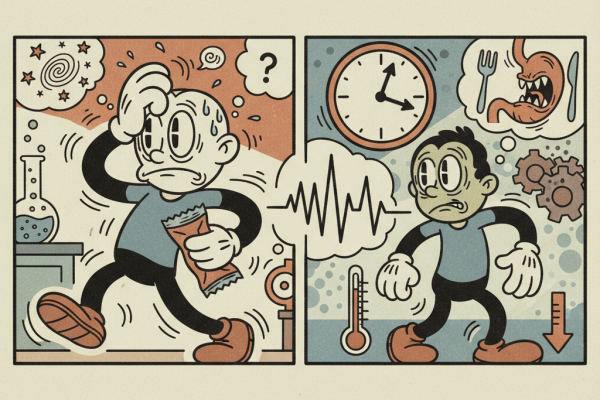
A 2019 review in Clinical interventions in aging explored several biological markers that indicate frailty. Biomarkers (BY-oh-mar-kers) are measurable substances in the blood or body that show how well systems are functioning.
The researchers noted a few key biological drivers of frailty:
- Chronic Inflammation: Frail adults often have higher levels of inflammatory markers in their blood. This suggests that their immune system is constantly in a low-grade state of alarm, which wears down the body over time.
- Hormone Changes: Declines in hormones like testosterone, vitamin D, and specific growth factors are linked to the loss of bone and muscle mass.
- Cellular Aging: The study highlighted emerging research into specific cells, such as circulating osteoprogenitor cells, which help maintain bone health. A decline in these cells is strongly associated with the onset of physical frailty.
Common Questions About Frailty
Is frailty the same as just getting older?
No. While frailty is more common in older age, it is a distinct medical condition. Many people live into their 80s and 90s without ever becoming frail. Frailty specifically refers to a loss of physical and mental reserves that makes a person highly vulnerable to stress.
Can frailty be reversed?
Yes, especially in its early stages. Research indicates that frailty is a dynamic condition. With targeted interventions like physical therapy, nutritional support, and social engagement, individuals can move from a frail state back to a healthier, more robust state.
Practical Guidance: Can Frailty Be Managed?
While frailty is a serious condition, the research suggests several actionable ways to manage and potentially reverse it.
- Prioritize Nutrition and Protein: Because muscle loss is a core component of frailty, maintaining adequate nutrition is vital. Research shows that addressing chewing difficulties can help older adults comfortably consume enough protein to maintain their strength.
- Maintain Oral Health: Regular dental checkups, proper denture fitting, and treating dry mouth can prevent the cascade of poor nutrition and muscle loss.
- Stay Socially Connected: Social frailty is a significant risk factor for overall decline. Participating in community activities, spending time with family, and maintaining a social network can help preserve cognitive and physical health.
- Review Medications Carefully: Frail adults are more susceptible to medication side effects. For example, treating symptomless bacteria in the urine with antibiotics can cause unnecessary harm. Families should work with doctors to ensure that all prescribed medications are truly necessary.
The Bottom Line
Frailty is a complex condition that reduces an older adult’s ability to recover from health stressors. It involves a combination of physical, cognitive, social, and even oral factors.
- Frailty significantly increases the risk of complications after surgery, severe infections, and falls.
- Oral health plays a surprisingly large role in overall physical strength. Chewing difficulties can lead to poor nutrition, which drives muscle loss.
- Frailty is not an inevitable part of aging. Early screening and interventions focused on nutrition, oral care, and social support can help manage or even reverse the condition.
Quick Reference: Key Studies
| Study Focus | Key Finding | Source |
|---|---|---|
| Surgery & Delirium | Physical frailty increases the risk of postoperative delirium by 2.47 times in older surgical patients. | PMID 40050707 |
| Multiple Frailty Domains | Physical, social, and cognitive frailty often overlap in heart failure patients, leading to worse recovery outcomes. | PMID 32500539 |
| Oral Frailty & Falls | Oral frailty is linked to an increased risk of falls, a relationship that is largely driven by poor nutrition. | PMID 38504156 |
| Respiratory Disease | Chronic respiratory conditions like asthma are associated with a 44% higher risk of developing frailty. | PMID 39753242 |
| Urinary Tract Infections | Diagnosing UTIs in frail adults is difficult, and treating symptomless bacteria with antibiotics is not recommended. | PMID 32221713 |
Last updated: March 2026
This article synthesizes findings from peer-reviewed research. It is for educational purposes only and does not constitute medical advice. Consult a healthcare provider before starting any new regimen.
Leave a Reply