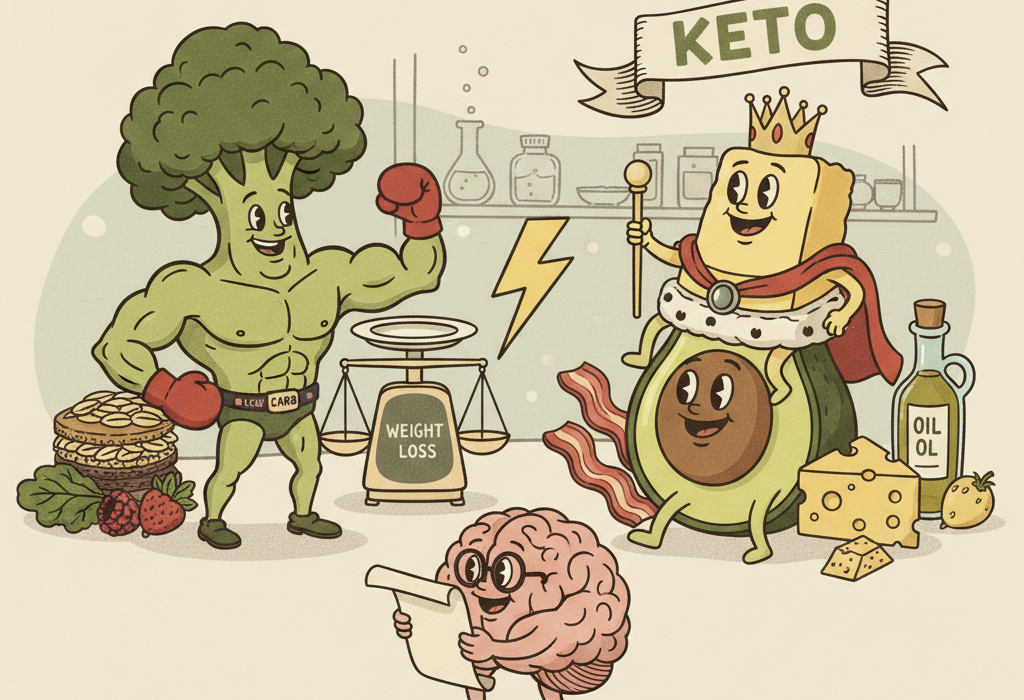
Many people know that eating fewer refined carbohydrates like white bread, pasta, and sugar can improve their health. However, a major point of confusion remains in the nutrition world. Is it enough to simply cut back on carbohydrates, or do you need to restrict them so heavily that your body enters a completely different metabolic state?
While both low-carbohydrate and ketogenic diets restrict carbs, they are not the same thing. A standard low-carb diet usually allows up to 40 percent of your daily calories to come from carbohydrates. The ketogenic diet restricts carbohydrates so heavily (usually under 10 percent of daily calories) that it forces your body to stop using blood sugar for energy and start burning fat instead.
This article will explore what recent scientific research actually says about the differences between these two approaches, how they affect your body, and what happens when you try to maintain them in the real world.
What is the Difference Between Low Carb and Keto?
To understand the research, we first need to define the terms.
Low-Carbohydrate Diets
A low-carbohydrate diet is a flexible eating pattern. While there is no single official definition, researchers generally classify a diet as low-carb if 30 to 40 percent of daily calories come from carbohydrates. For someone eating 2,000 calories a day, this means eating between 150 and 200 grams of carbohydrates. This approach usually involves cutting out sugary drinks and refined grains while still allowing healthy carbohydrates like fruits, beans, and whole grains.
Very-Low-Carbohydrate or Ketogenic Diets
A ketogenic diet (often called keto) is much more restrictive. It typically limits carbohydrates to less than 50 grams per day, or under 10 percent of total daily calories. To achieve this, a person must eliminate almost all grains, legumes, starchy vegetables, and most fruits. These missing carbohydrates are replaced with high amounts of dietary fat and moderate amounts of protein.
How Ketosis Actually Works in the Body
When you eat a strict ketogenic diet, you trigger a biological process called ketogenesis (kee-toe-JEN-uh-sis). This is when your liver starts breaking down fat to create alternative energy molecules.

Normally, your body and brain prefer to run on glucose, which comes from carbohydrates. When you severely restrict carbohydrates, your body depletes its stored glucose. To keep your brain and organs functioning, your liver begins converting stored fat and dietary fat into molecules called ketones (KEE-tones).
When your blood ketone levels rise to a certain point, you enter a state called ketosis (kee-TOE-sis).
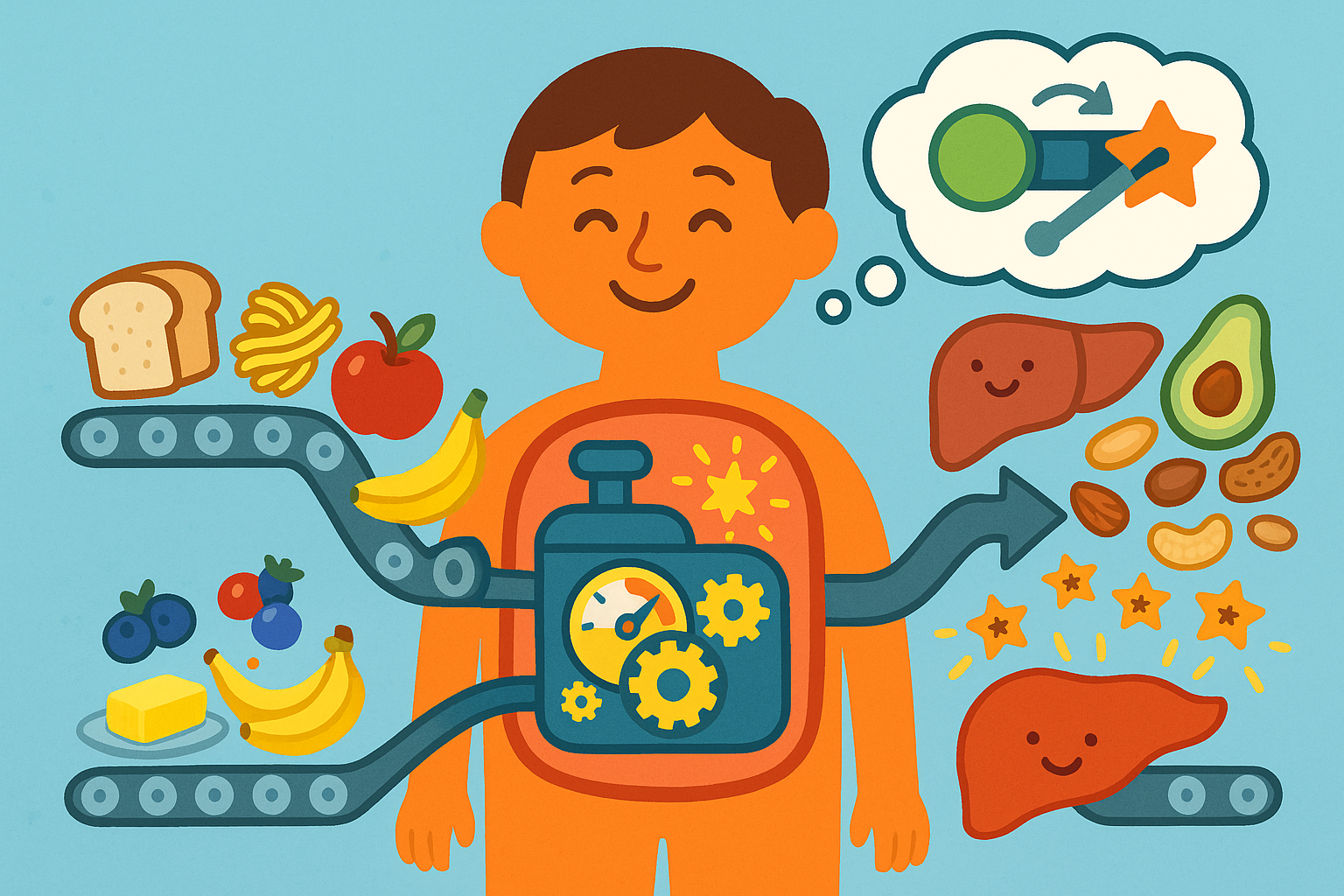
A 2021 review in Nutrients explains that ketone bodies do more than just provide energy. They act as powerful appetite suppressants. This is why many people on strict ketogenic diets report feeling less hungry, even when they are eating fewer calories. Related: Understanding Fat Metabolism: How Your Body Actually Stores and Burns Fat
What the Research Shows About Weight Loss
When it comes to weight loss, the science shows a distinct pattern. Ketogenic diets often produce faster results in the first few weeks, but those dramatic early results can be misleading.
A comprehensive 2021 review in Current Obesity Reports analyzed multiple dietary trials. The researchers noted that very-low-carbohydrate diets result in rapid initial weight loss. However, heavily controlled studies reveal that a large portion of this early weight loss is actually water weight and lean tissue, rather than body fat.
When you store carbohydrates in your muscles and liver, your body stores them alongside water. As you deplete those carbohydrate stores during the first few weeks of a keto diet, the attached water is flushed out of your system. This causes the scale to drop quickly.
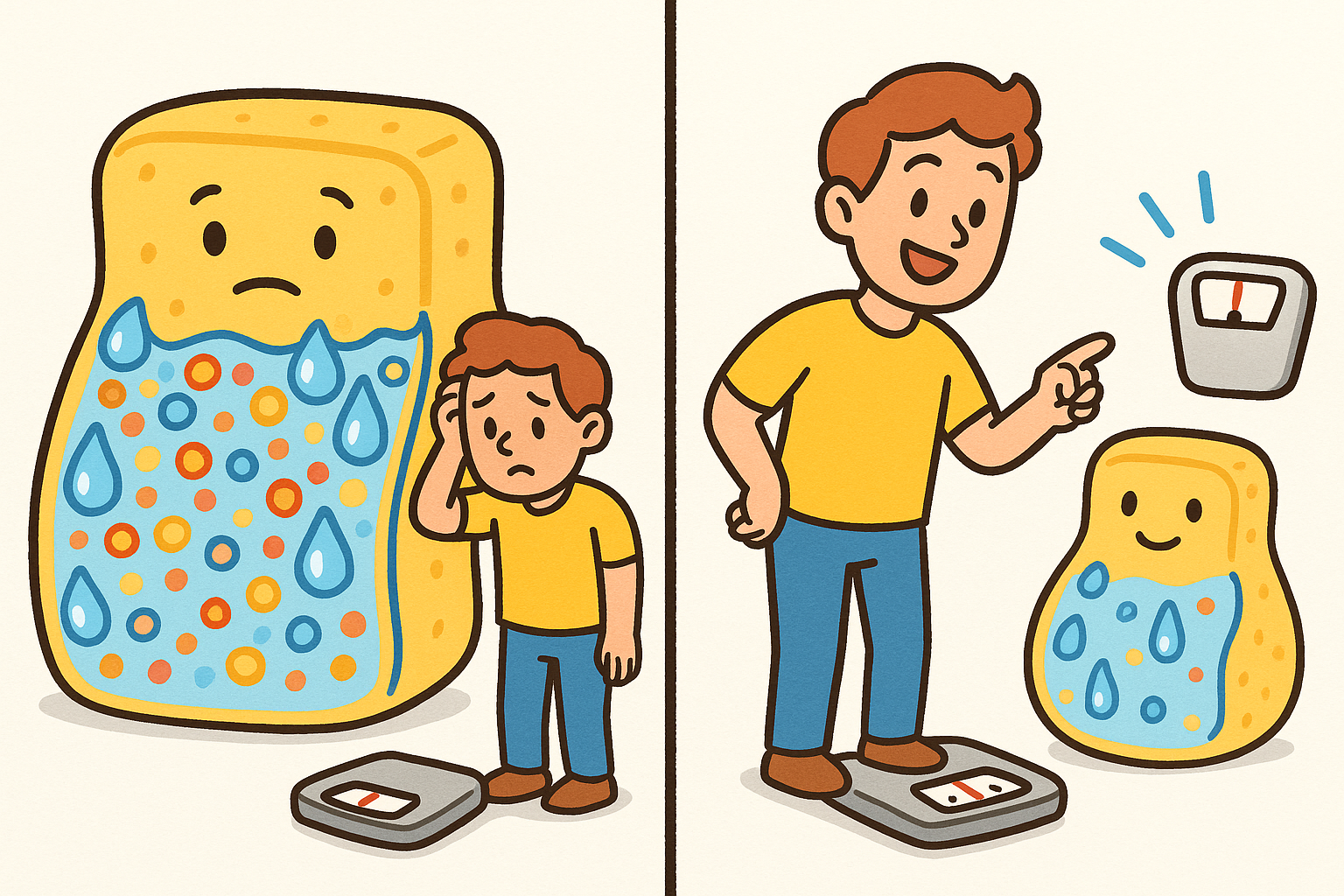
When researchers look at long-term weight loss (lasting one year or more), the gap between low-carb diets, keto diets, and standard low-fat diets practically disappears. The review concluded that for long-term weight management, low-carbohydrate diets are not scientifically superior to other healthy dietary patterns. The most important factor for weight loss is consistently eating fewer calories than you burn. Related: What Science Actually Says About Weight Loss and Obesity
Blood Sugar, Diabetes, and Liver Health
While weight loss results may even out over time, strict carbohydrate restriction shows unique benefits for specific metabolic conditions, particularly type 2 diabetes and fatty liver disease.
Type 2 diabetes is characterized by insulin resistance (IN-suh-lin ree-ZIS-tuhns), which is when your cells stop responding properly to the hormone that clears sugar from your blood. Because carbohydrates break down into blood sugar, restricting them directly lowers blood sugar levels.
A 2019 study in BMJ Open followed 262 patients with type 2 diabetes who participated in a digitally supported continuous care intervention. This program guided them to maintain nutritional ketosis for an entire year. The results were significant. Not only did 79 percent of the patients achieve meaningful weight loss, but they also saw dramatic improvements in their liver health.
Non-alcoholic fatty liver disease is a condition where excess fat builds up in the liver, often alongside type 2 diabetes. The researchers used surrogate markers to measure liver fat and scarring. After one year of the ketosis program, the patients showed significant reductions in liver fat scores and markers of advanced liver fibrosis. In contrast, a control group receiving standard care saw no such improvements. Related: How Prediabetes Affects Your Body and Type 2 Diabetes Risk
The Challenge of Sticking to the Diet
The biggest hurdle with any diet is adherence, and strict ketogenic diets are famously difficult to maintain in the modern world.
A 2025 study in Scientific Reports looked at the dietary habits of patients with psoriasis in Denmark. The researchers found that while many patients were motivated to eat healthy, only 3 percent actually followed a ketogenic or low-carb high-fat diet. This highlights how rare it is for people to maintain strict carbohydrate restriction in their everyday lives.
Part of this difficulty comes from our environment. A 2024 study in Nutrients surveyed adults in Saudi Arabia about their eating habits and social media use. The researchers found that nearly 80 percent of the participants had unhealthy eating behaviors. People who viewed food advertisements on social media daily were three times more likely to eat poorly. The constant digital marketing of highly processed, carbohydrate-heavy foods makes strict diets incredibly difficult to follow long-term.
Because of this, many people who attempt a strict keto diet eventually transition into a more moderate low-carbohydrate diet.
Who Benefits Most and Who Needs Caution
Based on current research, different approaches work for different populations.
Populations that may benefit from strict carbohydrate restriction (Keto):
- People with Type 2 Diabetes: Research consistently shows that very low-carb diets can lower blood sugar, reduce HbA1c levels, and decrease the need for diabetes medications.
- People with Fatty Liver Disease: Ketosis has been shown to reduce liver fat and improve liver enzyme markers.
Populations that need caution:
- People with high cholesterol: A major concern with ketogenic diets is the high intake of saturated fats. The 2021 review in Current Obesity Reports noted that while keto diets often improve triglycerides and HDL (good) cholesterol, they can also cause significant increases in LDL (bad) cholesterol.
- People looking for long-term, easy maintenance: Because keto requires eliminating entire food groups like fruits and whole grains, it can be socially restrictive and hard to sustain for years.
How This Compares To Alternatives: The Middle Ground
Because strict ketosis is hard to maintain, scientists are exploring ways to get the benefits of ketones without the extreme dietary restrictions.
In a fascinating 2024 animal study published in Anatomy & Cell Biology, researchers looked at a mouse model of a brain tumor called glioblastoma. Brain tumors rely heavily on glucose to grow, making ketogenic diets a popular subject in cancer research.
The researchers compared a strict ketogenic diet to a more moderate low-carb diet (an Atkins-type diet) that was supplemented with a synthetic ketone drink. They found that the moderate diet paired with the ketone supplement increased blood ketones and prolonged survival just as effectively as the strict ketogenic diet.
While this is an animal study and cannot be directly applied to humans, it shows that scientists are actively looking for alternative ways to achieve the biological benefits of ketosis without forcing patients to give up all carbohydrates.
Common Questions About Low Carb and Keto
Do I need to be in ketosis to lose weight?
No. Research shows that weight loss comes down to a calorie deficit. You can lose weight on a moderate low-carb diet, a low-fat diet, or a ketogenic diet, as long as you are consuming fewer calories than your body uses.
Is the keto diet safe long-term?
The scientific community is still uncertain about the safety of following a strict ketogenic diet for decades. While short-term studies (1 to 2 years) show metabolic benefits for people with diabetes, long-term data on heart health and gut microbiome diversity is still lacking.
What is the keto flu?
When you first restrict carbohydrates, your body flushes out water and electrolytes. This can cause headaches, fatigue, and nausea for a few days. This transition period is commonly referred to as the keto flu.
The Bottom Line
The science on carbohydrate restriction is clear, but it requires context.
If your goal is general weight loss, a moderate low-carbohydrate diet is likely easier to maintain and just as effective in the long run as a strict ketogenic diet. The dramatic early weight loss seen on keto is mostly water weight.
However, if you are managing a specific metabolic condition like type 2 diabetes or non-alcoholic fatty liver disease, a strict ketogenic diet has strong scientific backing for improving insulin sensitivity and reducing liver fat.
The most effective diet is ultimately the one that provides you with adequate nutrition and fits into your lifestyle well enough that you can maintain it for years, not just weeks.
Quick Reference: Key Studies
| Study Focus | Key Finding | Source |
|---|---|---|
| Weight Loss & Diabetes Review | Keto causes rapid initial water weight loss, but long-term weight loss is similar to other diets. It shows strong benefits for reducing diabetes medications. | PMID 34297345 |
| Liver Health & Ketosis | One year of a digitally supported ketosis program significantly reduced markers of fatty liver and liver fibrosis in patients with type 2 diabetes. | PMID 30803948 |
| Calorie Restriction vs Ketosis | Ketone bodies act as powerful appetite suppressants, which helps explain why people naturally eat fewer calories on a keto diet. | PMID 33920973 |
| Social Media & Diet Adherence | Frequent exposure to food advertisements on social media strongly correlates with unhealthy eating behaviors, making strict diets hard to maintain. | PMID 38674905 |
| Real-World Diet Adherence | In a clinical population of patients in Denmark, only 3 percent actually followed a strict ketogenic or low-carb high-fat diet. | PMID 41413143 |
| Ketone Supplements (Mice) | A moderate low-carb diet paired with a ketone supplement worked just as well as a strict keto diet for controlling brain tumors in mice. | PMID 38192123 |
Last updated: April 2026
This article synthesizes findings from peer-reviewed research. It is for educational purposes only and does not constitute medical advice. Consult a healthcare provider before starting any new regimen.


Leave a Reply