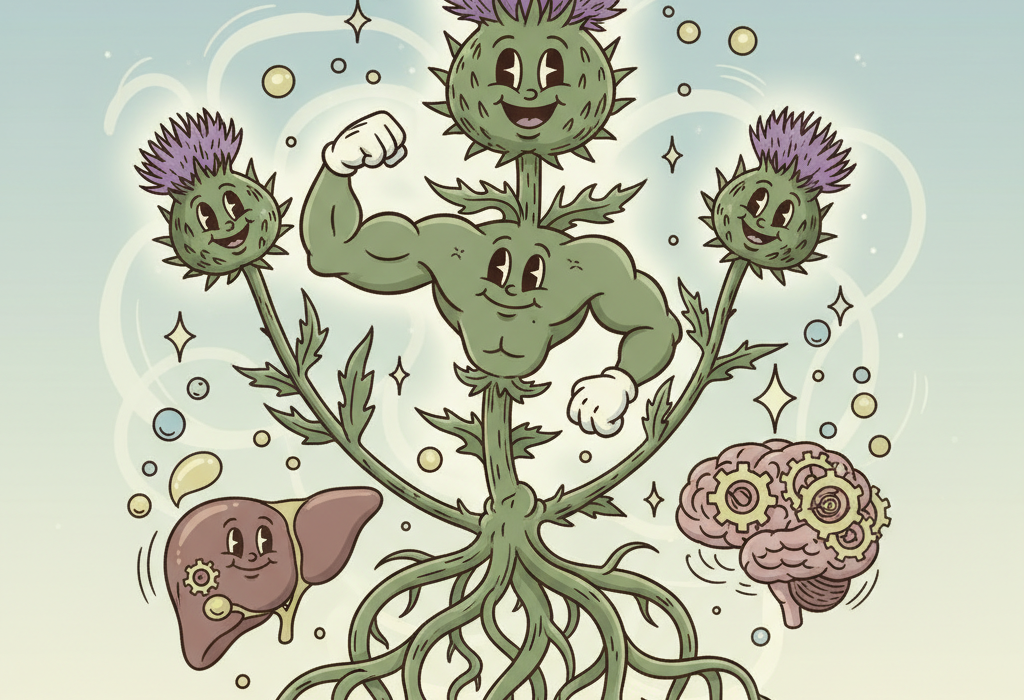
Milk thistle is one of the most popular herbal supplements in the world. You will often find it in the supplement aisle marketed as a “detox” aid or a liver protector. People take it after a heavy weekend of drinking, while taking harsh medications, or simply to support their general health.
But does a flower extract actually clean out your liver?
The scientific reality of milk thistle is fascinating, but it is not as simple as taking a pill and instantly healing your body. The core tension in milk thistle research is a classic problem in nutrition science. In a laboratory petri dish, the compounds in milk thistle are highly protective against cell damage. However, when a human swallows a standard milk thistle capsule, the body struggles to absorb it. Furthermore, recent agricultural studies have found that the plant itself is highly susceptible to mold contamination, meaning some poorly manufactured supplements could actually introduce toxins into the body.
This article will explore what peer-reviewed research actually shows about milk thistle, how it affects your liver and metabolism, and what you need to know about its absorption and safety.
Understanding the Active Ingredients
When scientists study milk thistle, they are usually looking at specific compounds extracted from the plant’s seeds.
- Silymarin (sill-ih-MAIR-in) is the main active extract from milk thistle seeds. It is actually a complex mixture of several different plant compounds.
- Silibinin (sill-ih-BIN-in) is the most abundant and biologically active component within silymarin. When you read about the health benefits of milk thistle, silibinin is usually the compound doing the heavy lifting.
Related: How Your Body Actually Detoxifies: The Science of Cellular Cleanup
How This Might Work: The Biology of Milk Thistle
To understand how milk thistle works, we have to look at how the liver gets damaged in the first place. The liver is your body’s primary filtration system. As it breaks down alcohol, medications, and environmental toxins, it generates harmful byproducts called reactive oxygen species.
You can think of reactive oxygen species like sparks flying from a grinding wheel. If there are too many sparks, they can start a fire. In the body, these “sparks” cause oxidative stress, which damages cells and leads to inflammation.
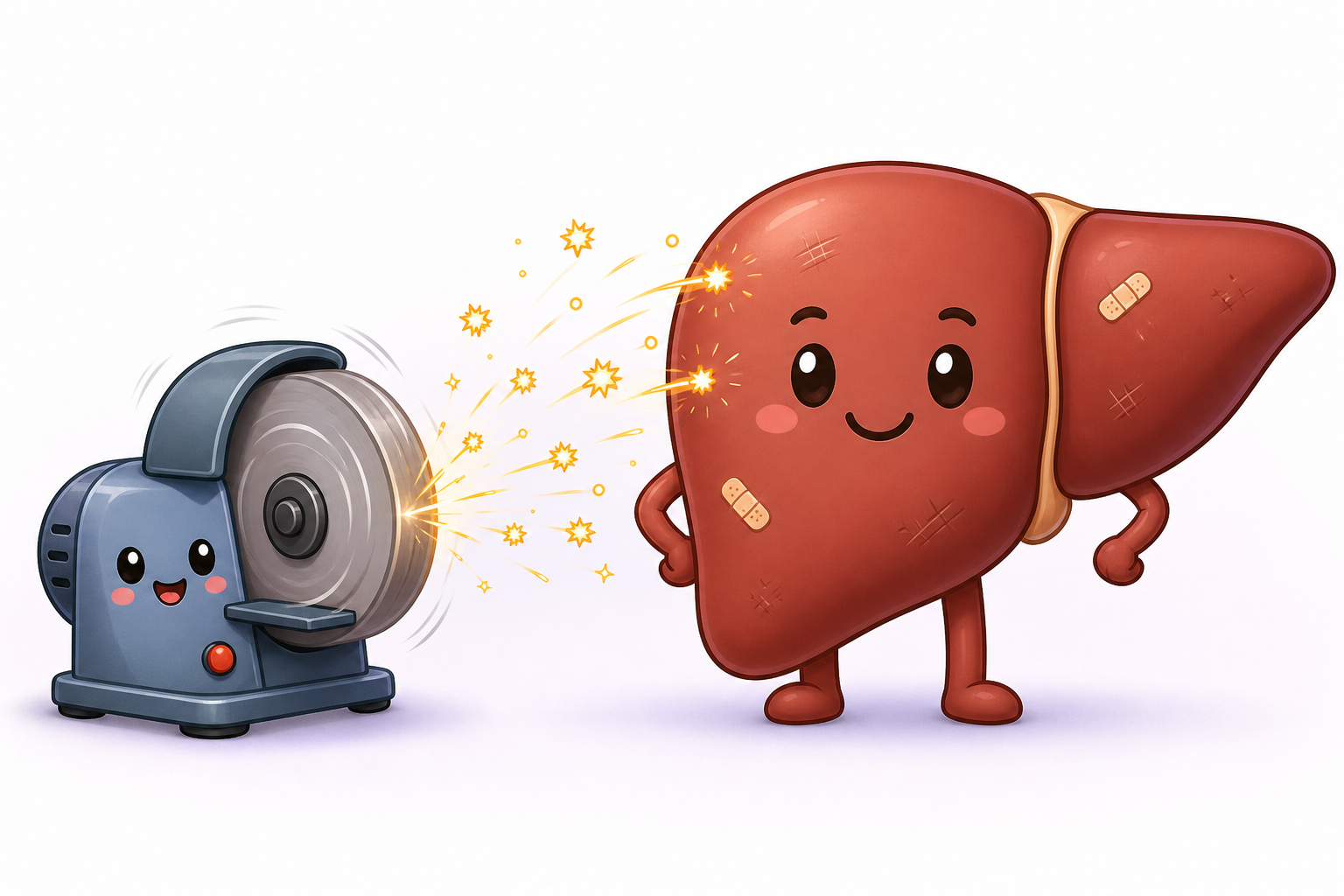
Research shows that silymarin acts as a shield against this damage in a few distinct ways:
1. It scavenges free radicals: A 2020 review in Advances in Therapy explains that silibinin acts as a potent antioxidant. It neutralizes reactive oxygen species before they can damage intact liver cells.
2. It boosts natural defenses: Silymarin helps the liver maintain its own supply of glutathione, which is the body’s master antioxidant.
3. It blocks toxins from entering cells: Silymarin can actually alter the outer membrane of liver cells, making it harder for certain toxins to get inside.
4. It reduces inflammation: Chronic inflammation eventually leads to liver scarring. Studies show silymarin inhibits inflammatory pathways, slowing down the progression of tissue damage.
What the Research Shows About Liver Health
Milk thistle has been studied extensively for various types of liver disease. The results show distinct benefits, though the effectiveness depends heavily on the stage of the disease.
Alcoholic Liver Disease and Cirrhosis
Cirrhosis is severe scarring of the liver, often caused by long-term alcohol use or chronic viral infections. Once liver tissue is completely scarred, it cannot be reversed. However, silymarin may help protect the remaining healthy tissue.
A landmark clinical trial published in Advances in Therapy analyzed data from 170 patients with cirrhosis. Half received 420 milligrams of a highly absorbable silymarin extract daily, while the other half received a placebo. After a median observation period of 41 months, the survival rate was significantly higher in the silymarin group (58 percent) compared to the placebo group (39 percent). The researchers noted that the treatment was most effective when started early, before the liver damage became too severe.
Animal studies support these protective effects. A long-term study on baboons fed a high-alcohol diet found that those given silymarin developed significantly less liver scarring (fibrosis) than those who consumed alcohol alone.
Non-Alcoholic Fatty Liver Disease (NAFLD)
Non-alcoholic fatty liver disease occurs when excess fat builds up in the liver, usually due to metabolic issues like obesity and insulin resistance. It is currently one of the leading causes of liver disease worldwide.
A 2024 triple-blind clinical trial in Clinical Nutrition ESPEN tested a combination tablet containing milk thistle, kudzu root, and red sage on 121 adults with NAFLD. After 24 weeks, the group taking the herbal combination showed a significant decrease in C-reactive protein (a major marker of inflammation in the body) compared to the placebo group. While the reduction in actual liver fat did not reach statistical significance, the reduction in systemic inflammation is a positive sign for metabolic health.
Surprising Benefits Beyond the Liver
Because milk thistle is such a potent antioxidant, researchers have begun testing it on other conditions related to inflammation and metabolic stress.
Blood Sugar and Diabetes Management
Insulin resistance is closely tied to liver health. When the liver is fatty or damaged, it struggles to help regulate blood sugar.
A 12-month study highlighted in a 2020 review looked at 60 patients who had both diabetes and alcoholic cirrhosis. The patients were given 600 milligrams of silymarin daily alongside their standard medical treatment. By the end of the year, the patients taking silymarin showed significant improvements in their fasting blood sugar and their hemoglobin A1c (a measure of long-term blood sugar control). Furthermore, their daily insulin requirements decreased compared to the control group.
Related: What Science Actually Says About Blood Sugar After Meals
Polycystic Ovary Syndrome (PCOS)
PCOS is a common hormonal disorder that causes irregular periods, ovarian cysts, and fertility challenges. It is heavily linked to insulin resistance and low-grade inflammation.
A 2022 review in Frontiers in Pharmacology analyzed herbal remedies for PCOS. The researchers highlighted a study where 60 women with PCOS were divided into three groups taking either milk thistle alone, the diabetes drug metformin alone, or a combination of both. After three months, the group taking the combination of milk thistle and metformin showed the most significant improvements in ovulation rates and progesterone levels.
Related: What Science Actually Says About PCOS and Pregnancy
Brain and Cellular Health
As we age, our brains are exposed to compounds called oxysterols, which are oxidized forms of cholesterol that can damage nerve cells. This damage is a contributing factor to neurodegenerative conditions.
A 2018 study in Antioxidants tested milk thistle seed oil on brain cells in a laboratory. The researchers exposed the cells to toxic oxysterols to simulate aging and disease. They found that milk thistle seed oil significantly reduced the toxicity, prevented mitochondrial dysfunction, and stopped the cells from dying. While this was a laboratory study on isolated cells, it highlights the broad protective nature of milk thistle compounds.
The Bioavailability Problem: Why Many Supplements Fail
Despite the impressive scientific findings, there is a major catch to taking milk thistle: your body does not easily absorb it.
- Bioavailability (by-oh-ah-vay-luh-BILL-ih-tee) is the proportion of a substance that actually enters your bloodstream to have an active effect.
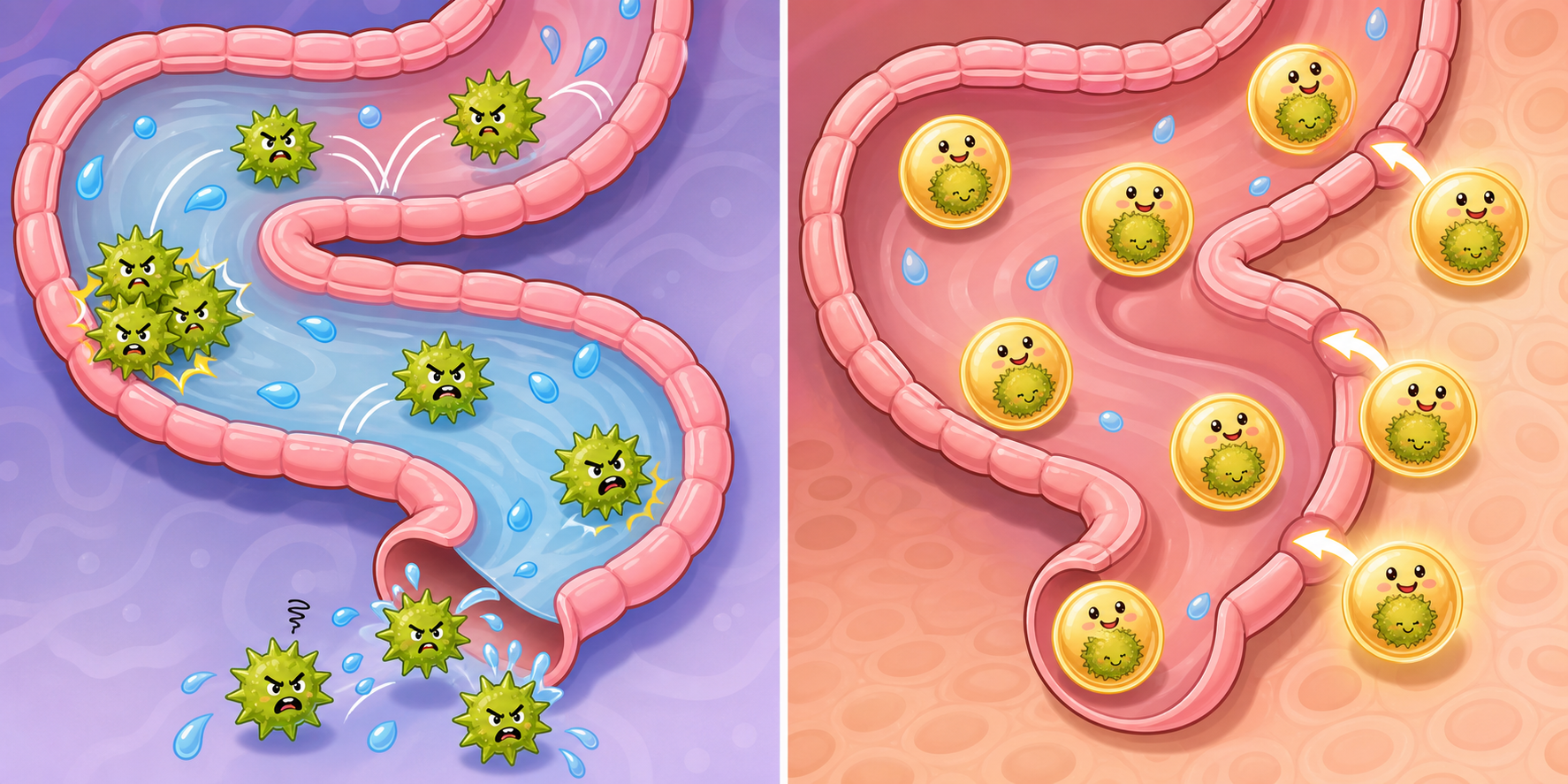
Silibinin is highly hydrophobic, meaning it repels water. Because our digestive tracts are water-based environments, crude milk thistle powder clumps up and passes through the body largely unabsorbed. A 2019 review in Nanomedicine notes that when you take a standard milk thistle capsule, only 20 to 50 percent of the active ingredients are actually absorbed by your gastrointestinal tract.
To solve this, pharmaceutical companies and researchers have developed new delivery systems. One common method is binding the silymarin to a fat molecule (like phosphatidylcholine) to create a “phytosome.” This acts like a Trojan horse, allowing the water-repelling silymarin to slide easily through the intestinal wall. Studies show these fat-bound formulations can increase absorption by several times compared to standard crude extracts.
When evaluating clinical trials that show positive results for liver survival, the researchers almost exclusively use these highly absorbable, standardized formulations (such as Eurosil 85) rather than basic ground seed powder.
A Hidden Risk: Mold and Mycotoxins
If you buy a cheap, low-quality milk thistle supplement, you might not just be getting poor absorption. You might actually be consuming liver toxins.
Milk thistle crops are notoriously difficult to harvest evenly. The flowers ripen at different times, which creates an ideal environment for moisture to build up and mold to grow. Specifically, milk thistle is prone to Fusarium mold, which produces harmful compounds called mycotoxins.

- Mycotoxins (my-co-TOX-ins) are toxic secondary metabolites produced by fungi. Two specific types, T-2 and HT-2, are known to suppress the immune system and cause direct damage to the liver.
A 2022 study in Toxins analyzed milk thistle crops harvested in the Czech Republic over two years. The researchers found that 100 percent of the samples were contaminated with T-2 and HT-2 mycotoxins. In some cases, the contamination levels were so high that consuming the standard daily dose of milk thistle seeds would exceed the European Union’s tolerable daily intake for these toxins by 600 percent.
A separate 2025 review in Mycotoxin Research confirmed that dietary supplements and herbal teas containing milk thistle frequently exceed safe limits for mycotoxins. This creates a terrible irony where people taking a supplement to heal their liver are unknowingly ingesting a potent liver toxin.
This makes it absolutely critical to purchase milk thistle products from reputable manufacturers that perform rigorous third-party testing for mold, heavy metals, and mycotoxins.
Who Benefits Or Needs Caution
Who might benefit:
- Individuals with early-stage alcoholic liver disease or non-alcoholic fatty liver disease.
- People managing insulin resistance or type 2 diabetes (alongside standard medical care).
- Women seeking complementary support for PCOS symptoms.
Who should be careful:
- People taking specific medications: The liver uses enzymes to break down prescription drugs. A 2017 study in Chemico-Biological Interactions found that milk thistle compounds can inhibit an enzyme called CYP2C8 in a laboratory setting. This enzyme helps clear certain diabetes and cholesterol medications from the body. While the researchers noted that standard milk thistle supplements likely do not absorb well enough to cause a real-world drug interaction, high-dose enhanced formulations (like phytosomes) potentially could. Always consult a doctor before mixing herbs with prescription drugs.
Common Questions About Milk Thistle
Does milk thistle cure a hangover?
No. While milk thistle supports the liver’s antioxidant capacity, it does not speed up the clearance of alcohol from your blood or instantly reverse the dehydration and inflammation that cause a hangover. It is a long-term supportive herb, not a quick fix.
Can I just drink milk thistle tea?
Milk thistle tea is largely ineffective for liver protection. Because the active ingredient (silymarin) is not water-soluble, brewing the seeds in hot water will not extract meaningful amounts of the beneficial compounds. Capsules or oil extracts are required for actual dosing.
Does milk thistle help with digestion?
Some animal research suggests milk thistle can influence gut health. A 2022 study in the Journal of Equine Veterinary Science found that feeding milk thistle seed cakes to horses improved their digestion of certain nutrients and lowered their stress hormones (cortisol) after exercise. However, human digestion relies more heavily on the liver’s bile production, which milk thistle indirectly supports.
The Bottom Line / Takeaways
- It is a proven antioxidant: Silymarin, the active compound in milk thistle, is a well-documented antioxidant that protects liver cells from free radical damage and inflammation.
- It supports liver and metabolic health: Clinical trials show it can improve liver enzyme levels, help manage blood sugar in diabetics, and potentially improve survival rates in early-stage cirrhosis.
- Absorption is a major hurdle: Standard milk thistle powder is poorly absorbed by the human body. Formulations that bind the extract to fats (phytosomes) are vastly superior.
- Quality matters immensely: Milk thistle crops are highly susceptible to toxic mold. Buying cheap, untested supplements can introduce liver-damaging mycotoxins into your body.
- It is a supportive tool, not a cure-all: Milk thistle can protect healthy liver cells, but it cannot bring dead liver tissue back to life or erase the effects of a poor diet and heavy alcohol use.
Quick Reference: Key Studies
| Study Focus | Key Finding | Source |
|---|---|---|
| Liver Disease & Cirrhosis | Silymarin treatment improved 4-year survival rates in patients with cirrhosis compared to a placebo. | PMID 32065376 |
| NAFLD & Inflammation | A combination of milk thistle, kudzu, and red sage significantly reduced C-reactive protein (inflammation) in adults with fatty liver. | PMID 38879879 |
| PCOS & Hormones | Combining milk thistle extract with metformin improved ovulation and progesterone levels in women with PCOS. | PMID 35924049 |
| Crop Contamination | 100% of tested milk thistle crops contained T-2 and HT-2 mycotoxins, highlighting the need for strict quality control. | PMID 35448867 |
| Drug Interactions | Milk thistle compounds inhibit the CYP2C8 enzyme in a lab setting, though standard supplements likely have too low absorption to cause real-world issues. | PMID 28457856 |
Last updated: May 2026
This article synthesizes findings from peer-reviewed research. It is for educational purposes only and does not constitute medical advice. Consult a healthcare provider before starting any new regimen.
Leave a Reply