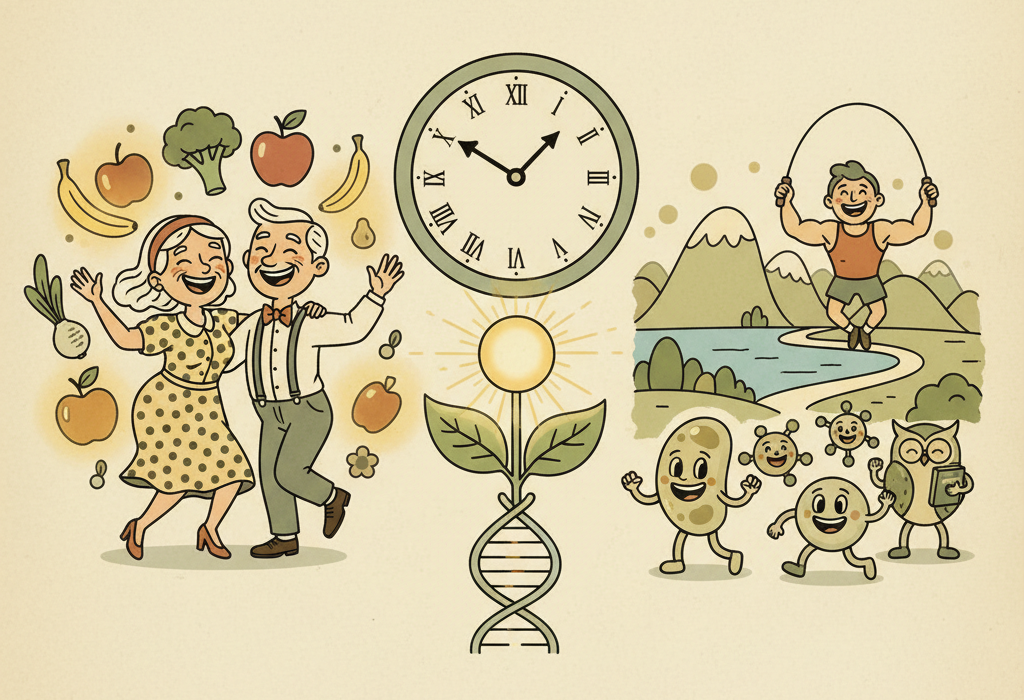
For decades, humans have searched for the secret to a long life. Today, science is showing us that the goal is not just adding years to our lives, but adding life to our years.
We often think of aging as a steady, unavoidable decline. However, a 2025 review in Aging Clinical and Experimental Research explains that aging is actually a flexible process. How we age is heavily influenced by our daily choices. Researchers now focus on a concept called healthspan (HELTH-span), which is the portion of your life spent in good health, free from chronic disease and disability.
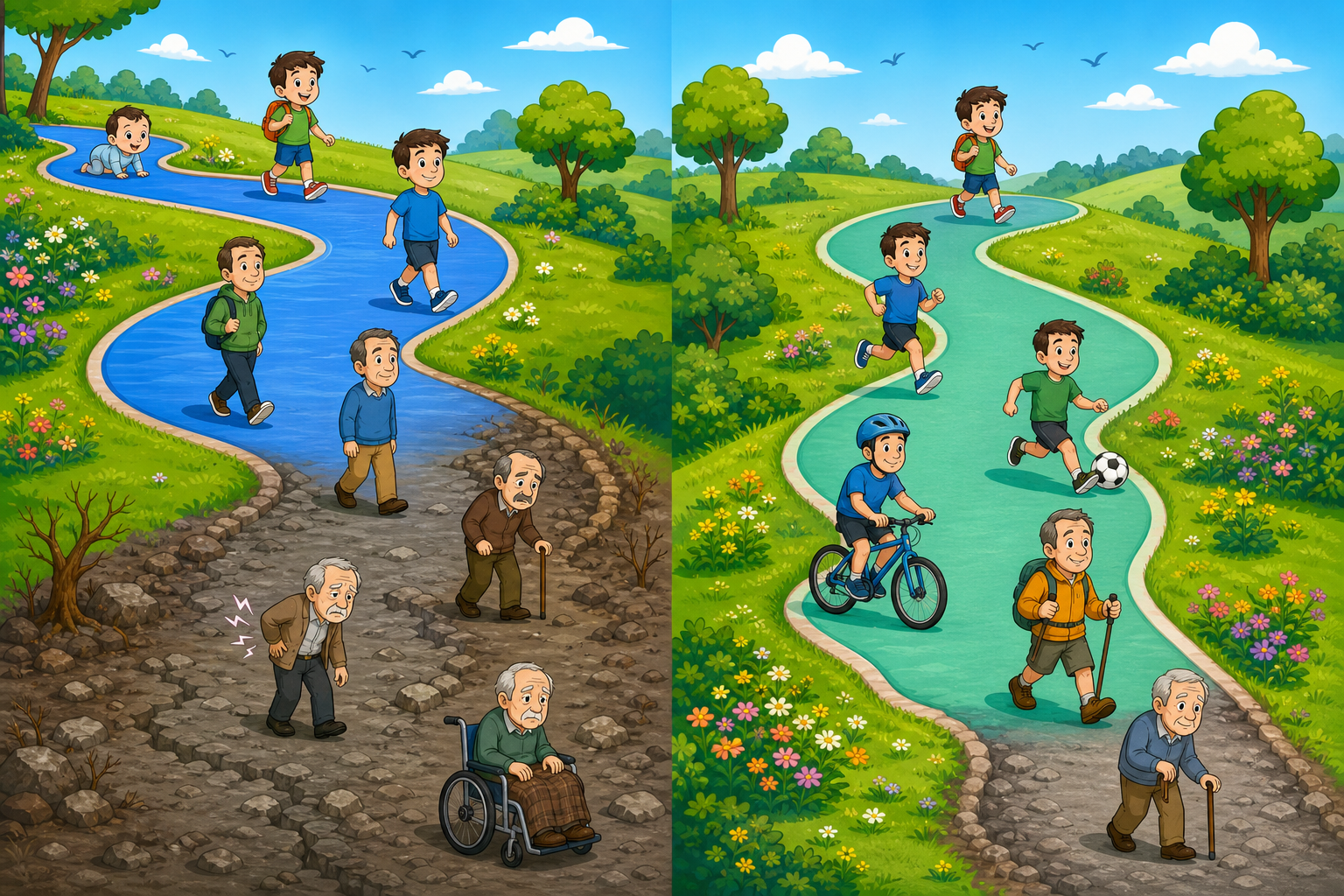
So, what actually works to increase our healthspan? By looking at populations that naturally live the longest and studying the biology of aging in the lab, scientists have identified clear patterns. Here is a breakdown of what the latest research tells us about healthy aging.
What the Research Shows About Diet and Longevity
When it comes to living a long, healthy life, what you eat matters immensely. A review in the Journal of Internal Medicine highlights that the quality of your food is far more important than strictly counting calories or grams of fat.
Populations with the highest numbers of centenarians (people who live to be 100 or older) tend to follow very similar eating patterns. These areas are often called “Blue Zones.” A 2025 study in Nutrients analyzed these regions and found that their diets share core features. They eat mostly plant-based foods, consume very little processed meat, and get plenty of healthy fats.
The Most Studied Dietary Patterns
Research consistently points to a few specific diets that promote longevity:
- The Mediterranean Diet: Rich in olive oil, nuts, whole grains, and fish. A 2022 review in Nutrients notes this diet lowers the risk of heart disease, diabetes, and cognitive decline.
- The Okinawa Diet: Originating in Japan, this diet is heavy in root vegetables (like purple sweet potatoes), soy, and seaweeds. It is naturally low in calories but highly nutritious.
- The Nordic Diet: Similar to the Mediterranean diet but relies on foods native to Northern Europe, such as canola oil, berries, cabbage, and rye.
These diets are all packed with polyphenols (pah-lee-FEE-nawls), which are natural plant compounds that reduce inflammation. Even your morning beverage can help. A 2025 review in GeroScience found that moderate coffee consumption (three cups a day) is linked to a lower risk of several cancers and better cardiometabolic health, largely due to its high polyphenol content.
The Power of Movement and Muscle
Exercise is perhaps the closest thing we have to an anti-aging pill. However, the type and intensity of movement matter.
Why Walking Pace Matters
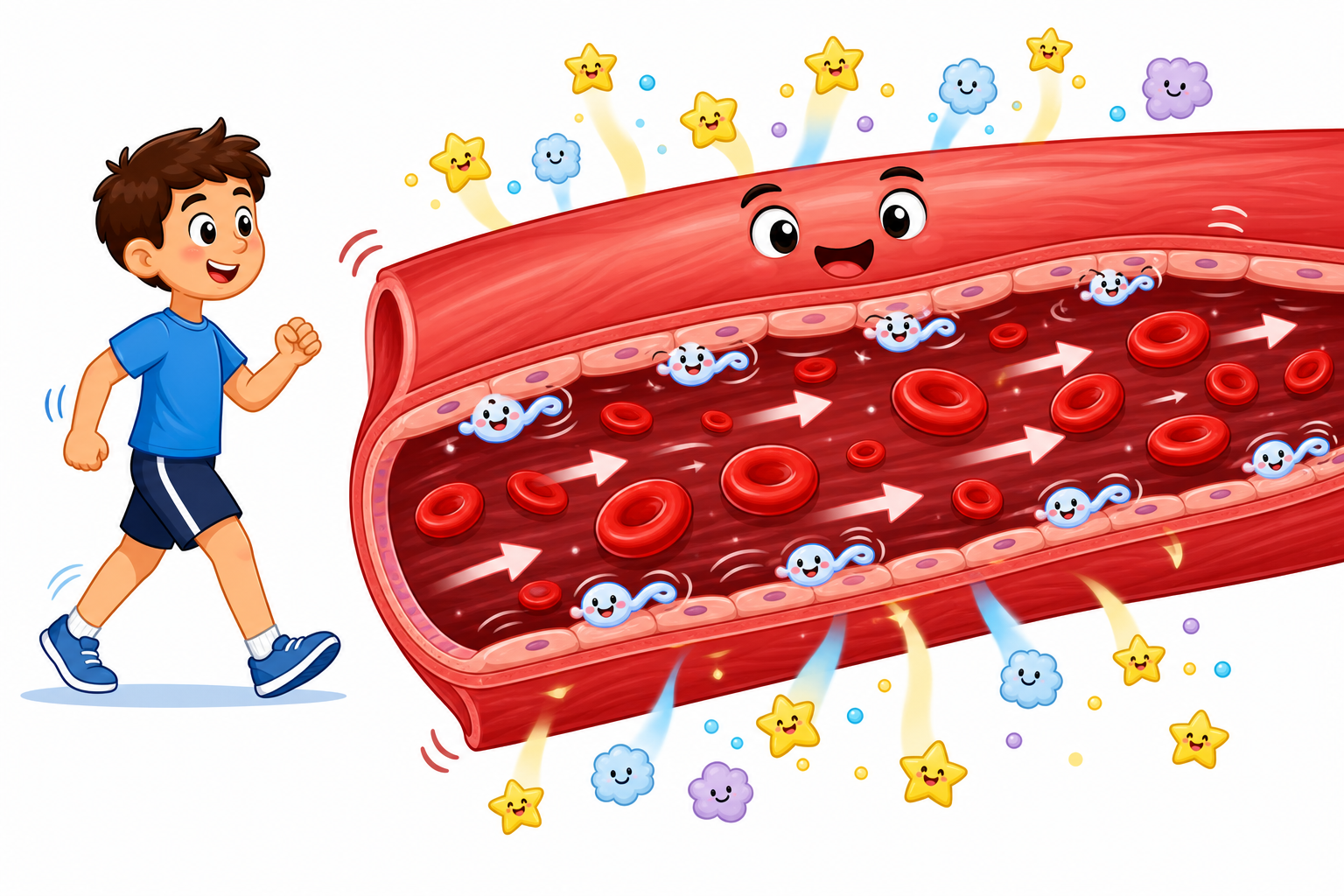
A review in GeroScience explored how walking impacts healthy aging. Researchers found that simply walking is highly beneficial, but picking up the pace offers even greater rewards. Brisk walking (about 100 steps per minute) significantly lowers the risk of heart disease, stroke, and dementia. Walking increases blood flow, which creates a healthy friction against the walls of your blood vessels. This friction tells your body to release nitric oxide, a molecule that keeps blood vessels flexible and healthy.
The Need for Resistance Training
While walking is excellent for the heart, it is not enough on its own. As we age, we naturally lose muscle mass and strength, a condition known as sarcopenia (sar-co-PEE-nee-uh).
According to research in The Journal of Nutrition, Health & Aging, progressive resistance training (lifting weights or doing bodyweight exercises) is vital for older adults. Muscle strength acts as a metabolic sink, helping the body manage blood sugar. Furthermore, a 2025 study in the Journal of the American Medical Directors Association tracked over 46,000 people and found that high cardiorespiratory fitness and strong muscles actually offset the risks of accelerated biological aging.
Related: The Science of Weight Training: How Resistance Exercise Changes Your Body
Timing Your Meals: The Science of Fasting
It is not just what you eat, but when you eat that affects how you age.
Scientists have long known that reducing calorie intake can extend the lifespan of animals. However, a 2024 study on circadian rhythms revealed a fascinating detail. Researchers tested mice on different feeding schedules. They found that simply cutting calories extended lifespan by about 10 percent. But when the mice ate those same reduced calories only during their naturally active hours (aligning with their circadian rhythm), their lifespan increased by 35 percent.
This suggests that eating in sync with your body’s internal clock, and giving your digestive system a long break overnight, provides a massive boost to cellular health.
How This Might Work: The Biology of Aging
To understand why these habits work, we have to look inside our cells. A 2024 review in Nutrients outlines several biological pathways that control how we age.
Think of your cells like a busy factory. When food is plentiful, the factory focuses on building and growing. This growth is controlled by a protein complex called mTORC1 (em-TOR-see-one). While growth is good, a factory that never stops for maintenance will eventually break down.
When we fast, exercise, or eat polyphenol-rich foods, we lower mTORC1 activity and activate a different sensor called AMPK. This flips the factory into “repair mode.” The cells stop growing and start cleaning up waste. This cleanup process is called autophagy (aw-TOFF-uh-gee). By regularly triggering autophagy through exercise and overnight fasting, we clear out damaged cell parts before they can cause disease.

Blood Vessels and Inflammation
Another major factor in aging is the health of our blood vessels. A study in Science found that as we age, our bodies produce less of a signal called VEGF, which is needed to maintain tiny blood vessels (capillaries). When capillaries die off, our organs get less oxygen and nutrients. Exercise directly stimulates VEGF production, helping to keep our tissues young and well-supplied with blood.
Finally, aging is often accompanied by a slow, steady increase in inflammation. This happens when damaged cells stop dividing but refuse to die. These “zombie cells” undergo senescence (suh-NES-uhns) and leak inflammatory chemicals. Diets rich in antioxidants, combined with regular exercise, help the immune system clear out these senescent cells.
Who Benefits Or Needs Caution
While lifestyle changes benefit almost everyone, some populations need to be careful:
- Older Adults at Risk of Frailty: While fasting and calorie restriction show promise in the lab, older adults are at a high risk for muscle loss and malnutrition. A 2025 systematic review notes that adequate protein intake is critical for older adults to prevent frailty. Severe fasting may do more harm than good in this group.
- People with Chronic Conditions: Anyone with diabetes, heart disease, or a history of eating disorders should consult a doctor before attempting intermittent fasting or drastic dietary changes.
Practical Guidance for Healthy Aging
Based on the consensus of these research papers, here are actionable steps to support a long, healthy life:
1. Prioritize Plant Proteins and Healthy Fats: Shift your diet toward the Mediterranean model. Focus on beans, lentils, nuts, olive oil, and fish. Limit red meat and heavily processed foods.
2. Walk Briskly and Lift Weights: Aim for at least 30 minutes of brisk walking most days of the week. Add resistance training (like squats, push-ups, or lifting weights) two to three times a week to preserve muscle mass.
3. Sync Meals with Your Body Clock: Try to eat your meals during daylight hours. Stop eating a few hours before bed to give your body a 12 to 14-hour fasting window overnight, which encourages cellular repair.
4. Protect Your Sleep: A 2025 systematic review confirmed that 7 to 8 hours of restorative sleep is strongly linked to a lower risk of cognitive decline.
5. Stay Socially Connected: The Blue Zones research shows that strong community ties and a sense of purpose are just as important as diet and exercise for longevity.
Common Questions About Healthy Aging
Do I have to eat less to live longer?
Not necessarily. While calorie restriction works in animal studies, it is difficult and sometimes unsafe for humans to maintain long-term. Research shows that improving the quality of your food (eating whole, plant-based foods) and practicing a gentle overnight fast (12-14 hours) can provide similar cellular benefits without the need to starve yourself.
Is walking enough exercise as I get older?
Walking is fantastic for your heart, brain, and blood vessels, but it is not a complete routine. Because aging causes a natural loss of muscle and bone density, you must also include resistance training to stay strong and prevent falls.
Can genetics override my lifestyle choices?
Genetics play a role, but they are not your destiny. For example, some people carry variants of the TOMM40 gene, which affects mitochondrial health. However, lifestyle habits like diet and exercise can influence how your genes behave, often offsetting genetic risks.
The Bottom Line / Takeaways
The science of healthy aging shows that our daily habits have a profound impact on how our bodies age at the cellular level.
- What we know: A diet rich in whole plants and healthy fats, combined with brisk walking, resistance training, and quality sleep, significantly reduces the risk of chronic disease. Eating in alignment with your natural body clock (circadian rhythm) further boosts cellular repair.
- What remains uncertain: Scientists are still figuring out the exact “dose” of fasting that works best for humans, and how different genetic profiles respond to specific diets.
- Confidence level: The evidence supporting the Mediterranean diet, regular physical activity, and social connection is exceptionally strong, backed by decades of human data and biological research.
By focusing on these core pillars, we can improve our chances of not just living a long life, but living a vibrant, active one.
Quick Reference: Key Studies
| Study Focus | Key Finding | Source |
|---|---|---|
| Public Health & Aging | Healthy aging relies on maintaining intrinsic capacity through diet, exercise, and social support. | PMID 40244306 |
| Exercise Recommendations | High cardiorespiratory fitness and muscle strength offset the risks of accelerated biological aging. | PMID 40789340 |
| Dietary Patterns | Mediterranean, Nordic, and Okinawa diets share common elements that promote longevity and reduce disease risk. | PMID 37867396 |
| Fasting & Circadian Rhythm | Caloric restriction combined with eating only during active hours increases lifespan by 35% in mice. | PMID 39110402 |
| Walking Benefits | Brisk walking significantly reduces the risk of cardiovascular disease, stroke, and dementia. | PMID 37495893 |
| Lifestyle Interventions | Meta-analysis confirms diet, exercise, sleep, and social connections are primary drivers of healthspan. | PMID 41289530 |
Last updated: June 2026
This article synthesizes findings from peer-reviewed research. It is for educational purposes only and does not constitute medical advice. Consult a healthcare provider before starting any new regimen.
Leave a Reply