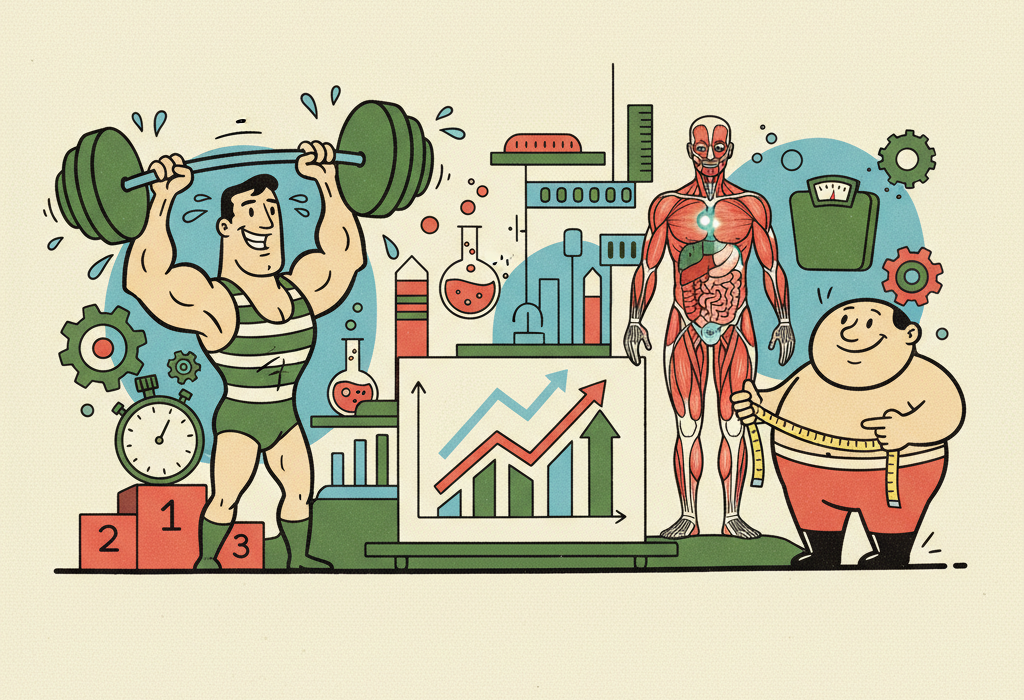
Stepping on a bathroom scale tells you your total body weight, but it hides the most important details about your health. Your body is like a house. Two houses might weigh the exact same amount, but one could be built with sturdy brick and steel, while the other is made of fragile glass and wood. In human terms, this is the difference between muscle, bone, and fat.
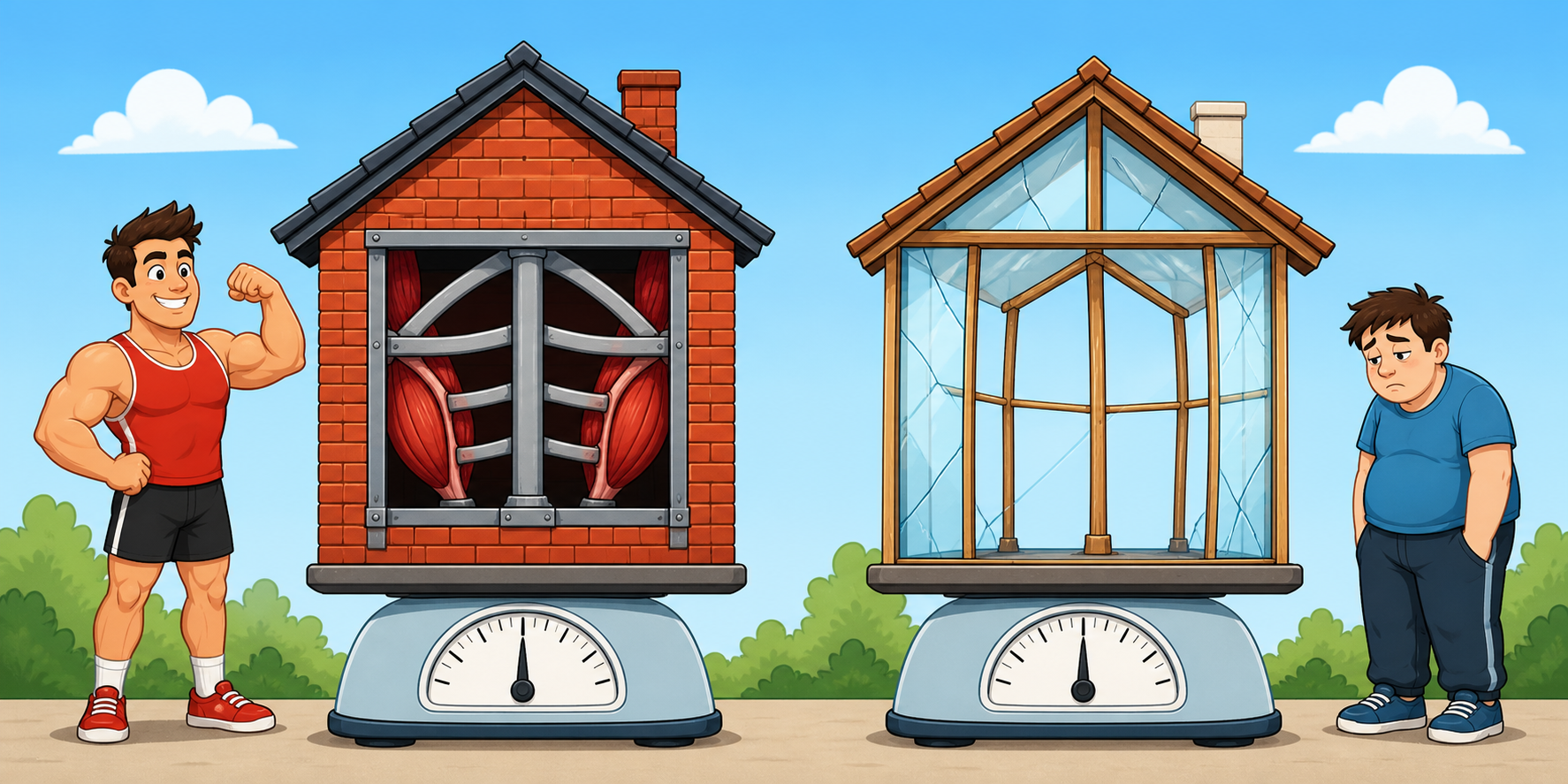
Body composition refers to the percentage of fat, bone, and muscle in your body. For decades, doctors relied heavily on Body Mass Index (BMI) to determine health. However, modern science shows that how your weight is distributed matters far more than the total number on the scale.
Whether you are an older adult trying to maintain your independence, an active person curious about intermittent fasting, or someone managing a medical condition, understanding body composition is vital. This article explores what recent peer-reviewed research actually says about how exercise, diet, and medical treatments change your body, and why building muscle is just as important as losing fat.
Why Body Composition Matters More Than BMI
Body Mass Index calculates your weight relative to your height. While it is a quick tool for large populations, it cannot tell the difference between a pound of muscle and a pound of fat.
A 2020 study in the Journal of Clinical Rheumatology looked at people with knee osteoarthritis. The researchers wanted to know if physical performance (like walking speed and standing up from a chair) was tied to BMI or actual body composition. They found that individuals with a lower percentage of body fat and a higher percentage of lean muscle performed significantly better on physical tests, regardless of their BMI. In fact, when the researchers accounted for body composition, BMI alone did not significantly affect physical performance.
This distinction becomes critical as we age. Aging naturally leads to a condition called sarcopenia (sar-koh-PEE-nee-uh), which is the age-related loss of muscle mass and strength. When muscle loss is combined with bone loss, it is called osteosarcopenia (ah-stee-oh-sar-koh-PEE-nee-uh).
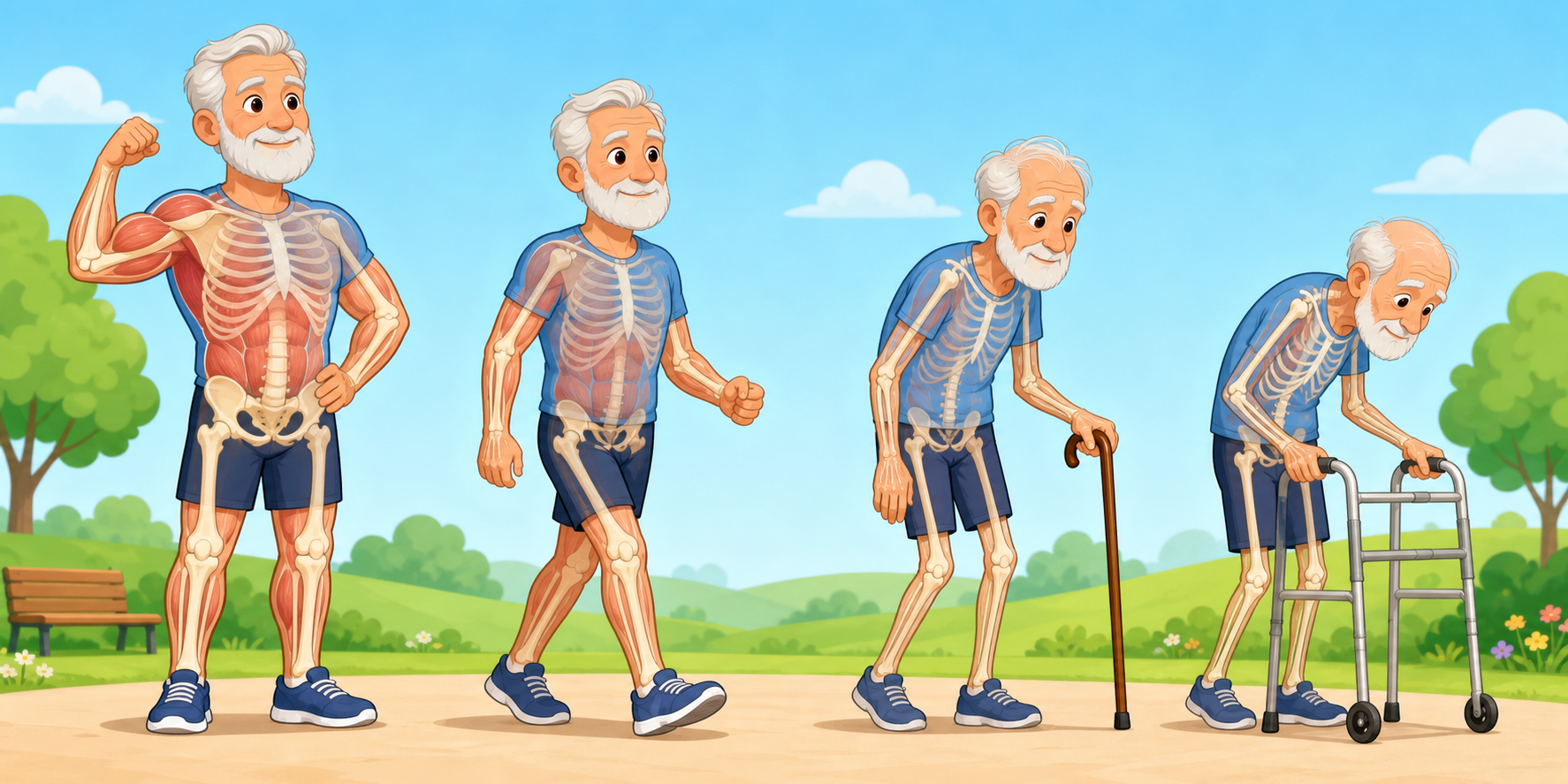
To accurately diagnose these conditions, doctors are increasingly turning to medical imaging. A 2022 review in La Radiologia Medica explains that while DXA scans (bone density scans) are the standard for measuring muscle and fat, advanced imaging like CT scans and MRI can actually show the quality of the muscle. These scans reveal when fat begins to infiltrate muscle tissue, a process that weakens the muscle and reduces physical function.
What the Research Shows About Exercise
When it comes to changing your body composition and improving physical performance, not all exercise is created equal.
Heavy Lifting for Bone and Muscle
For a long time, doctors advised older adults with low bone density to stick to gentle, low-impact exercises like walking or light stretching. The fear was that heavy lifting might cause fractures. However, a landmark 2018 study in the Journal of Bone and Mineral Research challenged this assumption.
The LIFTMOR trial studied 101 postmenopausal women with low bone mass (osteopenia and osteoporosis). Half of the women did a home-based, low-intensity exercise program. The other half participated in High-Intensity Resistance and Impact Training (HiRIT). The HiRIT group performed heavy lifts, including deadlifts and squats at 85 percent of their maximum ability, under strict professional supervision.
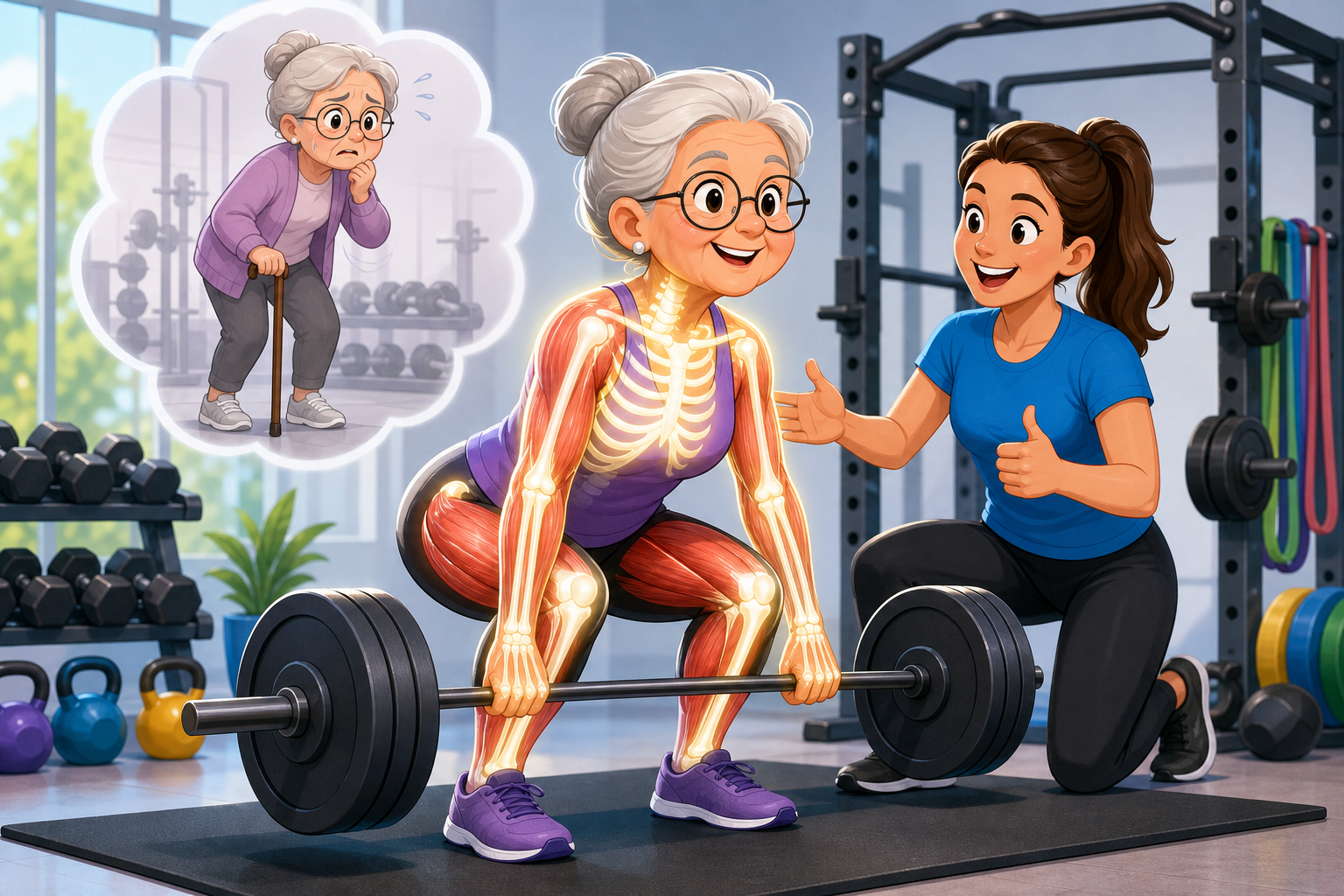
The results were clear. The women lifting heavy weights saw significant improvements in bone mineral density in their lumbar spine and femoral neck (hip). They also grew taller by a fraction of a centimeter due to improved posture, and their physical performance skyrocketed. Most importantly, there were no fractures or major injuries reported in the heavy lifting group, proving that supervised heavy resistance training is safe and effective for aging bones.
The Science of Weight Training: How Resistance Exercise Changes Your Body
Weight Loss and Muscle Preservation
When people lose weight, they often lose muscle alongside fat. This is especially dangerous for older adults. A 2025 study in the Journal of Cachexia, Sarcopenia and Muscle looked at older adults with obesity who were placed on a weight-loss diet. The participants were split into two groups: one doing aerobic training and the other doing high-intensity resistance training.
Both groups lost a similar amount of weight and fat. However, the resistance training group saw significant improvements in their walking speed, handgrip strength, and overall physical performance. The aerobic group did not see these same functional gains.
Similarly, a 2019 meta-analysis in Nutrients reviewed multiple studies on adults with sarcopenic obesity (having both low muscle and high body fat). The researchers concluded that while aerobic exercise is great for losing total body weight, resistance training is absolutely essential for improving muscle strength.
Elastic Band Training
You do not necessarily need heavy iron weights to see benefits. A 2024 review in Experimental Gerontology analyzed studies on elastic band training in older adults. The researchers found that training with resistance bands significantly improved physical performance, helping older adults stand up from a chair faster and improving their mobility. Another 2025 review in Nutrients found that elastic band training successfully reduced body fat percentage in older people with osteosarcopenia.
How Nutrition and Fasting Shape Your Body
Exercise provides the signal for your body to change, but nutrition provides the building blocks.
The Role of Protein
To build or maintain muscle, your body requires adequate protein. A 2025 scoping review in Nutrients looked at master athletes (older adults who compete in sports). The research suggests that older athletes may benefit from higher protein intakes than the standard recommended daily allowance. The studies reviewed showed that higher protein intake was linked to greater muscle strength and more favorable body composition.
However, protein alone is not magic. The 2019 meta-analysis in Nutrients found that placing older adults on a low-calorie, high-protein diet helped them lose fat, but it did not automatically improve their muscle mass or grip strength. Without the stimulus of resistance exercise, extra protein does not translate into better physical performance.
Intermittent Fasting and High-Intensity Training
Intermittent fasting involves cycling between periods of eating and fasting. A 2021 study in the International Journal of Environmental Research and Public Health investigated what happens when active women combine intermittent fasting with High-Intensity Interval Training (HIIT).
The researchers had women perform HIIT workouts for eight weeks. Half the group ate normally, while the other half followed a time-restricted eating window. The women who combined HIIT with intermittent fasting lost significantly more fat mass and improved their vertical jump height more than the women who only did the exercise. The researchers noted that intermittent fasting might help the body become more flexible at burning fat for fuel.
Intermittent Fasting: What the Latest Science Actually Says
Omega-3 Supplements
Certain supplements may also gently support body composition changes. A 2024 trial in Nutrients tested whether a supplement rich in Omega-3 and Omega-6 fatty acids, along with antioxidant vitamins, could boost the effects of high-intensity functional training. After eight weeks, the group taking the supplement saw a small but significant increase in muscle mass and a reduction in body fat compared to the placebo group. Both groups improved their cardiovascular fitness and strength equally, showing that the hard work of exercise drives the main benefits, while supplements offer a minor supportive role.
How Medications and Illness Affect Muscle and Fat
Sometimes, body composition changes are driven by medical treatments or illnesses. Understanding how these factors affect muscle and fat can help patients take proactive steps.
Hormone Therapies
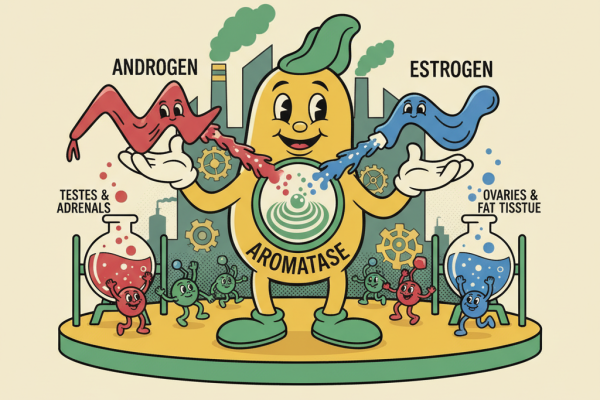
Hormones play a massive role in telling the body where to store fat and how much muscle to build. This is clearly seen in medical treatments that alter hormone levels.
For example, Androgen Deprivation Therapy (ADT) is a common treatment for prostate cancer. It works by suppressing testosterone, which unfortunately leads to rapid muscle loss and fat gain. A 2020 review in Seminars in Oncology Nursing looked at how exercise helps combat these side effects. The review found that resistance training, as well as sports that involve sprinting (like small-sided football games), were highly effective at preserving bone density and lean muscle mass in prostate cancer patients undergoing ADT.
Similarly, a 2024 review in The Journal of Clinical Endocrinology and Metabolism examined how Gender-Affirming Hormone Therapy (GAHT) affects physical performance. The research shows that trans men starting testosterone gain muscle mass and strength, reaching physical performance levels similar to cisgender men within one to three years. Conversely, trans women starting feminizing hormones experience a decrease in muscle mass and an increase in fat mass. After two to four years, their relative physical performance largely aligns with cisgender women, though some statistical differences in specific upper body strength tests (like push-ups) may remain slightly longer.
Weight Loss Drugs and Bariatric Surgery
Modern medicine offers powerful tools for weight loss, but they come with body composition challenges.
Bariatric surgeries, such as Sleeve Gastrectomy and Roux-en-Y gastric bypass, result in massive weight loss. However, a 2022 study in Obesity Surgery found that patients undergoing these procedures are at a high risk for sarcopenia because they lose significant muscle mass alongside the fat. The researchers noted that patients must actively work to preserve their physical performance after surgery.
Newer pharmacological treatments are also being studied. A 2024 meta-analysis in Aging Clinical and Experimental Research looked at a drug called bimagrumab. Unlike traditional weight-loss drugs, bimagrumab specifically promotes muscle growth while reducing fat. The studies showed that patients taking the drug significantly increased their thigh muscle volume and fat-free mass. Surprisingly, however, this increase in muscle size did not translate into better grip strength or walking speed for most patients. This highlights a fascinating scientific reality: having larger muscles does not automatically make you stronger or more functional. Your nervous system still needs the stimulus of exercise to learn how to use that muscle effectively.
GLP-1 Weight Loss Drugs: What Real-World Results Actually Show
Viral Illness and Recovery
Severe illness can also alter body composition. A 2024 study in the American Journal of Physical Medicine & Rehabilitation followed patients one year after they recovered from COVID-19. While overall physical recovery was generally good, patients who had severe cases requiring intensive care were much more likely to have gained body fat and performed worse on walking tests a year later. This underscores the need for structured physical rehabilitation after prolonged hospital stays.
Common Questions About Body Composition and Performance
Does aerobic exercise build muscle?
No. While aerobic exercise (like jogging or cycling) is excellent for heart health and burning calories, research consistently shows it is not enough to build or preserve muscle mass. Resistance training is required to strengthen muscles and bones.
Is heavy lifting safe for older adults with low bone density?
Yes, when done correctly. Studies like the LIFTMOR trial demonstrate that supervised, high-intensity resistance training is not only safe for older adults with osteopenia and osteoporosis, but it is actually one of the most effective ways to build bone density and prevent falls.
Will eating more protein automatically make me stronger?
No. While a high-protein diet can help you lose fat and preserve the muscle you already have, protein alone does not build strength. Your muscles require the physical stress of resistance training to grow stronger.
The Bottom Line
Stepping on a scale provides an incomplete picture of your health. The science of body composition shows that the ratio of muscle, bone, and fat in your body dictates how well you move, how resilient you are to injury, and how you age.
Based on the latest research, several key takeaways emerge:
- BMI is not the whole story: Having a lower body fat percentage and higher lean muscle mass predicts physical performance much better than BMI alone.
- Resistance training is essential: Whether using heavy weights or elastic bands, challenging your muscles is the only reliable way to build strength and preserve bone density as you age.
- Diet supports the work: Intermittent fasting and high-protein diets can help your body burn fat more efficiently, but they cannot replace the functional benefits of exercise.
- Medical changes require physical action: Whether you are taking hormone therapy, recovering from a severe illness, or undergoing weight-loss treatments, proactive exercise is required to ensure your body maintains its strength and physical ability.
Building a healthy body is less about shrinking the number on the scale and more about building a sturdy, capable foundation that allows you to live actively.
Quick Reference: Key Studies
| Study Focus | Key Finding | Source |
|---|---|---|
| Heavy Lifting & Osteoporosis | High-intensity resistance training safely improved bone density and physical function in postmenopausal women with low bone mass. | PMID 28975661 |
| Knee Osteoarthritis & BMI | Lower body fat and higher lean mass predicted better physical performance, independent of BMI. | PMID 30724754 |
| Weight Loss & Muscle Preservation | Older adults losing weight maintained better physical function when doing resistance training compared to aerobic training. | PMID 40205689 |
| Intermittent Fasting & HIIT | Combining intermittent fasting with high-intensity interval training resulted in more fat loss and better jump performance in active women. | PMID 34198554 |
| Hormone Therapy & Performance | Trans men gained strength, while trans women lost muscle and gained fat, with physical performance largely aligning with cisgender peers after 2-4 years. | PMID 37437247 |
| Bimagrumab & Muscle Growth | A new drug increased muscle volume and decreased fat mass, but did not significantly improve physical strength or walking speed. | PMID 39251484 |
Last updated: September 2026
This article synthesizes findings from peer-reviewed research. It is for educational purposes only and does not constitute medical advice. Consult a healthcare provider before starting any new regimen.

Leave a Reply