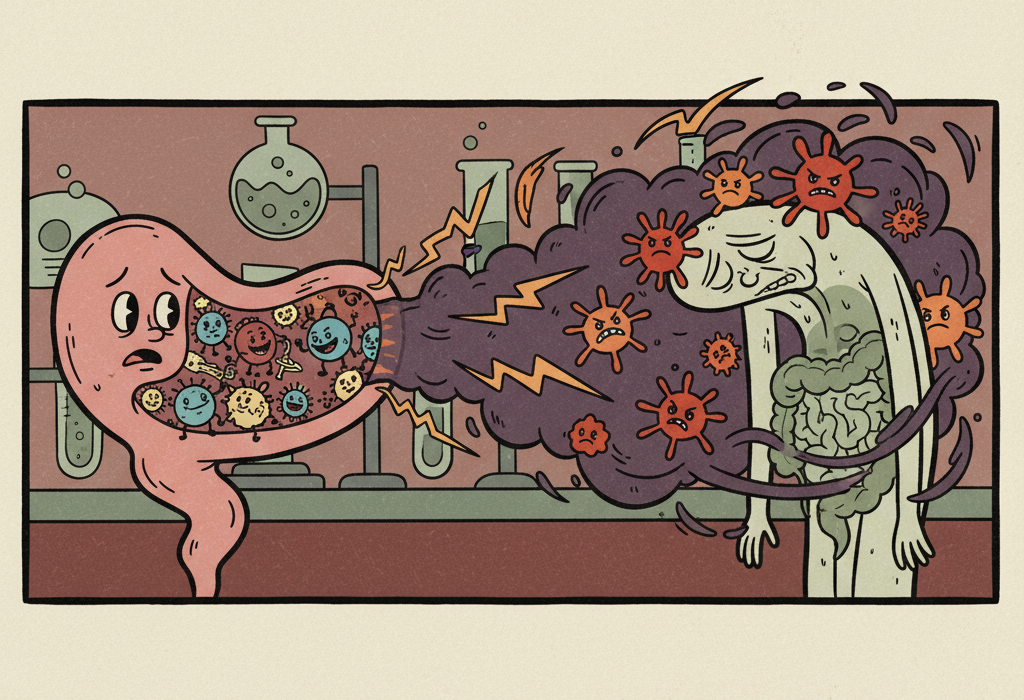
Your cells are like tiny engines. To keep you alive, they constantly burn fuel. Just like a car engine produces exhaust, your cells produce a type of biological exhaust. This exhaust is made up of unstable molecules called reactive oxygen species (ree-AK-tiv OX-ih-jen SPEE-sheez), or ROS.
In small amounts, ROS are completely normal. Your body uses them to fight off infections and send signals between cells. However, if your body produces too much of this exhaust, or if your natural “clean-up crew” of antioxidants cannot keep up, you experience a state called oxidative stress (OX-ih-day-tiv stress). Over time, oxidative stress rusts your cells from the inside out, damaging your DNA, proteins, and tissues.

For a long time, scientists viewed oxidative stress as a localized problem. If you had a liver issue, researchers looked for oxidative stress in the liver. If you had skin problems, they looked at the skin. But recent science has revealed a fascinating plot twist. The master control center for oxidative stress might actually sit in your digestive tract.
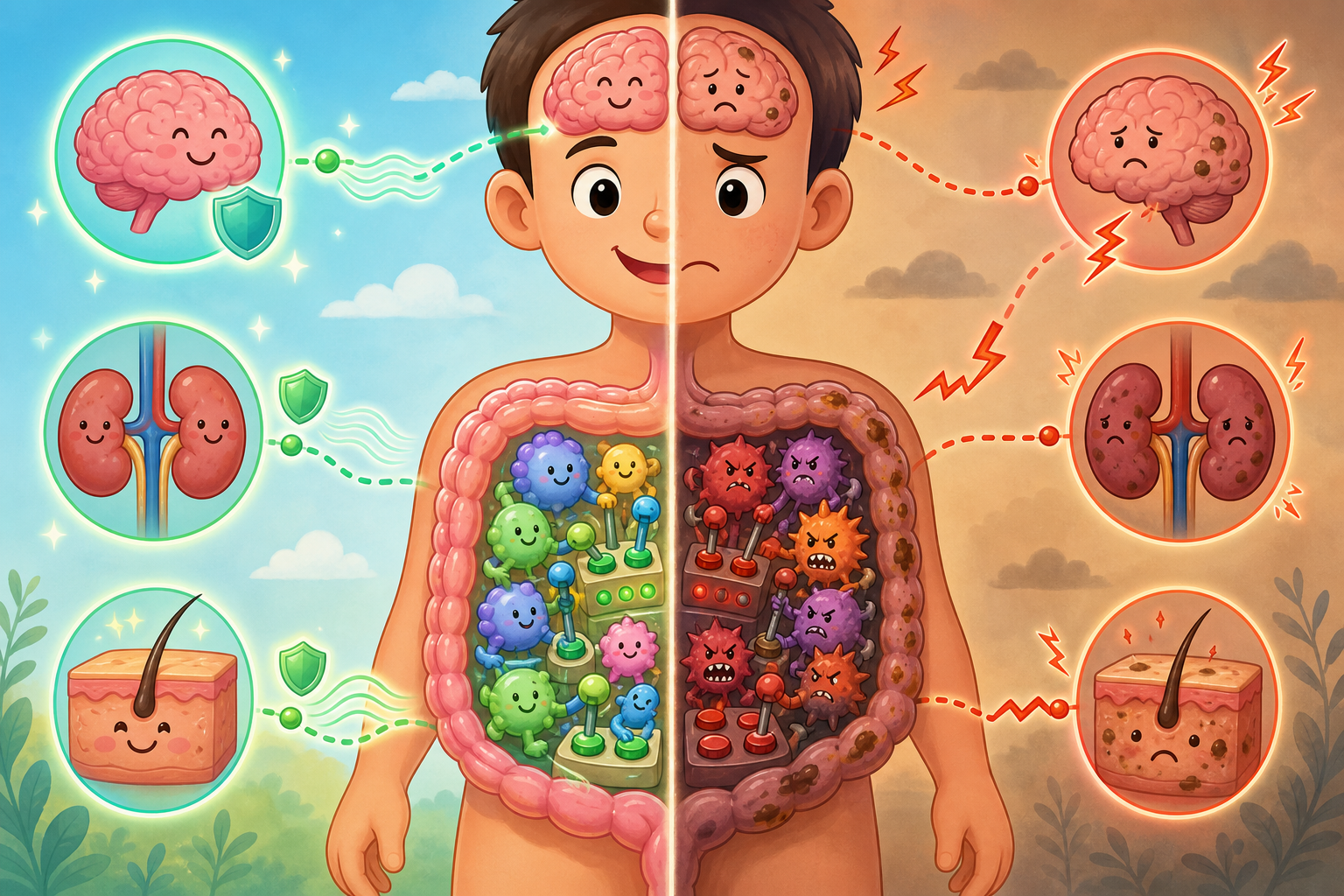
Your gut microbiome (my-kroh-BYE-ohm), the collection of trillions of bacteria, fungi, and viruses living in your intestines, acts as a primary regulator of oxidative stress for your entire body. When your gut bacteria are balanced, they produce compounds that help your body neutralize cellular exhaust. But when your gut falls out of balance, a condition called dysbiosis (dis-bye-OH-sis), harmful bacteria can send signals that trigger oxidative stress in organs far away from your stomach.
This article explores what the latest scientific research shows about the connection between your gut microbiome and oxidative stress, how it affects different parts of your body, and what you can do to support a healthy balance.
What the Research Shows About Gut Bacteria and Cellular Damage
The connection between the gut and oxidative stress is a two-way street. A 2022 review in the World Journal of Gastroenterology explains that oxidative stress can alter the environment of the gut, killing off good bacteria. At the same time, a lack of good bacteria causes the body to produce more oxidative stress. This creates a vicious cycle that contributes to physical decline and frailty as we age.
When researchers look closely at specific diseases, they consistently find this gut-oxidation cycle at play.
The Impact on Kidney Health
Your kidneys filter waste from your blood. When the gut is unhealthy, it produces specific toxins that the kidneys are forced to handle. A 2024 review in Cellular and Molecular Life Sciences outlines how gut dysbiosis leads to the creation of uremic toxins. Harmful bacteria break down dietary proteins into toxic byproducts. These toxins enter the bloodstream and travel to the kidneys, where they trigger severe oxidative stress and inflammation, eventually leading to kidney scarring (fibrosis).
Researchers have even pinpointed specific bacteria responsible for this damage. A 2020 study in the journal Gut analyzed patients with end-stage kidney disease. They found that bacteria like Eggerthella lenta and Fusobacterium nucleatum were highly active in producing these toxins. When researchers transplanted the gut bacteria from human kidney patients into rodents, the animals developed higher toxin levels, worse oxidative stress, and accelerated kidney damage.
The Impact on Brain Health and Neurodegeneration
The brain requires a massive amount of oxygen to function, making it highly vulnerable to oxidative stress. Related: How Your Gut Microbiome Actually Affects Brain Health
A 2022 review in the Journal of Advanced Research details how gut bacteria communicate with the central nervous system. When the gut is inflamed, it releases toxins and inflammatory signals into the blood. These signals can cross the blood-brain barrier, increasing reactive oxygen species in the brain. This process is heavily linked to neurodegenerative conditions like Alzheimer’s disease and Parkinson’s disease.
In a 2023 study published in the Journal of Neuroinflammation, researchers looked at a rat model of Parkinson’s disease. They found that gut dysbiosis actually inhibited a specific protective enzyme in the brain called NMNAT2. Without this enzyme, the brain experienced severe oxidative stress and physical movement declined. Remarkably, when researchers performed a fecal microbiota transplant (transferring healthy gut bacteria into the sick rats), the protective enzyme returned, oxidative stress dropped, and the physical symptoms of Parkinson’s improved.
The Impact on Skin Conditions
It might seem strange that gut bacteria could affect your skin, but the bloodstream connects the two. A 2025 study in the journal Microbiome investigated vitiligo, an autoimmune condition that causes the skin to lose its pigment. Oxidative stress in the skin is a known trigger for vitiligo.
The researchers discovered that mice with vitiligo had an imbalance of gut bacteria that caused an accumulation of a metabolite called hippuric acid. This acid traveled from the gut to the skin, where it bound to specific proteins and triggered a massive release of reactive oxygen species. When the researchers depleted the harmful gut bacteria using antibiotics, the oxidative stress in the skin vanished, and the skin condition improved.
The Impact on Metabolic Health and Diabetes
Type 2 diabetes is strongly associated with both gut dysbiosis and oxidative stress. A 2025 review in Frontiers in Endocrinology explains that harmful gut bacteria produce lipopolysaccharides (LPS), which are structural pieces of bacterial cell walls. When LPS leaks into the bloodstream, it triggers widespread inflammation and oxidative stress. This stress damages the cells in the pancreas that produce insulin, leading to insulin resistance.
Furthermore, a 2025 study in the Journal of Clinical Periodontology looked at diabetic mice suffering from periodontitis (severe gum disease). The diabetes worsened the gum disease through a combination of systemic oxidative stress and gut dysbiosis. Treating the mice with antioxidants or giving them a healthy fecal microbiota transplant reduced the oxidative stress and improved the gum disease, showing how interconnected these systems are.
How This Might Work: The Mechanisms of Interaction
How exactly do bacteria in your colon cause rust-like damage in your brain, skin, or kidneys? The research points to a few specific mechanisms.
The Chemical Messengers: Metabolites
Bacteria eat what you eat. As they digest your food, they produce chemical byproducts called metabolites.
Some metabolites are highly beneficial. For example, when good bacteria digest dietary fiber, they produce short-chain fatty acids (short-chain FAT-ee AS-ids), or SCFAs. SCFAs act as an energy source for the cells lining your colon and have strong antioxidant properties. They help calm the immune system and reduce oxidative stress.
Other metabolites are harmful. A 2025 review in the Annals of Medicine highlights a compound called TMAO. When certain gut bacteria digest choline and carnitine (found heavily in red meat and eggs), they produce a precursor that the liver turns into TMAO. High levels of TMAO directly trigger oxidative stress, inflammation, and tissue scarring, significantly increasing the risk of cardiovascular disease, kidney disease, and inflammatory bowel disease.
| Metabolite Type | Typical Source | Effect on Oxidative Stress |
|---|---|---|
| Short-Chain Fatty Acids (SCFAs) | Fiber digestion by helpful bacteria | Reduces oxidative stress and inflammation |
| TMAO | Meat and dairy digestion by certain bacteria | Increases oxidative stress and tissue scarring |
| Uremic Toxins (e.g., Indoxyl Sulfate) | Protein breakdown by harmful bacteria | Increases oxidative stress, damages kidneys |
The Delivery System: Leaky Gut
Under normal conditions, the lining of your intestines is tightly sealed, acting like a coffee filter that only lets nutrients through while keeping bacteria and toxins inside the gut. Related: What Science Actually Says About Leaky Gut and Your Health
However, a 2017 paper in Cellular and Molecular Life Sciences notes that oxidative stress can damage this intestinal barrier. When the barrier becomes overly permeable (often called “leaky gut”), bacterial fragments like LPS escape into the bloodstream. The immune system detects these fragments and launches a massive attack, creating a storm of reactive oxygen species throughout the entire body.
The Tiny Packages: Extracellular Vesicles
A relatively new discovery in this field involves extracellular vesicles (EVs). A 2025 review in the International Journal of Molecular Sciences describes EVs as microscopic bubbles released by cells and bacteria. Gut bacteria use these bubbles to send packages of information to human cells.
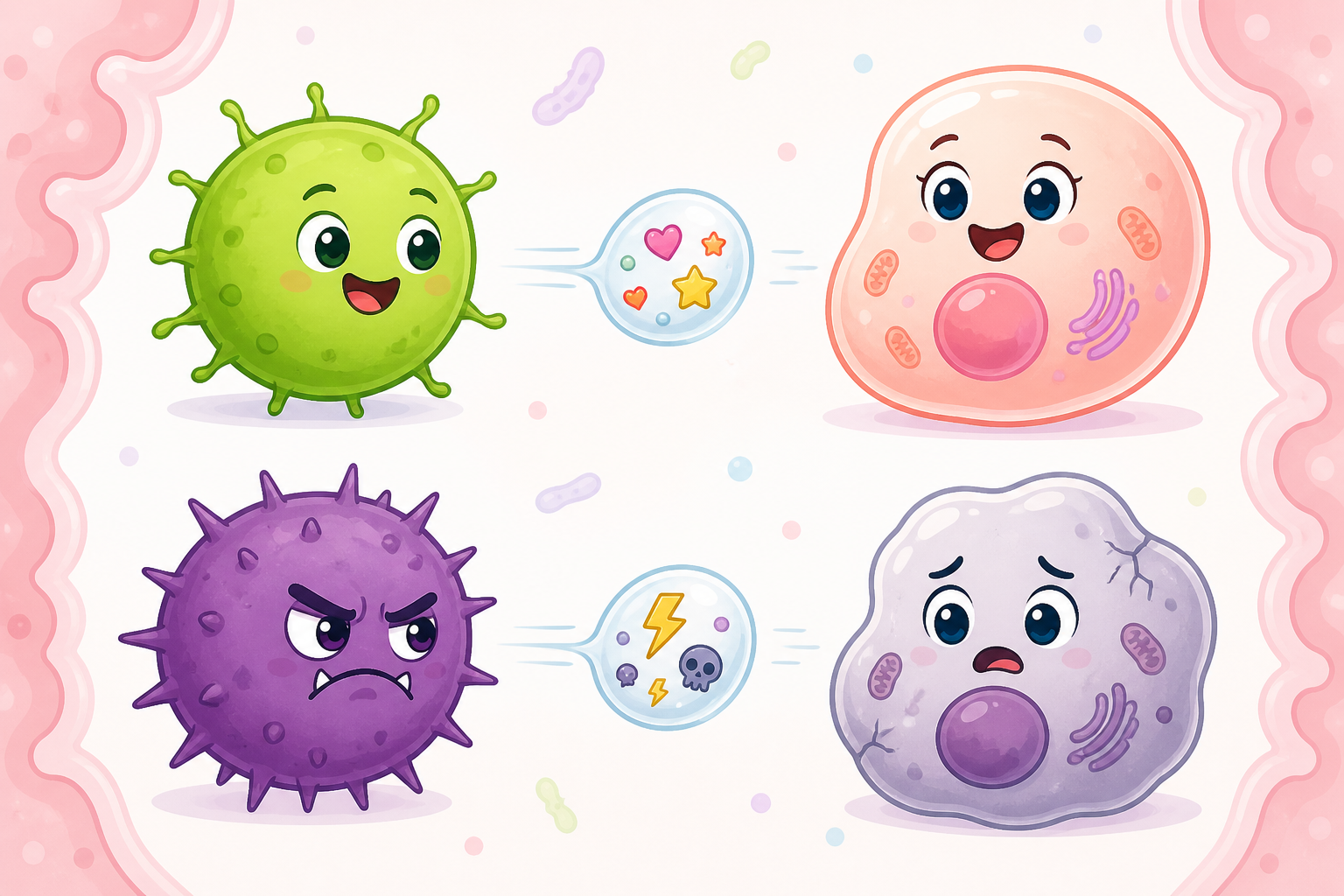
Helpful bacteria pack their EVs with antioxidant enzymes (like superoxide dismutase) that directly neutralize reactive oxygen species in human tissue. Harmful bacteria, on the other hand, can pack their EVs with toxins that intentionally trigger oxidative stress and cell death.
Practical Guidance: What the Science Says Helps
While much of this research is complex, the practical applications are surprisingly straightforward. Science shows that modifying the gut environment can successfully lower systemic oxidative stress.
1. Dietary Antioxidants and Polyphenols
Dietary interventions can physically alter the gut microbiome. A 2024 study in Redox Biology found that whey protein, which is rich in thiol antioxidants, completely prevented colon and kidney injury in mice exposed to toxic chemicals. The antioxidants neutralized the reactive oxygen species triggered by the gut bacteria.
2. Caloric Restriction
Eating less overall may also help. Related: The Science of Calorie Restriction: How Eating Less Affects Health and Longevity. A 2024 study in Redox Biology demonstrated that caloric restriction protected mice from acute kidney injury. The restricted diet encouraged the growth of a specific helpful bacterium (Parabacteroides goldsteinii), which reduced oxidative bursts and inflammation in the kidneys.
3. Probiotics
Adding specific helpful bacteria can crowd out the harmful ones. In the 2020 kidney study mentioned earlier, researchers gave rats a probiotic strain called Bifidobacterium animalis. This probiotic successfully reduced the abundance of toxin-producing bacteria, lowered the levels of uremic toxins in the blood, and reduced the severity of the kidney disease.
Likewise, a 2019 review in Oxidative Medicine and Cellular Longevity highlights that fermented foods like kefir act as natural probiotics. Kefir has been shown to improve the balance of gut bacteria, which in turn reduces oxidative stress and improves cardiovascular and metabolic health.
Who Needs Caution
While supporting gut health is generally safe, patients with severe medical conditions should be careful. For example, patients with advanced end-stage kidney disease often have strict dietary limitations regarding protein, potassium, and phosphorus. Increasing fiber or fermented foods to change the gut microbiome must be done under the supervision of a nephrologist or registered dietitian to avoid dangerous mineral imbalances.
Similarly, while probiotics are widely available, introducing massive amounts of live bacteria to individuals with severely compromised immune systems (such as those undergoing chemotherapy) carries a risk of infection.
Common Questions About Gut Health and Oxidative Stress
Can taking an antioxidant pill fix my gut microbiome?
While antioxidant supplements can help neutralize reactive oxygen species, they do not necessarily fix the root cause if you have gut dysbiosis. Treating the source requires feeding the good bacteria with fiber and a diverse diet so they can produce their own natural antioxidants, like short-chain fatty acids.
How do microplastics fit into this?
Microplastics are an emerging concern for gut health. A 2025 study in Redox Biology explains that when immune cells (macrophages) ingest microplastics, it triggers massive oxidative stress. This disrupts normal immune function and can exacerbate inflammation in the gut and other organs.
Can radiation therapy affect this balance?
Yes. A 2025 review in Gut Microbes notes that radiation therapy for cancer heavily damages the gut microbiome, leading to severe oxidative stress and intestinal injury. However, treatments that support the microbiome, like short-chain fatty acids or specific probiotics, have shown promise in protecting patients from this radiation-induced damage.
The Bottom Line
The scientific consensus is clear: oxidative stress is not just an isolated cellular problem. It is a systemic issue heavily regulated by the bacteria living in your digestive tract.
When your gut microbiome is imbalanced, harmful bacteria produce toxins that leak into the bloodstream, triggering widespread oxidative stress that can damage the kidneys, brain, skin, and metabolic systems. Conversely, a healthy gut microbiome produces beneficial metabolites and extracellular vesicles that act as internal fire extinguishers, putting out the flames of oxidative stress.
While much of the deep mechanistic research has been conducted in animal models, human observational studies strongly support these findings. Maintaining a diverse, healthy gut through diet, fiber, and appropriate probiotic use is one of the most evidence-based ways to manage oxidative stress and protect your long-term health.
Quick Reference: Key Studies
| Study Focus | Key Finding | Source |
|---|---|---|
| Ulcerative Colitis & Oxidative Stress | Remodeling the gut microbiome to produce more butyrate activates protective pathways and reduces intestinal oxidative stress. | PMID 40602277 |
| TMAO and Disease | The gut metabolite TMAO drives inflammation and oxidative stress, linking gut health to heart and kidney disease. | PMID 40548623 |
| Vitiligo and the Gut | Gut dysbiosis causes an accumulation of hippuric acid, which travels to the skin and triggers oxidative stress, worsening vitiligo. | PMID 40329424 |
| Renal Failure and Microbes | Harmful gut bacteria (E. lenta, F. nucleatum) produce uremic toxins that aggravate kidney failure; probiotics can reverse this. | PMID 32241904 |
| Parkinson’s Disease | Gut dysbiosis inhibits a protective brain enzyme, increasing oxidative stress and neurobehavioral deficits. Fecal transplants helped. | PMID 37208728 |
| Extracellular Vesicles (EVs) | Bacteria use microscopic bubbles (EVs) to transfer antioxidant enzymes or harmful toxins directly to host cells. | PMID 40243936 |
| Caloric Restriction | Eating less protects kidneys from injury by boosting helpful gut bacteria that reduce oxidative bursts. | PMID 39357422 |
Last updated: September 2026
This article synthesizes findings from peer-reviewed research. It is for educational purposes only and does not constitute medical advice. Consult a healthcare provider before starting any new regimen.

Leave a Reply