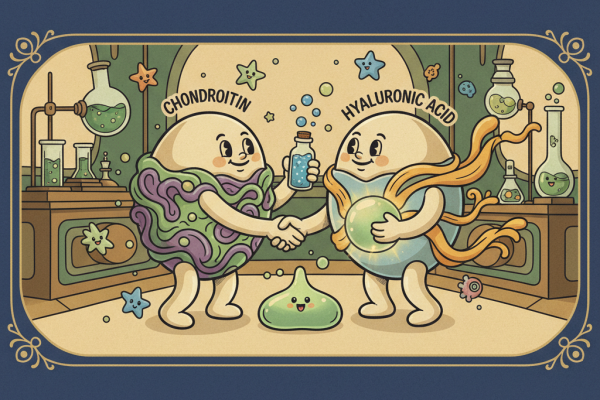
Chondroitin and Hyaluronic Acid for Joints: What Science Shows
Discover what the latest science says about using chondroitin and hyaluronic acid to relieve joint pain, improve mobility, and even help regenerate damaged cartilage.

Does lifting weights make you slow, or does cardio destroy your muscle gains? Discover what the latest science says about combining endurance and resistance training.
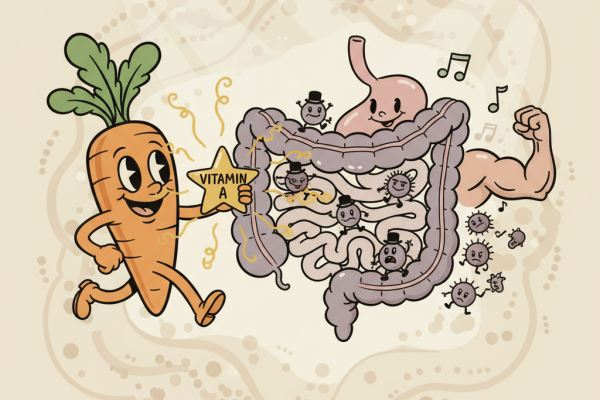
Discover how Vitamin A and your gut microbiome work together to maintain your intestinal barrier, support your immune system, and protect your brain health. New research shows that this essential nutrient and your digestive bacteria rely on each other to function properly.
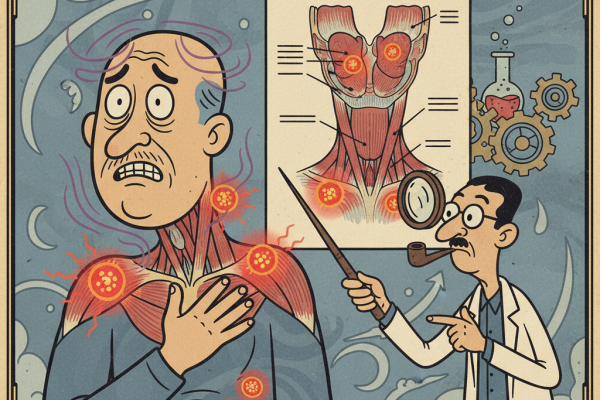
Myofascial trigger points, commonly known as muscle knots, are a major source of chronic neck pain and headaches. Discover what the latest science says about how they form and which treatments, from dry needling to heat therapy, actually work.
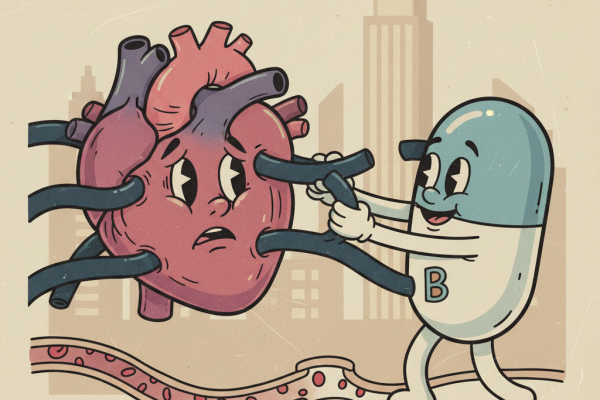
Beta-blockers were once the undisputed first choice for high blood pressure, but recent guidelines have shifted. Discover what the latest science actually says about when these medications work best, how newer versions differ from the classics, and why your age matters.
Standard cholesterol tests do not always tell the whole story about your heart. Discover how diet and exercise impact your Atherogenic Index of Plasma (AIP), a hidden ratio that predicts cardiovascular risk with high accuracy.
Yoga is widely recommended for fatigue, but the scientific evidence is surprisingly mixed. Discover what the latest research says about the optimal dose, when it works best, and how it compares to other forms of exercise.
Glucosamine is a popular joint supplement that easily crosses into the brain. While it helps healthy brains produce energy and recover from injury, groundbreaking 2026 research shows it may accelerate cognitive decline in people with Alzheimer's disease.
Crossing time zones does more than just make us tired—it temporarily rewires our metabolism, gut bacteria, and brain chemistry. Learn the science behind jet lag and the most effective, research-backed ways to reset your body clock.
Research shows that eating a small amount of dark chocolate daily can modestly lower blood pressure and improve metabolic health. However, portion size and cocoa content are critical to avoid the negative effects of excess sugar and calories.