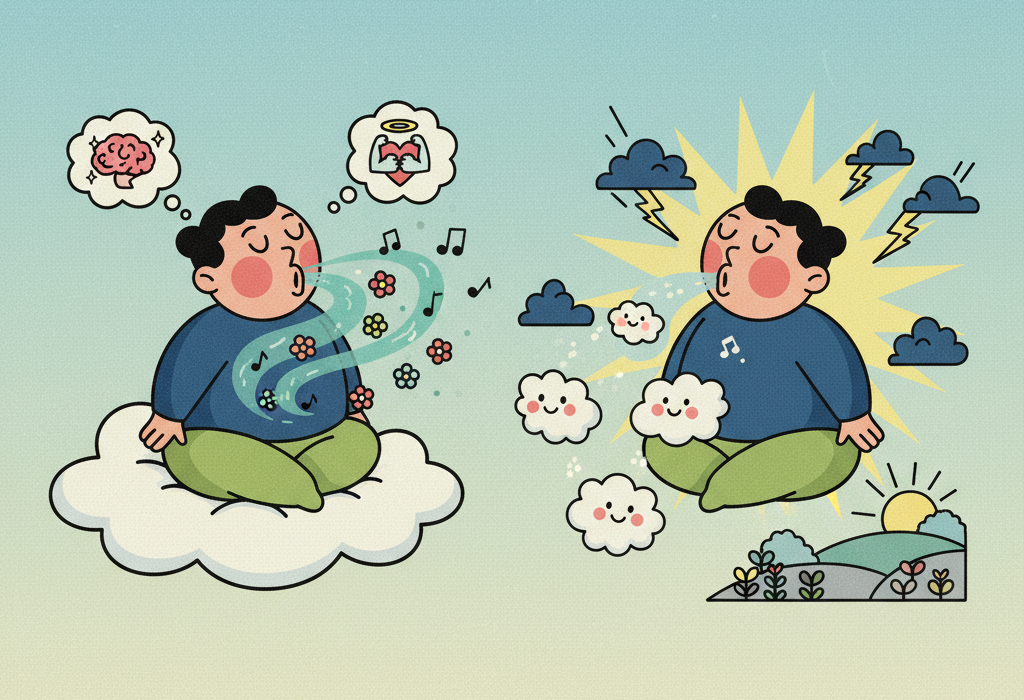
Breathing is something we do thousands of times a day without thinking. It is an automatic process controlled by the brainstem. However, unlike digestion or heart rate, breathing is unique because we can take manual control of it at any time.
For centuries, practices like yoga have used controlled breathing to promote physical and mental well-being. Today, modern science is investigating these ancient techniques to see exactly how they affect the human body.
So, do breathing exercises actually improve health? The short answer is yes. Research shows that specific breathing techniques can strengthen respiratory muscles, lower heart rate, reduce anxiety, and even improve recovery from surgery. However, the benefits depend heavily on the type of breathing exercise used and the specific health condition being treated.
This article will explain what scientific research actually shows about breathing exercises, how they affect your nervous system, and who might benefit most from trying them.
How This Might Work: The Nervous System
To understand why changing your breath changes your body, it helps to look at the autonomic nervous system. This system controls your body’s automatic functions and has two main parts:
- The sympathetic nervous system acts like a gas pedal. It triggers your “fight or flight” response, increasing heart rate and alertness.
- The Parasympathetic nervous system (par-uh-sim-puh-THET-ik) acts like a brake pedal. It promotes “rest and digest” functions, slowing the heart rate and relaxing muscles.
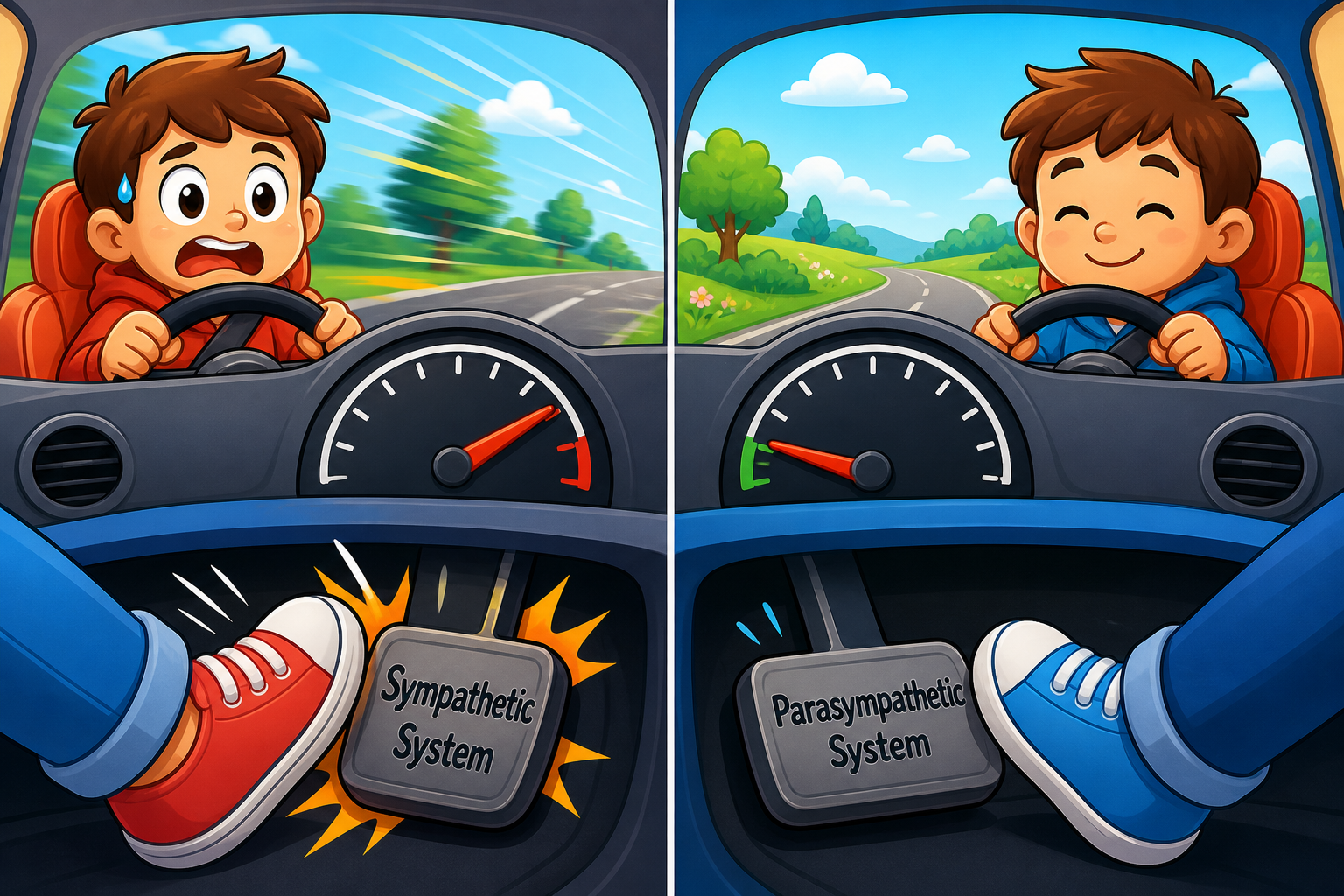
When we feel stressed or anxious, we tend to take short, shallow breaths from the chest. This keeps the gas pedal pressed down. By intentionally slowing the breath and using the diaphragm, we can manually press the brake pedal.
Related: What Science Actually Says About Meditation and Mindfulness
A 2021 study in Scientific Reports tested this by having adults practice deep and slow breathing. They inhaled for four seconds and exhaled for six seconds. The researchers measured the participants’ heart rate variability, which is a sign of how well the parasympathetic nervous system is working. The study found that just five minutes of this breathing exercise significantly increased parasympathetic activity and reduced feelings of anxiety. Interestingly, older adults saw an even greater boost in their nervous system response than younger adults.
What the Research Shows: Lung and Heart Health
Breathing exercises are a core part of pulmonary rehabilitation. This is a medical program designed to help people with chronic lung and heart conditions breathe easier and improve their quality of life.
Chronic Obstructive Pulmonary Disease (COPD)
COPD is a condition that makes it hard to empty air out of the lungs. This often leads to Dyspnea (DISP-nee-uh), the medical term for shortness of breath.
A 2024 network meta-analysis in the Archives of Physical Medicine and Rehabilitation looked at 43 trials involving nearly 2,000 patients with COPD. The researchers found that different breathing exercises offered different specific benefits. For example, traditional Chinese fitness exercises and diaphragmatic breathing were best for improving overall lung function. Meanwhile, yoga-based breathing was highly effective for improving overall quality of life.
For patients with COPD who struggle with sleep, breathing exercises can also help. A 2024 clinical trial in Therapeutic Advances in Pulmonary and Critical Care Medicine tested diaphragmatic breathing and pursed-lip breathing in older adults with COPD. Both techniques significantly improved sleep quality, likely because they helped prevent airways from collapsing and improved oxygen levels in the blood.
Asthma
Asthma causes the airways to become inflamed and narrow. Research shows that training the breathing muscles can help, but the results are mixed depending on what it is combined with.
A 2023 review in the Annals of Physical and Rehabilitation Medicine found that inspiratory muscle training significantly increased the maximum pressure patients could generate when breathing in. This means their breathing muscles literally became stronger.
However, breathing exercises might not add extra benefits if a person is already doing regular aerobic exercise. A 2024 trial in The Journal of Allergy and Clinical Immunology: In Practice compared aerobic exercise alone to a combination of aerobic and breathing exercises in patients with moderate-to-severe asthma. The researchers found no significant differences between the two groups, suggesting that aerobic exercise alone might be enough for some asthma patients.
Heart Failure
Heart failure means the heart cannot pump blood as well as it should. This often leads to severe fatigue and muscle weakness, including weakness in the muscles used for breathing.
A 2020 meta-analysis in Physical Therapy reviewed 14 studies on inspiratory muscle training for patients with heart failure. The results showed that isolated breathing training improved inspiratory muscle strength, increased the distance patients could walk in six minutes, and improved their overall quality of life. The benefits were greatest for patients who already had breathing muscle weakness and those who trained with higher resistance loads.
Surgery, Pain, and Cancer Recovery
Preparing the body for surgery is much like preparing for a marathon. Doctors call this “prehabilitation.”
A 2021 meta-analysis in the Archives of Physical Medicine and Rehabilitation looked at lung cancer patients preparing for surgery to remove tumors. Patients who practiced breathing exercises before their operations had significantly shorter hospital stays. They were also less likely to develop postoperative pneumonia or other lung complications.
Breathing exercises can also play a role in pain management. A 2023 review in Pain Management Nursing examined how breathing techniques affected cancer survivors. The review found that slow, pursed-lip breathing helped reduce pain after surgery. While more high-quality studies are needed, the researchers concluded that breathing exercises offer a safe, low-cost tool for pain relief.
Surprising Benefits: Motion Sickness and Pelvic Health
Beyond the heart and lungs, controlled breathing impacts the body in several unexpected ways.
Motion Sickness
Motion sickness occurs when the brain receives conflicting signals from the eyes and the inner ear. It is usually accompanied by an increase in stress-related nervous system activity.
A 2015 study in Aerospace Medicine and Human Performance tested whether slow breathing could help. Researchers placed participants in a virtual reality environment designed to cause seasickness. The group that practiced slow diaphragmatic breathing (about six breaths per minute) reported significantly fewer motion sickness symptoms than the control group. The breathing exercise helped keep their parasympathetic nervous system engaged, calming the body’s nausea response.
Pelvic Floor Function
The diaphragm and the pelvic floor work together like a piston. When you breathe in, the diaphragm pushes down, and the pelvic floor relaxes. When you breathe out, the diaphragm moves up, and the pelvic floor gently lifts.
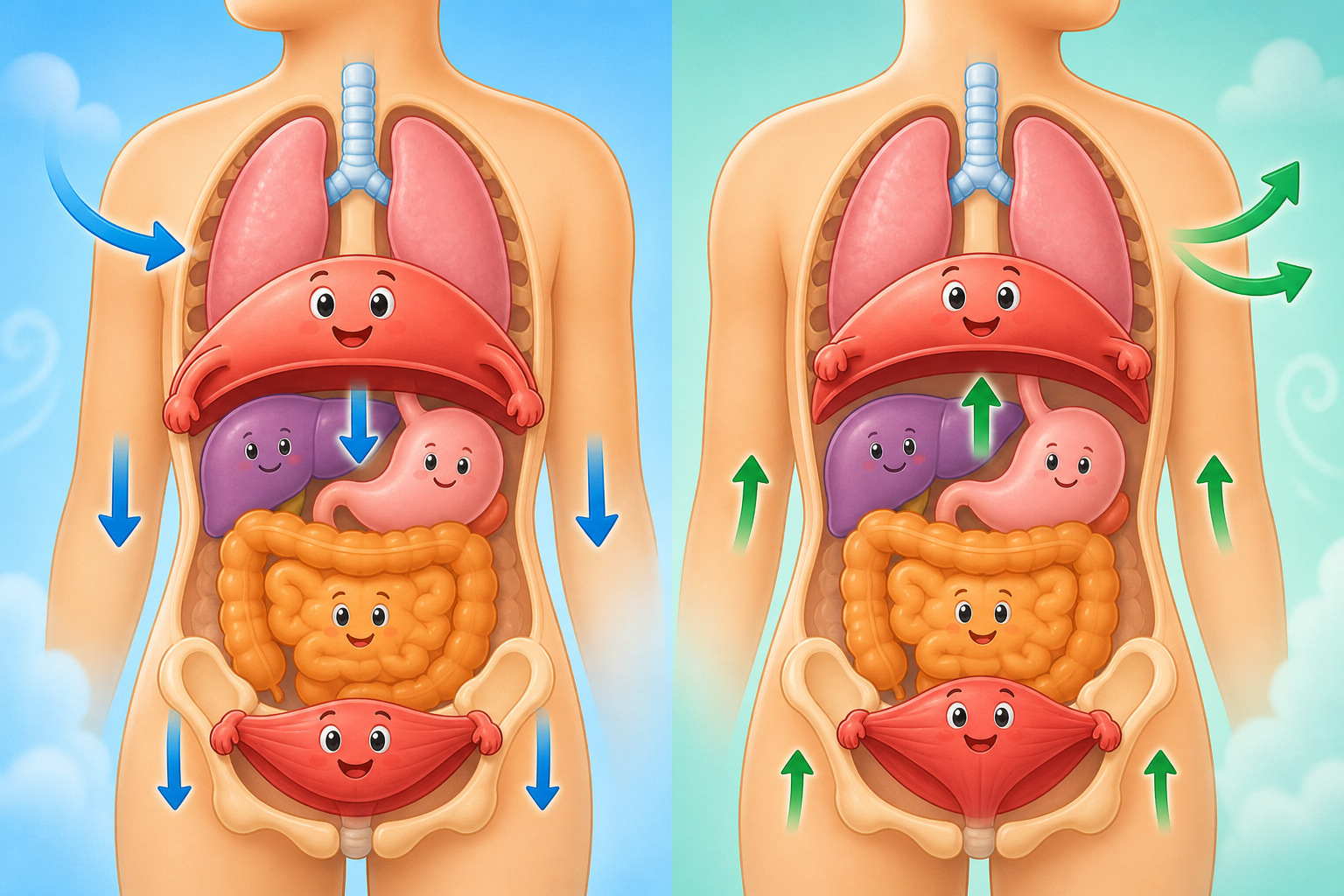
Because of this connection, breathing exercises are often used in pelvic floor therapy. A 2025 review in Archivos Espanoles de Urologia noted that combining breathing exercises with pelvic floor muscle training improved symptoms of postpartum stress urinary incontinence. Similarly, a 2018 survey in the Journal of Bodywork and Movement Therapies highlighted that Pilates practitioners frequently use breathing maneuvers to help pregnant women maintain pelvic floor strength.
Related: The Science of Pilates and Breathing: How Controlled Breath Changes Your Body
Interestingly, this mind-body connection also applies to men’s sexual health. A 2025 trial in The Journal of Sexual Medicine tested diaphragmatic breathing in men dealing with premature ejaculation. Men who combined pelvic floor training with breathing exercises saw significantly better improvements in ejaculatory control than those who only did pelvic floor training. Researchers believe the breathing exercises helped regulate the autonomic nervous system, which plays a major role in the ejaculatory reflex.
Practical Guidance: Types of Breathing Exercises
Research generally focuses on three main types of breathing exercises. If you want to try them, here is how they are commonly performed in clinical studies:
1. Diaphragmatic Breathing (DB): Also known as belly breathing. Place one hand on your chest and one on your belly. Breathe in slowly through your nose, allowing your belly to push your hand outward. Your chest should remain relatively still. Exhale slowly through your mouth.
2. Pursed-Lip Breathing: This helps keep airways open longer. Breathe in normally through your nose for two seconds. Pucker your lips like you are about to blow out a candle, and breathe out slowly for four to six seconds.
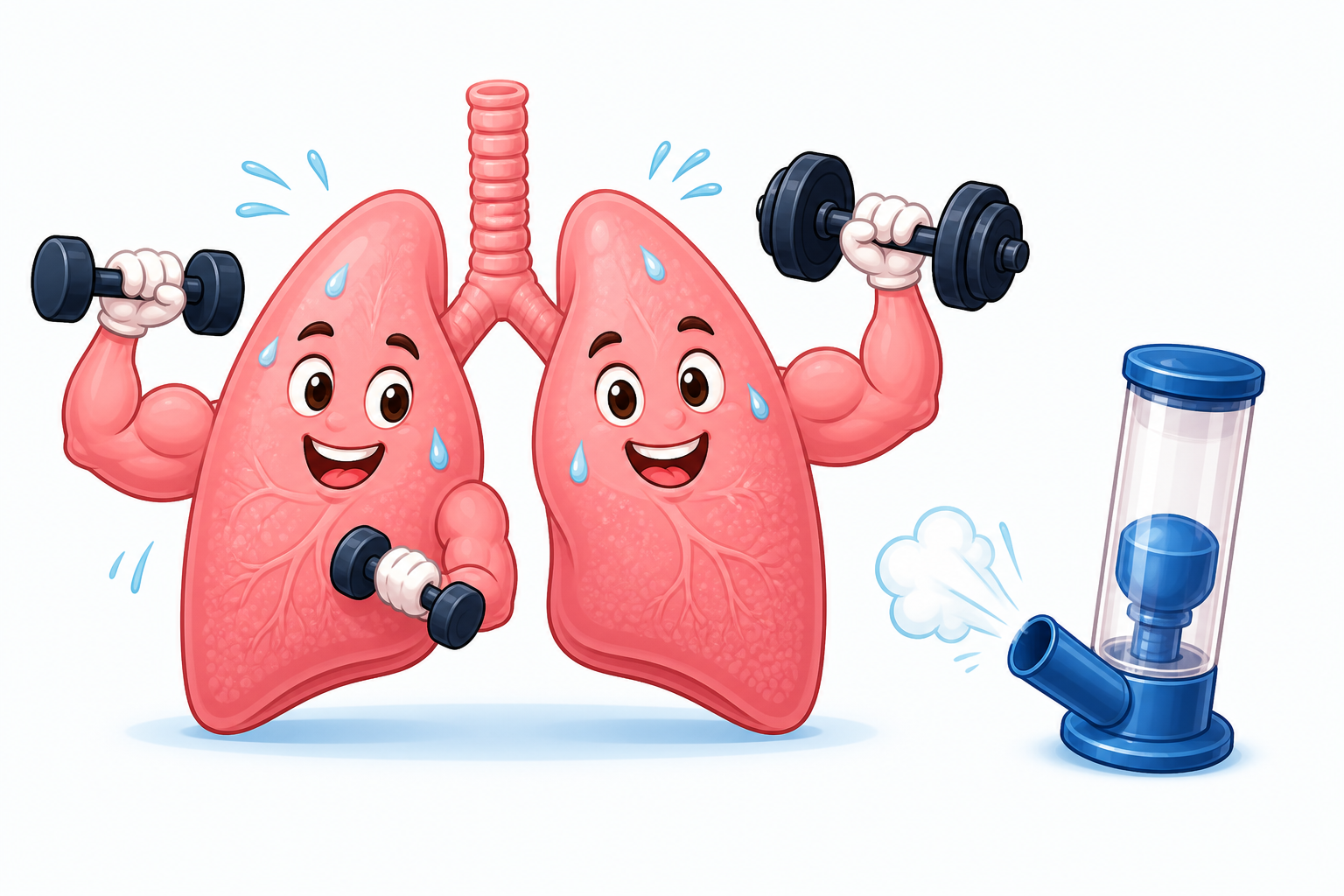
3. Inspiratory Muscle Training (IMT): This is weightlifting for your lungs. It requires a small handheld device that provides resistance when you breathe in. A 2018 review in The Clinical Respiratory Journal confirmed that using these resistance devices significantly improves inspiratory muscle strength in COPD patients.
Who Benefits Or Needs Caution
Most research suggests that breathing exercises are safe for the general public and offer a low-risk way to manage stress and improve lung capacity.
People who benefit the most include:
- Older adults: Research shows older adults may experience a larger boost in nervous system relaxation from deep breathing compared to younger adults.
- People with chronic lung or heart conditions: Patients with COPD, asthma, or heart failure often see improvements in exercise capacity and shortness of breath.
- Surgical patients: Pre-surgery breathing practice is linked to fewer complications and shorter hospital stays.
Caution is advised for:
- People with severe psychiatric conditions: A 2016 review in the International Review of Psychiatry noted that intense meditative breathing practices can sometimes provoke symptoms in individuals with a history of psychosis.
- People with severe cardiovascular disease: While beneficial, patients with severe heart failure or COPD should only begin a resistance-based breathing program (like IMT) under the guidance of a respiratory therapist or physician.
The Bottom Line
The way we breathe has a measurable impact on our biology. Scientific evidence shows that slowing down the breath and engaging the diaphragm can manually activate the body’s relaxation system.
For healthy individuals, breathing exercises are a proven, cost-free tool to reduce anxiety and improve nervous system balance. For individuals with chronic illnesses like COPD or heart failure, targeted breathing training can strengthen respiratory muscles, improve sleep, and increase the ability to exercise. While breathing exercises will not cure chronic diseases, they are a highly effective, evidence-based tool for managing symptoms and improving overall quality of life.
Quick Reference: Key Studies
| Study Focus | Key Finding | Source |
|---|---|---|
| Anxiety & Nervous System | Deep, slow breathing increased parasympathetic activity and reduced anxiety, with older adults showing a greater nervous system response. | PMID 34588511 |
| COPD & Sleep | Both diaphragmatic and pursed-lip breathing significantly improved sleep quality in older adults with COPD. | PMID 39640085 |
| Heart Failure | Inspiratory muscle training improved muscle strength, walking distance, and quality of life in heart failure patients. | PMID 32936904 |
| Surgery Recovery | Preoperative breathing exercises for lung cancer patients reduced hospital stays and prevented postoperative pneumonia. | PMID 33930327 |
| Motion Sickness | Slow diaphragmatic breathing reduced motion sickness symptoms and improved heart rate variability in a virtual reality environment. | PMID 25945662 |
| Pelvic Health | Adding diaphragmatic breathing to pelvic floor training improved ejaculatory control and autonomic nervous system balance in men. | PMID 40580936 |
Last updated: August 2026
This article synthesizes findings from peer-reviewed research. It is for educational purposes only and does not constitute medical advice. Consult a healthcare provider before starting any new regimen.
Leave a Reply