
Many people take collagen supplements hoping to support their joints or improve their skin. We usually think of collagen as a simple building block. It is the main structural protein that holds our bodies together, giving shape to our skin, bones, and connective tissues.
However, scientists are investigating a completely different use for this protein. Can collagen act as an antioxidant?
The short answer is yes. Recent research shows that when collagen is broken down into smaller pieces, it can help neutralize harmful molecules in the body. These small collagen pieces can act as direct antioxidants. They also trigger the body to produce more of its own protective enzymes.
Think of intact collagen like the solid lumber used to frame a house. It provides structure. But if you grind that lumber into sawdust, it takes on a completely new use, like soaking up a chemical spill. In the same way, breaking down collagen changes it from a structural support into a sponge that soaks up cellular damage.

Understanding Oxidative Stress
To understand how collagen protects our cells, we first need to understand the threat.
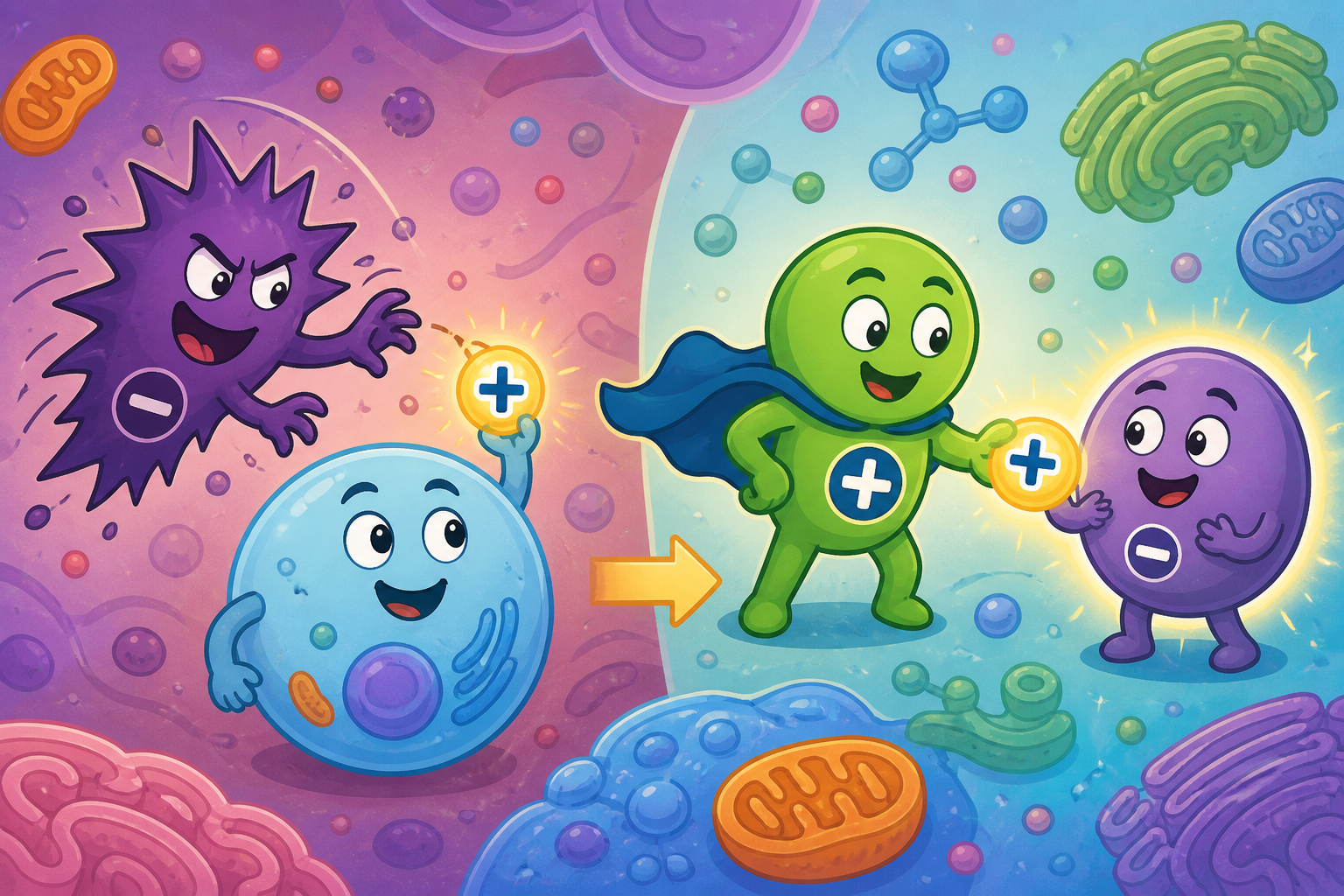
Our bodies constantly produce Free radicals (free RAD-ih-kuhls). These are unstable molecules missing an electron. To become stable, they steal electrons from healthy cells. This stealing process is called Oxidative stress (ox-ih-DAY-tiv stress). Over time, oxidative stress damages tissue and contributes to aging and chronic health conditions.
Related: How Your Gut Microbiome and Oxidative Stress Control Your Health
Antioxidants are molecules that can safely give an electron to a free radical. This stops the free radical from damaging your cells. We usually get antioxidants from vitamins, like Vitamin C, or from plants. Finding antioxidant properties in an animal protein like collagen is a unique discovery.
What the Research Shows: Collagen as a Cellular Shield
When you consume collagen supplements, you are usually consuming Peptides (PEP-tyds). These are short chains of amino acids created by breaking down full proteins. The scientific process of breaking down these proteins is called hydrolysis.
Direct Radical Scavenging
Researchers use specific laboratory tests to measure how well a substance can disarm free radicals. A 2021 study in the Journal of Food Science investigated peptides derived from cowhide collagen. The researchers found that these peptides successfully neutralized several types of free radicals in laboratory tests. They noted that the smaller the peptide, the better it worked as an antioxidant.
Similarly, a 2024 study in the International Journal of Biological Macromolecules prepared collagen peptides from sheep hooves using ultrasound technology. These peptides also demonstrated a strong ability to scavenge and neutralize free radicals.
Boosting the Body’s Own Enzymes
Collagen peptides do not just neutralize free radicals directly. They also act like managers, telling the body to ramp up its own internal defenses.

Your body produces natural antioxidant enzymes. One of the most important is Superoxide dismutase (soo-per-OX-ide dis-MYOO-tase), often called SOD. A 2024 study in Nutrients tested deer bone collagen peptides on aging mice. The mice given the collagen peptides showed significantly higher levels of SOD and other protective enzymes in their skin and blood.
Another 2024 study in the Journal of the Science of Food and Agriculture looked at exactly how this happens inside human liver cells. They found that specific collagen peptides block a protein called Keap1. Blocking this protein essentially flips a switch that turns on the cell’s antioxidant factories, increasing the production of protective enzymes.
Protecting Skin From Sun Damage
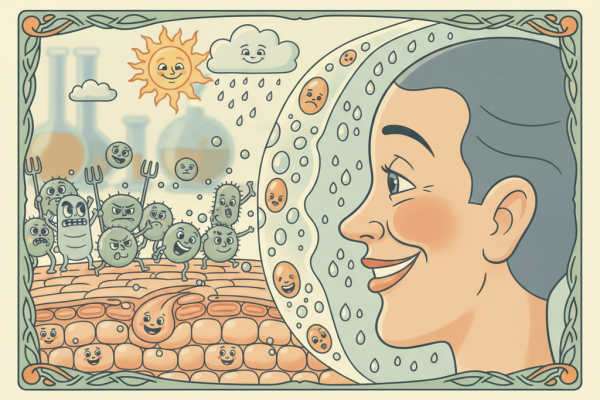
Ultraviolet light from the sun is a major cause of oxidative stress in the skin. This stress breaks down existing collagen and causes wrinkles, a process known as photoaging.
Researchers are testing if antioxidant collagen peptides can protect the skin from this specific type of damage. A 2025 study in the Journal of the Science of Food and Agriculture identified a specific peptide from yak bone collagen. In laboratory tests, this peptide successfully reduced UVA-induced photoaging. It worked by activating the same cellular pathway that controls antioxidant defense.
Related: Protecting Skin From UV Damage: What the Latest Science Says
Similarly, a 2022 study in Marine Drugs looked at collagen extracted from mackerel fish skin. The hydrolyzed fish collagen showed strong antioxidant activity and inhibited enzymes that cause skin aging and uneven pigmentation.
Healing Wounds and Internal Tissues
Because oxidative stress slows down healing, antioxidants are crucial for tissue repair. Medical researchers are exploring how collagen can be applied directly to injuries.
A 2019 study in the International Journal of Biological Macromolecules tested collagen from the swim bladders of giant croaker fish. The researchers applied this collagen to wounds in mice. The collagen not only showed antioxidant properties but also reduced inflammatory markers and sped up the wound healing process.
This protective effect applies to internal organs as well. A 2022 study in Cell Stress & Chaperones tested fish collagen peptides on rats with stomach ulcers. The peptides prevented the formation of ulcer lesions by 86 percent. The researchers attributed this success to the collagen enhancing the activity of antioxidant defense enzymes in the stomach lining.
How This Might Work: The Role of Size
Not all collagen acts the same way. The size of the protein molecule determines how it fights oxidative stress.
A 2019 study in the Journal of Medicinal Food compared intact collagen to hydrolyzed collagen from red tilapia fish. The researchers discovered that the two forms fight oxidative stress using completely different mechanisms.
| Collagen Type | Molecular Size | Antioxidant Mechanism |
|---|---|---|
| Intact Collagen | Large | Acts as a “metal chelator.” It binds to heavy metals in the body, preventing those metals from causing oxidative stress. |
| Hydrolyzed Collagen | Small (Peptides) | Acts as a “radical scavenger.” It directly donates electrons to neutralize free radicals. |
The specific amino acids inside collagen also play a role. Collagen is exceptionally high in the amino acids glycine and proline. These specific amino acids are known to be highly effective at donating electrons and stabilizing free radicals.
Where The Science Is Still Uncertain
While the laboratory and animal studies are clear, human clinical trials specifically measuring the antioxidant effects of collagen are still in early stages. We know that humans absorb collagen peptides, but tracking their exact antioxidant journey through the human bloodstream is complex. Furthermore, researchers are still determining the exact daily dose required to achieve maximum antioxidant benefits in humans.
Common Questions About Collagen Antioxidants
Is marine collagen better than bovine collagen for antioxidants?
Research shows that both sources provide antioxidant peptides. However, marine collagen (from fish skin, scales, and swim bladders) is heavily researched right now because it is highly soluble and has a lower risk of transmitting mammalian diseases.
Do I need a special “antioxidant” collagen supplement?
Most standard “hydrolyzed collagen” or “collagen peptide” powders already contain the small amino acid chains shown to have antioxidant properties in these studies. You do not necessarily need a product marketed specifically for antioxidants to get these benefits.
The Bottom Line / Takeaways
Collagen is much more than a structural building block. Current research indicates that when collagen is broken down into peptides, it takes on an active role in cellular defense.
- It neutralizes threats: Hydrolyzed collagen peptides can directly scavenge and neutralize free radicals.
- It boosts natural defenses: Collagen peptides signal the body to increase production of its own antioxidant enzymes, like SOD.
- Size matters: Smaller collagen peptides are better at scavenging radicals, while larger intact collagen molecules help bind and remove pro-oxidant metals.
- Broad benefits: Animal and laboratory studies show these antioxidant properties can help protect skin from UV damage, speed up wound healing, and protect internal tissues.
While more human trials are needed to confirm exact dosing, adding hydrolyzed collagen to your routine may offer cellular protection alongside its well-known structural benefits.
Quick Reference: Key Studies
| Study Focus | Key Finding | Source |
|---|---|---|
| Deer bone collagen and aging | Peptides improved skin hydration and boosted antioxidant enzymes (SOD, CAT) in aging mice. | PMID 38892482 |
| Cowhide collagen peptides | Smaller molecular weight collagen peptides showed superior free radical scavenging abilities. | PMID 33822356 |
| Fish collagen and stomach ulcers | Peptides prevented ulcer formation in rats by reducing oxidative stress in the gastric mucosa. | PMID 34787818 |
| Intact vs. Hydrolyzed collagen | Intact collagen acts as a metal chelator, while hydrolyzed collagen acts as a direct radical scavenger. | PMID 30900932 |
| Cellular defense activation | Specific collagen peptides block Keap1, activating the cell’s internal antioxidant production. | PMID 37690095 |
Last updated: September 2026
This article synthesizes findings from peer-reviewed research. It is for educational purposes only and does not constitute medical advice. Consult a healthcare provider before starting any new regimen.


Leave a Reply