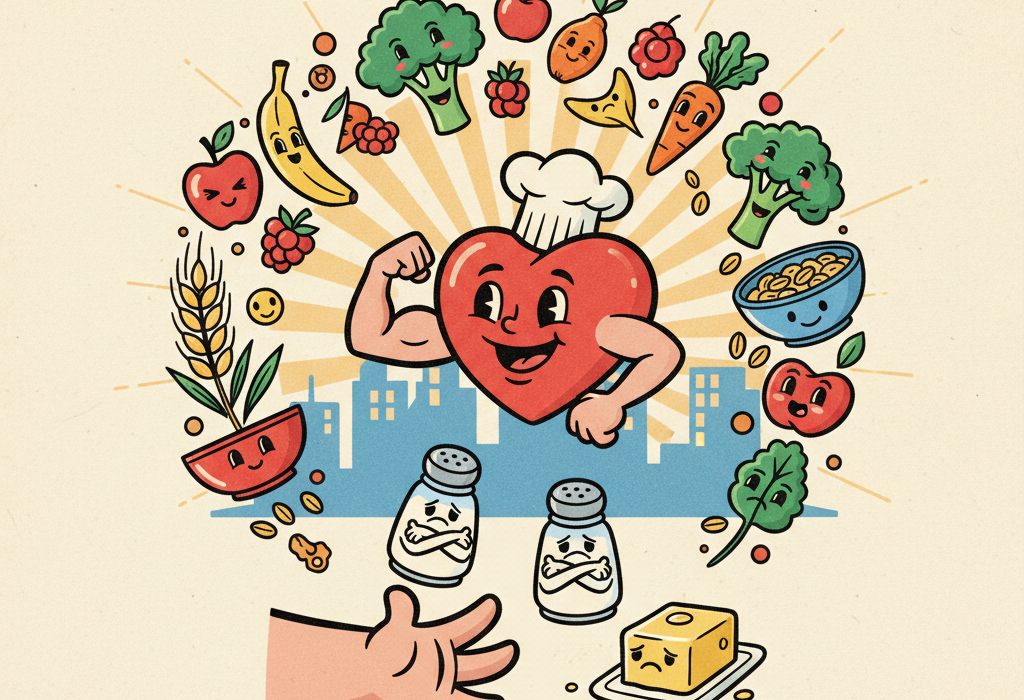
The DASH diet was originally created to answer one simple medical question: Can food act like medicine to lower high blood pressure? The answer turned out to be a resounding yes. However, over the past two decades, scientists have discovered that this specific way of eating does much more than just help your heart.
Research consistently shows that the DASH diet effectively lowers both systolic and diastolic blood pressure. Beyond that, modern studies reveal it helps reduce hidden belly fat, lowers the risk of type 2 diabetes, and even slows down the biological aging process at the cellular level.
If you are wondering whether this eating pattern is right for you, or how it differs from other popular diets, this article breaks down exactly what the latest peer-reviewed science says about how the DASH diet affects your body and brain.
What is the DASH Diet?
DASH stands for Dietary Approaches to Stop Hypertension. Hypertension (hi-per-TEN-shun) is the medical term for high blood pressure.
Unlike fad diets that focus on strict calorie counting or eliminating entire food groups, the DASH diet is a balanced approach. It emphasizes foods rich in potassium, calcium, and magnesium. These minerals actively help blood vessels relax. The diet encourages eating plenty of fruits, vegetables, whole grains, lean proteins, and low-fat dairy. At the same time, it limits foods high in saturated fat, added sugars, and sodium.
Think of your cardiovascular system like the plumbing in a house. High sodium acts like turning the water pressure up too high, straining the pipes. The DASH diet lowers the pressure while providing the right nutrients to keep the pipes flexible and strong.

Does the DASH Diet Actually Lower Blood Pressure?
The short answer is yes. The evidence supporting the DASH diet for blood pressure control is some of the strongest in nutritional science.
A comprehensive 2014 meta-analysis in Nutrition, Metabolism and Cardiovascular Diseases reviewed 17 randomized controlled trials involving over 2,500 people. The researchers found that following the DASH diet significantly reduced systolic blood pressure (the top number) by an average of 6.74 mmHg and diastolic blood pressure (the bottom number) by 3.54 mmHg.
Interestingly, the diet worked for almost everyone, but the benefits were greatest for people who already had high blood pressure and those who combined the diet with a slight reduction in calories to promote weight loss.
The Role of Body Fat in Blood Pressure
Scientists have recently uncovered that the DASH diet’s success is closely tied to how it changes our body composition.
A 2023 study in Nutrients analyzed data from over 8,200 adults to understand why the DASH diet works so well. They found that the diet’s blood pressure-lowering effect is heavily driven by a reduction in central obesity, specifically measured by the waist-to-height ratio.
Similarly, a 2022 study of female twins found that Body Mass Index (BMI) acts as a major mediator. The diet helps reduce body fat, which in turn relieves stress on the cardiovascular system. Related: Understanding Fat Metabolism: How Your Body Actually Stores and Burns Fat
What the Research Shows About Metabolic Health
While it was designed for blood pressure, the DASH diet has profound effects on how your body processes sugar and stores fat. This is known as your metabolic health.
Reducing Hidden Organ Fat
Not all body fat is the same. Visceral fat (VISS-er-ul fat) is the dangerous fat stored deep inside your belly, wrapping around organs like your liver and intestines.
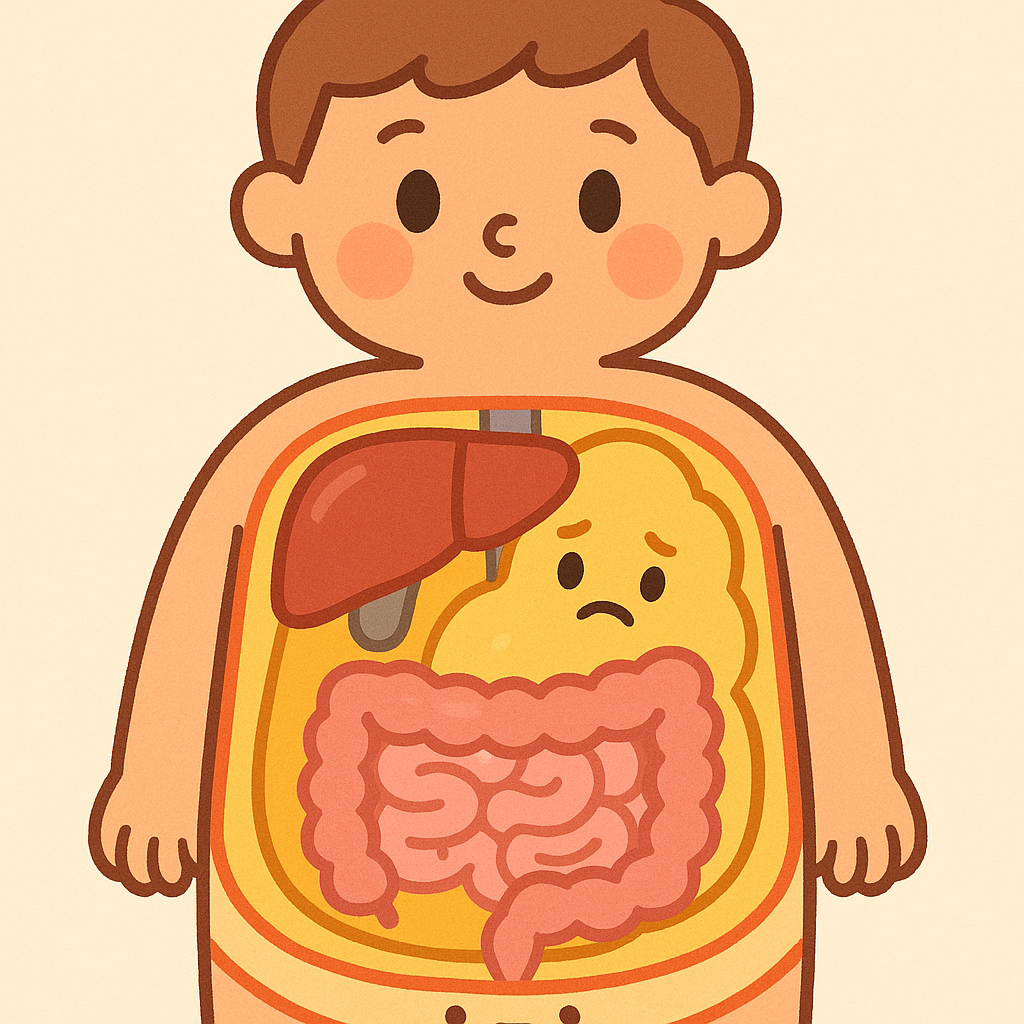
A 2024 study in Diabetes, Obesity & Metabolism looked at people with recent-onset type 1 and type 2 diabetes. Researchers found that higher adherence to the DASH diet was associated with significantly lower amounts of visceral fat and hepatic lipid content (fat stored in the liver). Over a five-year period, shifting toward a DASH-style diet helped reduce these dangerous fat depots, which are heavily linked to insulin resistance.
Shifting Your Cellular Chemistry
When you change your diet, you change the microscopic molecules floating in your bloodstream. A 2022 study in The British Journal of Nutrition used advanced testing to look at the metabolomic profile of people following the DASH diet.
They found that eating this way creates a unique signature of Acylcarnitines (a-sil-CAR-nih-teens), which are molecules involved in how cells burn fat for energy. Having this specific metabolic signature was associated with a significantly lower risk of developing type 2 diabetes over a five-year period.
Can the DASH Diet Slow Down Aging?
One of the most fascinating new areas of research is how food affects biological aging. Your chronological age is the number of candles on your birthday cake. Your biological age is how old your cells actually act.
Scientists measure biological age using “epigenetic clocks.” Epigenetics (eh-pee-juh-NET-iks) refers to chemical tags on your DNA that turn genes on or off without changing the underlying genetic code.
A 2022 study using the Framingham Heart Study cohort looked at nearly 2,000 participants. The researchers found that a higher DASH diet score was associated with slower epigenetic age acceleration. In other words, people eating a DASH diet were aging more slowly at a cellular level, which partially explained why they lived longer.
Another 2022 study of Italian adults confirmed this. They found that both the traditional Mediterranean diet and the DASH diet delayed biological aging. When researchers dug deeper, they discovered that the anti-aging effect of the DASH diet was largely explained by its high content of Polyphenols (pah-lee-FEE-nols). Polyphenols are natural plant compounds found in fruits, vegetables, and seeds that act as antioxidants and reduce cellular stress.
The MIND Diet: DASH for Your Brain
As researchers realized the cardiovascular benefits of the DASH diet, they wondered if it could also protect the blood vessels in the brain. This led to the creation of the MIND diet (Mediterranean-DASH Intervention for Neurodegenerative Delay).
The MIND diet takes the best parts of the DASH diet and the Mediterranean diet and tweaks them specifically for brain health. For example, while the DASH diet recommends fruit in general, the MIND diet specifically highlights berries because of their proven neuroprotective properties. It also heavily emphasizes green leafy vegetables.
Dementia and Cognitive Decline
A massive 2025 study in EClinicalMedicine analyzed data from nearly 170,000 people in the UK Biobank. They compared 10 different healthy eating patterns. The MIND diet emerged as the most protective for the brain. Strict adherence to the MIND diet was significantly associated with a reduced risk of dementia, stroke, depression, and anxiety.
Furthermore, a 2025 study in Nutritional Neuroscience looked at the spinal fluid of middle-aged adults without dementia. They found that those who closely followed the MIND diet had lower levels of pathological amyloid-beta, a protein that clumps together in the brains of people with Alzheimer’s disease.
However, the science is still evolving. A 2022 study in Alzheimer’s Research & Therapy followed a population in the Netherlands for over 15 years. While they found that the MIND diet lowered dementia risk in the first seven years, the protective effect faded over longer periods. The researchers suggested that “reverse causality” might be at play. This means that as people secretly begin to develop the very early, unnoticed stages of dementia, their eating habits might worsen. Therefore, poor diet might sometimes be an early symptom of cognitive decline rather than the sole cause.
How This Might Work Inside the Body
How does a diet of vegetables, whole grains, and lean proteins actually translate into lower blood pressure and better brain health? Science points to a few key mechanisms.
The Gut Microbiome
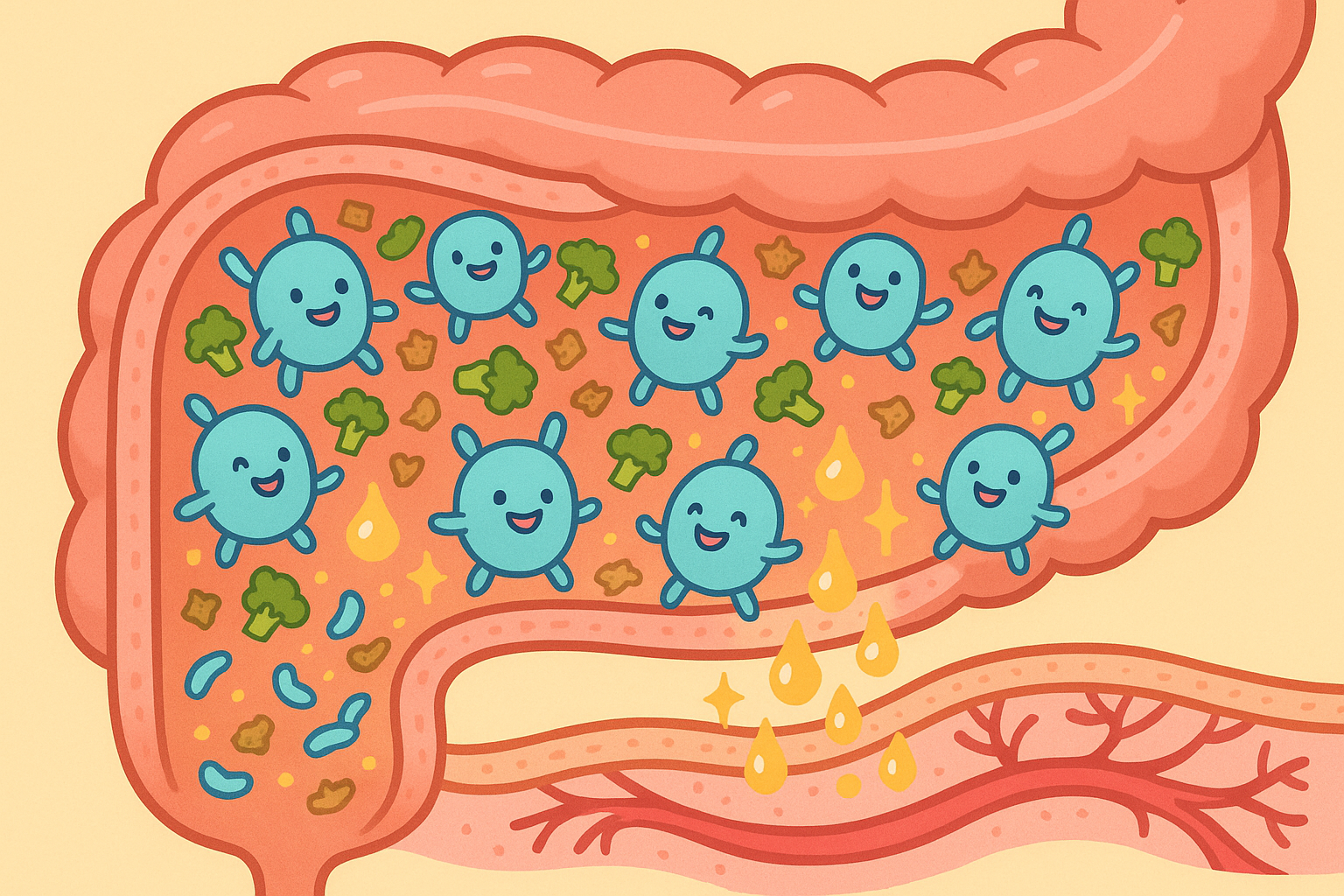
Your digestive tract is home to trillions of bacteria that help digest food and produce chemicals that enter your bloodstream. Related: How the Gut-Brain Connection Actually Works: What the Latest Science Says
A 2026 study in Nutrients examined how the DASH diet affects the gut microbiome in Chinese adults. They found that the diet increased the abundance of a beneficial bacteria called Bifidobacterium. This specific bacteria partially mediated the diet’s ability to lower diastolic blood pressure and “bad” LDL cholesterol. The fiber in the DASH diet feeds these good bacteria, which in turn produce compounds that relax blood vessels.
Lowering Systemic Inflammation
Chronic, low-grade inflammation is a root cause of many modern diseases, including heart disease and obesity.
A 2022 review on anti-inflammatory nutrients highlights that plant-based diets like DASH reduce levels of C-reactive protein (CRP), a major marker of inflammation in the blood. The diet achieves this by replacing pro-inflammatory trans fats and refined sugars with anti-inflammatory omega-3 fatty acids, fiber, and polyphenols. Related: What Blood Tests for Inflammation Actually Tell Us About Your Health
Who Benefits or Needs Caution
The DASH diet is universally recognized as safe and healthy for the vast majority of people. However, research shows that how well it works can depend on your genetics and cultural background.
A 2019 study of the Hispanic Community Health Study looked at how the DASH diet affected over 10,000 Hispanic and Latino adults in the US. While the diet lowered blood pressure across the board, its effects on other metabolic markers varied by heritage. For example, the diet was strongly associated with lower triglycerides in people of Central American descent, and lower waist circumference in those of South American descent. This highlights that while the DASH diet is broadly effective, individual results can vary based on genetic and cultural factors.
Additionally, people with severe kidney disease should consult a doctor before starting the DASH diet. The diet is naturally very high in potassium, which healthy kidneys easily process, but compromised kidneys can struggle to filter out.
Common Questions About the DASH Diet
Is the DASH diet only for people with high blood pressure?
No. While it was designed for blood pressure, research shows it significantly lowers the risk of type 2 diabetes, reduces hidden visceral fat, and supports brain health even in people with normal blood pressure.
Do I have to lose weight for the DASH diet to work?
The diet lowers blood pressure independently of weight loss because of its mineral content (high potassium, low sodium). However, studies show that combining the DASH diet with slight weight loss provides the most dramatic health improvements.
What is the difference between the DASH, Mediterranean, and MIND diets?
The Mediterranean diet is a cultural eating pattern rich in olive oil and fish. The DASH diet is a clinical pattern focused on specific targets for sodium, potassium, and calcium. The MIND diet blends the two, specifically highlighting brain-boosting foods like berries and leafy greens.
The Bottom Line
The scientific consensus on the DASH diet is robust. It is not a fad, but a well-researched nutritional protocol that fundamentally improves cardiovascular and metabolic health.
What we know: The DASH diet reliably lowers both systolic and diastolic blood pressure. It improves metabolic health by reducing visceral fat and liver fat. It also appears to slow down biological aging at the cellular level by providing high levels of anti-inflammatory polyphenols.
What remains uncertain: While its derivative, the MIND diet, shows great promise in reducing the risk of dementia and Alzheimer’s disease, scientists are still debating whether long-term diet alone can prevent these conditions, or if the relationship is complicated by other lifestyle factors.
Ultimately, adopting a DASH-style eating pattern is one of the most evidence-based decisions you can make to protect your heart, manage your weight, and support your long-term cellular health.
Quick Reference: Key Studies
| Study Focus | Key Finding | Source |
|---|---|---|
| Blood Pressure | Meta-analysis showed DASH lowers systolic BP by 6.7 mmHg and diastolic by 3.5 mmHg. | PMID 25149893 |
| Biological Aging | Higher DASH adherence is linked to slower epigenetic aging at the cellular level. | PMID 34134146 |
| Visceral Fat | Shifting to a DASH diet lowers dangerous visceral fat and liver fat in diabetics. | PMID 39010284 |
| Brain Health | The MIND diet (DASH hybrid) is associated with reduced risk of dementia, stroke, and depression. | PMID 41245532 |
| Gut Microbiome | DASH diet increases beneficial Bifidobacterium, which helps lower blood pressure. | PMID 41829967 |
| Alzheimer’s Biomarkers | High MIND diet adherence is linked to less pathological amyloid-beta in spinal fluid. | PMID 41368801 |
Last updated: May 2026
This article synthesizes findings from peer-reviewed research. It is for educational purposes only and does not constitute medical advice. Consult a healthcare provider before starting any new regimen.
Leave a Reply