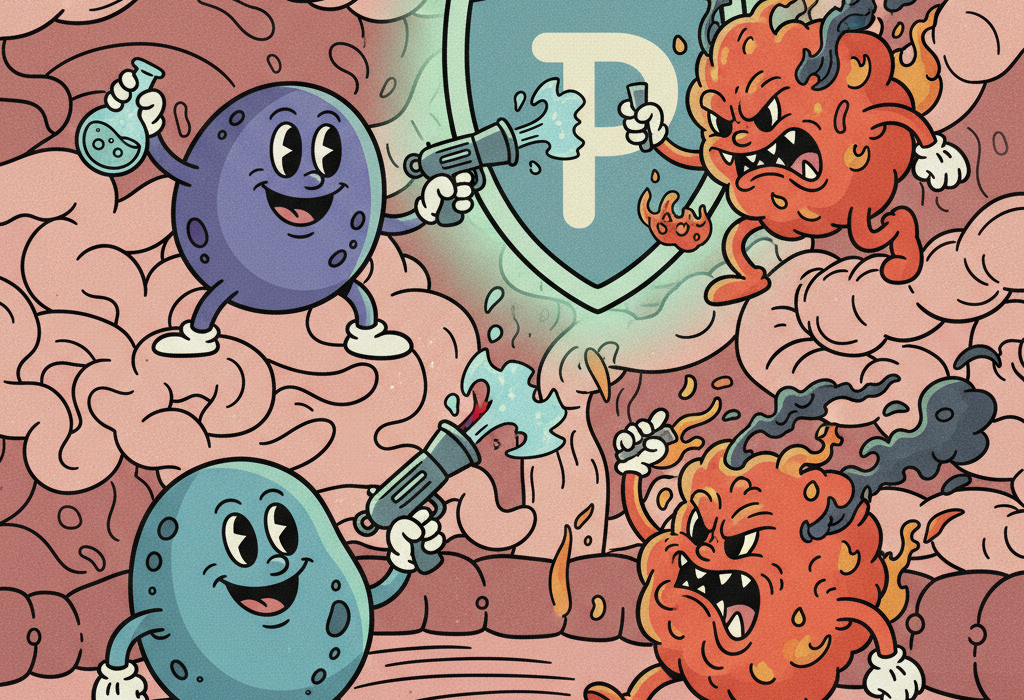
Did you know that your body contains roughly 38 trillion bacteria and 30 trillion human cells? A 2025 study in Reproductive Sciences confirmed that we are essentially half microbe by cell count. Because the vast majority of these microbes live in our digestive tract, they are in constant contact with our immune system.
When people suffer from chronic inflammation, whether from digestive issues, metabolic conditions, or even mood disorders, the gut microbiome is often involved. This has led to a surge of interest in probiotic supplements.
So, do probiotics actually reduce inflammation? The short answer is yes, but with important limits. Probiotics can help lower specific inflammatory markers by strengthening the gut barrier and altering how immune cells respond. However, they are not a cure-all for every systemic inflammatory disease, and their effectiveness depends heavily on the specific condition, the strain of bacteria, and the individual’s existing gut health.
Here is a detailed look at what current science actually says about probiotics and inflammation.
How the Gut Controls Inflammation
To understand how probiotics work, we have to understand how gut bacteria interact with the immune system. The lining of your intestines is only one cell thick. This thin barrier acts like a security fence. It must absorb nutrients while keeping toxins, undigested food, and harmful bacteria out of your bloodstream.
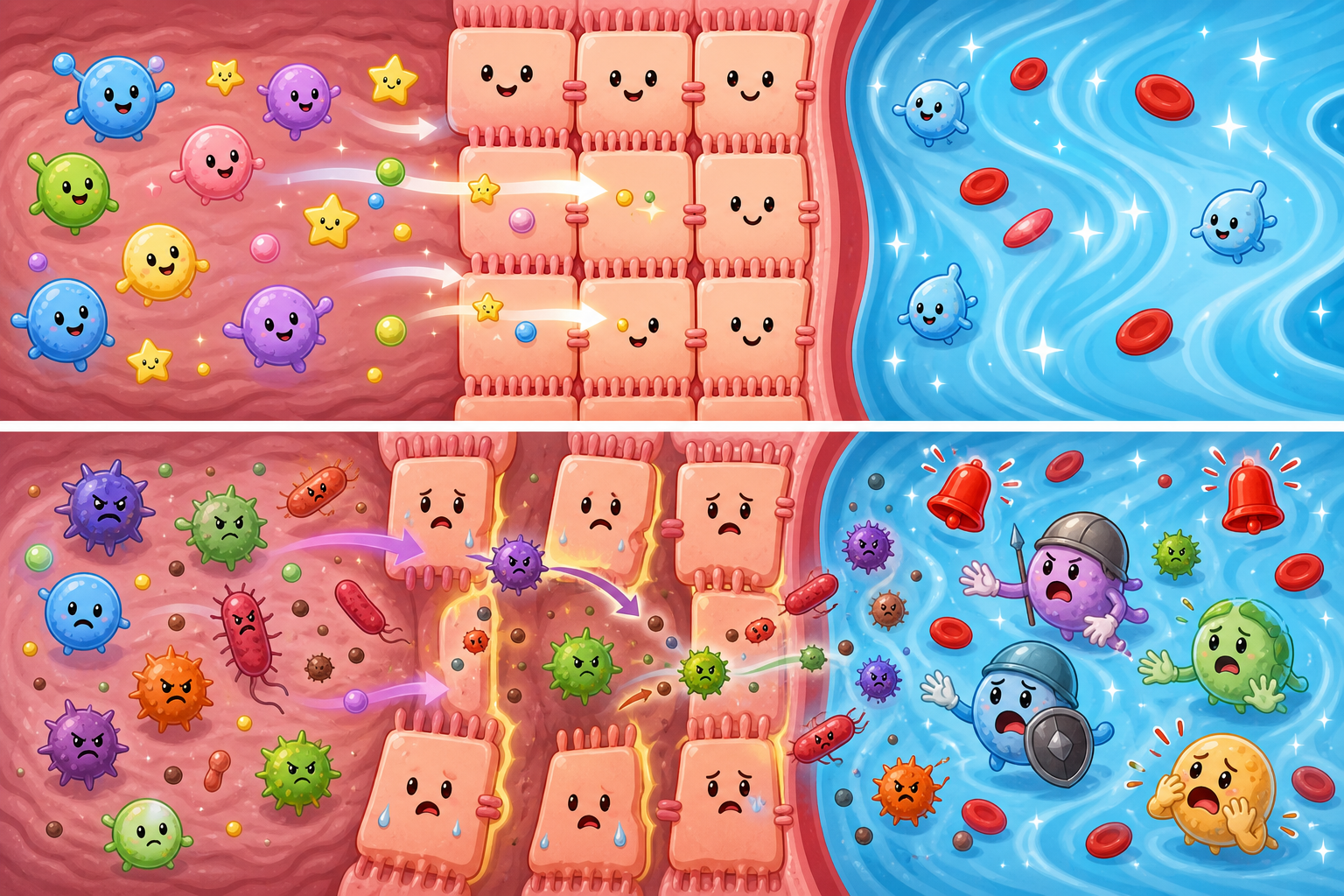
When this security fence weakens, harmful substances can leak into the blood. This triggers the immune system to launch an attack, resulting in systemic inflammation. Related: The Science of Leaky Gut: What Research Actually Shows About Intestinal Permeability.
This breakdown is often caused by Dysbiosis (dis-bye-OH-sis), which is a persistent imbalance in the types of bacteria living in your gut.
Probiotics are live, beneficial bacteria that you can consume through fermented foods or supplements. Research shows they help fight inflammation in three main ways:
- Crowding out bad bacteria: They compete for space and nutrients, preventing harmful bacteria from multiplying.
- Strengthening the barrier: They stimulate the production of mucus and tighten the junctions between intestinal cells.
- Producing postbiotics: As probiotics digest dietary fiber, they create byproducts called short chain fatty acids. A 2020 review in Nutrients explains that these byproducts actively calm the immune system and provide energy to the cells lining the colon.

What the Research Shows About Probiotics and Inflammation
The impact of probiotics varies widely depending on the type of inflammation a person is experiencing.
Digestive Inflammation and Colitis
The most direct application of probiotics is in the gut itself. Conditions like inflammatory bowel disease (IBD) and ulcerative colitis are characterized by severe intestinal inflammation and high levels of Oxidative stress (OX-ih-day-tiv stress). Oxidative stress occurs when unstable molecules damage cells and tissues.
Traditionally, oral probiotics struggle to survive the harsh, acidic environment of the stomach. To solve this, scientists are developing advanced delivery methods. A 2025 study in Advanced Science tested probiotics coated in a microscopic, protective shell. Researchers found that these “armored” probiotics successfully survived digestion, actively scavenged harmful oxidative molecules in the colon, and significantly reduced intestinal inflammation in mice. While this specific technology is still in the lab phase, it proves that delivering viable bacteria to the lower gut can directly heal inflamed tissues.
Brain Inflammation and Depression
Scientists now recognize a strong communication network between the digestive tract and the brain, known as the gut-brain axis. Related: How Your Gut Microbiome Actually Affects Brain Health.
Chronic inflammation is increasingly viewed as a driving factor in mood disorders. A 2018 review in Brain, Behavior, and Immunity found that modifying the gut microbiota with probiotics can reduce circulating inflammatory markers, which in turn may help alleviate depressive symptoms.
This anti-inflammatory effect also extends to age-related cognitive decline. A 12-week clinical trial published in 2023 studied patients with Alzheimer’s dementia. The group taking a daily multi-strain probiotic saw a significant drop in IL-1B, a major inflammatory marker. Furthermore, they experienced a 36 percent increase in Brain-derived neurotrophic factor (brayn-duh-RYVD noor-oh-TROH-fik FAK-ter), a crucial protein that protects and grows brain cells.
Exercise-Induced Inflammation
Intense physical training, like marathon running, pulls blood away from the digestive tract and toward the muscles. This temporarily damages the gut lining, leading to inflammation, fatigue, and gastrointestinal distress.
A 2024 systematic review in the Journal of the International Society of Sports Nutrition analyzed 13 clinical trials involving athletes. The researchers found that taking a daily probiotic containing at least 15 billion CFUs (colony forming units) for 28 days reduced systemic inflammation, lowered markers of muscle damage, and decreased upper respiratory infections.
Menopause and Metabolic Health
During menopause, declining estrogen levels can alter the gut microbiome, increasing the risk of weight gain, bone loss, and cardiovascular disease. A 2023 review in Current Nutrition Reports evaluated how probiotics impact menopausal health. The research indicates that specific probiotic strains can reduce systemic inflammation, improve insulin resistance, and even increase intestinal calcium absorption, which helps protect against osteoporosis.
Where the Science is Still Uncertain
While probiotics show promise for gut, brain, and metabolic inflammation, they are not powerful enough to override severe, systemic immune conditions.
For example, human immunodeficiency virus (HIV) causes profound damage to the gut immune system, leading to chronic, body-wide inflammation. A 2020 review in Current Opinion in Infectious Diseases analyzed multiple clinical trials testing probiotics in people living with HIV. The researchers concluded that probiotics did not significantly improve immune cell counts or lower systemic inflammation in this population.
This highlights an important reality in microbiome science. Probiotics can help optimize a functioning immune system, but they cannot reverse severe immune deficiency or replace targeted medical treatments.
Summary of Probiotic Effects by Condition
| Condition / Focus | Observed Effect of Probiotics | Strength of Evidence |
|---|---|---|
| Colitis / IBD | Reduces local gut inflammation and oxidative stress | Strong (in animal and early human models) |
| Depression | Lowers systemic inflammatory markers, improves mood | Moderate |
| Athletic Recovery | Reduces muscle damage markers and GI distress | Moderate to Strong |
| Menopause | Improves metabolic markers and calcium absorption | Moderate |
| HIV / Systemic Immune | No significant reduction in systemic inflammation | Weak / Ineffective |
Who Benefits Most and Who Needs Caution
Based on current research, the people most likely to benefit from probiotics for inflammation include:
- Individuals with mild to moderate gastrointestinal distress.
- Endurance athletes experiencing exercise-induced gut issues.
- People looking to support their metabolic health alongside a healthy diet.
- Individuals managing mild mood symptoms linked to chronic stress.
Caution is required for individuals with severely compromised immune systems, those undergoing chemotherapy, or patients critically ill in the hospital. In rare cases, introducing live bacteria to a highly vulnerable immune system can lead to infections. Always speak with a healthcare provider before starting a new supplement.
Common Questions About Probiotics
How long does it take for probiotics to reduce inflammation?
Most clinical trials measure results after 4 to 12 weeks of daily use. It takes time for the bacteria to influence the gut environment and for the immune system to register the change.
Does the strain of bacteria matter?
Yes. Different strains perform different functions. For example, Lactobacillus and Bifidobacterium strains are most commonly associated with anti-inflammatory benefits, but effects vary widely even within those families.
Are postbiotics better than probiotics?
Postbiotics are the beneficial compounds produced by bacteria. Because they do not contain live microbes, they are highly stable and carry zero risk of infection. Research into postbiotic supplements is growing rapidly, but they are currently harder to find than traditional probiotics.
The Bottom Line
The gut microbiome is deeply intertwined with the human immune system. Scientific evidence clearly shows that probiotics can help reduce specific types of inflammation by strengthening the intestinal barrier, crowding out harmful bacteria, and producing calming chemical signals.
However, probiotics work best as a supporting player rather than a primary cure. They show impressive results for gut-specific issues, exercise recovery, and mood support, but they fall short when tasked with resolving severe, systemic immune diseases.
Quick Reference: Key Studies
| Study Focus | Key Finding | Source |
|---|---|---|
| Alzheimer’s Disease | 12 weeks of probiotics increased brain-protecting proteins and lowered inflammatory markers. | PMID 38201846 |
| Athletic Performance | 15 billion CFUs daily reduced GI distress and muscle damage markers in athletes. | PMID 39193818 |
| HIV Infection | Probiotics failed to significantly reduce systemic inflammation in HIV patients. | PMID 31789692 |
| Postbiotics | Bacterial byproducts like short-chain fatty acids actively calm the immune system. | PMID 32717965 |
| Menopause | Probiotics improved metabolic markers and bone health in postmenopausal models. | PMID 36746877 |
| Colitis Technology | Nano-coated probiotics survived digestion to actively heal colon inflammation. | PMID 40067175 |
| Depression | Gut microbiota manipulation shows promise in reducing inflammation-driven depressive symptoms. | PMID 30009996 |
Last updated: September 2026
This article synthesizes findings from peer-reviewed research. It is for educational purposes only and does not constitute medical advice. Consult a healthcare provider before starting any new regimen.

Leave a Reply