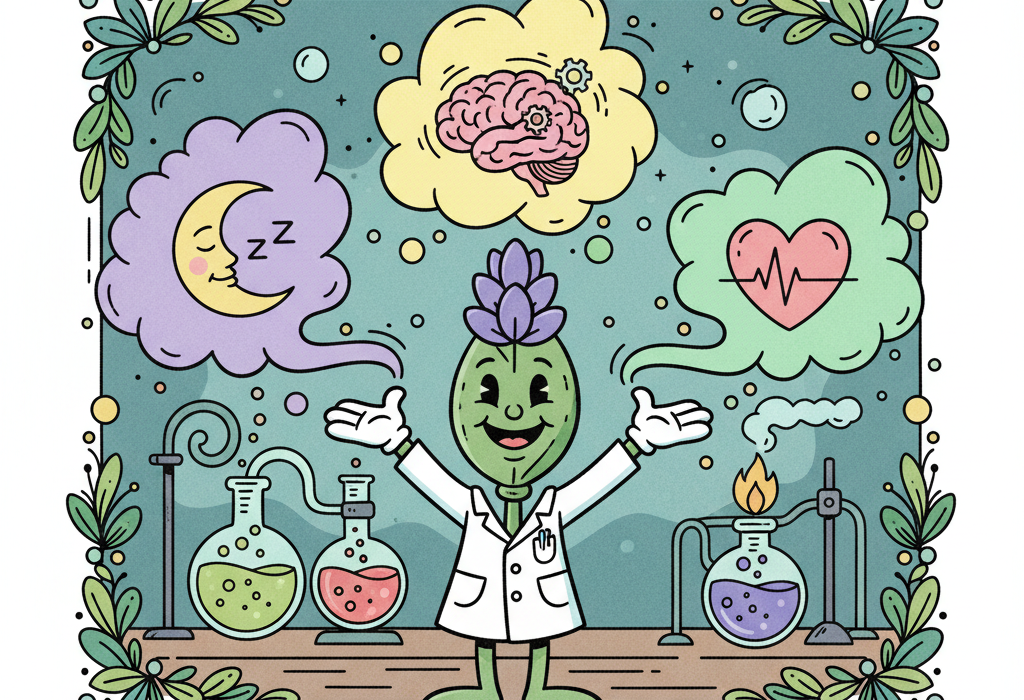
Have you ever peeled an orange and immediately felt a little more awake? Or noticed that the smell of a pine forest makes you take a deeper, slower breath? For centuries, traditional medicine has used the scents of plants to treat various ailments. Today, we call this aromatherapy.
But is aromatherapy just a pleasant experience, or is there real science behind it?
The short answer is that aromatherapy is more than just a nice smell. Essential oils contain volatile chemical compounds that can enter your bloodstream and interact directly with your brain. Research shows that certain essential oils can help reduce mild anxiety, improve sleep quality, and act as an antibacterial agent. However, they are not a cure-all, and because they contain highly concentrated chemicals, they carry real risks if used incorrectly.
Here is a detailed look at what modern science says about aromatherapy, how it affects your body, and where the evidence falls short.
How Aromatherapy Affects the Brain and Body
To understand how a scent can change your physical state, it helps to look at how your body processes smells.
When you inhale an essential oil, microscopic volatile molecules travel up your nose and bind to olfactory receptors. These receptors send immediate electrical signals to your olfactory bulb, which is directly connected to the limbic system (LIM-bik SIS-tuhm) (the part of the brain involved in our behavioral and emotional responses).
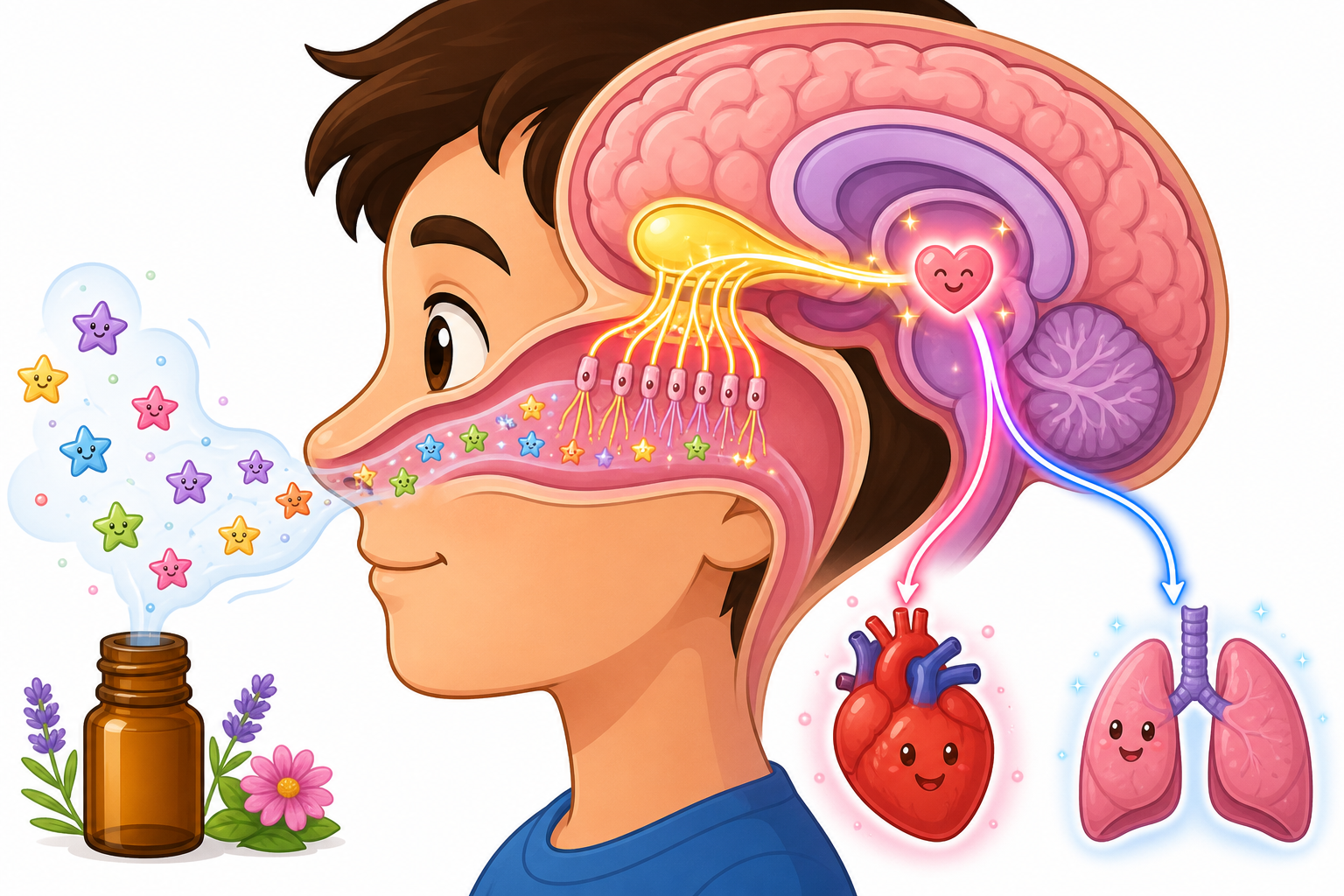
Because the limbic system interacts directly with the autonomic nervous system (aw-tuh-NOM-ik) (the system that controls involuntary body functions like heart rate, breathing, and digestion), a smell can trigger a rapid physical response.
According to a 2023 scoping review in Molecules, inhaling certain essential oils can lead to measurable physiological changes within 15 minutes. These changes include altered brain wave patterns, reduced blood pressure, and decreased levels of cortisol (a primary stress hormone). Related: How Cortisol and Antioxidants Control Your Stress Response
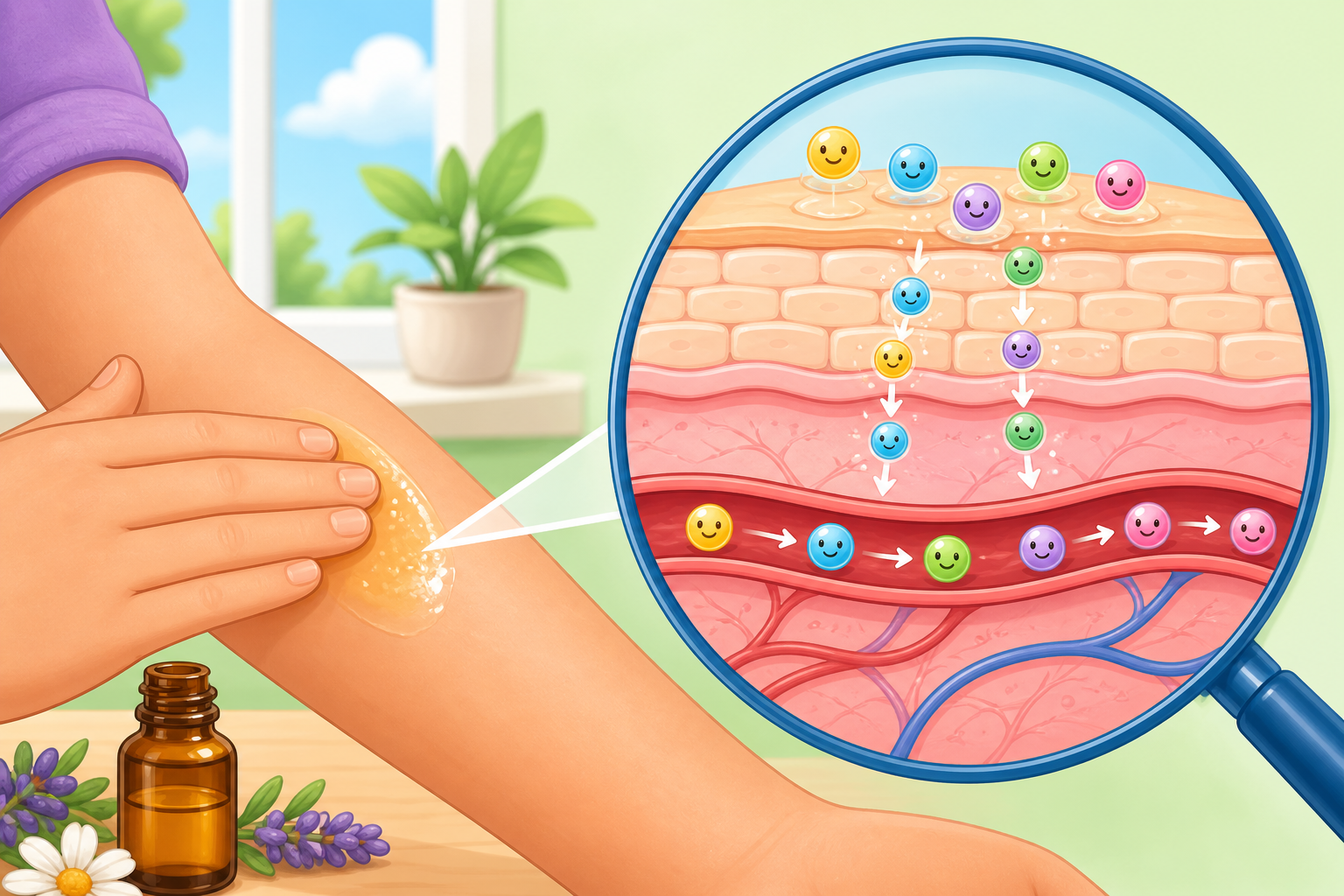
Additionally, when essential oils are diluted and applied to the skin during a massage, their chemical components are absorbed through the skin and enter the bloodstream, where they can exert local anti-inflammatory or pain-relieving effects.
What the Research Shows
Scientists have studied essential oils for everything from hospital infection control to dementia care. Here is a breakdown of what the evidence currently supports.
Stress, Anxiety, and Sleep
The most robust evidence for aromatherapy lies in its ability to manage mild stress and anxiety.
A 2023 systematic review in Complementary Therapies in Clinical Practice analyzed over 70 studies involving more than 6,000 patients. The researchers found that over 70% of the trials reported a positive effect on anxiety levels when patients used inhalation aromatherapy. Many of these studies backed up patient questionnaires with hard physiological data, showing that aromatherapy lowered heart rates and reduced salivary cortisol levels.
Lavender is the most heavily researched oil for relaxation. Its primary chemical components, linalool and linalyl acetate, appear to interact with neurotransmitters in the brain to produce a calming effect, similar to how some mild anti-anxiety medications work, though much weaker.
Pain Management
Aromatherapy is frequently used as a complementary therapy for pain, but the results are mixed depending on the type of pain.
For example, a 2024 network meta-analysis in BMJ Evidence-Based Medicine looked at non-pharmacological treatments for severe menstrual cramps. The researchers found that aromatherapy provided a positive reduction in pain, though physical exercise and acupuncture were statistically more effective.
Similarly, a 2025 review in Rheumatology International found that aromatherapy massage can help reduce pain and improve joint function in people with rheumatoid arthritis, likely by lowering inflammatory markers in the body.
However, aromatherapy is not a replacement for medical pain relief in severe cases. A 2021 randomized controlled trial in the Journal of Reconstructive Microsurgery tested lavender oil on women recovering from microvascular breast reconstruction surgery. Compared to a coconut oil placebo, the lavender oil provided no measurable advantage in reducing postoperative pain, anxiety, or depression.
Cognitive Health and Dementia
In many nursing homes, aromatherapy is used to help calm patients with dementia who experience agitation or behavioral distress.
However, the scientific evidence here is surprisingly weak. A 2020 Cochrane Database Systematic Review analyzed 13 studies involving 708 participants with dementia. The reviewers concluded that there is no convincing evidence that aromatherapy is broadly beneficial for managing dementia symptoms. While a few small trials showed minor improvements in agitation, the overall data was inconsistent and many studies suffered from poor design. Related: Can We Prevent Age-Related Cognitive Decline? What Science Actually Shows
Interestingly, research into scents and brain structure in healthy adults is ongoing. A 2024 study in Brain Research Bulletin asked healthy women to wear a rose scent on their clothes for a month. MRI scans showed that this continuous inhalation actually increased gray matter volume in specific parts of the brain, suggesting that constant olfactory stimulation might physically influence brain structure over time.
Antimicrobial and Preservative Properties
Beyond mental and physical health, essential oils are highly effective at killing bacteria and fungi.
A 2024 review in Frontiers in Medicine highlighted that oils from lemon, orange, cinnamon, and thyme contain compounds that disrupt bacterial cell walls. For instance, lemon and orange oils are rich in limonene, a compound that prevents the growth of food-spoiling pathogens like Listeria. Because of this, the food industry is actively researching essential oils as natural preservatives.
Summary of Common Essential Oils
Different plants produce distinct chemical profiles. Here is a brief look at how specific oils are commonly used in research:
| Essential Oil | Primary Active Compounds | Documented Effects in Research |
|---|---|---|
| Lavender | Linalool, linalyl acetate | Mild sedation, anxiety reduction, sleep improvement. |
| Peppermint | Menthol | Increased alertness, reduced mental fatigue, mild pain relief. |
| Citrus (Lemon/Orange) | Limonene | Antimicrobial activity, mood elevation, potential food preservative. |
| Eucalyptus | 1,8-cineole (eucalyptol) | Antibacterial properties, airway clearance, anti-inflammatory effects. |
| Rosemary | Monoterpenes | Improved cognitive task performance, antioxidant activity. |
Safety, Risks, and Who Should Be Careful
Because essential oils are natural, many people assume they are completely safe. This is a dangerous misconception. Essential oils are highly concentrated plant chemicals. When used incorrectly, they can cause significant harm.
Endocrine Disruption in Children
Certain essential oils can act as endocrine disruptors (EN-duh-krin dis-RUP-ters) (chemicals that can interfere with the body’s hormone system).
A 2020 review in The Yale Journal of Biology and Medicine highlighted a known link between the regular topical use of lavender and tea tree oils and abnormal breast tissue growth in prepubescent children (a condition called prepubertal gynecomastia and premature thelarche). Research suggests these specific oils can mimic estrogen and block androgen receptors in the body. Parents should avoid using lavender or tea tree oil lotions, soaps, or shampoos on young children.

Pregnancy and Midwifery Risks
Pregnant women must be highly cautious with essential oils. A review in Complementary Therapies in Nursing & Midwifery warns that certain oils are “emmenagogic” (meaning they can stimulate blood flow in the pelvic area and potentially encourage uterine contractions).
While culinary herbs are safe in normal food amounts, highly concentrated essential oils like pennyroyal, sage, and cedarwood should be strictly avoided during pregnancy. Pregnant women should always consult an obstetrician before using any aromatherapy products.
Skin Irritation and Sun Sensitivity
Applying undiluted essential oils directly to the skin can cause severe allergic reactions and chemical burns. Essential oils must always be diluted in a “carrier oil” (like coconut, jojoba, or almond oil) before topical use.
Furthermore, citrus oils (like lemon, lime, bergamot, and sweet orange) are phototoxic. If you apply these oils to your skin and go out into direct sunlight, they can cause severe blistering and hyperpigmentation.
Common Questions About Aromatherapy
Can I ingest essential oils?
No. You should never swallow essential oils unless under the direct supervision of a qualified medical doctor. Ingesting essential oils can cause severe toxicity, chemical burns in the esophagus, and liver damage.
Do essential oils cure diseases?
No. While they can help manage symptoms like mild pain, stress, and sleep disturbances, there is no scientific evidence that essential oils can cure underlying diseases, cancer, or severe infections.
Are essential oils safe for pets?
Many essential oils are highly toxic to dogs and cats. Cats, in particular, lack a specific liver enzyme needed to break down essential oil compounds. Diffusing oils like eucalyptus, tea tree, or peppermint in a closed room can cause respiratory distress or neurological issues in pets.
The Bottom Line
The science of aromatherapy shows that inhaling or topically applying essential oils can have a real, measurable impact on your body.
- What we know: Aromatherapy is an effective, low-risk way to manage mild daily stress, improve sleep quality, and create a calming environment. Certain oils also have proven antibacterial properties.
- What remains uncertain: Evidence for using aromatherapy to treat severe pain, surgical recovery, or dementia-related agitation is currently weak or conflicting.
- How confident we are: We are highly confident that essential oils contain active pharmacological compounds. Because they are biologically active, we are equally confident that they carry real risks, including skin toxicity and hormone disruption if used improperly.
If you want to use aromatherapy, treat it with the same respect you would give an over-the-counter medication. Dilute your oils, use them in moderation, and enjoy the subtle benefits they can bring to your daily routine.
Quick Reference: Key Studies
| Study Focus | Key Finding | Source |
|---|---|---|
| Stress and Anxiety | Over 70% of reviewed clinical trials showed a positive effect on anxiety levels using inhalation aromatherapy. | PMID 37031643 |
| Surgical Recovery | Lavender oil provided no significant advantage over a placebo for pain, anxiety, or sleep after breast reconstruction surgery. | PMID 33548936 |
| Dementia Care | A major review found no convincing, consistent evidence that aromatherapy reduces agitation in dementia patients. | PMID 32813272 |
| Safety and Hormones | Lavender and tea tree oils act as endocrine disruptors and are linked to abnormal breast growth in prepubescent children. | PMID 32607090 |
| Brain Structure | Continuous inhalation of a rose scent over one month increased gray matter volume in healthy adults. | PMID 38331299 |
Last updated: October 2026
This article synthesizes findings from peer-reviewed research. It is for educational purposes only and does not constitute medical advice. Consult a healthcare provider before starting any new regimen, especially if you are pregnant, nursing, or have a medical condition.


Leave a Reply