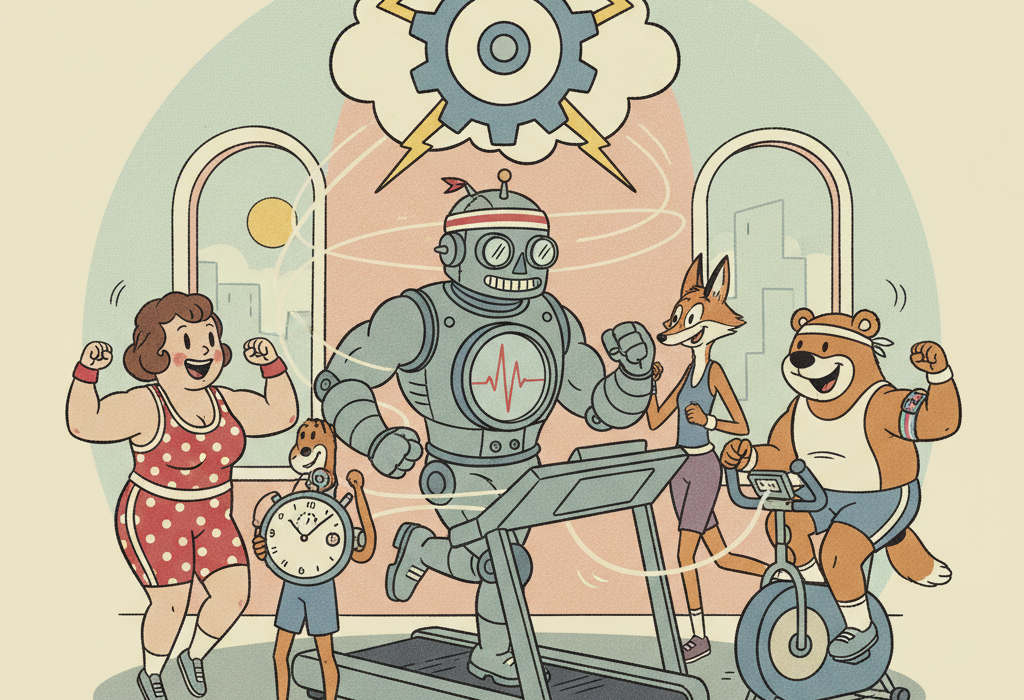
Many of us wear a smart device on our wrist. We use it to count steps, check our heart rate, and track our sleep. But does this technology actually improve our physical health?
For a long time, scientists viewed consumer fitness trackers as simple gadgets. Today, medical research paints a different picture. Wearables are now being used to guide physical therapy, help cancer survivors rebuild their strength, and track tiny bursts of daily activity that protect the heart.
However, the science of wearable technology is complex. While these devices can encourage us to move more, their accuracy depends heavily on what you are measuring and where you wear the device.
This article explores what peer-reviewed research actually says about wearables, exercise, and your health. We will look at how these devices track your body chemistry, how they are used in medical rehabilitation, and where their measurements fall short.
How Wearables Track Your Body Chemistry
To understand the benefits and limits of wearable technology, it helps to know how they collect data. Most wrist-worn devices use a technology called photoplethysmography (foe-toe-pleth-is-MOG-rah-fee). This simply means using light to measure blood flow. The device shines a small light into your skin and measures how much light bounces back as your blood pulses.
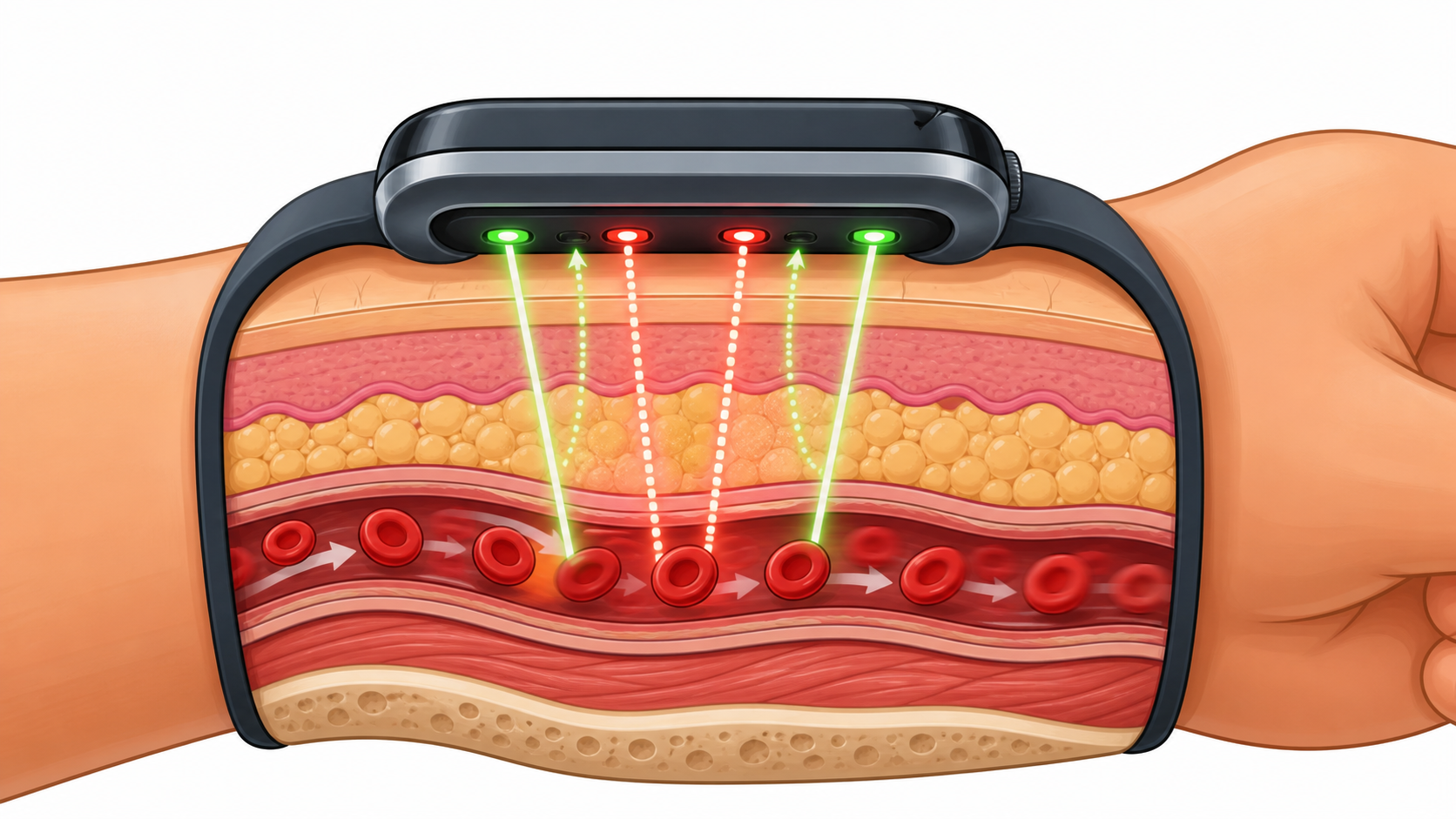
A 2023 review in the Journal of the American College of Cardiology explains that while this light-based technology is good for resting heart rates, it has limitations during heavy exercise. When you move your arms vigorously, the sensor can shift, making the data less accurate.
Beyond basic heart rate, wearables attempt to measure more complex health signs:
- Heart Rate Variability (HRV): This measures the tiny time differences between your heartbeats. High HRV generally means your body is recovering well from stress. Low HRV can signal fatigue or illness.
- VO2 peak (vee-oh-two peak): This estimates the maximum amount of oxygen your body can use during intense exercise. It is a strong indicator of overall fitness and longevity.
While wearables provide helpful estimates for these numbers, the research notes that they are not perfect. For example, a smartwatch might overestimate your VO2 peak if it relies only on your resting heart rate. Because of this, scientists recommend looking at your own personal trends over weeks and months, rather than worrying about a single daily number.
Related: Beyond Step Counting: What Science Says About the Future of Wearable Health Monitors
Wearables in Physical Rehabilitation
One of the most heavily researched areas for wearable technology is medical rehabilitation. When patients recover from surgery or manage a chronic illness, going to a physical therapy clinic multiple times a week can be difficult. Wearables bridge this gap by bringing the clinic into the home.
Cancer Recovery
Cancer treatments often take a heavy toll on the heart and lungs. A 2025 study in JMIR mHealth and uHealth looked at lung cancer survivors who had recently undergone surgery. Researchers divided the patients into two groups. One received standard care, while the other used a wearable chest strap and a mobile app that provided an artificial intelligence-guided exercise program.
The results were highly positive. The group using the wearable technology saw significant improvements in their cardiovascular fitness (their VO2 peak) and their overall quality of life. They also reported less fatigue and less anxiety. Remarkably, the patients using the wearable program had an exercise compliance rate of 101 percent, meaning they actually completed slightly more exercise than they were prescribed.
Joint Pain and Osteoarthritis
Wearables also show promise for joint health. A 2024 review in the Journal of Medical Internet Research analyzed 23 studies on telehealth exercise programs for people with knee osteoarthritis. The researchers found that patients using digital and wearable-supported programs experienced reduced knee pain and better physical function.
These programs also improved patients’ self-efficacy, which is the belief in their own ability to manage their pain and stay active.
Fall Prevention in Older Adults
For older adults, balance training is critical. A 2025 review in BMC Public Health evaluated the use of digital technology to deliver the Otago Exercise Program, a well-known routine designed to prevent falls.
The review found that delivering this program through digital means, including wearable motion sensors and online coaching, successfully improved both static balance (standing still) and dynamic balance (moving). The most effective routines involved exercising for 30 to 45 minutes, at least three times a week, for 12 weeks or more.
Related: How to Prevent Age-Related Muscle Loss: What the Latest Science Says
The “Exercise Snack” Approach
Wearables are particularly useful for tracking a new trend in health research known as “zero-time exercise” or exercise snacking.
For many people with chronic diseases, finding 45 continuous minutes to work out is a major barrier. A 2025 review in Frontiers in Public Health examined the benefits of breaking exercise into tiny, manageable chunks that require no extra time, equipment, or money. Examples include taking the stairs for two minutes, doing wall sits while waiting for the kettle to boil, or doing calf raises at a standing desk.

The research shows that these brief bursts of activity, when repeated throughout the day, can significantly improve blood sugar levels, lower resting heart rates, and maintain muscle strength. Wearables play a vital role here because they can prompt users to move every hour and automatically log these short bursts of activity, helping patients see how their “snacks” add up to a full meal of daily exercise.
Related: The Hidden Dangers of Sedentary Behavior (Even If You Exercise)
The Future of Movement: Wearable Exoskeletons
When we think of wearables, we usually picture watches or chest straps. However, medical science is advancing a new category of wearable technology: the robotic exoskeleton.
An exoskeleton is a wearable robotic suit that assists the user with movement. A 2024 trial in JAMA Network Open tested a wearable robotic exoskeleton on children with cerebral palsy. Unlike older machines that kept the patient tethered to a treadmill, this new suit allowed the children to walk freely over normal ground. The suit used sensors to detect the child’s movement and provided gentle robotic assistance to their hips and knees only when they needed it.
After six weeks of training, the children using the robotic suit showed significant improvements in their gross motor function, balance, and gait patterns compared to children doing traditional physical therapy.
Similarly, a 2021 review in the Journal of NeuroEngineering and Rehabilitation looked at exoskeletons for adults with spinal cord injuries and stroke. The researchers noted that these devices successfully help non-ambulatory patients stand and walk, which reduces the health risks of prolonged sitting (like bone loss and poor circulation).
Where The Science Is Still Uncertain
While wearables offer clear benefits for motivation and monitoring, the scientific community notes several limitations regarding their accuracy and practicality.
Accuracy Based on Placement
Where you wear a device changes how well it tracks your movement. A 2020 study in Sensors tested how well different wearable placements recognized specific exercises like push-ups, sit-ups, and running. They found that chest-mounted sensors were the most accurate (97.2 percent accuracy). Smartphones strapped to the upper arm came in second, while wrist-worn smartwatches were less accurate, especially for exercises like push-ups where the wrist does not swing freely.
Skin Tone and Sensor Reliability
As noted in the cardiovascular review mentioned earlier, light-based sensors can struggle to get accurate readings through darker skin tones. This is particularly true for measuring blood oxygen levels (SpO2). Melanin absorbs light, which can sometimes confuse the sensor and lead to less reliable data. Researchers are actively working on better algorithms to correct this disparity, but it remains an area of ongoing scientific focus.
Exoskeleton Limitations
While robotic exoskeletons are highly beneficial, current models remain heavy and bulky. Many weigh between 15 and 40 pounds. They also require the user to rely on crutches or a walker for balance, and they usually require supervision from a trained caregiver.
Common Questions About Wearables and Exercise
Do I really need to take 10,000 steps a day?
The 10,000-step goal actually originated from a marketing campaign in the 1960s, not from a medical study. However, a 2023 review in Current Cardiology Reports confirms that getting between 6,000 and 10,000 steps daily is associated with a lower risk of heart disease and a longer lifespan. The exact number matters less than simply aiming to move more than you did yesterday.
Can a smartwatch tell if I am having a heart attack?
No. Current consumer smartwatches cannot detect a heart attack. Some devices have received regulatory approval to detect Atrial Fibrillation (an irregular heart rhythm), but they cannot detect the blocked arteries that cause a heart attack. Always seek emergency medical care if you experience chest pain.
Are wrist fitness trackers accurate for counting calories burned?
Most research shows that wrist wearables are fairly accurate at counting steps and measuring resting heart rate, but they often struggle to accurately calculate calories burned. They provide a reasonable estimate, but the number should be viewed as a rough guide rather than an exact measurement.
The Bottom Line
Wearable technology has evolved from simple pedometers into sophisticated tools for health monitoring and disease rehabilitation.
We know that wearables improve exercise compliance. When people can see their data and receive gentle digital nudges, they are more likely to stick to a routine. We also have strong evidence that wearables allow doctors to safely monitor patients recovering from cancer, strokes, and joint pain from the comfort of their own homes.
What remains uncertain is the absolute accuracy of some commercial devices, particularly during high-intensity exercise or when measuring complex metrics like VO2 peak.
Ultimately, the science suggests that you should not obsess over a single daily metric on your watch. Instead, use your wearable to look at your long-term trends, celebrate small bursts of daily movement, and stay motivated to keep active.
Quick Reference: Key Studies
| Study Focus | Key Finding | Source |
|---|---|---|
| Heart Health & Wearables | Outlines how wearables track heart rate, HRV, and oxygen, noting limits in light-based sensors during intense exercise. | PMID 37438010 |
| Lung Cancer Rehab | Patients using a wearable app for post-surgery rehab saw improved fitness and had a 101% exercise compliance rate. | PMID 39999435 |
| Knee Osteoarthritis | Telehealth and wearable programs effectively reduced pain and improved physical function in joint pain patients. | PMID 39094114 |
| Robotic Exoskeletons | Wearable robotic suits improved gross motor function and gait in children with cerebral palsy. | PMID 39037815 |
| Zero-Time Exercise | Brief, equipment-free “exercise snacks” tracked throughout the day significantly improve metabolic health. | PMID 41283031 |
| Wearable Placement | Chest-mounted sensors proved more accurate (97.2%) than wrist-worn devices for tracking specific exercise movements. | PMID 33375683 |
Last updated: October 2026
This article synthesizes findings from peer-reviewed research. It is for educational purposes only and does not constitute medical advice. Consult a healthcare provider before starting any new regimen.



Leave a Reply