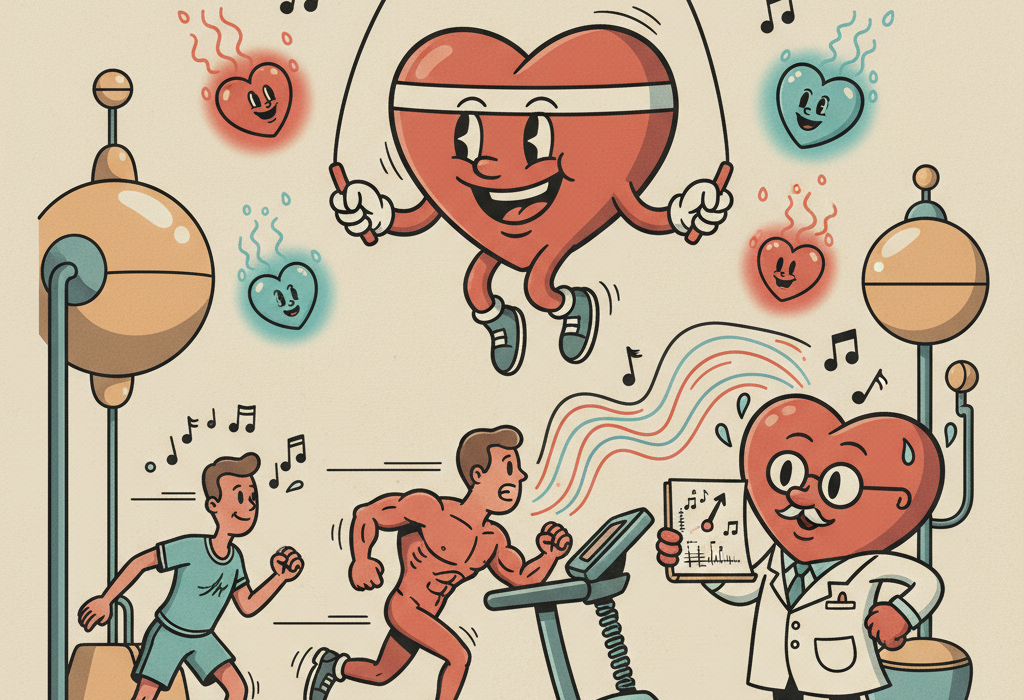
High-intensity interval training (HIIT) involves short bursts of very hard exercise followed by periods of rest or light activity. Many people use smartwatches and heart rate monitors to track these workouts, aiming for specific heart rate zones to maximize fat burning and cardiovascular health. But does this method actually work the way we think it does?
High-intensity interval training effectively improves aerobic fitness and metabolic health, often in less time than steady exercise. However, research shows that relying solely on heart rate to measure HIIT intensity can be misleading due to physiological lag. Furthermore, while HIIT is highly beneficial for many, moderate exercise may provide equal or better heart health benefits for specific populations.
This article explores what peer-reviewed research says about HIIT, how it affects your body chemistry, and the best ways to measure your true effort.
What the Research Shows About HIIT and Health
Scientists have spent the last decade comparing HIIT to traditional, steady-state cardio. Overall, the evidence shows that short, intense intervals are highly effective for improving cardiovascular fitness and body composition.
Fitness and Fat Loss
A 2024 study in Scientific Reports compared HIIT to moderate-intensity continuous training (MICT) in college students with obesity. Both exercise styles worked, but HIIT led to greater reductions in body fat percentage and improved biochemical markers like cholesterol and uric acid.
Similarly, a 2021 study in the European Journal of Applied Physiology found that HIIT promoted a greater number of positive adaptations in cardiometabolic health compared to steady exercise. Even more interesting, most of the positive effects of the HIIT protocol lasted longer and were maintained even after the participants stopped training for four weeks.
The Problem with Heart Rate Monitors
If you use a fitness tracker during HIIT, you might notice that your heart rate does not peak until your sprint is almost over. When you sprint, your muscles demand energy instantly, but your heart takes time to speed up and deliver that oxygen.
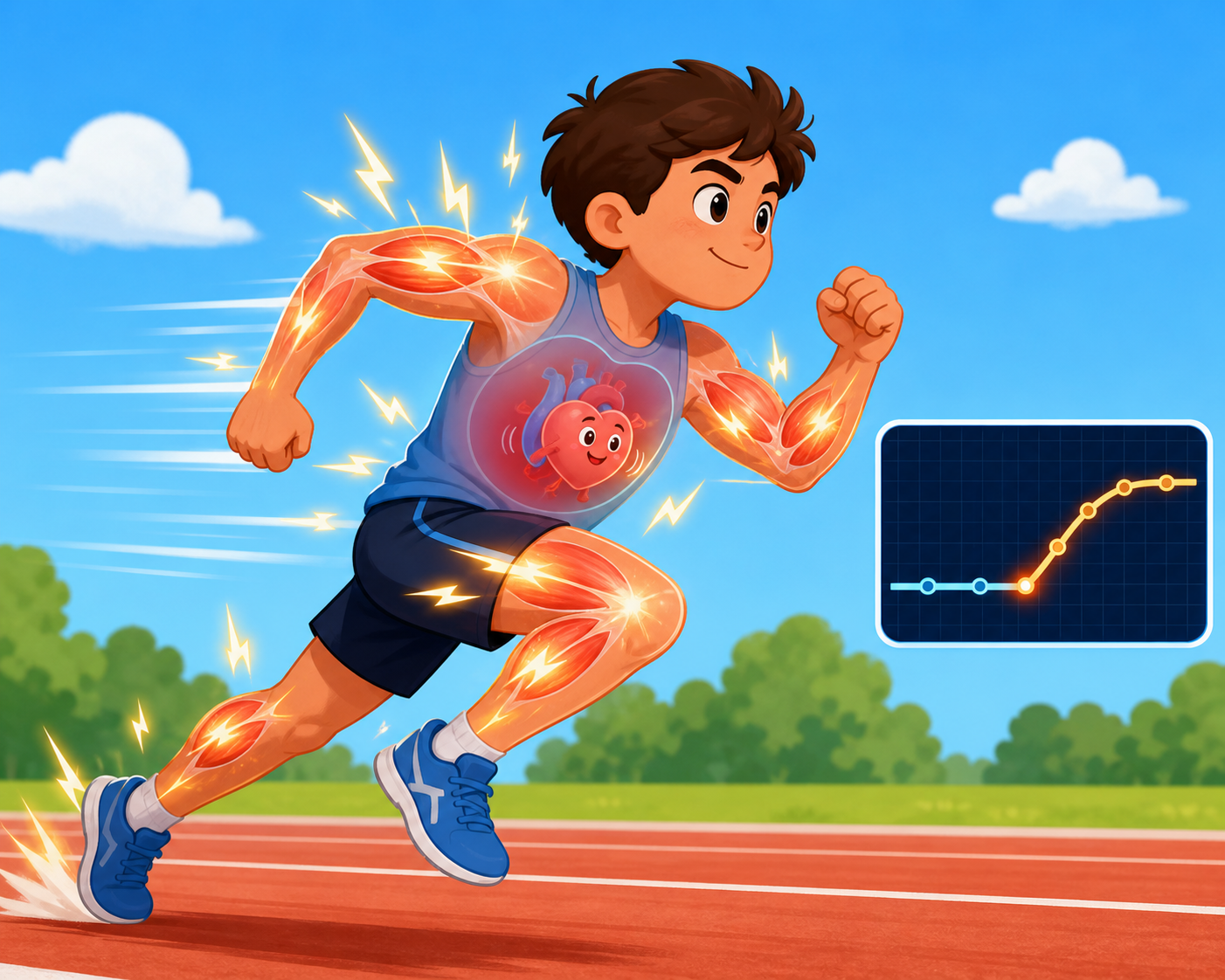
A 2021 study in the European Journal of Sport Science looking at sprint kayakers found that heart rate monitors consistently underestimated how hard the athletes were working during short sprints. The researchers compared heart rate data to actual power output (the physical force the athletes generated). Because of the natural lag in heart rate response, relying only on a heart rate monitor during short intervals of 15 to 30 seconds will likely misrepresent your actual training intensity.
Using Heart Rate Variability to Guide Training
Instead of following a rigid workout schedule, some scientists suggest using your body’s daily recovery status to dictate when you do a hard workout. This is done by measuring Heart rate variability (HRV) (hart rate vair-ee-uh-BIL-ih-tee), which is the slight variation in time between each heartbeat. HRV is used as a measure of nervous system recovery. A higher HRV generally means your body is recovered and ready for stress, while a lower HRV means you need rest.

A 2024 trial in GeroScience tested this approach in cardiac rehabilitation patients. One group did HIIT on a set schedule, while the other group only did HIIT when their daily HRV scores indicated they were well-recovered. The HRV-guided group achieved better blood pressure improvements and a better resting heart rate, even though they ended up doing less total high-intensity exercise. This suggests that the timing of intense exercise matters just as much as the exercise itself.
Related: How Your Body Clock and Stress Hormones Shape Your Health
How This Might Work in the Body
Why does exercising for a shorter amount of time produce such profound changes in the body? The answer lies in how intense stress forces the body to adapt.
When you push your body to its absolute limit, you challenge your cardiovascular system to become more efficient. This improves your Maximal oxygen consumption (VO2 max) (vee-oh-TOO-max), which is the maximum amount of oxygen your body can use during intense exercise.
HIIT also improves Endothelial function (en-doh-THEE-lee-uhl FUNK-shun), which refers to how well the inner lining of your blood vessels opens and closes to control blood flow. A 2024 study in the European Journal of Sport Science involving adolescents with obesity found that while both HIIT and steady exercise improved VO2 max equally, HIIT was superior for improving endothelial function and balancing the nervous system.
How HIIT Compares To Alternatives
In exercise science, HIIT is most frequently compared to Moderate-Intensity Continuous Training (MICT). MICT involves exercising at a steady, manageable pace (like a light jog or brisk walk) for a longer duration, usually 30 to 60 minutes.
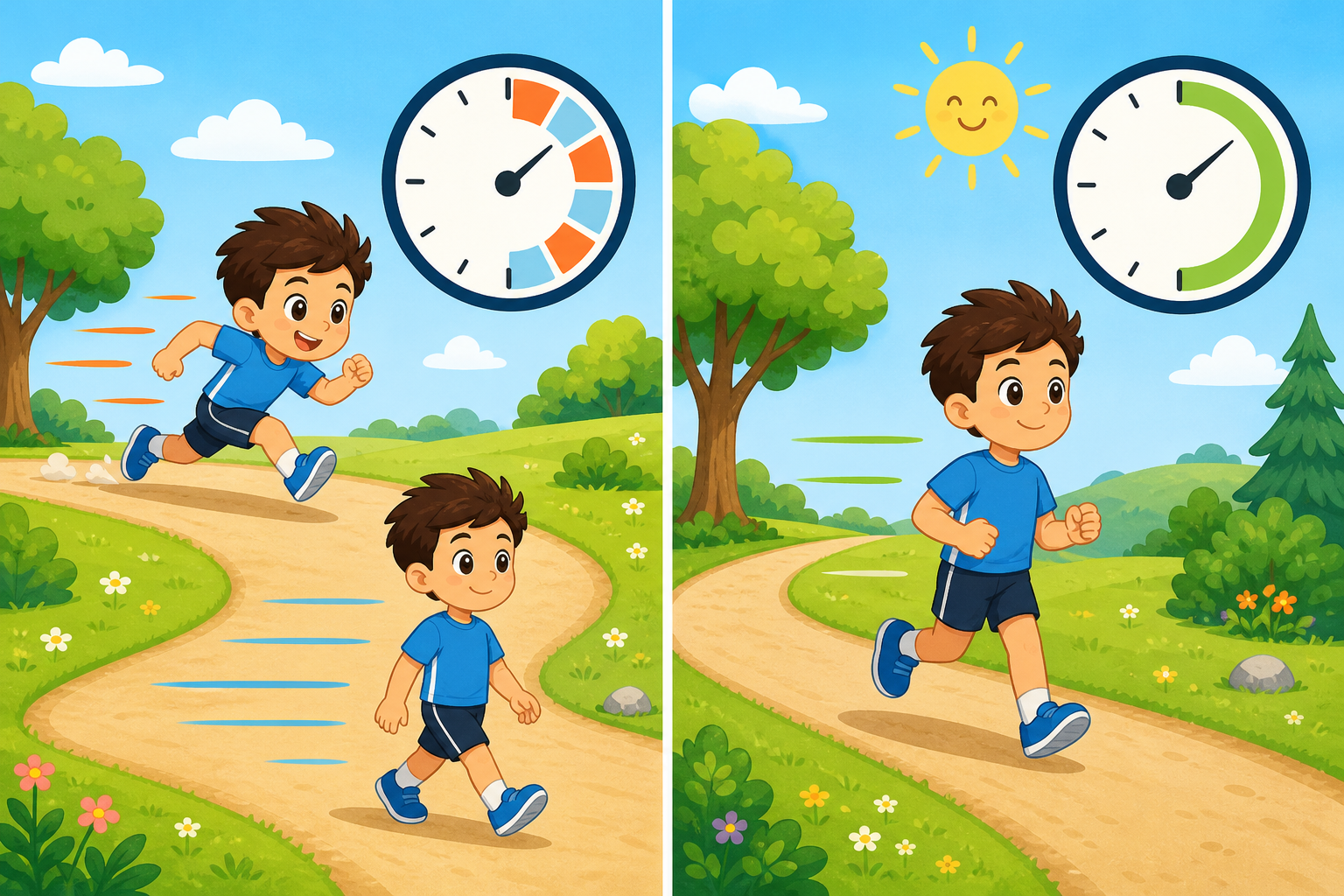
While HIIT is incredibly efficient, MICT has specific advantages, particularly when it comes to blood pressure. A 2019 randomized controlled trial in Biomedica found that while both methods improved fitness in healthy men, the steady MICT workouts resulted in a greater reduction in systolic blood pressure than the HIIT workouts.
Related: The Science of Managing High Blood Pressure: What Actually Works
Combining different types of exercise may yield the best overall results. A 2024 study in Frontiers in Endocrinology showed that combining HIIT with resistance training improved body composition, fitness, and blood sugar metabolism more effectively than doing HIIT alone in young women with overweight or obesity.
Related: How Exercise and Diet Actually Change Your Body Composition
Who Benefits Or Needs Caution
While HIIT is scalable to different fitness levels, the research clearly identifies populations that respond differently to intense interval training.
Who Benefits
- Older Adults: A massive five-year study in older adults published in the BMJ (the Generation 100 study) found that incorporating HIIT was safe for older adults. The study noted a trend toward lower all-cause mortality rates in the HIIT group compared to those who only followed standard moderate physical activity guidelines.
- Stroke Survivors: A 2024 trial in Stroke demonstrated that short-interval HIIT was a highly effective alternative to moderate continuous training for improving cardiorespiratory fitness in stroke survivors.
Who Needs Caution
- People with Heart Failure: More intense is not always better. A 2017 trial in Circulation found that HIIT was not superior to moderate exercise for reducing left ventricular remodeling in patients with stable heart failure. The researchers also noted that many patients physically struggled to reach the target heart rates required for HIIT.
- Recent Heart Attack Patients: A 2022 study in the Annals of Physical and Rehabilitation Medicine found that for patients recovering from a recent heart attack, moderate steady exercise actually produced better resting heart rate and HRV improvements than HIIT.
- Untrained Postmenopausal Women: A 2022 study in the Research Quarterly for Exercise and Sport found that a single session of HIIT caused acute cardiac stress and elevated blood pressure for up to an hour afterward in untrained postmenopausal women, suggesting that building a base level of fitness with moderate exercise first may be safer.
Common Questions About HIIT and Heart Rate
Does HIIT improve heart rate variability?
Yes, regular exercise generally improves your resting HRV over the long term, which is a sign of good cardiovascular health. However, immediately after a hard HIIT session, your HRV will temporarily drop as your nervous system works to recover from the physical stress.
Why does my heart rate stay high after HIIT?
Intense exercise creates a high demand for oxygen. Your heart continues to beat faster after the workout is over to deliver oxygen to your muscles, clear out metabolic waste products like lactic acid, and help your body return to its normal resting temperature.
Is it safe to do HIIT every day?
Most sports science research suggests limiting HIIT to two or three times a week. Your nervous system and muscles need time to recover. Doing too much high-intensity work without adequate rest can lead to fatigue, decreased performance, and a higher risk of injury.
The Bottom Line
High-intensity interval training is a highly effective, time-efficient way to improve cardiovascular fitness, VO2 max, and metabolic health. However, relying strictly on a heart rate monitor to judge your effort during short sprints can be inaccurate, as your heart rate naturally lags behind your physical output.
While HIIT is excellent for building fitness, it is not a mandatory replacement for steady-state cardio. Moderate-intensity continuous training remains highly valuable and may actually be safer and more effective for lowering blood pressure in certain populations, including untrained beginners and individuals with specific heart conditions.
Finally, tuning into your body’s recovery signals, such as using daily heart rate variability readings, might be a smarter way to schedule your intense workouts rather than following a rigid weekly calendar.
Quick Reference: Key Studies
| Study Focus | Key Finding | Source |
|---|---|---|
| HIIT vs MICT in obesity | HIIT showed greater improvements in body fat percentage and biochemical markers than steady exercise. | PMID 39019997 |
| HRV-guided training | Adjusting HIIT based on daily HRV recovery led to better blood pressure results with less total high-intensity volume. | PMID 37853188 |
| Heart rate monitoring lag | Heart rate monitors consistently misrepresent and underestimate training intensity during short, maximal sprints. | PMID 32538301 |
| Aging and HIIT | A 5-year study found HIIT was safe for older adults and showed a trend toward lower all-cause mortality. | PMID 33028588 |
| Postmenopausal women | A single HIIT session caused prolonged acute cardiac stress and elevated blood pressure in untrained postmenopausal women. | PMID 34709130 |
Last updated: November 2026
This article synthesizes findings from peer-reviewed research. It is for educational purposes only and does not constitute medical advice. Consult a healthcare provider before starting any new regimen.



Leave a Reply