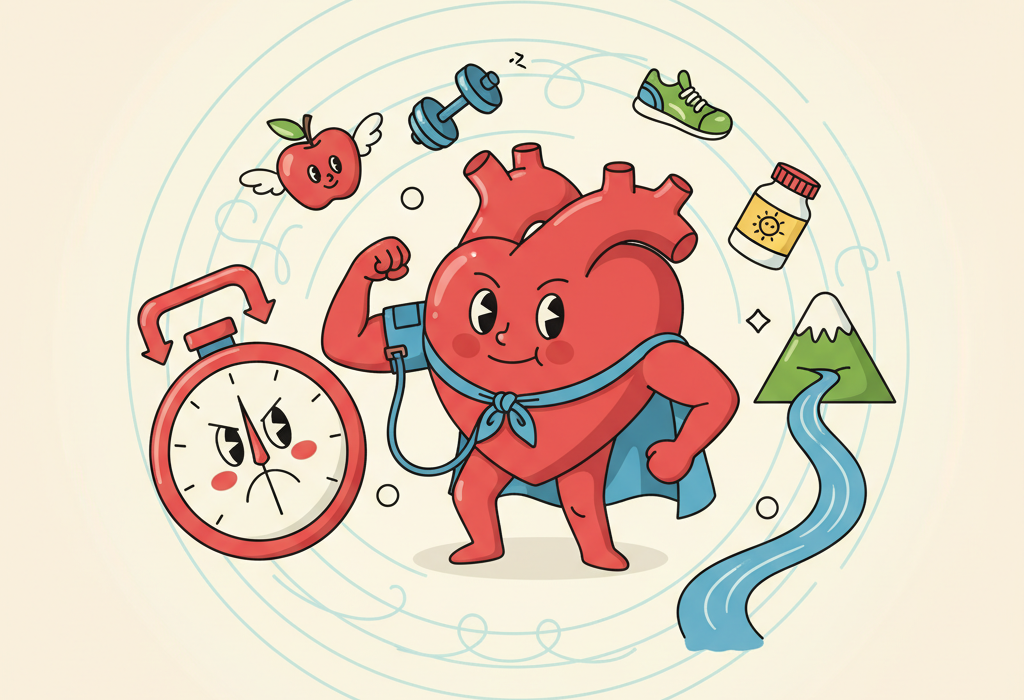
The Silent Pressure Inside You
Imagine your body’s circulatory system as the plumbing in a house. When the water pressure is too high, it puts constant, silent stress on the pipes. Over time, this stress can cause leaks, weaken the pipes, or damage the appliances connected to them.
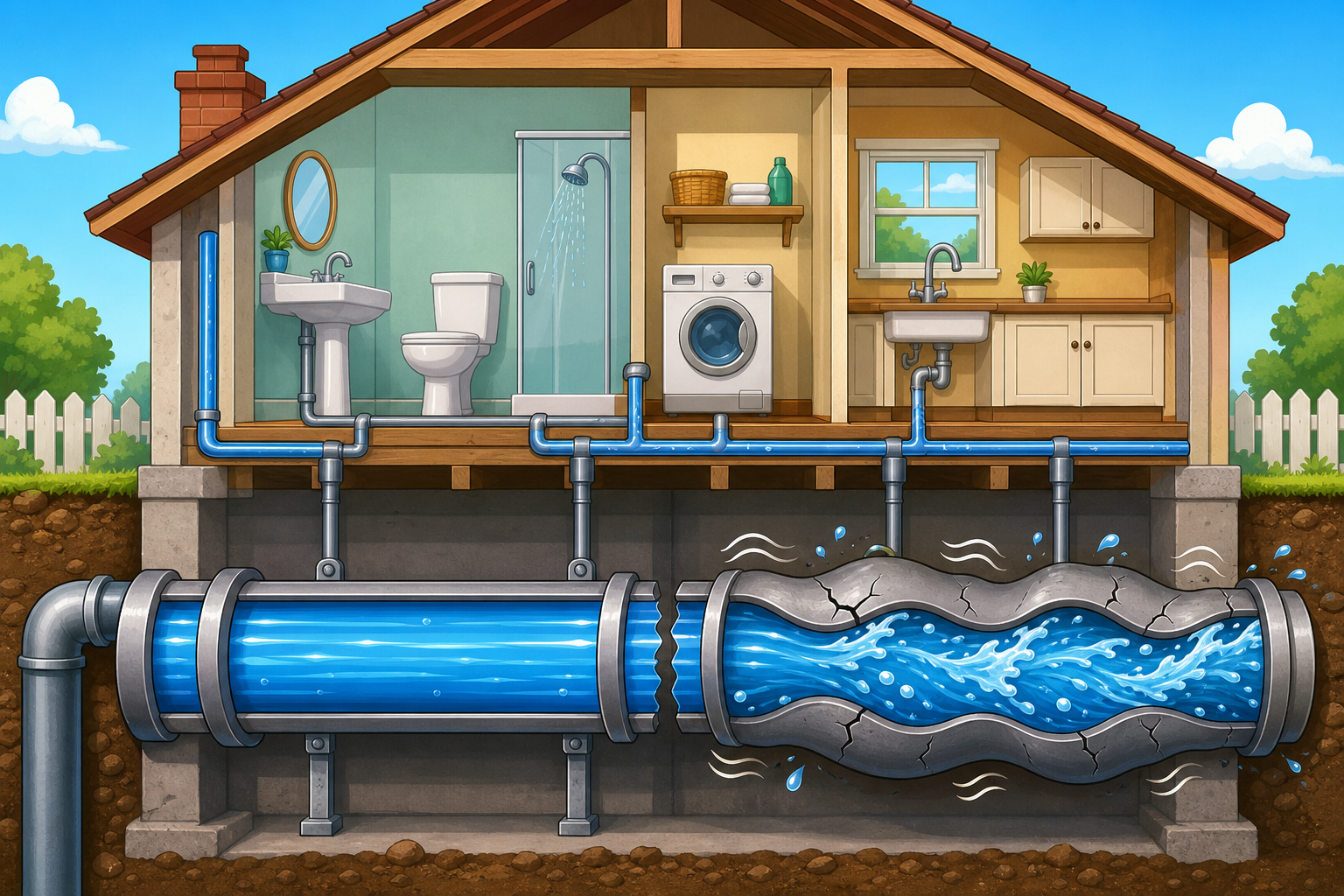
This is exactly what happens with hypertension (HI-per-ten-shun), the medical term for high blood pressure. Because it rarely causes symptoms, millions of people walk around with elevated pressure damaging their heart, brain, and kidneys without knowing it.
So, how do we fix the pressure? The answer is not just about taking a pill. A massive body of scientific research shows that managing high blood pressure requires a mix of accurate measurement, specific dietary changes, targeted exercise, and surprisingly, good sleep.
Understanding Your Numbers
Before you can manage high blood pressure, you have to understand what the numbers mean. A blood pressure reading has two parts:
- Systolic (sis-TOL-ik) – The top number. This measures the pressure in your arteries when your heart beats and pumps blood.
- Diastolic (die-uh-STOL-ik) – The bottom number. This measures the pressure in your arteries when your heart rests between beats.
According to guidelines from the American College of Cardiology and American Heart Association, normal blood pressure is below 120/80. If your top number sits between 130 and 139, or your bottom number is between 80 and 89, you are considered to have Stage 1 hypertension.
The Challenge of Accurate Measurement
One of the biggest challenges in managing blood pressure is getting an accurate reading. A 2019 scientific statement in Hypertension highlights how easily blood pressure can be misread. Using a cuff that is too small can artificially inflate your reading, while a cuff that is too large can make it look lower than it actually is.
Researchers also note two tricky phenomena:
1. White-coat hypertension: Your blood pressure is high in the doctor’s office due to stress but normal at home. While historically considered harmless, some research suggests it may carry a slight cardiovascular risk as you age.
2. Masked hypertension: Your blood pressure is normal at the doctor’s office but high during your daily life. A 2021 review in Hypertension found that masked hypertension carries a risk almost as high as having consistently high blood pressure everywhere.

Because of these variations, many doctors now rely on automated home monitors or 24-hour wearable monitors to get a true picture of your average pressure.
What the Research Shows Works for Management
When blood pressure is mildly elevated, guidelines strongly recommend starting with lifestyle changes before turning to medication. Here is what the science says actually makes a difference.
Diet and Sodium Reduction
Diet is one of the most powerful tools for lowering blood pressure. A 2018 review in Current Opinion in Cardiology confirms that diets rich in plant-based foods, whole grains, and low-fat dairy are highly effective.
Specifically, the DASH diet (Dietary Approaches to Stop Hypertension) combined with a low sodium intake consistently shows dose-dependent decreases in blood pressure. This means the stricter you are with the diet, the more your blood pressure drops. Related: What Science Actually Says About the DASH Diet and Your Health
The Surprising Role of Sleep
We often think of diet and exercise as the pillars of heart health, but sleep is just as critical. A 2018 study in Current Hypertension Reports explored the link between sleep duration, insomnia, and blood pressure.
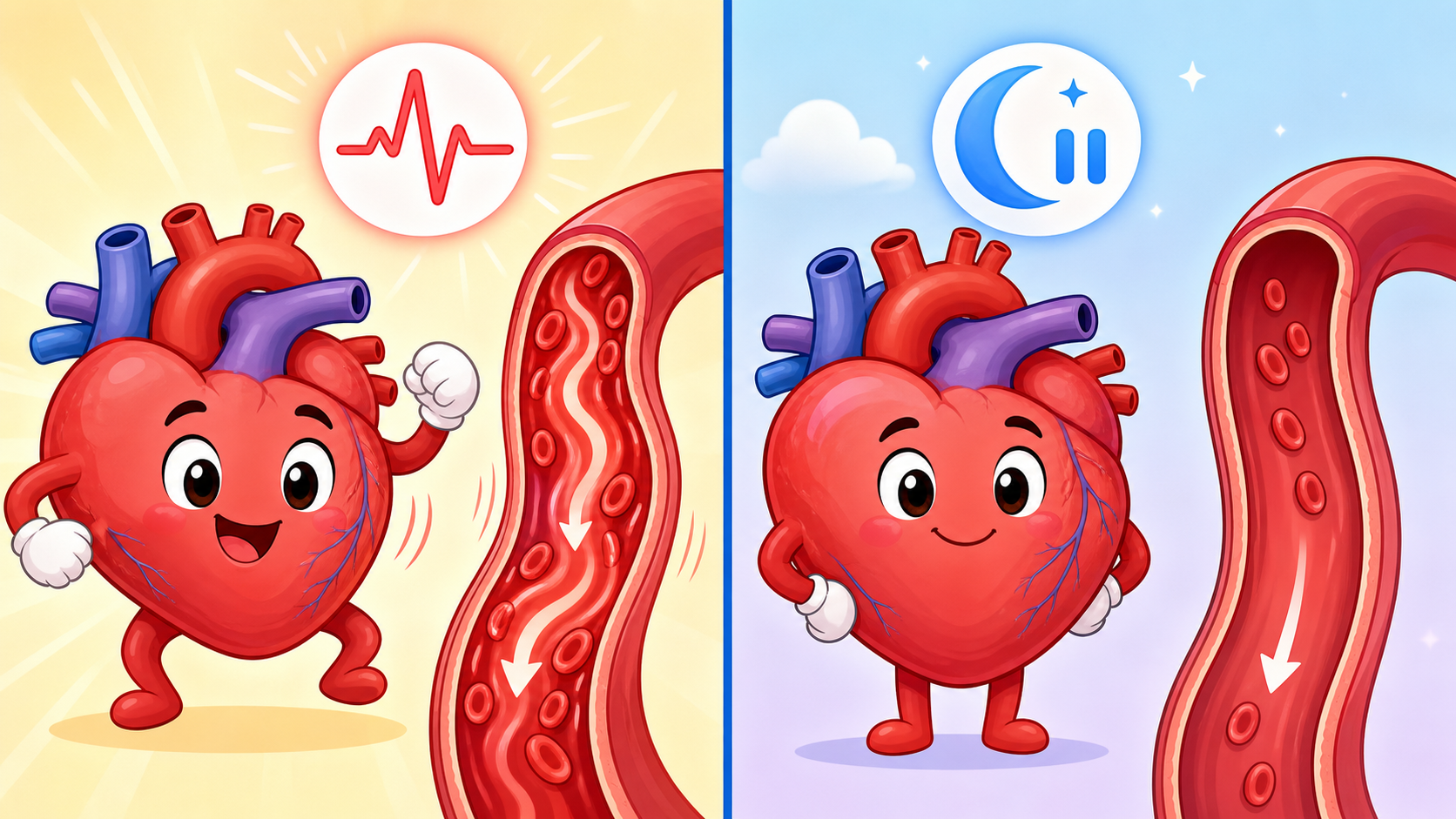
Researchers found that having either insomnia or short sleep duration (less than 6 hours a night) alone is not great for your heart. However, having both chronic insomnia and objectively short sleep creates a severe risk. People with this specific combination have more than a threefold increased risk of hypertension compared to normal sleepers. Poor sleep keeps the body’s stress systems activated, preventing blood pressure from taking its natural dip during the night. Related: How Your Circadian Rhythm Controls Sleep (And What Science Says About Fixing It)
Alternative Approaches: Breathing and Grip Strength
If you struggle with traditional aerobic exercise, science offers some fascinating alternatives. A 2015 review in The American Journal of Medicine evaluated “alternative approaches” to lowering blood pressure. The researchers found that several non-traditional methods provide modest but real reductions (typically dropping the top number by 3 to 6 points):
- Isometric handgrip exercise: Squeezing a resistance device for short intervals a few times a week.
- Device-guided slow breathing: Using a machine that paces your breathing to less than 10 breaths per minute.
- Transcendental Meditation: A specific type of silent mantra meditation that helps calm the nervous system. Related: What Science Actually Says About Meditation and Mindfulness
Where the Science Is Still Debated
While we know how to lower blood pressure, scientists still debate exactly how low we should try to push it using medications.
A landmark study called the SPRINT trial found that aggressively lowering blood pressure to below 120 (rather than the traditional target of 140) significantly reduced heart attacks and deaths in high-risk patients. This led to stricter guidelines in 2017.
However, as discussed in a 2025 debate in Hypertension, pushing blood pressure too low with medications can cause unintended side effects, such as dizziness, fainting, and falls, particularly in older adults. The art of medicine involves balancing the scientific ideal with what a patient can safely tolerate in the real world.
Who Needs Special Caution
Blood pressure management is not one-size-fits-all. Certain populations face unique risks and require specialized care.
Pregnant Women
High blood pressure during pregnancy is a serious concern. It can be a sign of preeclampsia (pree-ee-KLAMP-see-uh), a dangerous condition that affects both the mother and the baby.
Interestingly, headaches are a common symptom of blood pressure issues in pregnancy. A 2018 study in Continuum noted that while regular migraines often improve during pregnancy, a new, severe headache combined with elevated blood pressure is a red flag that requires immediate medical evaluation to rule out preeclampsia.
Pulmonary Arterial Hypertension (PAH)
It is important to distinguish standard high blood pressure from a rare condition called Pulmonary Arterial Hypertension (PAH). While standard hypertension affects the blood vessels throughout your entire body, PAH specifically affects the arteries in your lungs and the right side of your heart.
Data from the REVEAL Registry in Chest shows that PAH is a much more severe disease. While standard hypertension is highly manageable, PAH carries a much lower survival rate, making early detection and highly specialized medications critical for these patients.
Common Questions About High Blood Pressure
Does white-coat hypertension need to be treated?
Historically, it was ignored. Today, doctors monitor it closely because research shows it can sometimes progress into sustained high blood pressure as you age.
Is the bottom number (diastolic) or top number (systolic) more important?
Both are important, but for people over the age of 50, the systolic (top) number is generally considered a stronger predictor of cardiovascular disease.
Can I stop taking my medication if my blood pressure is normal?
No. If your blood pressure is normal while on medication, it means the medication is working. Stopping it abruptly will likely cause your pressure to spike again.
The Bottom Line
High blood pressure is a silent but highly manageable condition. The science clearly shows that lifestyle interventions like the DASH diet, reducing sodium, and getting more than six hours of quality sleep are powerful tools. For those who need them, medications are highly effective at preventing strokes and heart attacks.
The most critical step is knowing your numbers. If you only get your blood pressure checked once a year at the doctor’s office, consider buying a reliable home monitor to see what your plumbing is doing when you are just living your normal life.
Quick Reference: Key Studies
| Study Focus | Key Finding | Source |
|---|---|---|
| Diagnostic Thresholds | The 2017 guidelines lowered the threshold for diagnosing hypertension to 130/80 mm Hg to encourage earlier lifestyle interventions. | PMID 29133354 |
| Alternative Therapies | Isometric handgrip exercises and device-guided slow breathing can modestly lower blood pressure in low-risk patients. | PMID 25644320 |
| Sleep and Hypertension | The combination of chronic insomnia and sleeping less than 6 hours significantly increases the risk of hypertension. | PMID 29779139 |
| Dietary Impact | The DASH diet and sodium reduction show dose-dependent decreases in blood pressure. | PMID 29771736 |
| Measurement Accuracy | Automated office blood pressure (AOBP) without staff present often provides a more accurate reading than traditional manual checks. | PMID 30827125 |
| Pregnancy Risks | New, severe headaches combined with elevated blood pressure during pregnancy are a major red flag for preeclampsia. | PMID 30074551 |
Last updated: June 2026
This article synthesizes findings from peer-reviewed research. It is for educational purposes only and does not constitute medical advice. Consult a healthcare provider before starting any new regimen.

Leave a Reply