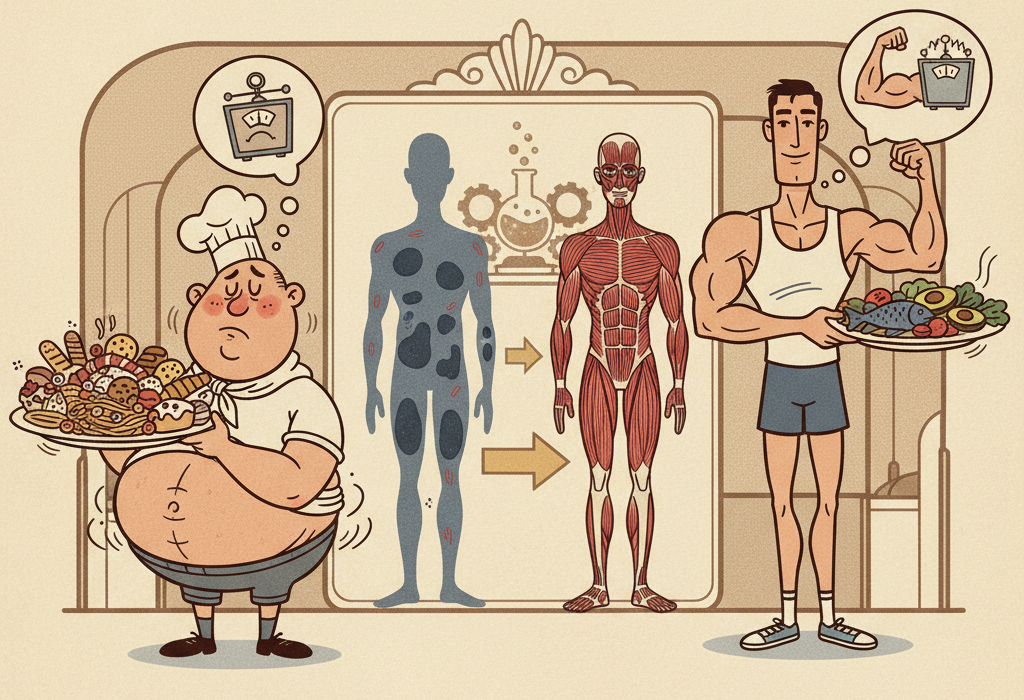
Many people turn to low-carbohydrate diets hoping to burn fat, build muscle, and transform their bodies. But what actually happens inside your body when you cut out bread, pasta, and sugar?
A low-carbohydrate diet typically restricts carbs to under 30% of your daily calories, or roughly less than 100 grams per day. Research shows that while low-carb diets are highly effective for reducing body fat and improving metabolic markers like blood sugar, their specific benefits for body composition are largely tied to increased protein intake and an overall reduction in calories.
Whether you are an athlete looking to shed fat, someone managing a health condition, or simply curious about how macronutrients affect your waistline, the science of low-carb eating is full of nuance. Let us explore what peer-reviewed research actually says about how restricting carbohydrates changes your body composition.
The Core Tension: Is It the Carbs or the Calories?
For years, a debate has raged in the nutrition world. One side argues that low-carb diets offer a unique metabolic advantage. By lowering insulin levels, they claim, the body is forced to burn stored fat for fuel. The other side argues that weight loss always comes down to a simple equation of calories in versus calories out.
So, who is right? The answer lies somewhere in the middle.
When scientists strictly control what people eat in a laboratory setting, the “magic” of low-carb diets often shrinks. A 2026 meta-analysis in Nutrients looked at randomized controlled trials comparing ketogenic diets to higher-carbohydrate diets. The researchers specifically looked at studies where both groups ate the exact same number of calories. They found that the ketogenic group lost slightly more weight (about 1.49 kilograms or 3.2 pounds more). However, the researchers noted that this advantage was small, and the certainty of the evidence was low.
Similarly, a 2021 study in Food Science & Nutrition followed strength-trained men for 12 weeks. One group ate a low-carb, high-fat diet, while the other ate a high-carb, low-fat diet. Both groups ate the same number of calories and the same amount of protein. The low-carb group lost slightly more body fat, but the difference between the two groups was not statistically significant.
Related: The Science of Intermittent Fasting vs. Calorie Restriction: What Actually Works
What the Research Shows About Fat Loss
Even if the metabolic advantage is small when calories are strictly matched, low-carb diets are undeniably effective for fat loss in the real world. This happens for a few key reasons.
The Protein Factor
When people cut carbs, they naturally tend to eat more protein and fat. Protein is highly satiating, meaning it keeps you feeling full.
A 2014 review in Current Opinion in Clinical Nutrition and Metabolic Care found that the success of many low-carb diets actually traces back to their protein content. A protein intake of 0.8 to 1.2 grams per kilogram of body weight per day is sufficient to sustain satiety, preserve muscle, and keep energy expenditure high. When people eat enough protein, they naturally eat fewer calories overall, leading to reliable fat loss.
Reductions in Visceral Fat
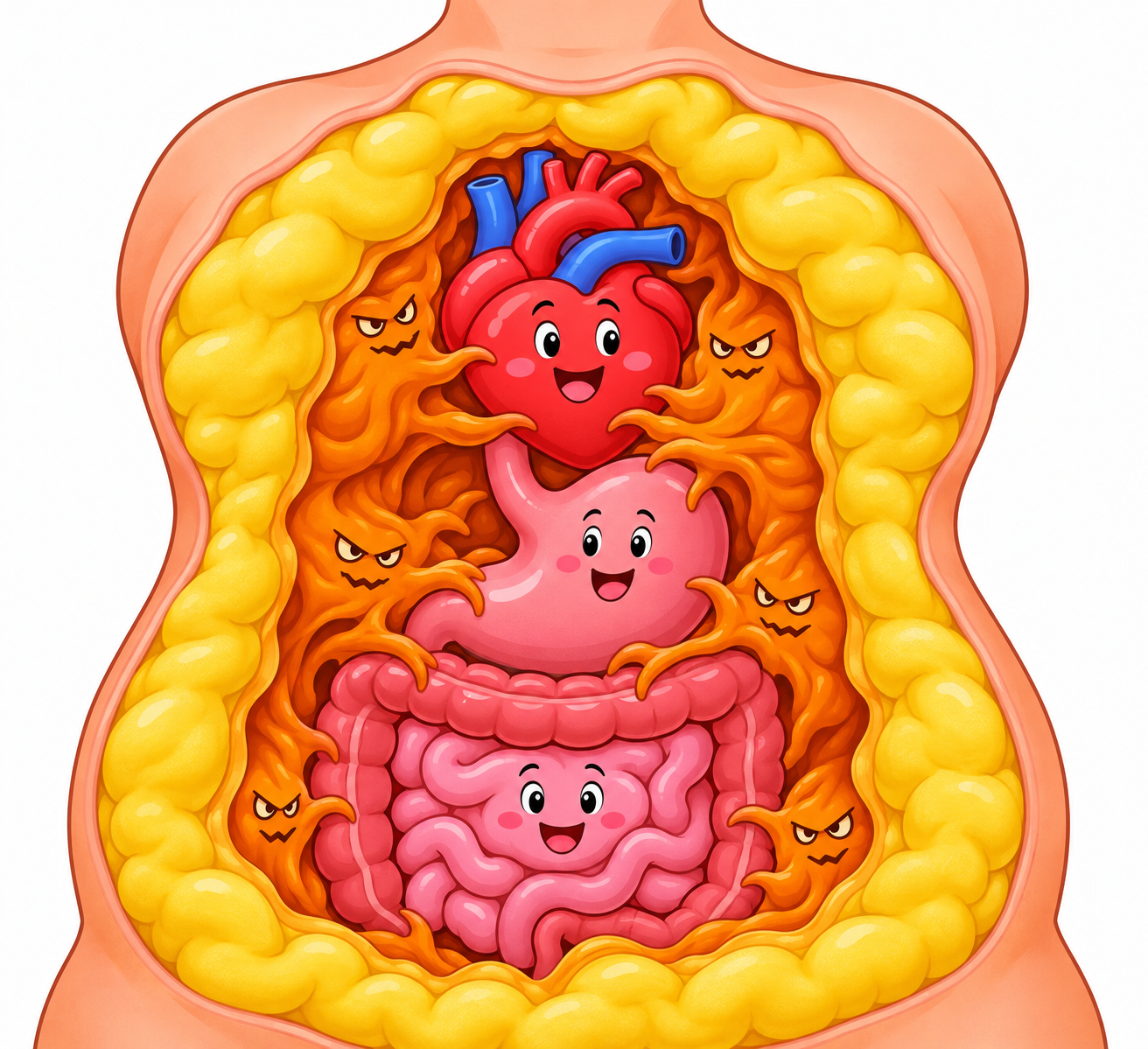
Not all body fat is created equal. Subcutaneous fat sits just under the skin, while visceral fat wraps around your internal organs. Visceral fat is highly inflammatory and linked to metabolic diseases.
Low-carb diets appear particularly effective at targeting this dangerous organ fat. A 2025 study in Frontiers in Nutrition followed patients in a cardiac rehabilitation program. Those who followed either a low-carb or a low-fat diet saw significant reductions in body mass index (BMI), total body fat, and visceral fat compared to a standard diet group.
Does a Low-Carb Diet Burn Muscle?
A common fear is that without carbohydrates to fuel workouts, the body will break down muscle tissue for energy.
Fortunately, research suggests that as long as protein intake is adequate, muscle mass is generally preserved. A 2022 meta-analysis in the International Journal of Environmental Research and Public Health examined athletes doing concurrent training (both aerobic and resistance exercise) while on a low-carb, high-fat diet. The researchers found no significant negative effects on lean muscle mass compared to other diets.
However, it is important to monitor overall weight loss. A massive 2025 meta-analysis in The American Journal of Clinical Nutrition looking at over 11,000 participants noted that while carbohydrate-restricted diets improve body composition, extreme diets can sometimes lead to a loss of lean mass if calories drop too low.
Related: How Exercise and Diet Actually Change Your Body Composition
How Low-Carb Diets Affect Athletic Performance
If you are an athlete, you might wonder if cutting carbs will ruin your performance. Carbohydrates are stored in the muscles and liver as glycogen (GLY-co-jen), which is the body’s preferred fuel for high-intensity exercise.
The impact of a low-carb diet on performance depends heavily on the type of sport you play.
- Endurance vs. Peak Power: A 2022 cross-over trial in Nutrients tested physically active adults on both a high-carb and a low-carb diet. Both diets successfully reduced body mass and fat mass. However, the high-carb diet resulted in significantly better peak power output and a longer time to exhaustion during a cycling test.
- Team Sports: A 2018 study in the Journal of Human Kinetics looked at competitive basketball players. After four weeks on a low-carb diet, the players lost body fat without losing muscle mass. However, when they followed a seven-day “carb-loading” protocol afterward, their body fat and fasting glucose increased. The researchers concluded that team sport athletes, who do not need the massive glycogen stores of marathon runners, can safely use low-carb diets to improve their body composition.
Think of your body like a hybrid car. Carbohydrates are like the gasoline engine, providing quick, explosive power for sprinting or heavy lifting. Fat is like the electric battery, providing a steady, long-lasting stream of energy for walking or jogging. Low-carb diets train your body to rely more on the electric battery.

Who Benefits Or Needs Caution
Research clearly identifies certain populations that respond differently to carbohydrate restriction.
Who Benefits Most
- People with Type 2 Diabetes: Carbohydrate restriction directly lowers blood sugar. A 2017 systematic review in Nutricion Hospitalaria confirmed that low-carb diets are highly effective for reducing HbA1c (a marker of long-term blood sugar), body weight, and triglycerides in type 2 diabetics.
- Women with PCOS: Polycystic ovary syndrome is strongly linked to insulin resistance. A 2024 network meta-analysis in Reproductive Health found that while low-calorie diets were best for overall weight loss in PCOS, low-carb diets were highly effective for reducing total cholesterol, and the DASH diet (which limits refined carbs) was best for lowering insulin resistance.
- Breast Cancer Patients in Rehab: A 2021 study in Nutrients found that a low-carb diet significantly improved body composition, physical performance, and quality of life in women recovering from breast cancer, helping them preserve muscle while losing fat.
Who Should Be Careful
- People with Type 1 Diabetes: A 2025 review in Nutrients noted that while low-carb diets can smooth out blood sugar spikes for Type 1 diabetics, they also increase the risk of severe hypoglycemia (dangerously low blood sugar). Furthermore, in pediatric patients, strict carbohydrate restriction has been linked to potential growth deceleration, making it a risky choice for children without strict medical supervision.
- High-Intensity Athletes: Those competing in sports requiring explosive sprints or maximal lifting may find their top-end performance blunted without adequate carbohydrates.
Beyond Fat Loss: Metabolic and Heart Health
Changing your body composition is not just about how you look in the mirror. It is also about what happens in your bloodstream.
When you adopt a low-carb diet, your lipid profile (blood fats) undergoes significant shifts.
| Health Marker | Typical Low-Carb Effect | Source |
|---|---|---|
| Triglycerides | Significant decrease | PMID 40935153 |
| HDL (Good) Cholesterol | Significant increase | PMID 40935153 |
| LDL (Bad) Cholesterol | Modest increase | PMID 40935153 |
| Blood Pressure | Modest decrease | PMID 40935153 |
| Insulin Resistance | Significant decrease | PMID 32520693 |
Triglycerides (try-GLIS-er-ides) are a type of fat found in your blood. High levels increase your risk of heart disease. Across almost all studies, low-carb diets reliably and dramatically lower triglyceride levels.
However, the effect on LDL cholesterol (often called “bad” cholesterol) is mixed. The large 2025 meta-analysis mentioned earlier found that while low-carb diets improve most cardiovascular markers, they can cause a modest increase in LDL and total cholesterol. If you try a low-carb diet, it is wise to have your doctor monitor your blood work.
Related: How a Low-Carbohydrate Diet Actually Changes Your Lipid Metabolism
Common Misunderstandings
Myth: Low-carb diets cause you to lose fat immediately.
Reality: When you first cut carbs, your body burns through its stored glycogen. Glycogen holds onto a lot of water. The rapid weight loss seen in the first week of a low-carb diet is almost entirely water weight, not body fat.
Myth: Calories do not matter if you keep carbs low.
Reality: You cannot eat unlimited amounts of butter and bacon and expect to lose fat. While low-carb diets help control appetite, a caloric deficit is still required to burn stored body fat.
The Bottom Line / Takeaways
- Fat Loss: Low-carbohydrate diets are highly effective for reducing total body weight and body fat.
- The Mechanism: Much of this fat loss is driven by an automatic reduction in calorie intake, thanks to the highly satiating effects of eating more protein and fat.
- Muscle Retention: As long as you eat enough protein and engage in resistance training, low-carb diets generally preserve lean muscle mass.
- Performance: Low-carb diets are fine for everyday fitness and endurance, but they may slightly impair peak, high-intensity athletic performance compared to high-carb diets.
- Metabolic Health: These diets reliably lower triglycerides and blood sugar, but they may increase LDL cholesterol in some individuals.
Common Questions About Low-Carb Diets
How many carbs are in a low-carb diet?
While definitions vary, most scientific literature defines a low-carbohydrate diet as consuming less than 30% of your daily calories from carbohydrates, which usually equals fewer than 100 grams per day.
Do I need to be in ketosis to lose fat?
No. Ketosis (when your body produces ketones for fuel due to extreme carb restriction) is not required for fat loss. Moderate low-carb diets still produce excellent body composition changes as long as you maintain a calorie deficit.
Will a low-carb diet cure fatty liver disease?
Both low-carb and low-fat diets have been shown to reduce fat in the liver. A 2018 study found that low-carb diets effectively reduce intrahepatic lipid (liver fat) content, though standard liver fat blood tests may not track this progress as accurately as they do for low-fat diets.
Quick Reference: Key Studies
| Study Focus | Key Finding | Source |
|---|---|---|
| Meta-Analysis on Weight Loss | Keto diets produced a small additional weight loss compared to matched-calorie higher-carb diets, though evidence certainty is low. | PMID 42588148 |
| Cardiovascular & Body Comp | Carb restriction significantly reduces triglycerides, blood pressure, and fat mass, but may modestly raise LDL cholesterol. | PMID 40935153 |
| Athletic Performance | High-carb diets yielded better peak power, but both low-carb and high-carb diets reduced body fat equally. | PMID 35276780 |
| Strength Training | When protein and calories are matched, low-carb and high-carb diets result in similar body composition changes. | PMID 34026070 |
| Protein’s Role | The success of many weight loss diets depends heavily on adequate protein intake (0.8-1.2 g/kg/day) rather than just carb restriction. | PMID 24310056 |
Last updated: November 2026
This article synthesizes findings from peer-reviewed research. It is for educational purposes only and does not constitute medical advice. Consult a healthcare provider before starting any new regimen.



Leave a Reply