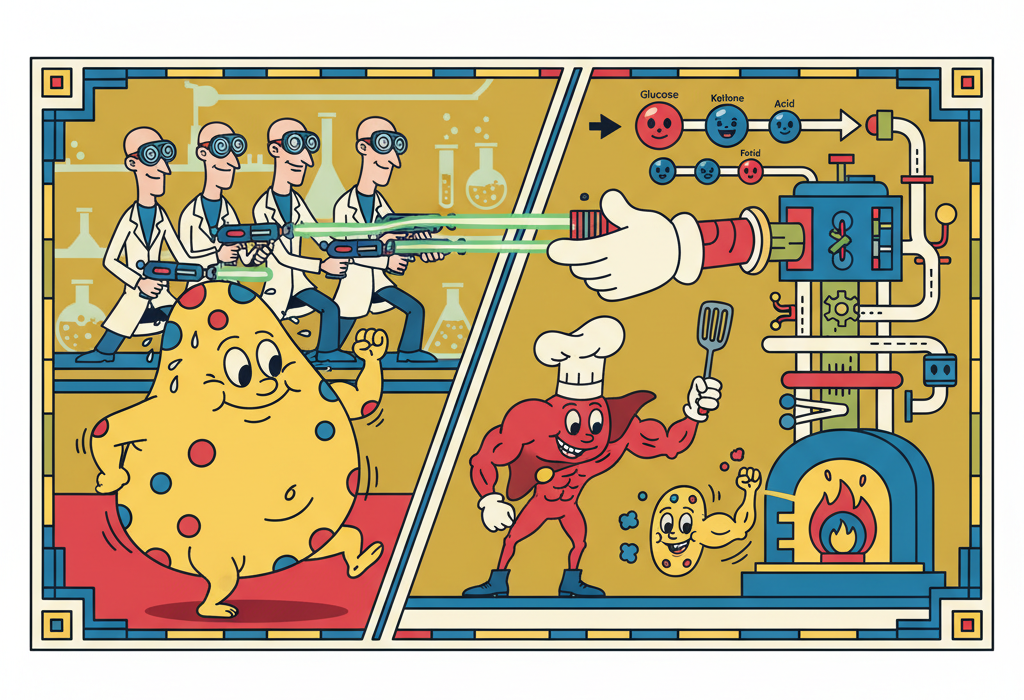
When you decide to cut back on bread, pasta, and sugar, your body goes through a major shift in how it fuels itself. Instead of running primarily on carbohydrates, it begins to run on fat. This shift directly impacts your lipid metabolism (LIP-id meh-TAB-oh-liz-um), which is the biological process of breaking down, storing, and using fats in your body.
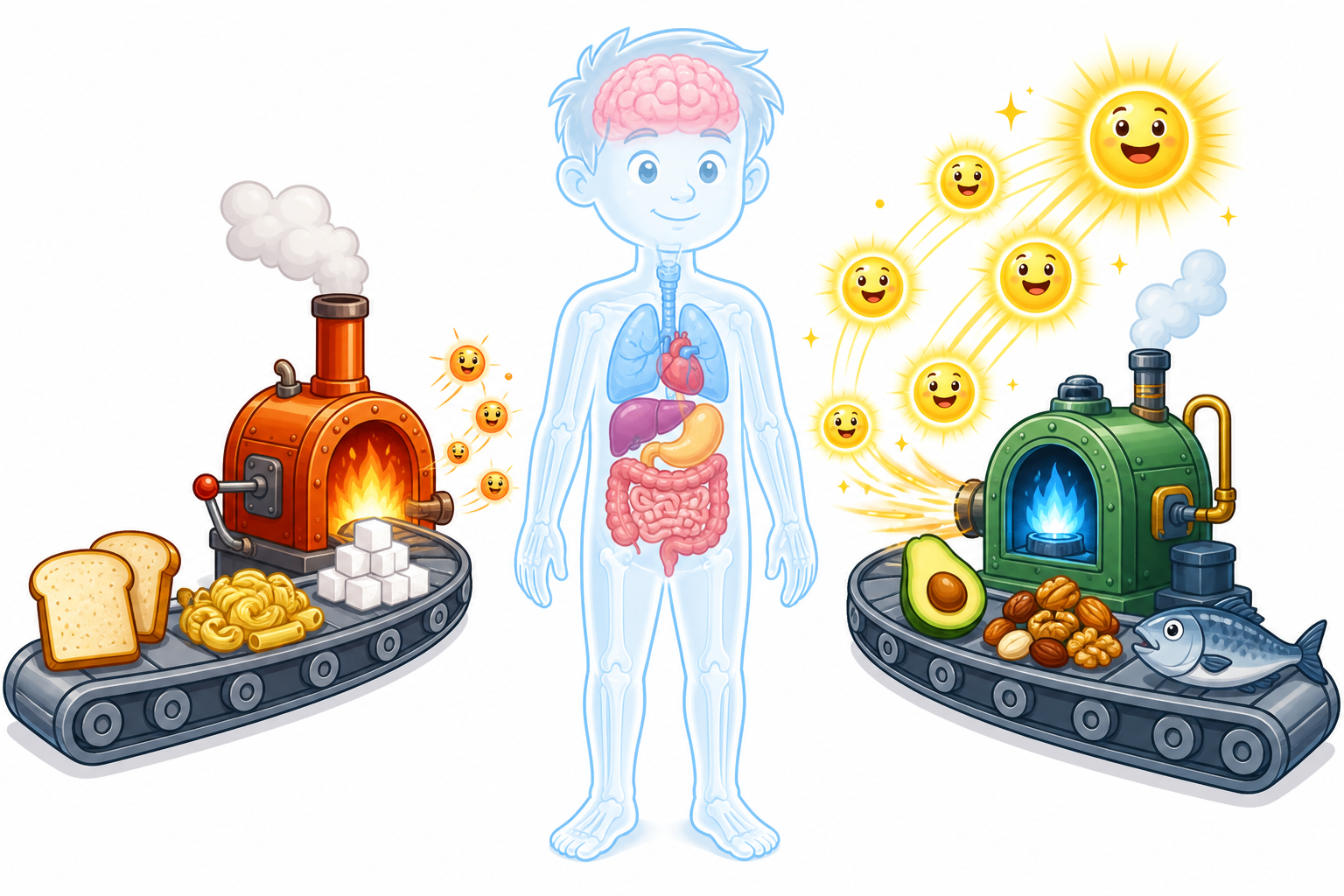
For years, a core tension has existed in nutrition science. On one hand, reducing carbohydrates often leads to weight loss and better blood sugar control. On the other hand, replacing those carbohydrates with dietary fat raises questions about heart health and cholesterol.
So, what actually happens to the fat in your blood and organs when you adopt a low-carbohydrate lifestyle?
Research shows that a low-carb diet generally improves several key markers of heart and metabolic health, such as lowering triglycerides and clearing fat from the liver. However, it can also cause an increase in certain types of cholesterol, leading to mixed opinions among health professionals.
This article breaks down the science of how restricting carbohydrates changes your body chemistry, what it means for your health, and why the type of fat you eat still matters.
Related: Low Carb vs. Keto Diet: What Science Actually Says
How This Might Work: The Biology of Fat and Carbs
To understand how a low-carb diet changes your blood lipids, it helps to understand how your body stores and burns energy.
When you eat a meal high in carbohydrates, your digestive system breaks those carbs down into simple sugars. This causes your blood sugar to rise. In response, your pancreas releases insulin. Insulin is a storage hormone. It tells your cells to absorb the sugar for energy.
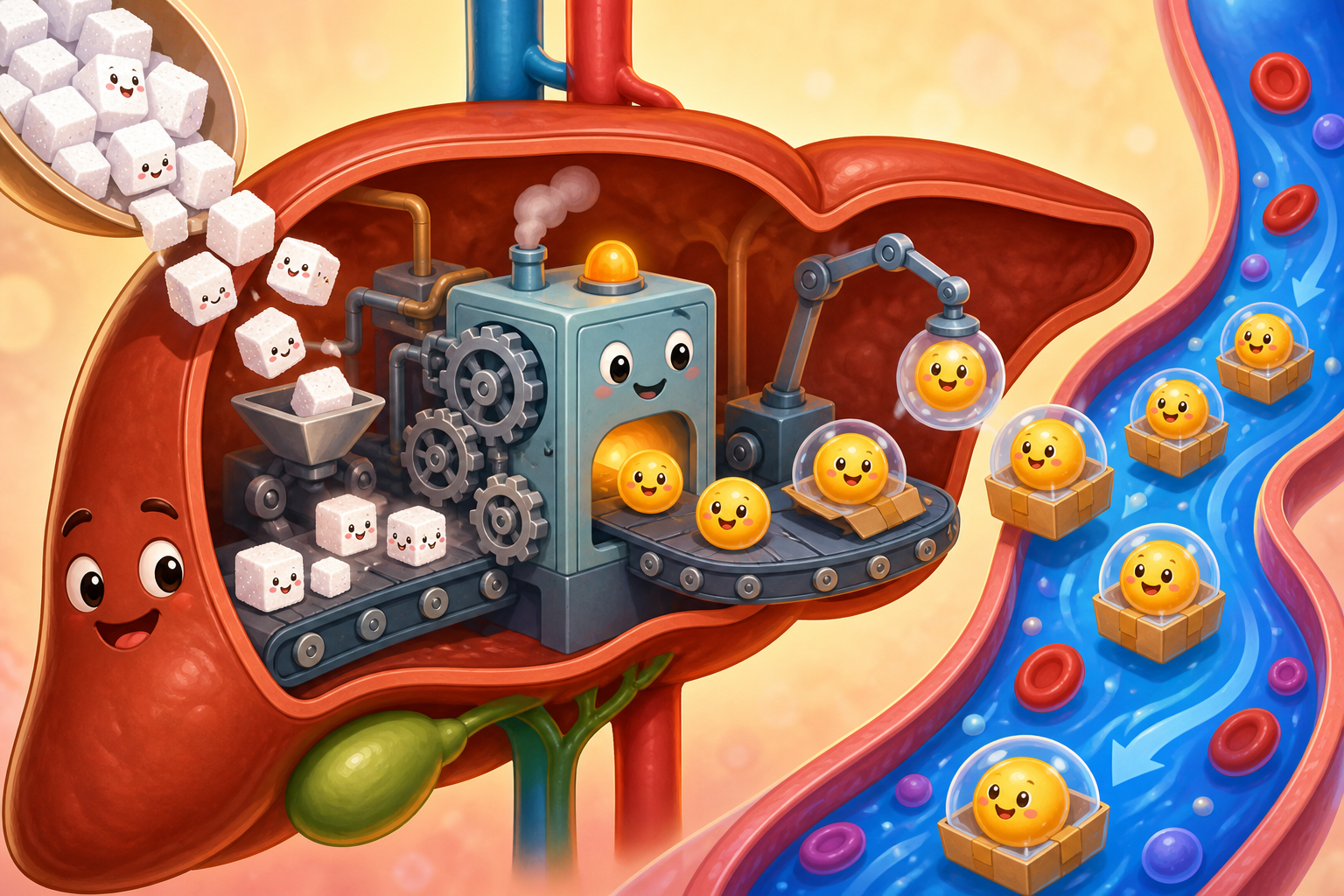
If you eat more carbohydrates than you need for immediate energy, your body has a backup plan. A process called de novo lipogenesis (dee NOH-voh lip-oh-JEN-uh-sis) kicks in. This is a scientific term for when the liver turns extra sugar into new fat molecules. These new fat molecules are packaged and sent out into your bloodstream as triglycerides (tri-GLIS-er-ides), which are the main type of fat found in your blood.
When you lower your carbohydrate intake, this entire process shifts in reverse:
- Insulin levels drop: Without a constant influx of sugar, your body produces less insulin.
- Fat burning increases: Low insulin signals your body to unlock its fat stores and use them for energy.
- Ketosis begins: If carbohydrate intake is very low, the liver turns fat into molecules called ketones. Ketosis (kee-TOE-sis) is a normal metabolic state where the body burns fat and ketones for fuel instead of sugar.
Because your body is no longer converting excess sugar into fat, the amount of fat floating in your bloodstream begins to change.
Related: Understanding Fat Metabolism: How Your Body Actually Stores and Burns Fat
What the Research Shows: Triglycerides and HDL
When doctors look at a standard cholesterol panel, they look at several different numbers. Two of the most important are triglycerides and HDL (high-density lipoprotein) cholesterol. HDL is often called the “good” cholesterol because it helps clear extra cholesterol from your bloodstream.
A consistent finding in nutrition science is that low-carbohydrate diets are highly effective at improving both of these numbers.
A 2023 review in Nutrients analyzed how ketogenic and low-carb diets impact cardiovascular disease. The researchers noted that one of the most predictable outcomes of cutting carbs is a significant drop in triglycerides. When you stop feeding your body excess sugar, your liver stops manufacturing as many triglycerides.
Additionally, low-carb diets reliably increase HDL cholesterol. This is partly because dietary fat intake goes up, and eating healthy fats is one of the most effective ways to raise HDL levels.
This pattern has been observed in numerous studies. For example, researchers writing in Diabetology & metabolic syndrome studied obese patients who followed a modified low-carb diet. After six months, the participants saw significant reductions in body fat, improved blood pressure, and better overall lipid profiles compared to those on a standard balanced diet.
What the Research Shows: The LDL Cholesterol Paradox
While triglycerides and HDL usually improve on a low-carb diet, the story becomes more complicated when we look at LDL (low-density lipoprotein) cholesterol. LDL is widely known as the “bad” cholesterol because high levels are associated with a greater risk of heart disease.
This is where the scientific debate gets heated. In many people, a low-carbohydrate or ketogenic diet causes LDL cholesterol to go up.
For example, a 2020 case report in Cureus documented a 56-year-old woman who started a strict ketogenic diet. After just 30 to 40 days, her LDL cholesterol spiked to 199 mg/dL (a normal level is typically under 100 mg/dL). When she stopped the diet and reintroduced complex carbohydrates, her LDL cholesterol rapidly dropped back to 106 mg/dL within four weeks.
However, scientists are learning that not all LDL is exactly the same. LDL cholesterol travels in particles of different sizes.
- Small, dense LDL particles easily get stuck in the walls of blood vessels. They are strongly linked to heart disease.
- Large, buoyant LDL particles are fluffy and less likely to cause plaque buildup in arteries.
A fascinating study in BMJ open sport & exercise medicine looked at elite ultra-endurance runners. Half of the runners ate a traditional high-carb diet, and the other half ate a strict low-carb, high-fat diet. The low-carb runners had significantly higher total cholesterol and LDL cholesterol. In fact, their LDL was 83% higher than the high-carb runners.
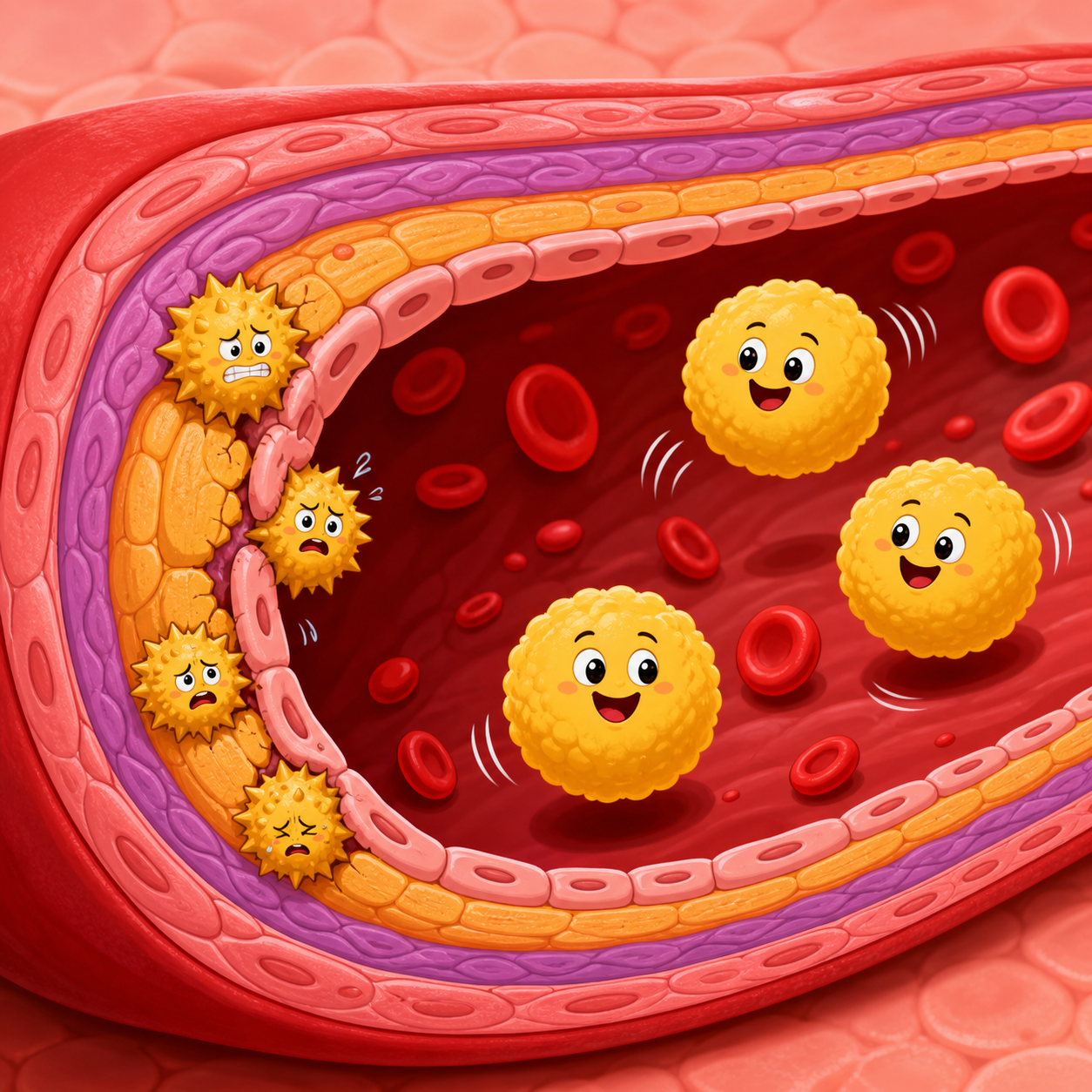
But when researchers looked closer, they found a paradox. The low-carb athletes had significantly fewer of the dangerous small, dense LDL particles. Their elevated LDL was almost entirely made up of the larger, safer particles. They also had exceptionally high HDL cholesterol and very low triglycerides.
While this suggests that the high LDL seen on a low-carb diet might not be as dangerous as previously thought, scientists still urge caution. There is not yet enough long-term data to prove that elevated LDL on a low-carb diet is completely harmless.
What the Research Shows: Clearing Liver Fat
One of the most profound benefits of a low-carbohydrate diet is its effect on the liver.
Non-alcoholic fatty liver disease (NAFLD) occurs when too much fat builds up in the liver. It is closely linked to insulin resistance, obesity, and type 2 diabetes. If left untreated, it can lead to severe liver damage.
Because the liver is the main organ responsible for turning excess carbohydrates into fat, reducing carbohydrate intake takes a massive burden off the liver.
A 2020 review in Nutrients highlighted that low-carbohydrate diets are incredibly effective at clearing fat from the liver. Surprisingly, this happens even if a person does not lose weight. In one study mentioned in the review, participants followed a low-carb diet for just 14 days. Even though they ate enough calories to maintain their weight, their liver fat decreased by an average of 44%.
This suggests that carbohydrate restriction has an independent, direct effect on liver health. By lowering insulin levels, the liver stops making new fat and starts burning the fat it has already stored.
Related: Mediterranean Diet vs. Keto: What the Latest Science Shows
The Importance of Fat Quality
When people cut carbs, they naturally eat more fat to stay full. But the type of fat matters greatly for your lipid metabolism.
A 2023 study in Clinical nutrition tested this by putting obese mice on low-carbohydrate diets with different types of fats. Some mice ate mostly saturated fats, while others ate omega-3 fats (found in fish) or omega-9 fats (found in olive oil).
The researchers found that while all the low-carb diets helped with weight loss, the diets rich in omega-3 and omega-9 fats produced much better results. These healthy fats improved insulin sensitivity better, enhanced mitochondrial function (how cells make energy), and reduced inflammation.
This aligns with human research. Low-carb diets that rely heavily on butter, bacon, and cheese tend to cause larger spikes in LDL cholesterol. Low-carb diets that focus on olive oil, avocados, nuts, and fish tend to provide the metabolic benefits of carb restriction while keeping cholesterol profiles more balanced.
Who Benefits Or Needs Caution
Because a low-carbohydrate diet changes body chemistry so significantly, it is not the perfect fit for everyone.
| Group | Expected Outcome | Recommendation |
|---|---|---|
| People with Fatty Liver | Rapid reduction in liver fat and improved liver function. | Highly beneficial, but should be monitored by a doctor. |
| People with High Triglycerides | Predictable and often dramatic drop in blood triglycerides. | Generally recommended as a safe approach to improve this specific marker. |
| People with Type 2 Diabetes | Improved blood sugar and lower insulin requirements. | Beneficial, but medication doses may need rapid adjustment by a healthcare provider. |
| Children with Type 1 Diabetes | Better blood sugar control, but potential risks to growth. | Caution. A 2025 review in Nutrients noted that while low-carb diets help blood sugar in kids with Type 1 Diabetes, they may restrict calories too much and impair normal growth. |
| People with Genetic High Cholesterol | Potential for massive spikes in LDL cholesterol. | Extreme caution. People with familial hypercholesterolemia should avoid high-fat diets unless closely monitored by a cardiologist. |
Common Questions About Low-Carb Diets and Lipids
Does eating fat make my blood fatty?
No. The fat in your blood (triglycerides) is largely driven by how many carbohydrates you eat, not the fat you eat. When you eat too many carbs, your liver converts the excess into triglycerides.
Why did my cholesterol go up when I started a keto diet?
When you eat a very high-fat, low-carb diet, your body transports more fat through your bloodstream to use for energy. This transportation system uses LDL particles, which can cause your measured LDL cholesterol to rise.
Do I have to do a strict keto diet to see benefits?
You do not need to cut carbs to zero. Studies show that even moderate carbohydrate restriction (such as a Mediterranean low-carb diet) can significantly improve triglycerides, HDL, and liver fat.
The Bottom Line
Switching to a low-carbohydrate diet causes a fundamental shift in your lipid metabolism. By lowering insulin levels, your body transitions from storing fat to burning it.
For most people, this results in an excellent metabolic profile: triglycerides plummet, “good” HDL cholesterol rises, and fat is rapidly cleared from the liver. These are all positive signs for long-term metabolic health.
However, the science remains mixed regarding LDL cholesterol. While LDL often increases on a low-carb diet, evidence suggests this increase is primarily in the larger, less harmful particles rather than the dangerous small, dense particles. Still, because long-term data on this specific phenomenon is lacking, anyone experiencing massive spikes in LDL cholesterol should discuss it with their doctor.
Ultimately, the quality of your diet matters. A low-carb diet rich in olive oil, fish, and vegetables will support your heart and liver much better than one based entirely on processed meats and saturated fats.
Quick Reference: Key Studies
| Study Focus | Key Finding | Source |
|---|---|---|
| NAFLD and Liver Fat | Low-carb diets rapidly clear fat from the liver, even if no weight is lost. | PMID 32384593 |
| Keto and LDL Spikes | A case study showed a rapid increase in LDL cholesterol on a keto diet, which reversed when carbs were reintroduced. | PMID 32864246 |
| Ultra-Runners and Cholesterol | Keto-adapted athletes had high LDL, but it was mostly the safe, large particles. They also had very high HDL. | PMID 30305928 |
| Keto Diet and Heart Disease | Low-carb diets consistently lower triglycerides and raise HDL, acting as a strong anti-inflammatory tool. | PMID 37571305 |
| Low-Carb in Type 1 Diabetes | Lowers HbA1c and reduces insulin needs, but requires caution in children due to potential growth issues. | PMID 40573112 |
Last updated: September 2026
This article synthesizes findings from peer-reviewed research. It is for educational purposes only and does not constitute medical advice. Consult a healthcare provider before starting any new regimen.


Leave a Reply