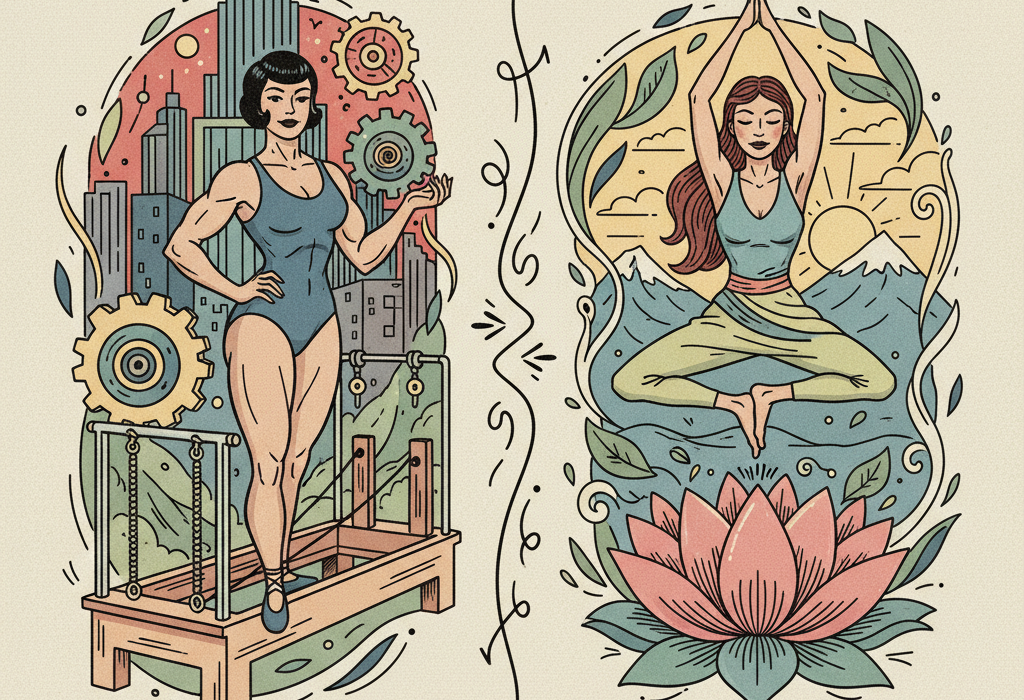
If you are looking to start a new exercise routine, you might find yourself stuck between two popular options: a yoga mat or a Pilates reformer. Both are famous for improving flexibility, building core strength, and helping people manage stress. Because they look similar from the outside, many people assume they do exactly the same things for the body.
However, scientists study these two practices differently. Yoga is an ancient practice that often focuses on breathing, flexibility, and the mind-body connection. Pilates is a newer system designed in the 1920s that focuses heavily on core strength, muscle control, and stability.
So, which one should you choose? The answer depends entirely on your specific health goals. Let us look at what peer-reviewed research actually shows about how Pilates and yoga compare when it comes to pain relief, bone health, mental well-being, and longevity.
Managing Back and Neck Pain: A Tie With Different Approaches
One of the most common reasons people try yoga or Pilates is to find relief from chronic pain. When it comes to your spine, the research is highly encouraging for both practices.
A 2016 study in Physiotherapy directly compared Pilates and yoga for people suffering from chronic mechanical neck pain. The researchers divided 56 participants into three groups: a Pilates group, a yoga group, and a control group that did neither. After 12 weeks of supervised classes, both the Pilates and yoga groups saw significant drops in their pain levels and daily disability. There was no clear winner between the two. Both were equally safe and effective compared to doing nothing.
The results are similar for lower back pain. A 2023 review in the Journal of Occupational Rehabilitation looked at structured exercise programs for chronic primary low back pain. The review found that both yoga and Pilates helped reduce pain and improve physical function.
However, Pilates has a slight edge in the volume of clinical research specifically directed by physical therapists. A 2023 review in the Archives of Physical Medicine and Rehabilitation analyzed mind-body exercises delivered by physical therapists for lower back pain. The vast majority of the high-quality trials they found focused on Pilates. The researchers concluded that Pilates is highly effective in the short term for reducing pain and disability, likely because it forces patients to activate specific pelvic and trunk muscles that support the spine.
Does Pilates or Yoga Build Stronger Bones?
As we age, our bones naturally lose density. This is especially true for postmenopausal women, who experience a drop in estrogen that accelerates bone loss.
Bone mineral density (BOHN MIN-er-ul DEN-si-tee) is a measurement of how much calcium and other vital minerals are packed into your bones. Higher density means stronger bones that are less likely to break.
Because both yoga and Pilates involve bearing your own body weight, people often wonder if they can prevent bone loss. A 2021 meta-analysis in PloS One investigated whether Pilates or yoga could improve bone mineral density in adult women. The researchers looked at 11 studies involving nearly 600 women.
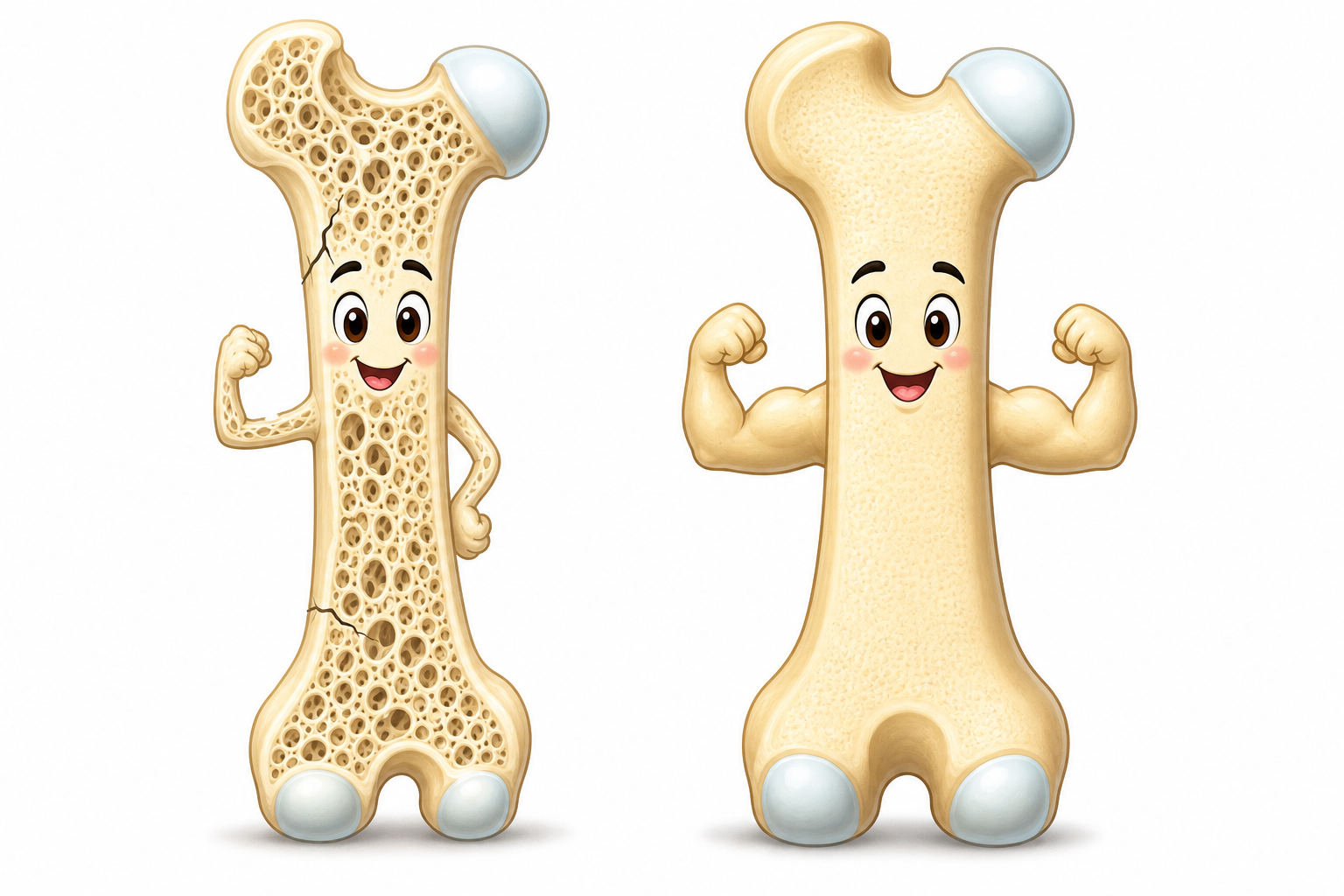
The results were mixed. When compared to control groups that did no exercise, neither Pilates nor yoga produced massive, statistically significant improvements in bone density. However, when researchers looked just at the women doing the exercises before and after their programs, they noticed a small benefit in maintaining bone density, particularly for those doing Pilates. The researchers suspect Pilates might offer a slight advantage because it requires intense co-contraction of the core muscles, which places a mechanical stress on the spine that encourages bone maintenance.
If your primary goal is building bone, neither yoga nor Pilates should be your only strategy. A 2026 review in the Journal of Sport and Health Science found that the absolute best way to improve bone mineral density is to combine mind-body exercises with traditional resistance training. Related: The Science of Weight Training: How Resistance Exercise Changes Your Body
Mental Health, Emotional Intelligence, and Longevity
Exercise is not just about muscles and bones. It is also about the brain. Both yoga and Pilates are considered mind-body exercises, meaning they require deep focus and controlled breathing.
Research suggests these practices fulfill higher-level psychological needs. A 2023 study in Frontiers in Psychology tracked adults using smartphone surveys to see how different physical activities satisfied their psychological needs. The researchers found that mind-body exercises like yoga and Pilates were uniquely good at satisfying needs for creativity, mindfulness, and aesthetic appreciation compared to standard cardio workouts.
Interestingly, the type of exercise you choose might correlate with how you process emotions. A 2022 study in the International Journal of Environmental Research and Public Health surveyed over 6,000 people to see how their exercise habits related to their emotional intelligence and logical thinking. The researchers found that women who participated in dance or Pilates, and men who participated in yoga or martial arts, scored the highest in emotional intelligence. Related: How the Relaxation Response Actually Affects Your Brain and Body
Beyond mental well-being, participating in these practices is linked to living longer. A large 2026 study in the American Journal of Preventive Medicine tracked over 55,000 US adults to see how the use of complementary health practices affected mortality. After adjusting for various health factors, the researchers found that people who practiced yoga had a 27 percent lower risk of all-cause mortality, while those who practiced Pilates had a 36 percent lower risk compared to non-users. While this does not prove that Pilates or yoga directly prevents death, it strongly suggests that people who engage in these practices live healthier, longer lives.
Who Benefits Most from Mind-Body Exercise?
Certain populations might find yoga and Pilates especially helpful as an entry point into fitness.
- Cardiac Rehabilitation Patients: Traditional gym exercises like treadmills and stationary bikes can feel intimidating or unpleasant for some people recovering from heart issues. A 2024 protocol in JBI Evidence Synthesis notes that alternative exercises like yoga and Pilates are often perceived as more enjoyable, which may help women in cardiac rehab stick to their programs longer.
- Young Adult Cancer Patients: A 2018 study in Supportive Care in Cancer found that adolescent and young adult cancer patients showed a significantly higher interest in yoga and Pilates compared to older adult patients. These practices help younger patients manage anxiety and take a holistic approach to their recovery.
Where You Might Need Caution
While yoga and Pilates are generally safe, they are not the perfect solution for every health problem.
For example, some social media influencers claim that specific breathing techniques used in Pilates and yoga can cure pelvic organ prolapse. However, a 2023 review in the International Urogynecology Journal looked at the evidence and found no proof that alternative exercise programs are better than standard pelvic floor muscle training. If you have pelvic floor issues, traditional physical therapy remains the gold standard.
Additionally, instructors should be aware of the mental health dynamics in their classes. A 2011 study in the International Journal of Eating Disorders surveyed young adults and found that men who participated in yoga or Pilates were actually more likely to use extreme weight control behaviors and report binge eating compared to non-participants. While the classes themselves do not cause eating disorders, the aesthetic focus of some studio environments might attract or trigger vulnerable individuals.
How Pilates and Yoga Fit Into a Complete Fitness Plan
If you want to change your body composition, you will get the best results by combining mind-body work with other forms of exercise and proper nutrition.
This was demonstrated in the 2014 PRISE study published in the Journal of Applied Physiology. Researchers took overweight and obese adults and put them on a high-protein diet. They then divided them into groups. One group just changed their diet. Another added resistance training. The final group did a multi-mode program that included resistance training, interval sprints, endurance exercise, and stretching/yoga/Pilates.
The group that included stretching, yoga, and Pilates alongside their other workouts lost the most body weight and the most visceral fat.
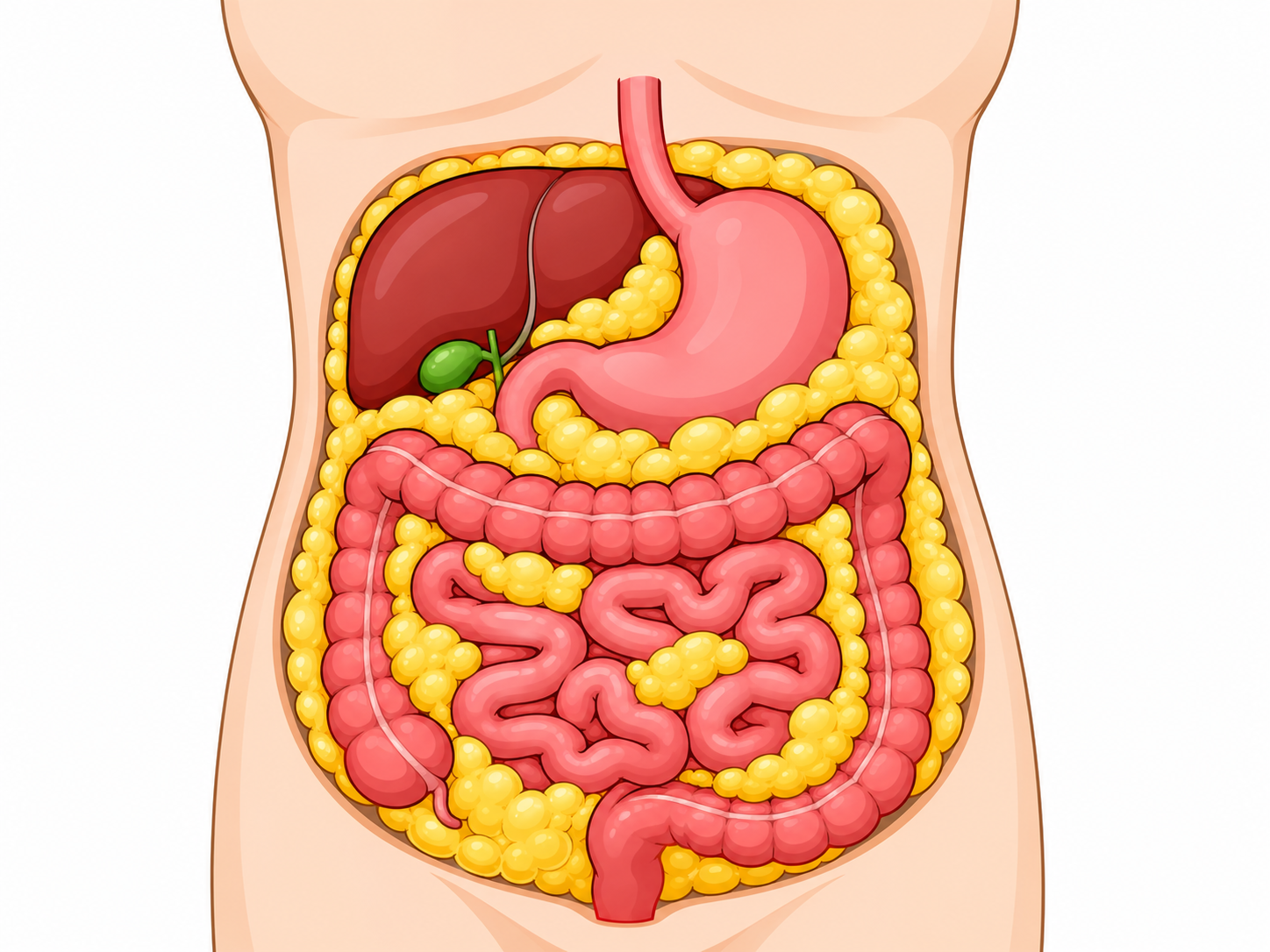
Visceral adipose tissue (VIS-er-ul AD-ih-pohs TISH-oo) is a type of hidden fat stored deep inside the belly that wraps around your organs. It is highly linked to metabolic diseases.
This study highlights that while yoga and Pilates are excellent for flexibility and core strength, they work best when treated as one piece of a larger health puzzle. Related: What Science Actually Says About Weight Loss and Obesity
Common Questions About Pilates and Yoga
Is yoga or Pilates better for weight loss?
Neither practice burns a massive amount of calories on its own compared to running or cycling. However, research shows that combining them with a high-protein diet and traditional resistance training is highly effective for losing body fat.
Which one should I choose for back pain?
Both are proven to reduce chronic lower back and neck pain. Pilates has slightly more clinical research supporting its use in physical therapy settings due to its strict focus on core stability, but the best choice is the one you enjoy enough to do consistently.
Can they cure osteoporosis?
No. While both can help maintain existing bone density by placing mechanical stress on the skeleton, research shows that you must combine them with heavier resistance training to actively build stronger bones.
The Bottom Line
The scientific evidence shows that both Pilates and yoga are highly effective tools for managing pain, improving emotional well-being, and supporting a long, healthy life.
We know with high confidence that both practices reduce neck and back pain just as well as traditional physical therapy exercises. We also know they are associated with lower overall mortality and higher emotional intelligence.
What remains less clear is their ability to independently build bone density or treat specific medical conditions like pelvic organ prolapse. For those specific goals, traditional medical interventions and heavy resistance training are still required.
Ultimately, the choice between the two comes down to personal preference. If you want a focus on core stability and controlled muscle activation, Pilates is heavily supported by physical therapy research. If you want to focus on flexibility, breathing, and mindfulness, yoga is an excellent choice.
Quick Reference: Key Studies
| Study Focus | Key Finding | Source |
|---|---|---|
| All-Cause Mortality | Yoga and Pilates were associated with a 27% and 36% lower risk of mortality, respectively. | PMID 42235862 |
| Bone Density | Pilates showed a small benefit in maintaining bone density in postmenopausal women, slightly outperforming yoga. | PMID 33961670 |
| Neck Pain | Pilates and yoga were equally effective at reducing chronic mechanical neck pain and disability over 12 weeks. | PMID 26435334 |
| Lower Back Pain | Pilates delivered by physical therapists effectively reduced pain and disability in the short term. | PMID 36535419 |
| Emotional Intelligence | Women doing Pilates/dance and men doing yoga/martial arts scored highest in emotional intelligence. | PMID 36011715 |
| Body Composition | Combining yoga/Pilates with resistance training, intervals, and protein ingestion led to significant fat loss. | PMID 24833780 |
| Pelvic Organ Prolapse | Standard pelvic floor training remains superior to alternative exercises like yoga and Pilates. | PMID 36418569 |
Last updated: June 2026
This article synthesizes findings from peer-reviewed research. It is for educational purposes only and does not constitute medical advice. Consult a healthcare provider before starting any new regimen.

Leave a Reply