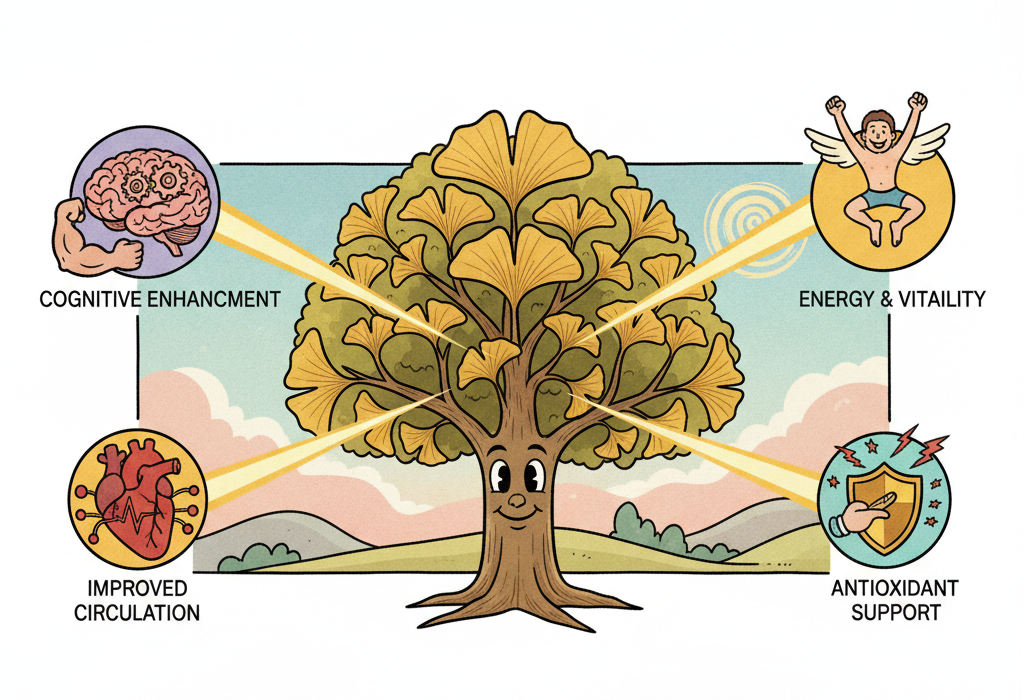
If you have ever browsed the supplement aisle for memory aids, you have almost certainly seen Ginkgo biloba. It is one of the oldest living tree species on the planet. For centuries, traditional medicine has used its leaves to treat everything from asthma to poor circulation.
Today, Ginkgo biloba is heavily marketed as a brain booster. However, the scientific reality is much more nuanced. While some studies show clear benefits for aging brains and blood flow, other claims fall completely flat when tested in rigorous trials.
This article breaks down what peer-reviewed research actually says about Ginkgo biloba, who might benefit from it, and where the science says it simply does not work.
What the Research Shows About Brain Health
Most people take Ginkgo biloba hoping to improve their memory. When scientists study this, they usually use a highly standardized extract called EGb 761. Standardization ensures the extract contains a consistent amount of active ingredients.
The research on Ginkgo biloba and brain health shows a clear pattern. It is not a magic pill for healthy young people, but it does show measurable benefits for older adults experiencing cognitive decline. Related: Understanding Brain Fog and Age-Related Cognitive Decline
Mild Dementia and Cognitive Impairment
Multiple large reviews have looked at how Ginkgo biloba affects aging brains. A 2015 meta-analysis in the Journal of Alzheimer’s Disease examined 2,561 patients. The researchers found that a specific dose of 240 milligrams per day of EGb 761 was able to stabilize or slow the decline in cognition, daily functioning, and behavior in patients with cognitive impairment and dementia.
These findings have been repeatedly confirmed. A 2025 review in The world journal of biological psychiatry looked at 782 patients with mild dementia. The study concluded that patients taking 240 milligrams daily saw significant improvements in their memory, daily activities, and overall quality of life compared to those taking a placebo.
Vascular Dementia
Vascular dementia happens when poor blood flow damages brain tissue. Because Ginkgo biloba is known to improve circulation, researchers have tested it specifically for this condition.
A 2022 study in Clinical drug investigation looked at patients with vascular dementia over 12 months. The researchers found that Ginkgo biloba extract provided cognitive and behavioral benefits on its own. Even more interestingly, when patients took Ginkgo biloba alongside standard dementia medications (like cholinesterase inhibitors), the combined treatment offered greater benefits than the standard medication alone.
ADHD and Attention
Some people use Ginkgo biloba for attention issues. A 2025 review in Nutrients looked at various supplements for ADHD. The review noted that Ginkgo biloba did reduce symptoms of inattention. However, it was notably less effective than standard prescription medications like methylphenidate. It may offer a complementary option, but it does not replace standard treatments.
How Ginkgo Affects Your Heart and Metabolism
Beyond the brain, Ginkgo biloba has a strong impact on how blood moves through the body.
Blood Flow Without Raising Blood Pressure
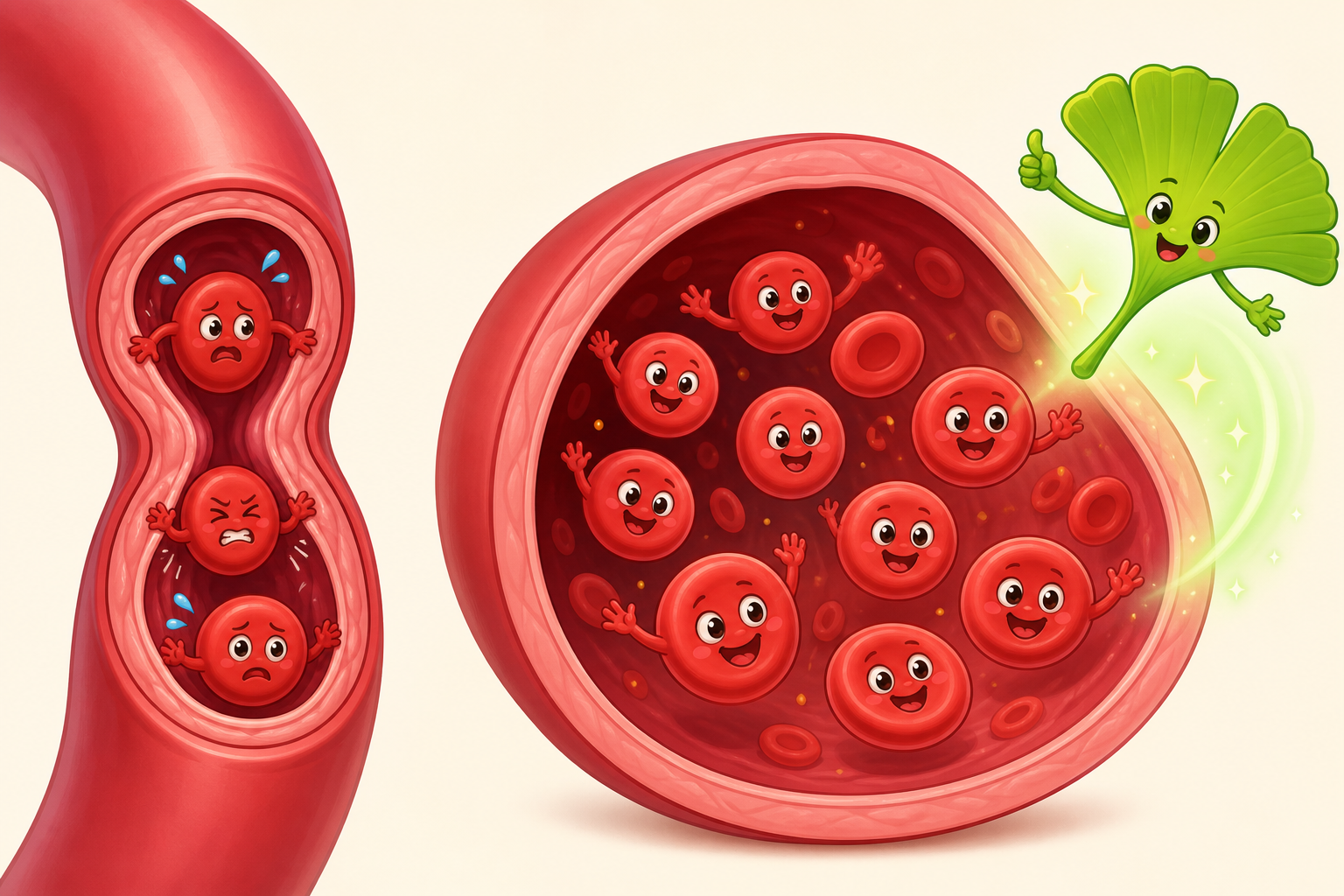
A 2022 review in Biology analyzed how Ginkgo biloba affects the cardiovascular system in healthy subjects. The researchers found that Ginkgo extracts improve blood flow (a process called perfusion) in several areas of the body, including the eyes, skin, and brain.
Importantly, the extract acts as a vasorelaxant. This means it helps blood vessels widen and relax. The review noted that Ginkgo biloba achieves this improved blood flow without significantly increasing heart rate or blood pressure in healthy people.
Cholesterol and Liver Health
There is emerging evidence that Ginkgo biloba may help with metabolic issues. A 2018 meta-analysis in Frontiers in pharmacology examined patients with dyslipidemia (abnormal cholesterol levels). The researchers found that when patients took Ginkgo biloba alongside statin medications, they achieved greater reductions in triglycerides and LDL (bad) cholesterol. They also saw a greater increase in HDL (good) cholesterol compared to patients taking statins alone. Related: The Science of Managing Cholesterol: What Research Actually Shows
Additionally, a 2025 study in Phytomedicine looked at over 400,000 participants to see how Ginkgo biloba affected people with metabolic dysfunction-associated steatotic liver disease (MASLD). The study found that patients with this liver condition who took Ginkgo biloba had improved overall survival rates and a reduced risk of cardiovascular events.
Common Misunderstandings or Myths
Because Ginkgo biloba is famous for improving blood flow, it is often recommended for any condition related to poor circulation. However, rigorous testing shows it fails to help with several specific issues.
Tinnitus (Ringing in the Ears)
Tinnitus is often blamed on poor blood flow to the inner ear. Because of this, Ginkgo biloba is a highly popular home remedy. Unfortunately, the science does not support this use. A 2022 Cochrane review looked at multiple trials and concluded that there is no evidence that Ginkgo biloba provides any clinically significant benefit for tinnitus compared to a placebo.
Intermittent Claudication (Leg Pain)
Intermittent claudication is a condition where poor blood flow causes severe leg muscle pain during walking. Again, Ginkgo biloba is frequently suggested as a treatment. However, a 2013 Cochrane review analyzing 14 trials found no clinically significant benefit. While patients taking Ginkgo could walk slightly further on a treadmill, the difference was so small (about 64 meters) that it did not translate to a meaningful improvement in daily life.
How This Might Work
Scientists attribute the benefits of Ginkgo biloba to two main types of active compounds found in its leaves.
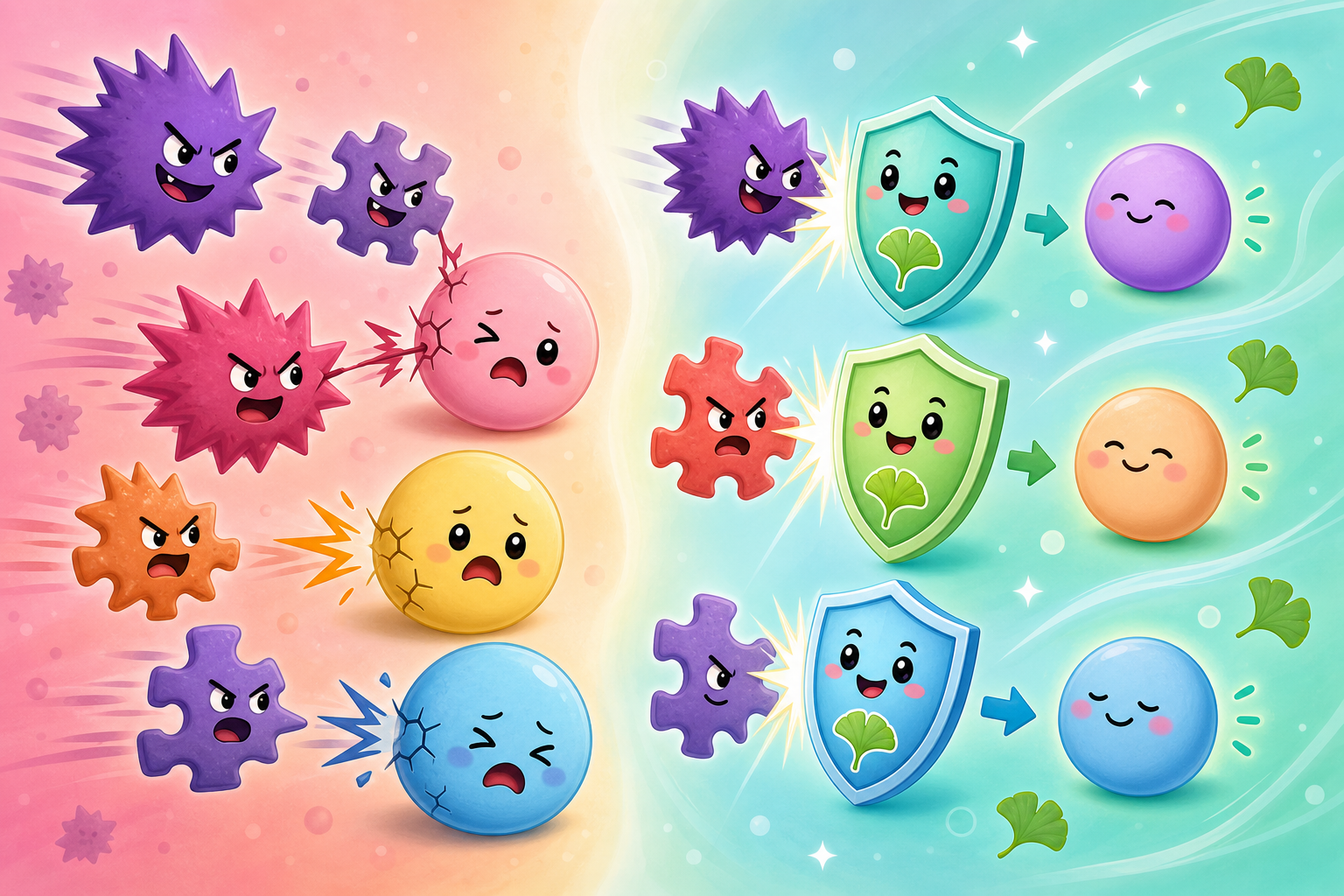
1. Flavonoids (FLAV-uh-noids): These are plant-based compounds that act as strong antioxidants (an-tee-OX-ih-dants). Antioxidants neutralize free radicals, which are unstable molecules that can damage cells and DNA. By reducing this oxidative stress, flavonoids help protect brain and heart tissue from long-term damage.
2. Terpenoids (TUR-peh-noids): Ginkgo contains specific terpenoids called ginkgolides. These compounds improve blood flow by dilating blood vessels and reducing the stickiness of platelets. This prevents blood from clotting too easily and helps oxygen-rich blood reach the brain and other organs.
Who Benefits Or Needs Caution
Who might benefit:
- Older adults experiencing mild cognitive decline or mild dementia.
- Patients with vascular dementia, especially when used alongside standard therapies under medical supervision.
- Individuals looking to support healthy blood flow and metabolic health.
Who needs caution:
- People on blood thinners: Because Ginkgo biloba reduces platelet stickiness, it can increase the risk of bleeding. You should not take it if you are on medications like warfarin or aspirin without strict medical supervision.
- People having surgery: Due to the bleeding risk, doctors generally advise stopping Ginkgo biloba at least two weeks before any scheduled surgery.
- People with epilepsy: Ginkgo seeds contain a compound that can lower the seizure threshold. While standardized leaf extracts have very little of this compound, people with seizure disorders should be highly cautious.
The Bottom Line / Takeaways
- Ginkgo biloba is an extensively studied herbal extract with clear benefits for specific age-related conditions.
- Research strongly supports that 240 milligrams per day of standardized extract (EGb 761) can slow cognitive decline and improve daily functioning in older adults with mild dementia.
- It improves blood flow to the brain, skin, and eyes without significantly altering blood pressure.
- It is not a cure for tinnitus or severe leg pain from poor circulation, despite popular myths.
- Because it affects how blood clots, it carries a bleeding risk and can interact with certain medications.
Quick Reference: Key Studies
| Study Focus | Key Finding | Source |
|---|---|---|
| Dementia & Cognitive Impairment | 240 mg/day of EGb 761 stabilized or slowed decline in cognition and daily functioning. | PMID 25114079 |
| Mild Dementia | Ginkgo biloba was significantly superior to placebo in cognition and quality of life for mild dementia. | PMID 39895346 |
| Vascular Dementia | Ginkgo combined with standard medications provided greater cognitive benefits than medication alone. | PMID 35349093 |
| Cardiovascular Health | Improved blood flow in multiple organs without significantly raising blood pressure. | PMID 36671707 |
| Cholesterol | Taking Ginkgo biloba with statins lowered triglycerides and LDL better than statins alone. | PMID 29988404 |
| Tinnitus | No clinical evidence that Ginkgo biloba improves ringing in the ears. | PMID 36383762 |
| Leg Pain (Claudication) | No clinically significant benefit for walking distance in peripheral arterial disease. | PMID 23744597 |
Last updated: June 2026
This article synthesizes findings from peer-reviewed research. It is for educational purposes only and does not constitute medical advice. Consult a healthcare provider before starting any new regimen.
Leave a Reply