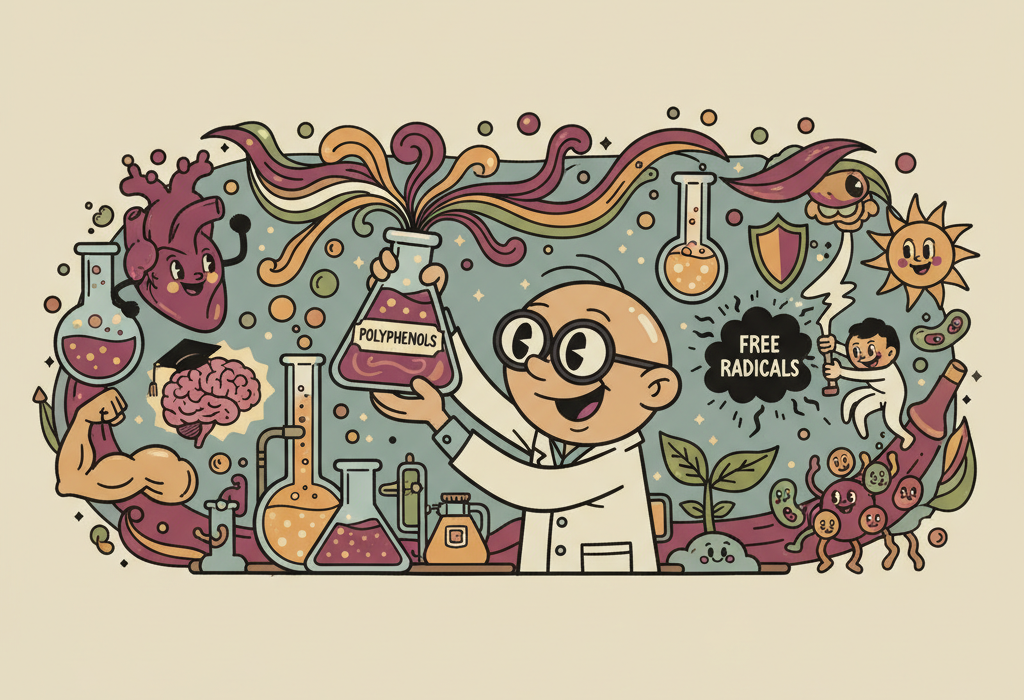
If you have ever been told to “eat the rainbow” or enjoy a cup of green tea for its antioxidants, you have been given advice about polyphenols.
Polyphenols (pah-lee-FEE-nawls) are a large family of naturally occurring compounds found in plants. In nature, plants produce these chemicals as a defense mechanism to protect themselves from ultraviolet radiation, harsh weather, and hungry insects. When humans consume these plants, these same compounds appear to offer significant health benefits, particularly in managing inflammation and cellular damage.
However, the science of how polyphenols work in the human body is surprisingly complex. While supplement bottles often promise immediate health benefits, research shows that simply swallowing a polyphenol pill does not guarantee your body can actually use it.
This article breaks down what peer-reviewed research actually says about polyphenols, how they interact with your gut, and what foods provide the most reliable benefits.
The Core Tension: The Bioavailability Problem
To understand polyphenols, we first need to understand a concept called bioavailability (by-oh-uh-vay-luh-BILL-ih-tee). This refers to the proportion of a nutrient that actually enters your bloodstream and has an active effect on your body.
Most polyphenols have very low bioavailability. A 2020 review in Critical reviews in food science and nutrition notes that when you eat polyphenol-rich foods, the compounds are often too large or complex for your small intestine to absorb. As a result, a massive portion of the polyphenols you consume passes right through your upper digestive tract unabsorbed.
So, if we cannot absorb them easily, how do they improve our health?
The answer lies in your large intestine. Unabsorbed polyphenols travel down to the colon, where they meet your gut microbiome.
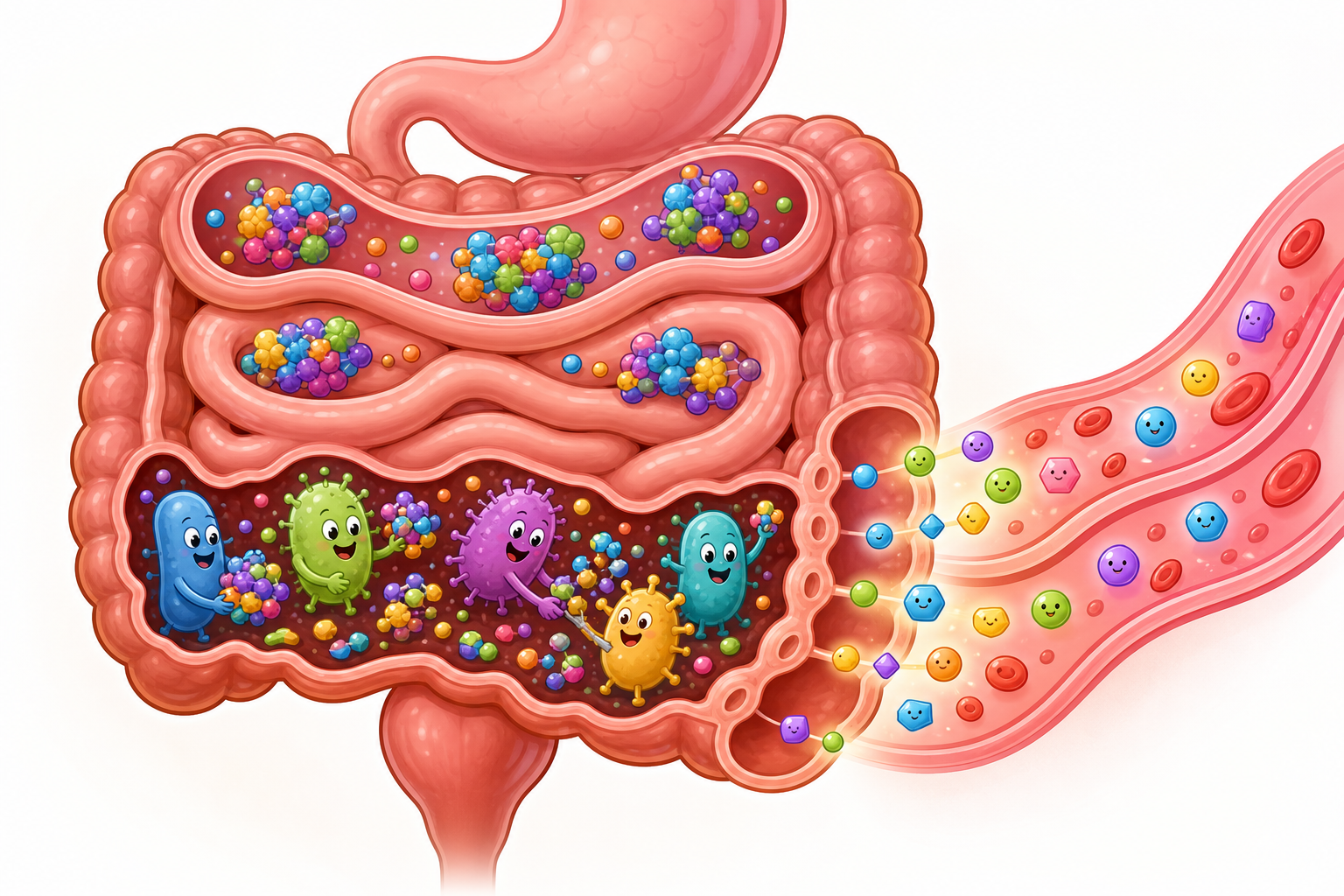
Your gut bacteria feast on these complex plant compounds, breaking them down into smaller, simpler molecules called metabolites. These smaller metabolites are easily absorbed into your bloodstream, where they circulate and provide health benefits. At the same time, the polyphenols act as a food source for beneficial bacteria, helping them thrive while suppressing harmful bacteria.
A 2022 review in the Journal of food biochemistry describes this as a “bidirectional relationship.” Polyphenols shape the health of your gut microbiome, and your gut microbiome is required to unlock the health benefits of polyphenols. Without a healthy gut, you cannot get the full benefit of polyphenols.
Related: How Your Gut Microbiome Actually Affects Brain Health
What the Research Shows About Specific Polyphenols
Scientists have identified over 8,000 different polyphenols. They are generally grouped into categories like flavonoids, phenolic acids, lignans, and stilbenes. Researchers have studied several specific types extensively to understand how they impact human health.
EGCG and Green Tea
One of the most heavily researched polyphenols is EGCG (epigallocatechin gallate), a compound found abundantly in green tea.
A 2025 study in Advances in nutrition explains that EGCG has potent antioxidant properties. Oxidative stress (OK-sih-day-tiv stress) occurs when unstable molecules called free radicals damage cells. EGCG helps neutralize these free radicals.
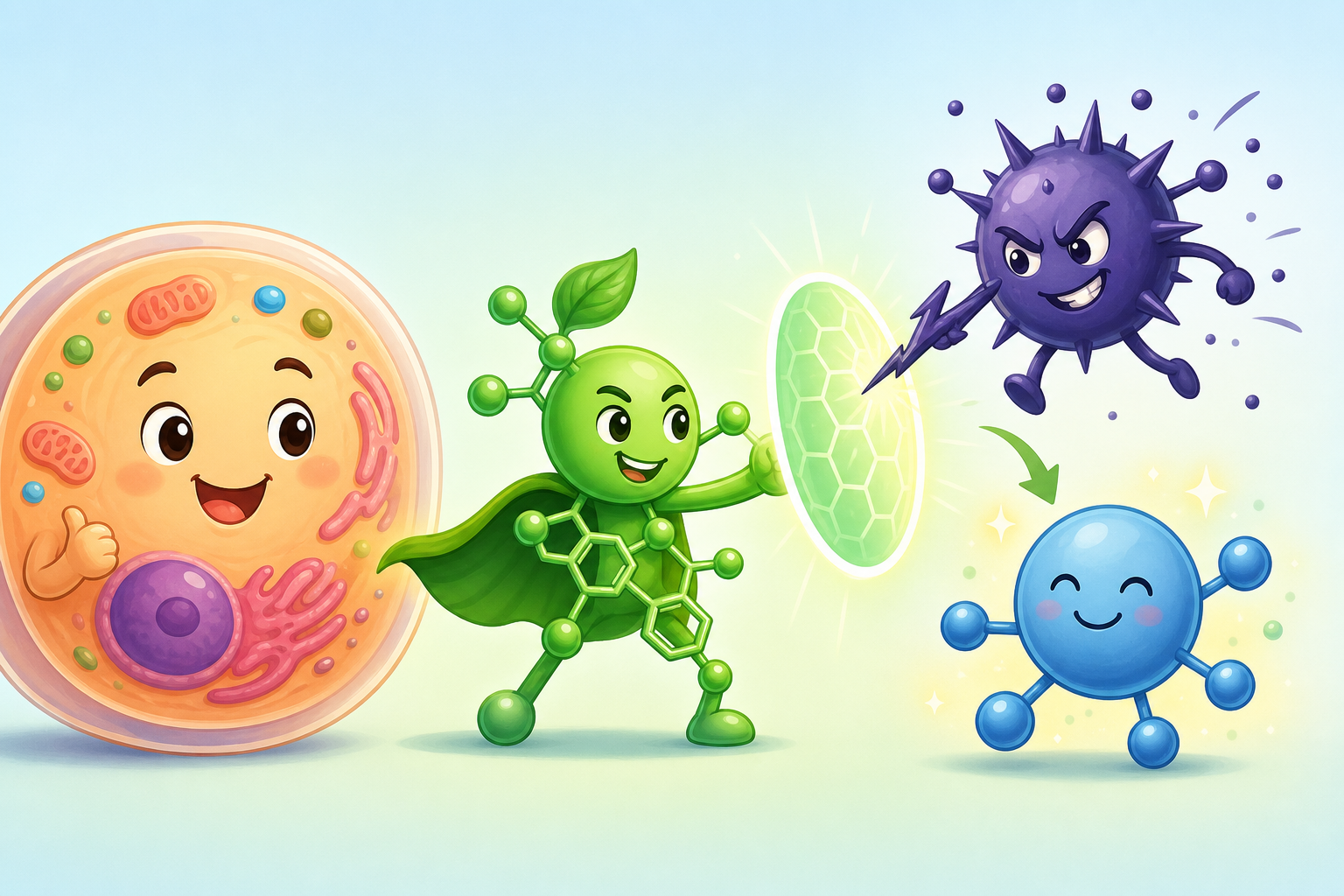
Because EGCG is poorly absorbed on its own, it relies heavily on gut bacteria. Once broken down by microbes, EGCG metabolites have been shown to help maintain the integrity of the intestinal barrier. Furthermore, a 2018 review in Nutrients highlights that EGCG has been studied extensively for its role in cellular health. In laboratory and animal studies, EGCG appears to inhibit the growth of certain abnormal cells by interfering with the signaling pathways that allow these cells to multiply.
Quercetin and Cellular Defense
Quercetin (KWER-seh-tin) is a flavonoid found in onions, apples, and asparagus. It is highly regarded for its ability to manage inflammation.
A 2022 review in Molecules details how quercetin acts as a scavenger for reactive oxygen species. Interestingly, quercetin is lipophilic, meaning it can dissolve in fats. This property allows it to easily pass through cell membranes, including the blood-brain barrier. Because of this, researchers are actively studying quercetin for its neuroprotective effects, noting that it may help defend brain cells against the oxidative damage associated with age-related cognitive decline.
Anthocyanins in Beans and Soybeans
Anthocyanins (an-tho-SY-uh-nins) are the pigments that give red, purple, and black plants their dark colors. They are highly concentrated in berries, but also in common beans and black soybeans.
A 2017 review in Nutrients focusing on black soybeans found that their high anthocyanin content is associated with cardiovascular benefits. These compounds appear to help relax blood vessels and reduce the oxidation of LDL (bad) cholesterol, which is a key step in the development of plaque in the arteries.
Similarly, a 2017 study in the International journal of molecular sciences explored the polyphenol content of dry common beans (like navy, pinto, and kidney beans). The research showed that the combination of polyphenols and dietary fiber in beans works synergistically to slow down the absorption of carbohydrates, which helps prevent sharp spikes in blood sugar after meals.
Polydatin and Resveratrol
Resveratrol is a well-known polyphenol found in grapes and red wine. However, a closely related compound called polydatin is gaining attention because it is absorbed more easily by the body.
A 2022 study in Molecules explains that polydatin modulates key signaling pathways involved in inflammation. In animal models, polydatin has shown cardioprotective effects by reducing lipid accumulation and reducing the inflammatory responses that lead to tissue damage after injury.
Related: How an Anti-Inflammatory Diet Actually Affects Your Body
How Polyphenols Affect Different Body Systems
Based on current scientific literature, a diet rich in diverse polyphenols impacts several core body systems.
Brain Health and Cognitive Function
The brain is highly susceptible to oxidative stress because it consumes a massive amount of oxygen. A 2023 review in Nutrients investigated how dietary polyphenols might delay the onset of neurodegenerative conditions.
The researchers noted that certain polyphenols can act as mild, reversible monoamine oxidase (MAO) inhibitors. MAO is an enzyme that breaks down neurotransmitters like dopamine and serotonin. By slightly inhibiting this enzyme, polyphenols may help maintain higher levels of these “feel-good” chemicals in the brain, potentially supporting mood and cognitive function. Furthermore, regular consumption of polyphenol-rich foods like berries has been linked to improved verbal memory and learning in older adults.
Cardiovascular and Metabolic Health
Many polyphenols support heart health by improving how blood vessels function and how the body processes fats and sugars.
For example, artichoke leaf extracts are rich in a polyphenol called chlorogenic acid. A 2024 study in Nutrients highlighted that these extracts can influence lipid metabolism. They appear to help the body break down cholesterol into bile salts, which are then excreted, thereby helping to lower overall cholesterol levels in the blood.
Gut Health and Inflammation
Because most polyphenols end up in the colon, they have a profound impact on intestinal health. A 2025 study in Carbohydrate polymers emphasized the critical synergy between dietary fiber and polyphenols.
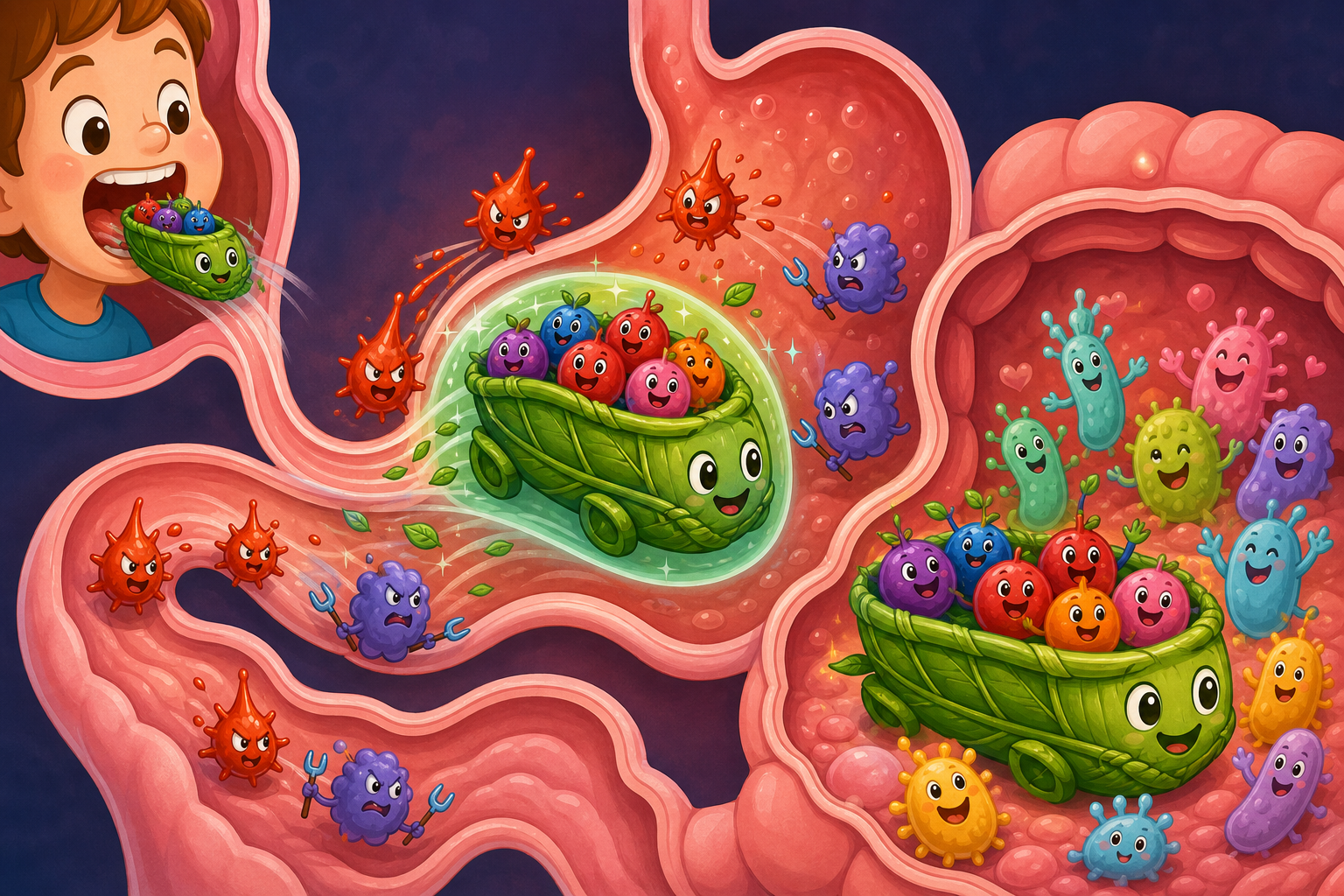
When you eat whole plant foods, the fiber acts as a delivery vehicle, carrying the polyphenols safely to the lower gut. Once there, gut bacteria ferment the fiber and metabolize the polyphenols, producing short-chain fatty acids (SCFAs). SCFAs are crucial for keeping the lining of the gut strong and preventing systemic inflammation.
Common Questions About Polyphenols
Are polyphenol supplements as good as whole foods?
Generally, no. Research suggests that polyphenols work best when consumed within their natural “food matrix.” The fiber and other nutrients in whole fruits, vegetables, and beans help transport polyphenols to the lower gut where they are needed most. Isolated supplements often lack this delivery system.
Can you consume too many polyphenols?
Yes, especially through high-dose supplements. A 2016 study in Oxidative medicine and cellular longevity looking at chicory extracts found that while moderate doses acted as protective antioxidants for intestinal cells, very high doses actually became cytotoxic (toxic to cells) and caused cellular damage. More is not always better.
Does cooking destroy polyphenols?
It depends on the food and the cooking method. Boiling can cause water-soluble polyphenols to leach into the cooking water. However, cooking can also soften plant cell walls, making some polyphenols easier for the body to extract and use.
Where to Find Dietary Polyphenols
Research indicates that a varied diet is the best way to get a wide spectrum of polyphenols. Different plants provide different types:
| Polyphenol Type | Common Food Sources | Primary Studied Benefits |
|---|---|---|
| Flavanols (EGCG) | Green tea, white tea | Cellular defense, antioxidant support |
| Flavonols (Quercetin) | Onions, apples, asparagus | Inflammation management, neuroprotection |
| Anthocyanins | Black soybeans, berries, red cabbage | Cardiovascular health, blood sugar regulation |
| Ellagitannins | Walnuts, raspberries | Gut microbiome support, heart health |
| Chlorogenic Acid | Artichokes, coffee | Cholesterol management, metabolic health |
The Bottom Line
Dietary polyphenols are a vital part of a healthy diet, offering well-documented benefits for cardiovascular health, brain function, and cellular defense. However, they are not magic bullets that work independently.
The science clearly shows that the health benefits of polyphenols are deeply intertwined with your gut microbiome. Because the human body struggles to absorb these compounds directly, we rely on healthy gut bacteria to break them down into usable forms.
Eating a diverse range of whole plant foods—which naturally package polyphenols together with dietary fiber—remains the most evidence-based way to reap their benefits. High-dose supplements may not only bypass this natural delivery system but could potentially cause cellular stress if taken in excess.
Quick Reference: Key Studies
| Study Focus | Key Finding | Source |
|---|---|---|
| Green Tea (EGCG) & Gut Health | EGCG interacts extensively with gut microbiota, which transforms it into bioactive metabolites that improve intestinal barrier function. | PMID 41106481 |
| Artichoke Polyphenols | Artichoke extracts rich in chlorogenic acid show anti-inflammatory properties and help lower lipid levels in the blood. | PMID 38542782 |
| Brain Health & Cognition | Dietary polyphenols can improve brain plasticity and act as mild MAO inhibitors, supporting mood and cognitive function. | PMID 37571391 |
| Quercetin & Aging | Quercetin crosses the blood-brain barrier and acts as a potent scavenger of free radicals, protecting against age-related oxidative stress. | PMID 35458696 |
| Fiber & Polyphenol Synergy | Dietary fiber and polyphenols work together to modulate gut microbiota and increase the production of beneficial short-chain fatty acids. | PMID 40383597 |
| Black Soybeans | Anthocyanins in black soybeans are associated with reduced blood pressure, improved bone stability, and better blood sugar management. | PMID 28471393 |
| Chicory Extract Dosing | In intestinal cell models, moderate doses of chicory polyphenols are protective, but very high doses can become toxic to cells. | PMID 26843906 |
Last updated: June 2026
This article synthesizes findings from peer-reviewed research. It is for educational purposes only and does not constitute medical advice. Consult a healthcare provider before starting any new regimen.



Leave a Reply