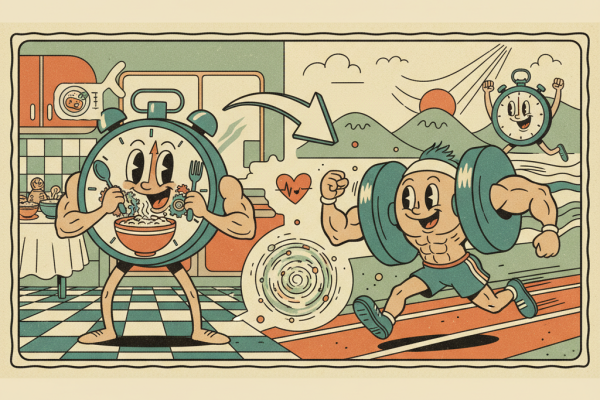
The Science of Meal and Exercise Timing: What Actually Works
Discover how timing your meals and workouts to align with your body's natural clock can improve blood sugar, build muscle, and support metabolic health.
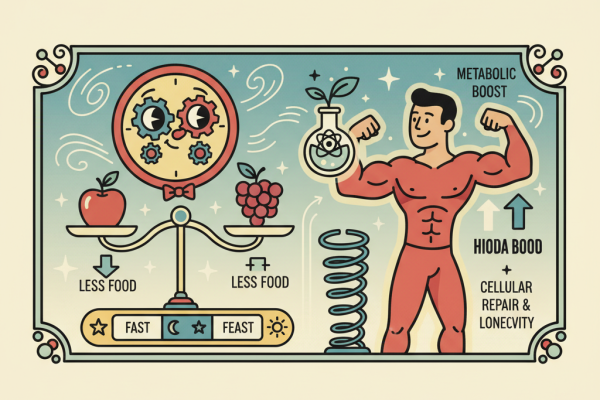
Is intermittent fasting better than simply cutting calories? We break down the latest science on how fasting triggers cellular cleanup, burns fat, and protects brain health.
NAD+ is an essential molecule that powers our cells and repairs our DNA, but its levels drop significantly as we age. Discover what the latest science says about boosting NAD+ to protect brain health, maintain muscle mass, and slow cellular aging.
The DASH diet is widely recommended for blood pressure control, but how well does it actually work? This article explores decades of research to explain its benefits, limitations, and how it compares to other popular diets.
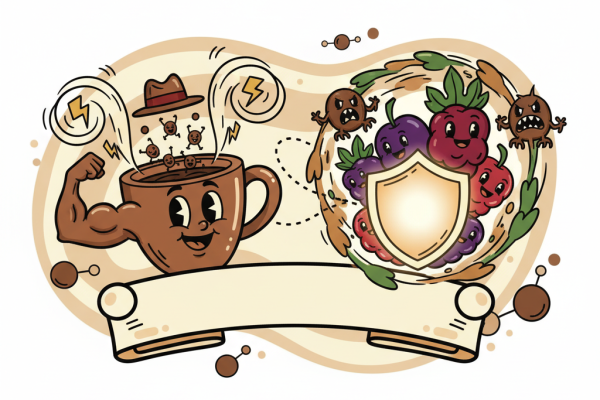
Does caffeine act as an antioxidant? Learn what the latest science shows about how caffeine protects the brain, skin, and liver from oxidative stress.
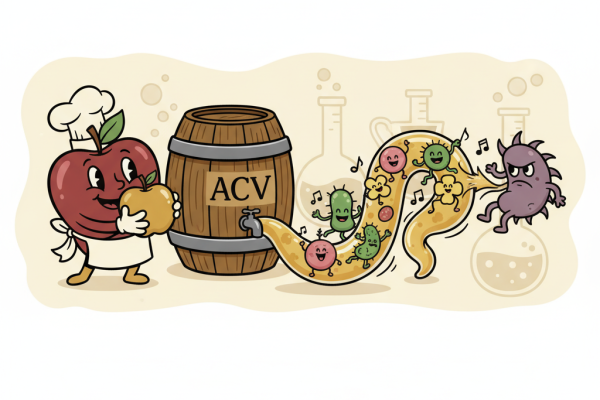
Recent studies reveal that apple cider vinegar interacts directly with your gut bacteria. Research shows it may help suppress harmful microbes and support liver health, but the type of vinegar you choose matters.
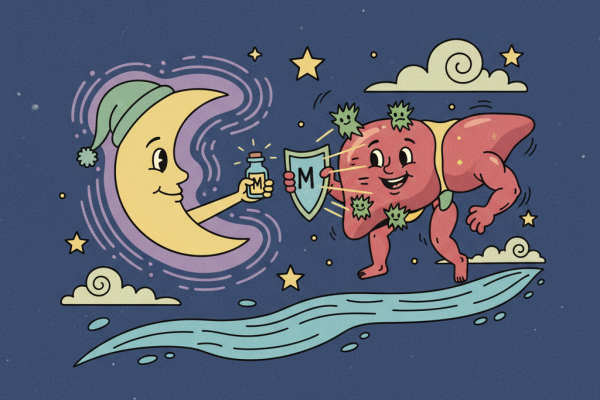
Melatonin is widely known as a sleep aid, but new research shows it plays a critical role in liver health. Studies suggest this powerful antioxidant helps protect the liver from fat accumulation, environmental toxins, and oxidative stress.
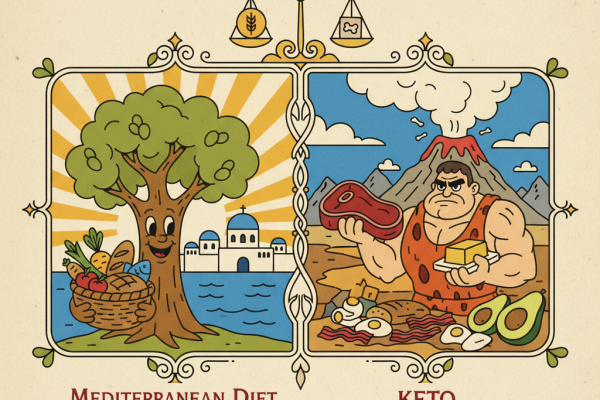
Wondering whether the Mediterranean or Keto diet is better for your health? We break down the latest research on weight loss, blood sugar, and brain health to help you understand how each eating pattern actually affects your body.
Does a low-carb diet help or hurt your gut? New research shows that your unique digestive bacteria control how you respond to carbohydrates, impacting everything from weight loss to blood sugar.
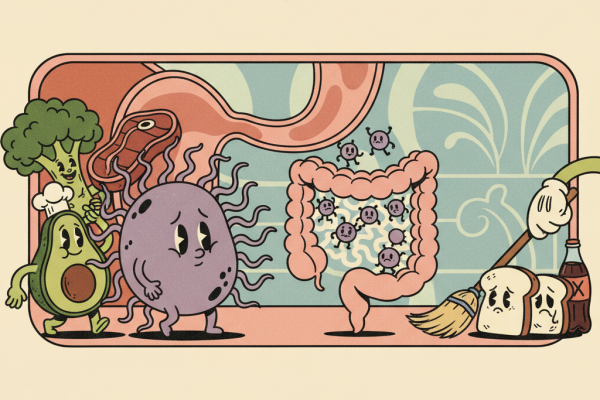
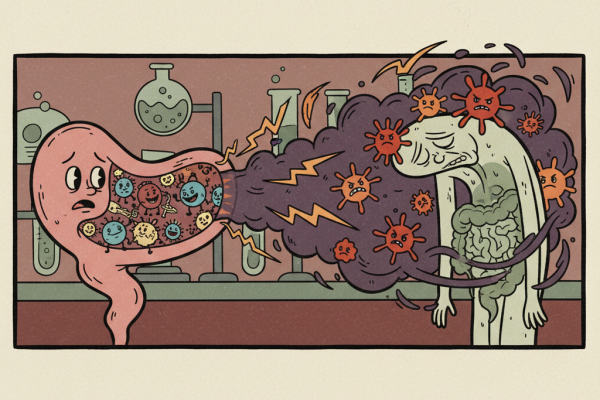
Recent research reveals that the bacteria in your digestive tract play a direct role in managing oxidative stress throughout your body. Discover how gut health influences cellular damage in your brain, kidneys, and skin, and what science says you can do about it.